
Free Outdoor Wedding Venues: Beautiful Ways to Save
A beautiful wedding location does not need a rental fee. Public parks, beaches, backyards, and community spaces are the best free outdoor wedding venues for couples who want a budget-friendly wedding with a small guest list and a simple ceremony. You will still need to check local rules, arrange legal paperwork, and plan for essentials such as seating, restrooms, weather, and guest access.
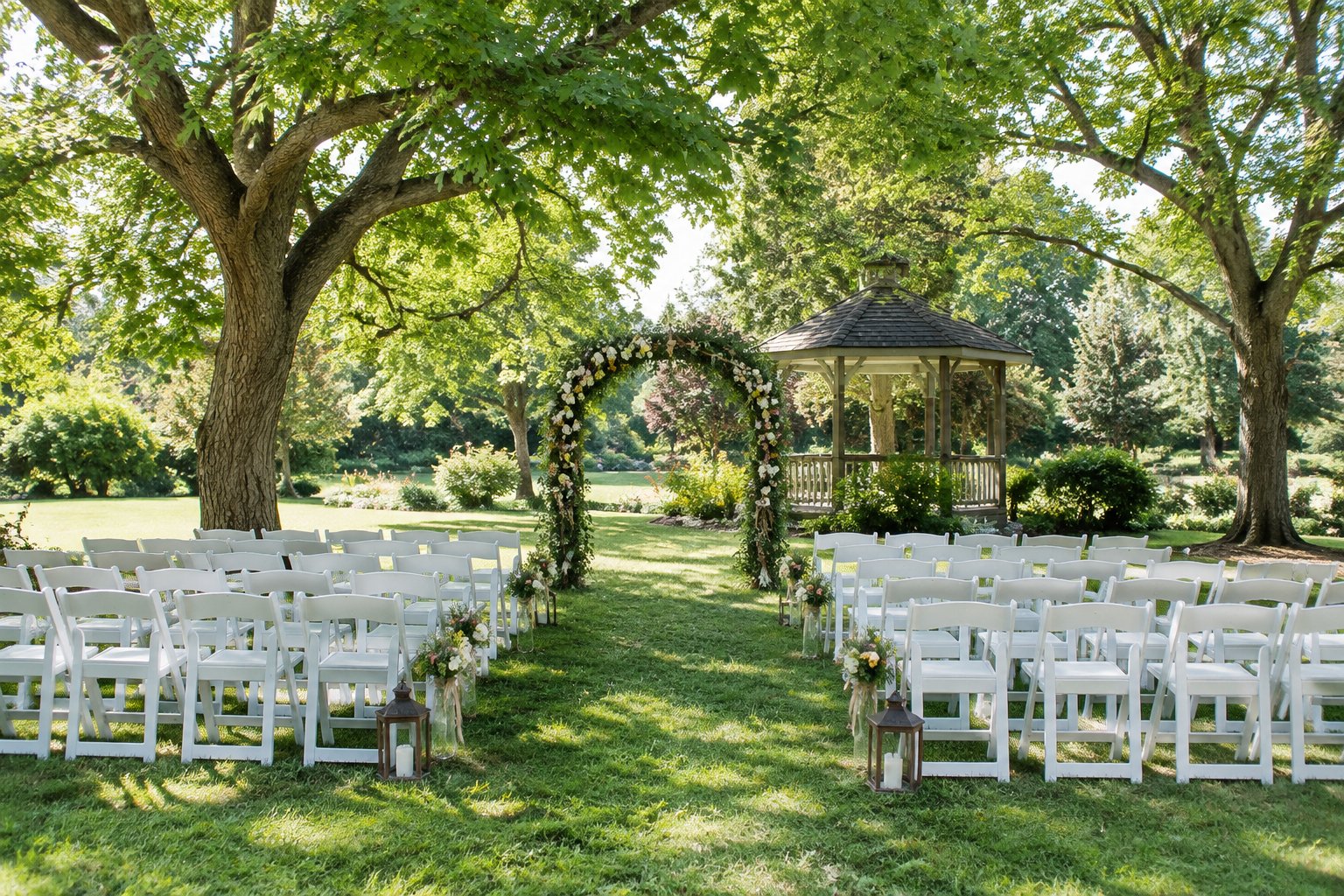
A free site works best when you keep the event low-impact. An elopement with a few guests might use a public space at no charge, while a larger gathering with chairs, music, food, or decorations may require a permit or rental fee. Your location search should account for the full wedding planning budget, not only the venue price.
Start by choosing a guest count and ceremony style, then contact the park office, property owner, or facility manager. A quick approval check can help you secure a lovely setting before you spend money on décor or invitations.
What “Free” Really Means for a Wedding Location
A free wedding venue usually means you avoid a site rental fee for a small, simple ceremony, while permits, legal paperwork, rentals, and receptions can still create costs. Public land may be open to visitors, yet wedding activity can require advance approval.

A free wedding package is rare. Most no-cost options cover the location only. You remain responsible for the marriage license, officiant, transportation, attire, photography, food, and cleanup.
When a Simple Elopement Can Cost Nothing
An elopement with only the couple, an officiant, and required witnesses may fit within a public space’s visitor rules. You might stand beneath a tree in a public park, exchange vows on a quiet beach, or use a scenic overlook in a national park.
Check whether the site permits wedding ceremonies, whether reservations are required, and whether photography or décor changes the rules. A small wedding with several guests can still require a permit if you bring chairs, an arch, amplified music, or other equipment.
Your legal costs depend on your state and county. Plan for the marriage license and confirm whether your officiant and witnesses meet local requirements.
Hidden Costs to Budget Before You Book
A no-fee location can still require spending on:
- Marriage license and officiant
- Permit or reservation fees
- Chairs, shade, sound equipment, or décor
- Transportation and parking
- Restrooms and handwashing access
- Food, drinks, and trash removal
- Weather protection and backup plans
Ask the location manager for a written list of fees and restrictions. Confirm the allowed guest count, ceremony time, setup window, cleanup duties, and rules for alcohol, candles, music, and vehicles.
Best No-Cost Places to Exchange Vows
The strongest free outdoor wedding venues combine natural scenery with easy guest access and clear local rules. Public land suits a small ceremony, while a private home or campus can offer more control over timing and setup.
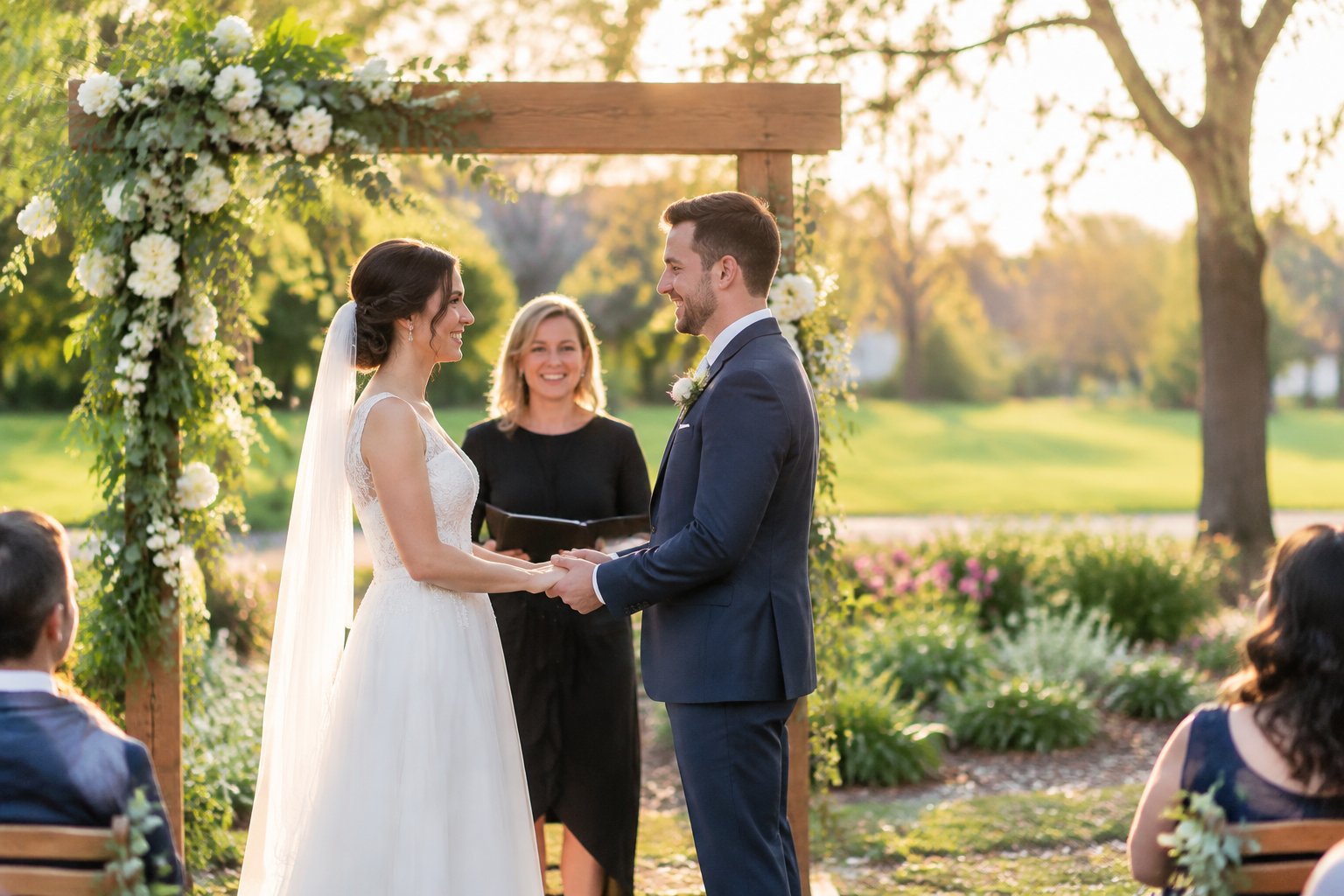
Search city, county, and state websites for event policies before you choose a date. Some locations allow ceremonies without charge when you leave the space open to other visitors; others require a reservation for any organized gathering.
Public Parks and National Park Settings
Parks provide trees, lawns, trails, overlooks, and built-in photo backgrounds. A quiet weekday ceremony with a small group may fit standard visitor rules.
City parks can require a special-event permit for reserved areas, seating, decorations, or larger groups. National parks also set rules for ceremonies, photography, parking, and protected areas. Keep guests on marked paths and ask about entrance fees, accessibility, and seasonal closures.
Public Beaches, Lakefronts, and Waterfronts
A public beach wedding gives you a scenic backdrop with little décor. Lakefront parks, riverwalks, and waterfront overlooks offer similar views when beaches are crowded or weather is rough.
Contact the local parks department about guest limits, reserved areas, sound, alcohol, fires, and chairs. Tides, wind, heat, and public access should shape your timeline. Choose a meeting point that guests can find without walking far across sand or uneven ground.
Backyards and Private Homes
A backyard wedding offers privacy, bathrooms, a kitchen, and direct control over the ceremony layout. Ask the property owner for written permission if the home belongs to a relative or friend.
Review city rules, HOA policies, parking limits, noise hours, tent requirements, and restroom needs. A large backyard event can require more infrastructure than expected, including temporary power, extra toilets, lighting, and waste removal. A short ceremony with a small guest list keeps the plan manageable.
Botanical Gardens, Community Spaces, and Colleges
Botanical gardens may allow free ceremonies in open public areas, while reserved garden sections can carry a fee. Community centers, libraries, and civic spaces sometimes provide free use to residents or members under specific conditions.
Colleges can be meaningful locations for alumni, faculty, or students. Ask about campus approval, visitor parking, security, photography, and ceremony times. A school courtyard or garden may work well for a short ceremony even when receptions are restricted.
How to Confirm Rules, Permits, and Legal Requirements
A successful free outdoor wedding starts with written permission and a clear list of legal requirements. Confirm the site’s event rules, the permit deadline, your marriage license process, and who can perform the ceremony.
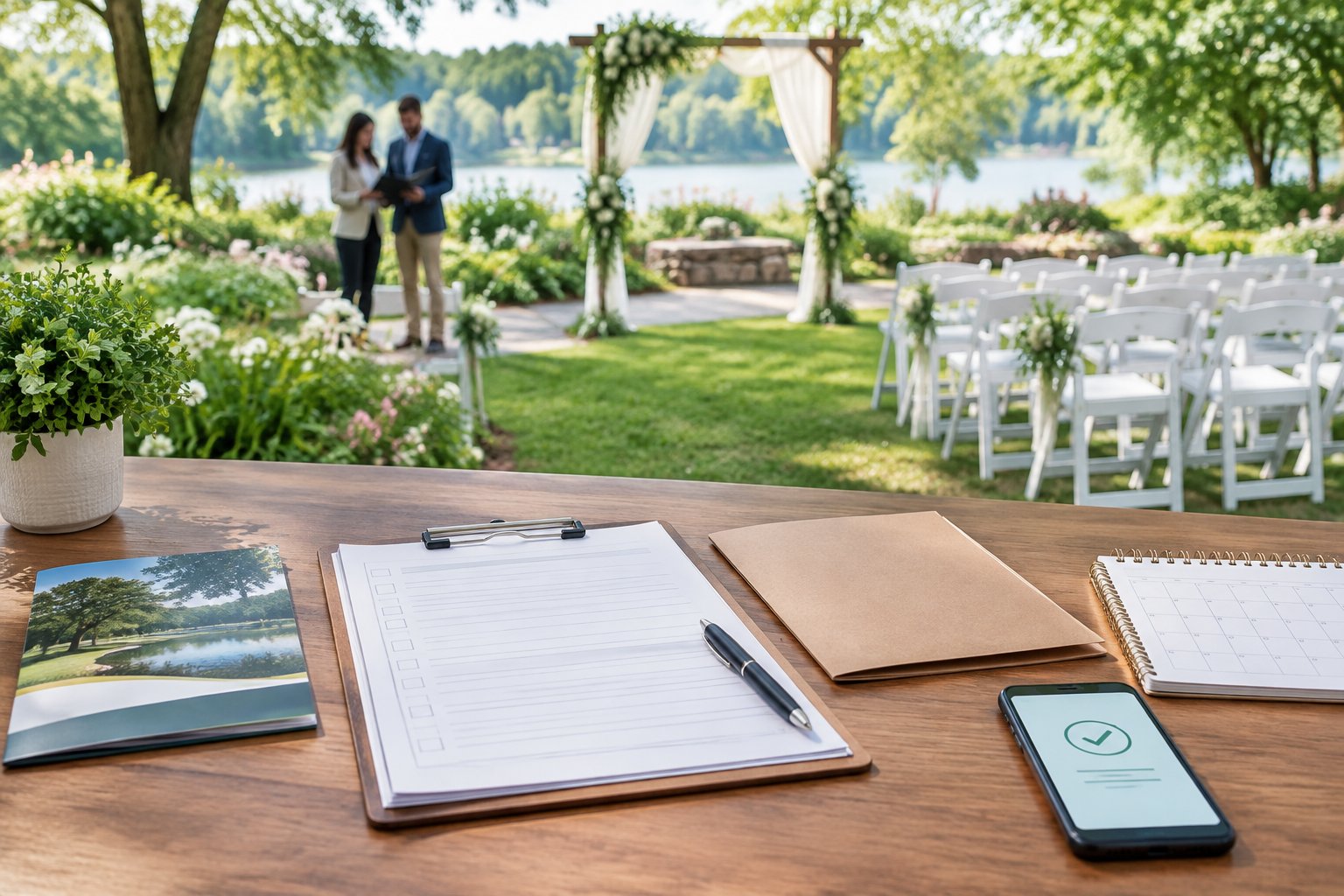
Use a wedding planning checklist to record the office you contacted, the staff member’s name, fees, deadlines, guest limit, and approved setup. Save emails and permits with your other wedding documents.
When You Need a Park or Beach Permit
Ask for a permit when you plan to reserve a space, gather a larger group, bring equipment, use amplified sound, serve alcohol, or block public access. Some cities also require approval for professional photography, tents, arches, or chairs.
Contact the parks department or land manager with your date, time, guest count, ceremony plan, equipment list, and parking needs. Ask how early you must apply and whether event insurance is required. Keep the approved permit with you on the wedding day.
How to Keep a Public-Space Ceremony Low-Impact
Choose a low-traffic time and keep the ceremony short. Use portable décor that you can carry in and remove quickly, and leave plants, wildlife, paths, and public fixtures untouched.
Avoid confetti, glitter, open flames, nails, stakes, and loud music unless the location approves them. Assign one person to collect trash and check the site after guests leave. Tell guests about parking, footwear, restrooms, and accessibility before the event.
Marriage License, Officiant, and Witness Requirements
Apply for your marriage license through the county clerk or another authorized local office. Requirements vary by state, including identification, waiting periods, expiration dates, fees, and witness rules.
Confirm that your officiant is authorized in your state. A friend who becomes ordained might need additional registration or paperwork in some locations. The officiant must complete and return the license according to local instructions, so confirm the filing deadline before the ceremony.
How to Plan a Beautiful Outdoor Ceremony on a Small Budget
A polished outdoor wedding comes from a suitable guest count, practical comfort plans, and a few focused design choices. Let the landscape provide the main setting while your budget supports essentials such as seating, shade, sound, and weather protection.
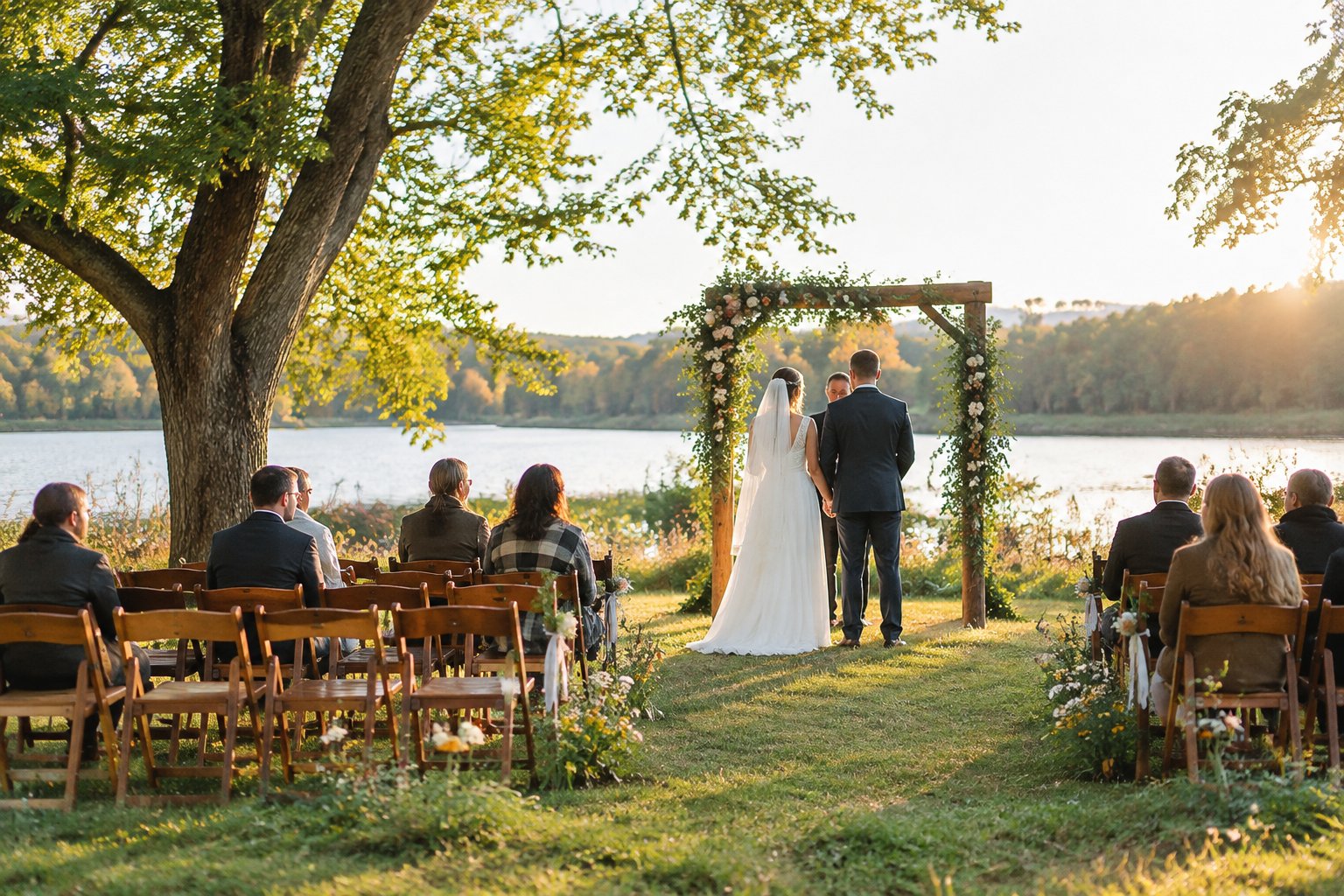
Set a spending limit before you shop. Reserve funds for permits, transportation, legal paperwork, and an emergency weather plan before buying decorations.
Choose a Guest Count That Fits the Space
Match your guest list to the site’s posted capacity, available seating, parking, and restroom access. A small group lets you use a scenic corner without occupying a public lawn or blocking other visitors.
Visit at the ceremony time to check shade, noise, foot traffic, sun direction, and walking surfaces. Mark a simple layout for the couple, officiant, guests, photographer, and any mobility equipment.
Prepare for Weather, Accessibility, and Guest Comfort
Create a backup plan before you send invitations. Identify a nearby covered area, flexible rescheduling option, or indoor location, and tell guests what happens if conditions change.
Provide water, sunscreen, fans, blankets, or insect protection based on the season. Choose firm, accessible paths and confirm that guests can reach seating, restrooms, and parking. Tell guests about grass, sand, stairs, or uneven ground so they can select suitable shoes.
Create an Affordable Ceremony Look
Use one focal point, such as a small floral arch, a fabric drape, or a decorated tree. Seasonal flowers, potted plants, borrowed vases, and reusable aisle markers keep costs controlled. A boutonniere and bouquet can carry your color scheme without extensive floral décor.
Borrow folding chairs, use simple ceremony programs, and choose battery-powered lights when approved. Remove every item after the ceremony and protect the site from tape, wire, and loose materials. More ideas for a polished celebration are available in these wedding decoration ideas on a budget.
Low-Cost Alternatives When a Free Site Is Not Practical
A courthouse wedding, home celebration, or modest park rental can preserve your budget when a no-cost outdoor location lacks seating, privacy, restrooms, or weather protection. Compare the complete cost of each plan before you commit.
Courthouse Ceremonies and At-Home Celebrations
A courthouse ceremony keeps the legal process compact and may include an officiant or ceremony room for a modest fee. Afterward, host cake and drinks at home, visit a public garden for photos, or arrange a private cocktail reception for close family.
An at-home celebration gives you control over food, music, and timing. Keep the guest list small enough for your property, and check local rules for noise, parking, tents, alcohol, and temporary structures.
Affordable Park Pavilions and Reception Options
A park pavilion can provide shade, tables, bathrooms, and a defined gathering area for less than a private venue. Ask about weekday rates, resident discounts, cleanup deposits, power access, and closing times.
You can hold the ceremony in an open area and move to the pavilion for food. A picnic, catered drop-off meal, or dessert reception reduces equipment and service needs. Review affordable wedding reception venues if you need more protected space.
Houston Ideas for Free and Low-Cost Outdoor Settings
For couples searching for free outdoor wedding venues in Houston, start with city parks, county parks, public gardens, waterfront areas, and personal backyards. Each site sets its own rules for ceremonies, reservations, guest counts, parking, sound, and alcohol.
Ask the Houston Parks and Recreation Department or the specific property manager for current requirements. Compare a free ceremony site with a low-cost pavilion, community space, or courthouse option after adding chairs, restrooms, permits, transportation, and weather coverage.
A written quote and approved site plan will show whether the free location fits your celebration.