
Free Wedding Venues Near the Mountains: Where to Look
A mountain backdrop does not require a costly venue package. For a small wedding or elopement, public parks, national forests, and community spaces near mountain towns offer the strongest chance of a free or very low-cost ceremony site. Your wedding budget can then focus on travel, food, photography, and the experience you want to share.
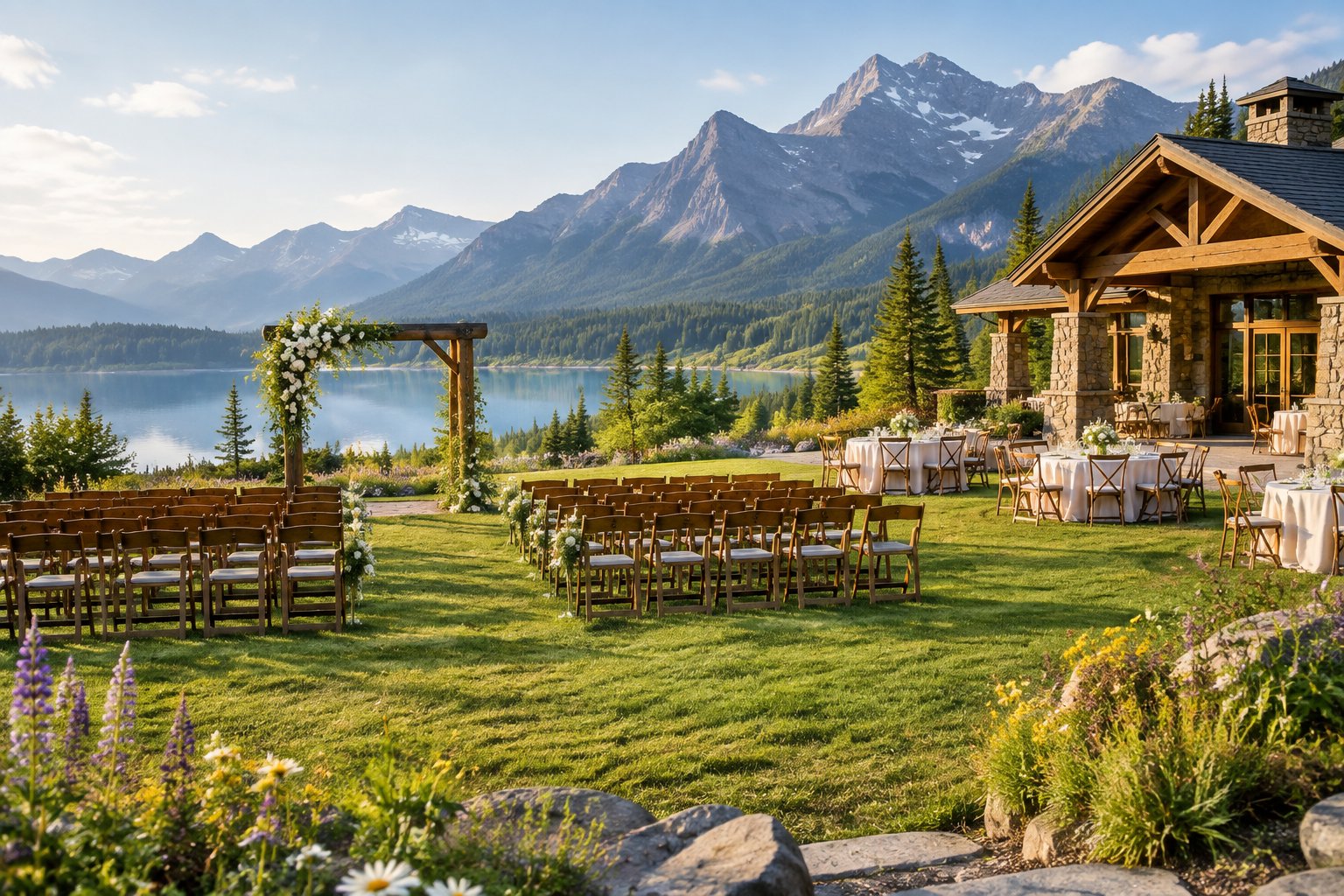
Search for public land through city, county, state, and federal recreation websites. Check ceremony rules before you choose a date, since a free location can still require a permit, insurance, entrance fee, or guest limit. If you want more ideas for keeping an intimate celebration affordable, explore these tips for designing a budget-friendly small wedding. Start by calling the land manager for your preferred site and confirming the rules for your exact group size.
What Counts as a Free Mountain Wedding Site?
A free mountain wedding site is a public outdoor space that does not charge a location rental fee for your wedding ceremony, while still allowing you to follow its reservation and event rules.

A city park, forest pullout, public overlook, or lightly used trail area might qualify. A national park wedding needs special care because the National Park Service sets rules for each park, site, group size, decorations, parking, and photography. Some national park weddings require a Special Use Permit even when the ceremony is tiny.
When Can a Public Space Be Used at No Cost?
You can use a public space at no cost when the land manager permits small ceremonies without a location fee and your plans fit the site’s rules. A wedding officiant, photographer, and a few guests may still count as an organized gathering.
Check the official website or call the local office for:
-
Reservation requirements
-
Permit deadlines and application fees
-
Ceremony areas and time limits
-
Parking and entrance charges
-
Rules for chairs, arches, flowers, music, and food
-
Seasonal closures or weather restrictions
A weekday ceremony with only the couple, an officiant, and a photographer has the best chance of fitting a site’s low-impact rules.
Why Free Ceremony Sites Can Still Have Expenses
Free access covers the space, not the complete wedding day. You might pay for a permit, parking, travel, lodging, an officiant, photographer, attire, flowers, restrooms, or a cleanup deposit.
Remote areas also add costs for transportation and guest comfort. Build a small site fee category into your wedding budget, then list every service you need to bring in. Ask whether a permit includes vehicle entry or whether each guest pays separately.
How Many Guests Can You Bring?
Guest limits range from a few people to larger groups, depending on the site and land manager. A narrow overlook may allow only a handful of guests, while a city park lawn can support a larger ceremony if you reserve it.
Give the office your full headcount, including the couple, officiant, photographer, children, and vendors. Include the number of vehicles when the site has limited parking. A small guest list also makes hiking, seating, restrooms, and emergency planning easier.
Where to Find Scenic Public-Land Ceremony Locations
The best places to search are national parks, national forests, state recreation areas, city parks, and public overlooks near established mountain destinations.

Use official land-manager websites first. Search the name of the place plus “weddings,” “ceremonies,” or “special use permit,” then verify the information with the local office before booking travel.
National Parks, Forests, and Public Overlooks
National parks offer dramatic settings, though permits and restrictions are common. Glacier National Park, Rocky Mountain National Park, Yellowstone, Mount Rainier, and Olympic National Park each have their own ceremony rules. Lake Crescent gives Olympic visitors a mountain-lake setting, while Rocky Mountain National Park offers designated sites with alpine views.
National forest land can provide more location choices and a quieter setting. Ask the ranger district about group limits, road access, fire rules, and seasonal closures. Public overlooks near the Rockies, red rocks, or desert mountains might be free to visit, yet a ceremony permit can still apply.
City Parks, State Parks, and Amphitheaters
A city park near a mountain town can give you paved paths, restrooms, parking, and nearby restaurants. Look at communities near Park City, Sedona, Lake Tahoe, or Moab for public lawns, riverfront areas, and viewpoint parks.
State parks often charge a modest reservation or permit fee, while some community amphitheaters are available through a city events office. These spaces suit guests who need easier access and couples who want a ceremony that feels outdoorsy without a long hike.
Mountain Towns and Public Land Near Popular Destinations
Popular destinations can have free or low-cost sites just outside the busiest attraction. Garden of the Gods and Red Rocks show how scenic public landscapes draw visitors and require careful event planning. Check crowd levels, parking, sound limits, and restrictions on arches or chairs.
Search county parks, recreation districts, scenic byways, and public lakes near your preferred destination. A site 20 to 40 minutes outside the main resort area may offer lower fees, more date choices, and easier parking.
Which Mountain Regions Suit Your Wedding Style?
Choose your mountain region by matching the landscape and travel conditions to your ceremony style, guest needs, and preferred season.
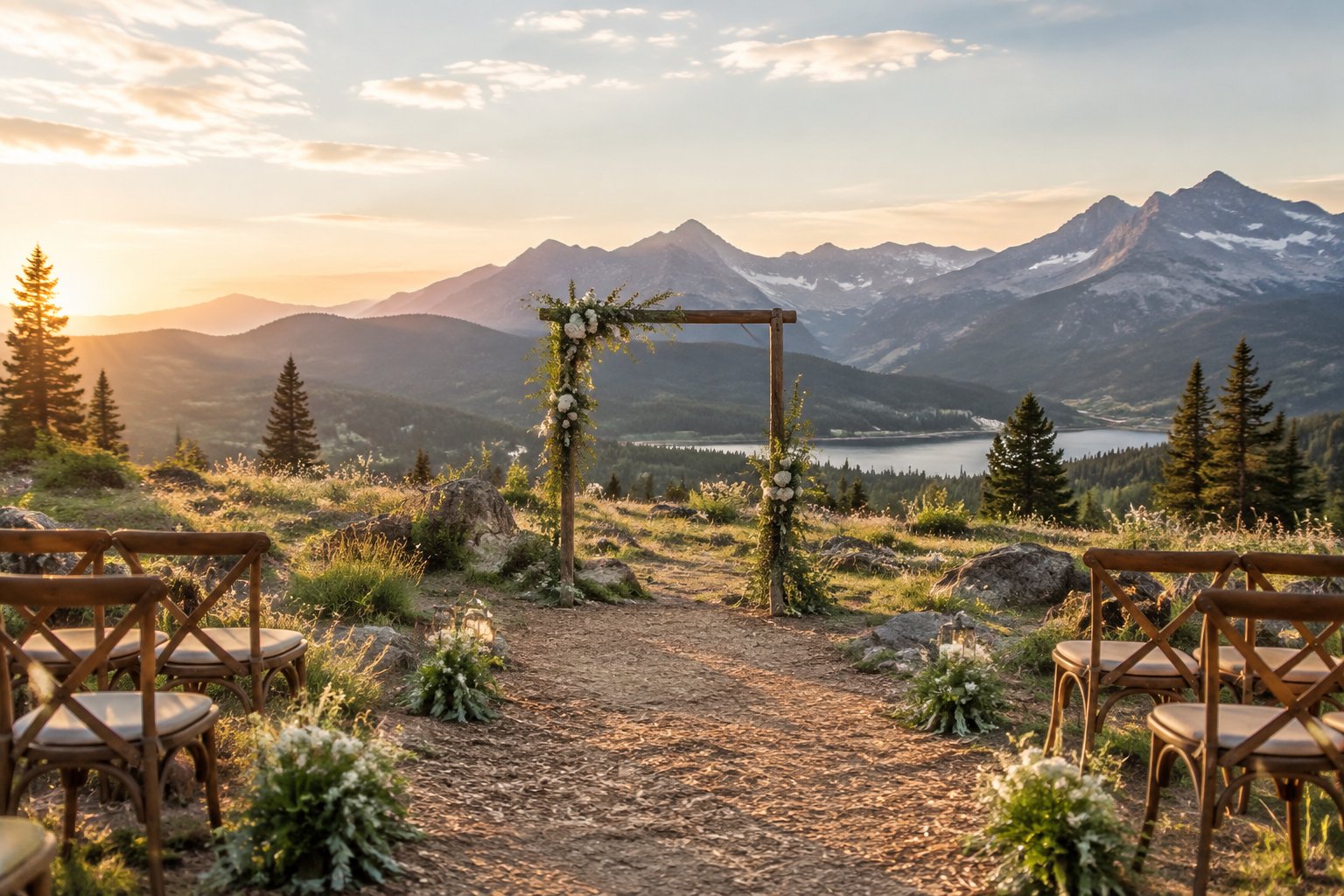
A high-alpine setting fits a tiny adventure elopement, while a lake, forest, or lodge area works better for family and friends. Compare road access, altitude, weather, lodging, and permit rules before you commit to a date.
Rockies, High Desert, and Western Mountain Landscapes
The Rocky Mountains give you sharp peaks, alpine lakes, and open meadows. Colorado and Wyoming suit couples who want a bold outdoor ceremony, with options near Rocky Mountain National Park and smaller forest districts.
The high desert around Moab, Sedona, and other red-rock areas brings warm colors and wide views. These locations work well for sunrise or sunset elopements, though summer heat, limited shade, and water access need attention. The eastern Sierra combines granite peaks, pine forests, and clear lakes for a flexible mix of hiking and drive-up settings.
Ski resorts provide lift access, lodging, and mountain views. Their packages cost more than a public site, yet they can reduce transportation and reception planning.
Smokies, Blue Ridge, and Appalachian Escapes
The Smoky Mountains and Blue Ridge Mountains offer forest roads, misty ridges, waterfalls, and cozy town centers. These regions suit a relaxed small wedding with cabins, local restaurants, and short walks to scenic overlooks.
Rain and fog can shift quickly, so choose a site with a nearby covered area. Great Smoky Mountains National Park has its own permit rules and ceremony locations. Review seasonal traffic before selecting a weekend.
Northeastern Peaks, Lakes, and Lodge Settings
The Adirondack Mountains and Green Mountains pair wooded hills with lakes, village centers, and lodge-style lodging. This setting fits a wedding weekend with a welcome dinner, outdoor ceremony, and casual reception.
Lake views work well for guests who prefer easy access. Ask about shoreline restrictions, private property boundaries, and fall foliage demand. A public lakeside park can keep the ceremony cost low while nearby inns handle meals and rooms.
Sierra and Pacific Northwest Adventure Settings
The eastern Sierra and Pacific Northwest offer rugged peaks, evergreen forests, and mountain lakes. Mount Rainier and Olympic National Park provide distinct landscapes, from subalpine meadows to temperate rainforest and Lake Crescent.
These locations suit couples who want a nature-focused elopement with a small group. Snow, road closures, and limited cell service affect many scenic sites, so include extra travel time and share a printed itinerary with guests.
How to Plan the Ceremony and Reception on a Budget
Pair a free ceremony site with a simple meal, nearby lodging, and a clear backup plan to keep your destination wedding costs under control.
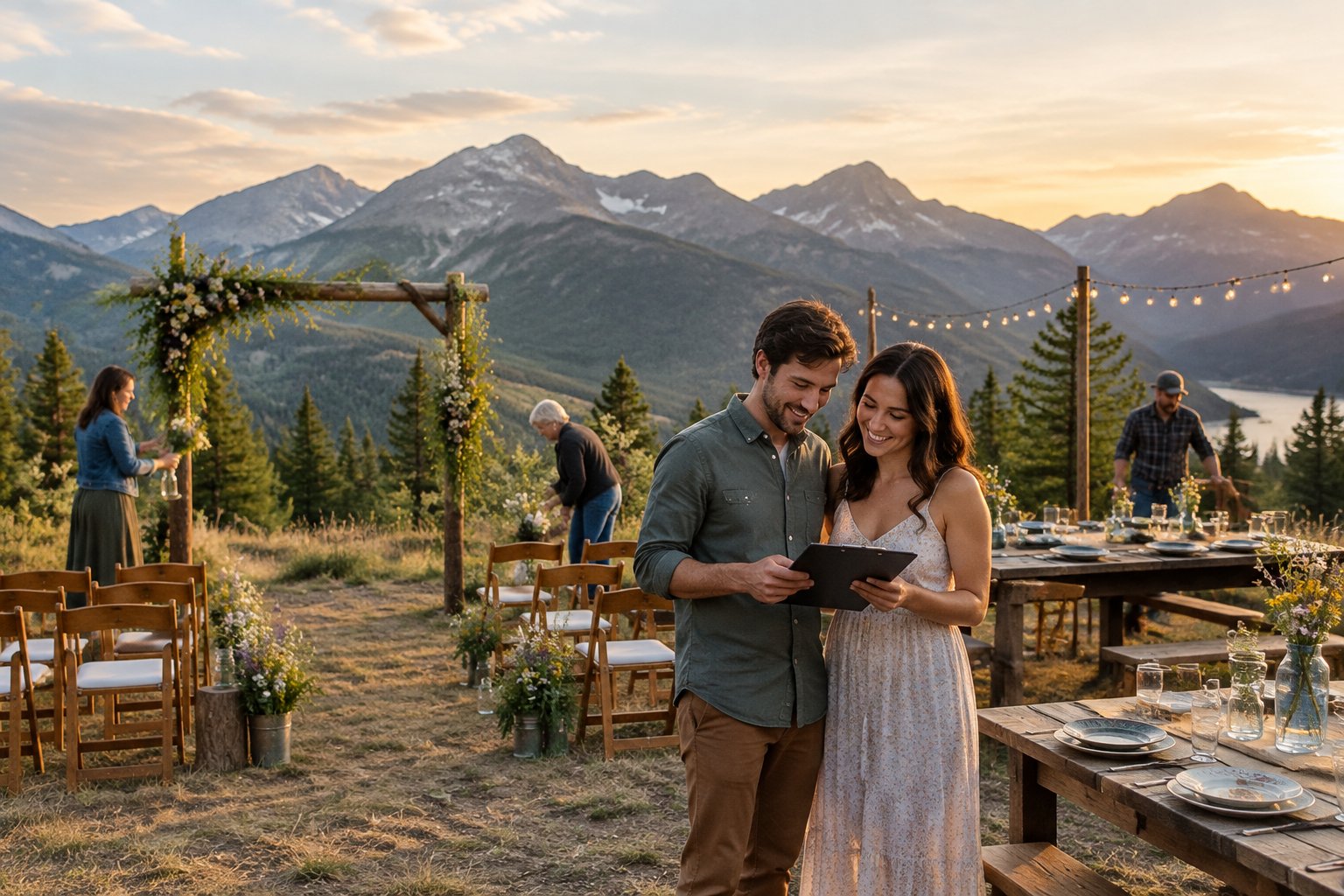
A public ceremony does not need to carry the full wedding weekend. You can exchange vows outdoors, then host dinner at a restaurant, cabin, community hall, or rented home that permits gatherings. For practical cost ideas, review how to allocate a wedding budget.
Permits, Insurance, and Leave No Trace Rules
Contact the land manager before you advertise the date. Ask about a Special Use Permit, event insurance, commercial photography rules, vehicle limits, amplified sound, and group size. National parks and other public lands may restrict arches, chairs, flower petals, confetti, candles, drones, and food service.
Follow Leave No Trace practices by staying on durable surfaces, packing out every item, and keeping the ceremony short. Assign one person to collect décor and trash so cleanup does not fall to the couple.
Choosing an Officiant and Completing Legal Paperwork
Choose an officiant who can reach the site and meet your state’s legal requirements. Some states require witnesses, identification, a marriage license from a specific county, or a filing deadline.
Confirm the rules with the county clerk before your wedding weekend. Your officiant should know who signs the license, when it must be returned, and whether the ceremony location affects the paperwork.
Creating a Weather and Accessibility Backup Plan
Select a backup site before you send invitations. Look for a covered picnic shelter, nearby lodge, restaurant, cabin, or town hall that accepts short-notice events.
Check the route for steep grades, loose ground, stairs, altitude, and restroom access. Tell guests how far they must walk and what footwear works. Keep blankets, water, umbrellas, and warm layers available when conditions can change quickly.
Pairing a Free Ceremony With a Nearby Reception
A free ceremony pairs well with a restaurant dinner, catered picnic, cabin meal, or rented community room. Ask the reception location about guest limits, outside food, music, cleanup, and end times.
A tented reception works on private land when the owner approves the event and the ground can support vehicles and equipment. Keep the menu compact, rent only the tables and chairs you need, and choose local vendors to reduce travel charges.
Low-Cost Mountain Venues When Public Land Is Not Enough
Low-cost private venues give you more control over comfort, lodging, weather protection, and meal service while keeping the setting close to the mountains.
Ranches and Retreats for Multi-Day Gatherings
Ranches and retreats suit couples planning a shared wedding weekend with on-site activities. Ask about exclusive use, cabins, kitchen access, quiet hours, catering rules, and cleanup.
Examples to research include Sky Ridge Ranch, Sacred Mountain Julian, and Hawkesdene. Lake Glenville adds a mountain-lake setting, while Outland Great Smoky Mountains suits groups seeking a retreat atmosphere. Request a complete quote that separates venue rental, lodging, food, taxes, service charges, and required staffing.
Lodges and Resorts With On-Site Lodging
A lodge or resort can simplify transportation when guests stay and celebrate in one place. Garden of the Gods Resort and Club, Mohonk Mountain House, Taharaa Mountain Lodge, and Green Valley Ranch represent different styles, from scenic resort stays to lodge-focused gatherings.
Ask about weekday pricing, shoulder-season dates, minimum guest counts, meal packages, and room blocks. A smaller guest list can open options that do not fit a large reception.
National-Park-Adjacent Properties for Easier Logistics
Properties near a national park let you keep the landscape while moving the reception, lodging, and weather plan onto private grounds. NatureBridge at Olympic National Park and Altimeter Cabin and Event Venue at Mt. Rainier are examples to investigate near major public-land destinations.
You can hold the ceremony under park rules and host dinner at the property, subject to both locations’ approval. Confirm travel time, shuttle access, parking, vendor policies, and whether the property accepts ceremonies or only overnight stays.