
Full Weekend Wedding Venues: How to Choose Yours
A full wedding weekend gives you time to welcome guests, celebrate your ceremony, and enjoy a relaxed morning together before everyone leaves. The best full weekend wedding venues combine exclusive access, overnight lodging, flexible event spaces, and a clear plan for Friday through Sunday. That setup helps you spend more meaningful time with your guests while reducing travel between hotels, ceremony sites, and brunch locations.
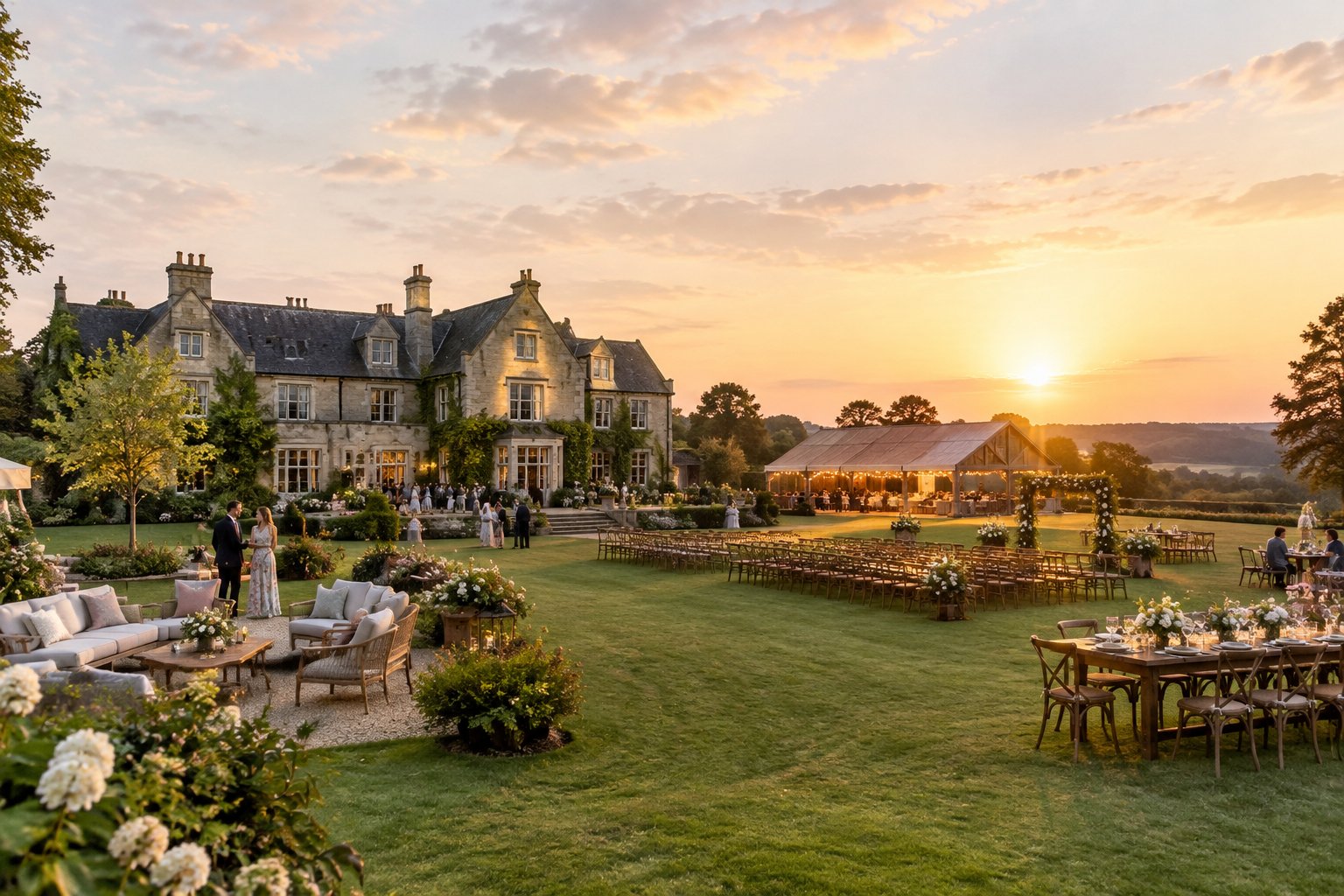
Start by deciding how many guests need to sleep onsite, how much privacy you want, and which events belong on the property. Then compare the full price, travel demands, vendor rules, and weather plans. If you are considering an estate-style celebration, browse wedding venue ideas and begin shortlisting properties that fit your guest list and preferred pace.
What Makes a Venue Work for a Full Weekend?
A strong full-weekend venue gives you private access, comfortable lodging, several usable spaces, and enough time for setup and cleanup. You should be able to move from a welcome gathering to the ceremony, reception, and brunch without rebuilding the entire event at each step.
Your choice of wedding venue shapes the guest experience from arrival through departure. A multi-day wedding also needs practical details such as parking, bathrooms, catering access, quiet hours, and indoor backup rooms. Destination wedding properties need an extra check for airport access and local activities.
Exclusive Use vs. Shared-Property Rentals
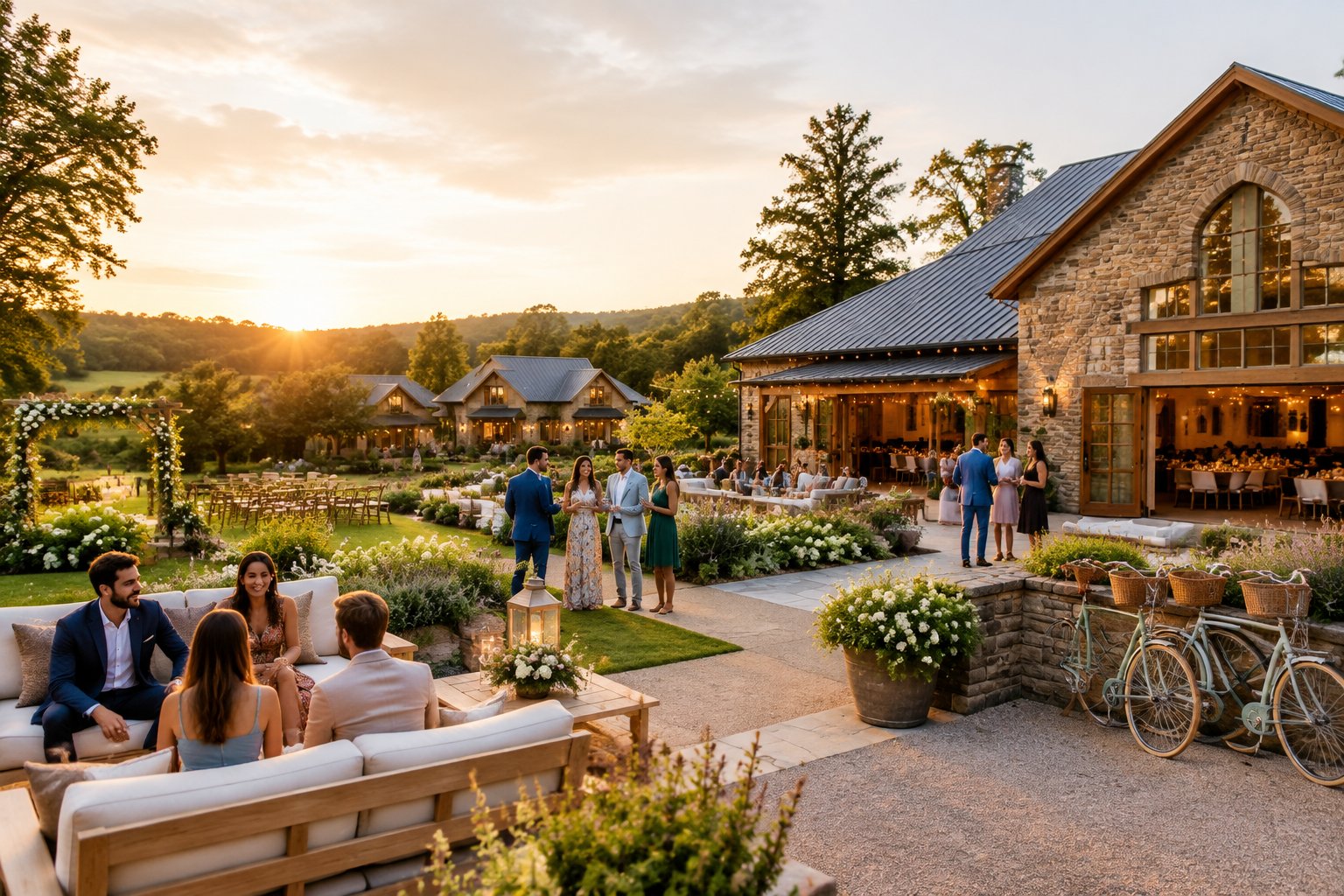
An exclusive-use rental gives your group control of the property during the contracted dates. Guests can gather in common areas, suppliers can load in with fewer conflicts, and your schedule does not compete with another event.
A shared-property rental can work when you want hotel services, dining options, or a larger room inventory. Ask which spaces remain private, whether other events happen during your stay, and how shared parking, elevators, pools, and lounges affect your plans.
Onsite Lodging
Count beds by room, not by the venue’s total event capacity. Confirm the number of bedrooms, bathrooms, accessible rooms, check-in time, linens, cleaning fees, and rules for children or pets.
Give priority rooms to immediate family, the wedding party, and guests with mobility needs. If the property sleeps only part of your guest list, create a nearby lodging plan before you sign.
Nearby Rooms, and Guest Transport
Nearby hotels work well when the venue has limited lodging. Check drive times during the actual event hours and identify transportation for guests who will drink, older relatives, and anyone who does not drive.
Ask whether the venue has space for shuttle drop-off, rideshare pickup, and overnight parking. A simple map with hotel names, travel times, and shuttle windows will make guest communication easier.
Spaces for Every Event, Not Just the Ceremony
Look for separate areas for getting ready, a welcome party, rehearsal dinner, ceremony, cocktails, dinner, dancing, and brunch. Room changes should require minimal furniture movement, especially when suppliers have limited setup time.
Review a floor plan with your expected guest count. Check the distance between rooms, the location of restrooms, electrical access, kitchen access, and the route for rain backups. Outdoor spaces should also have shade and lighting for evening use.
How to Build a Seamless Weekend Itinerary
A smooth wedding weekend gives each event a clear purpose and leaves open time for rest, travel, and informal conversations. Keep arrival night relaxed, protect the wedding day schedule, and make Sunday easy for guests who need to leave early.
Your itinerary should include exact locations, start times, dress guidance, meal details, transportation notes, and contact information. Share a simple version with guests and a detailed production schedule with your vendors.
Arrival Drinks or a Welcome Party
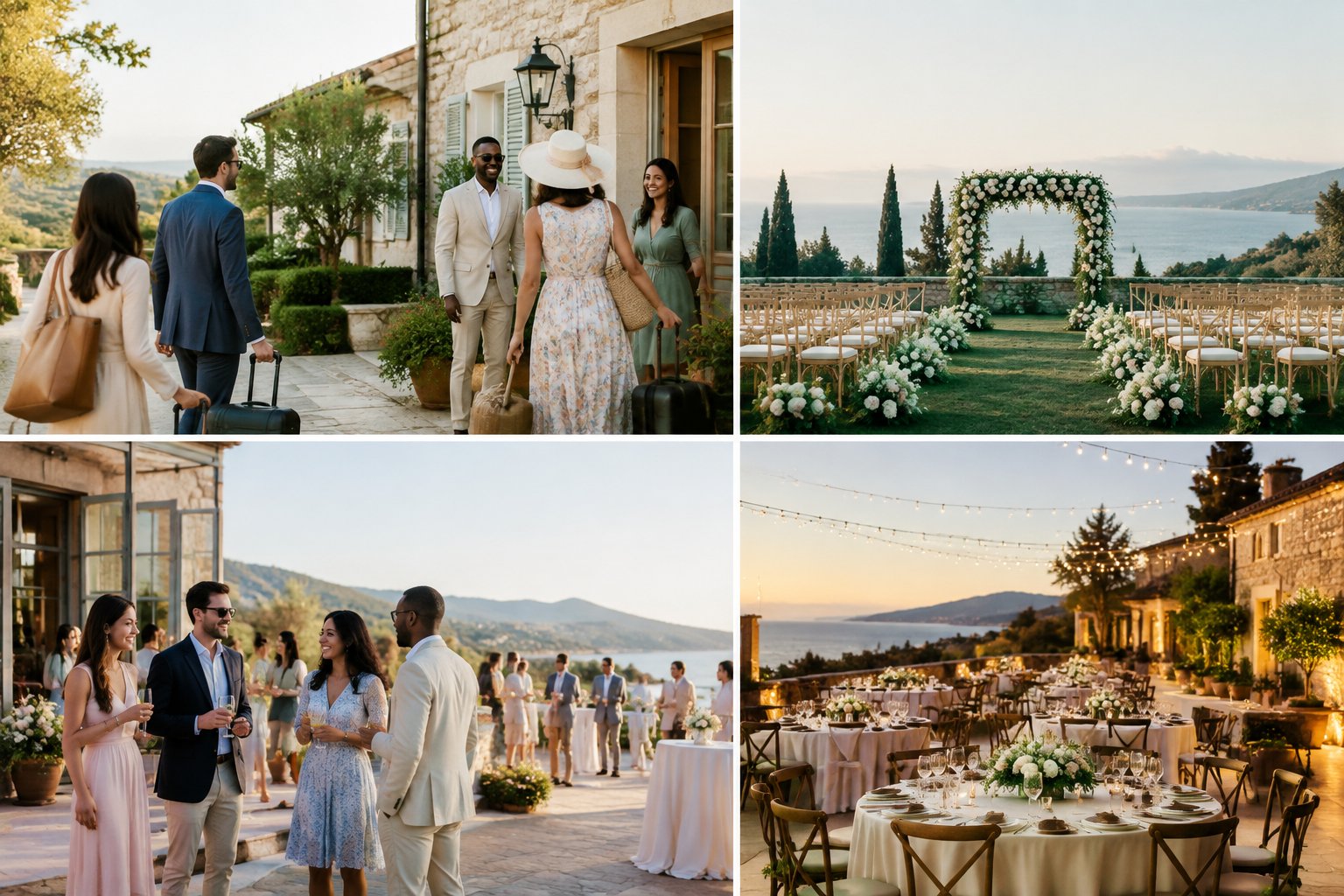
Plan a casual welcome party after most guests arrive. Drinks, light food, lawn games, or a firepit gathering help people settle in without creating another formal reception.
Keep the menu easy to serve and offer a nonalcoholic drink from the start. If guests arrive at different times, use a flexible two-hour window and place welcome bags in bedrooms or at check-in.
The Rehearsal Dinner and Wedding Ceremony
A rehearsal dinner can serve the wedding party and close family, while the wider welcome event includes the full guest list. Keep speeches brief so the evening ends at a reasonable hour.
On the wedding day, place getting-ready rooms close to the ceremony site and schedule buffer time for portraits, transportation, and weather changes. Tell guests where to go first and assign one person to answer location questions.
Farewell Brunch and Post-Wedding Activities
A farewell brunch gives guests a calm final gathering before checkout. Choose a buffet or family-style meal so people can eat at different times while packing.
You can add optional activities such as a walk, pool time, local tour, or coffee station. Publish checkout rules, luggage storage details, and shuttle departures so guests can leave without guessing.
Which Venue Style Fits Your Celebration?
The right venue style matches your guest count, desired privacy, planning comfort, and setting. Estates suit couples who want a private retreat, resorts provide built-in services, and countryside properties create room for outdoor gatherings.
Think about how the property feels across several days. A beautiful ceremony site needs equal support for meals, downtime, rest, and guest movement.
Estates, Resorts, and Boutique Hotel Buyouts
Private estates offer control over the schedule and setting. They work well when you want a home-like atmosphere, outdoor meals, and space for guests to spend time together.
Resorts and boutique hotel buyouts bring room service, front-desk support, pools, spas, and professional banquet teams. Ask whether a buyout includes all guest rooms or only selected event areas, and check the minimum room commitment.
Barns, Farms, and Countryside Retreats
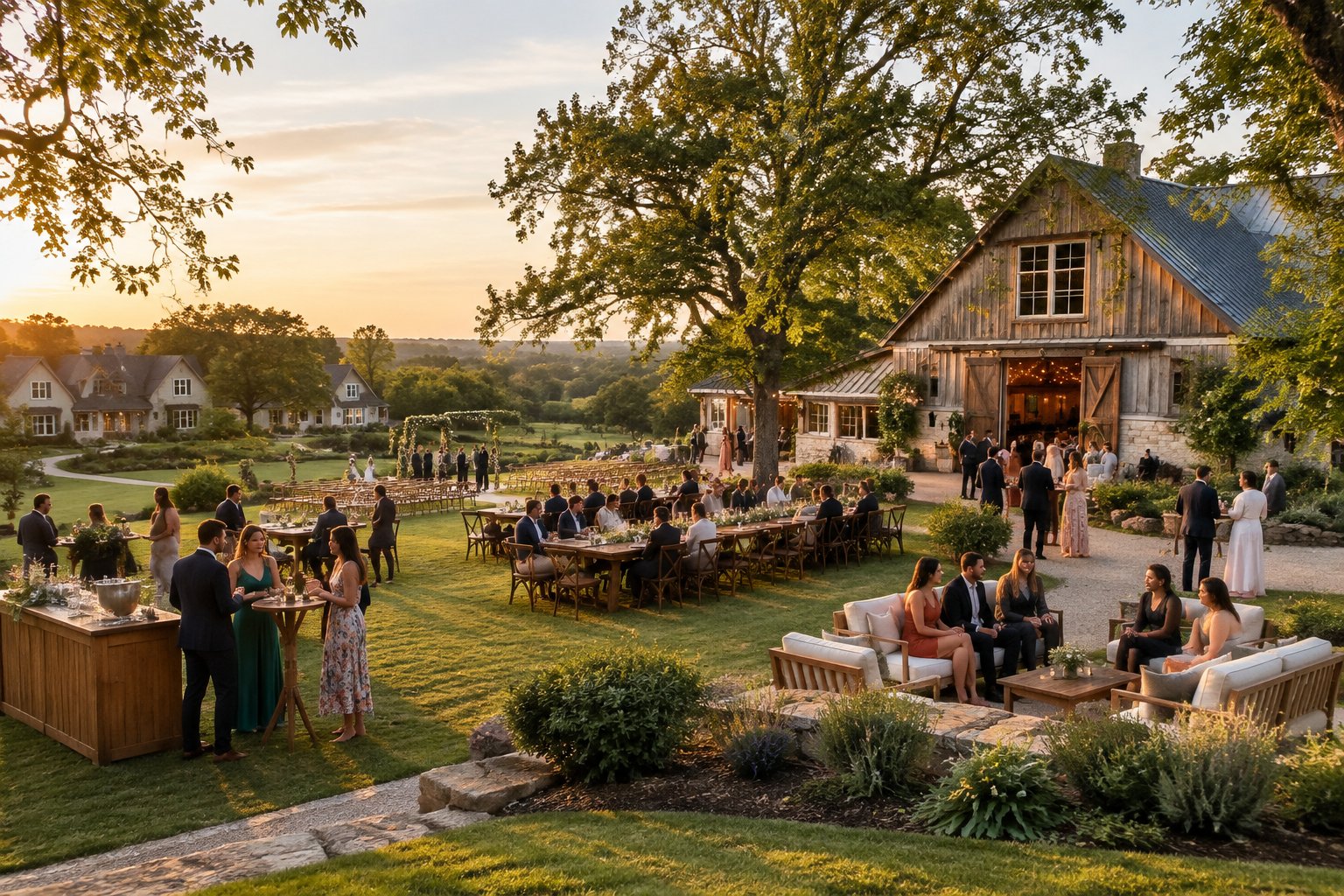
A barn wedding venue suits a relaxed celebration with open lawns, farm views, and flexible décor. Farms and retreats often provide room for welcome dinners, ceremonies, firepits, and outdoor activities.
Check restroom access, parking surfaces, lighting, heating, cooling, and accessibility. Rural settings also require careful review of noise limits, power supply, cellular service, and vendor travel fees.
Intimate Properties for Elopements and Small Guest Lists
Small properties create a close setting for an intimate wedding, elopements, and gatherings with immediate family. A house, inn, or small lodge may provide enough rooms and shared areas for everyone to connect.
Confirm the comfortable guest count for seated meals and sleeping arrangements. For a smaller celebration, look for a dining room, private outdoor area, getting-ready space, and a quiet bedroom for the couple.
MUSE-style properties can appeal to couples who want design-led spaces with a personal, residential feel. Ask how the property handles amplified music, outside catering, and photography access.
How Much Do Multi-Day Venue Packages Cost?
Multi-day packages can range from several thousand dollars for a small private property to tens of thousands for a large estate, resort, or destination location. Your final price depends on guest count, number of nights, season, lodging, event spaces, and included services.
Compare the complete weekend price with the cost of a one-day rental plus hotels, transportation, rehearsal meals, and brunch. Ask every venue to separate the rental fee from food, lodging, taxes, service charges, and optional upgrades.
What Is Typically Included in a Weekend Buyout
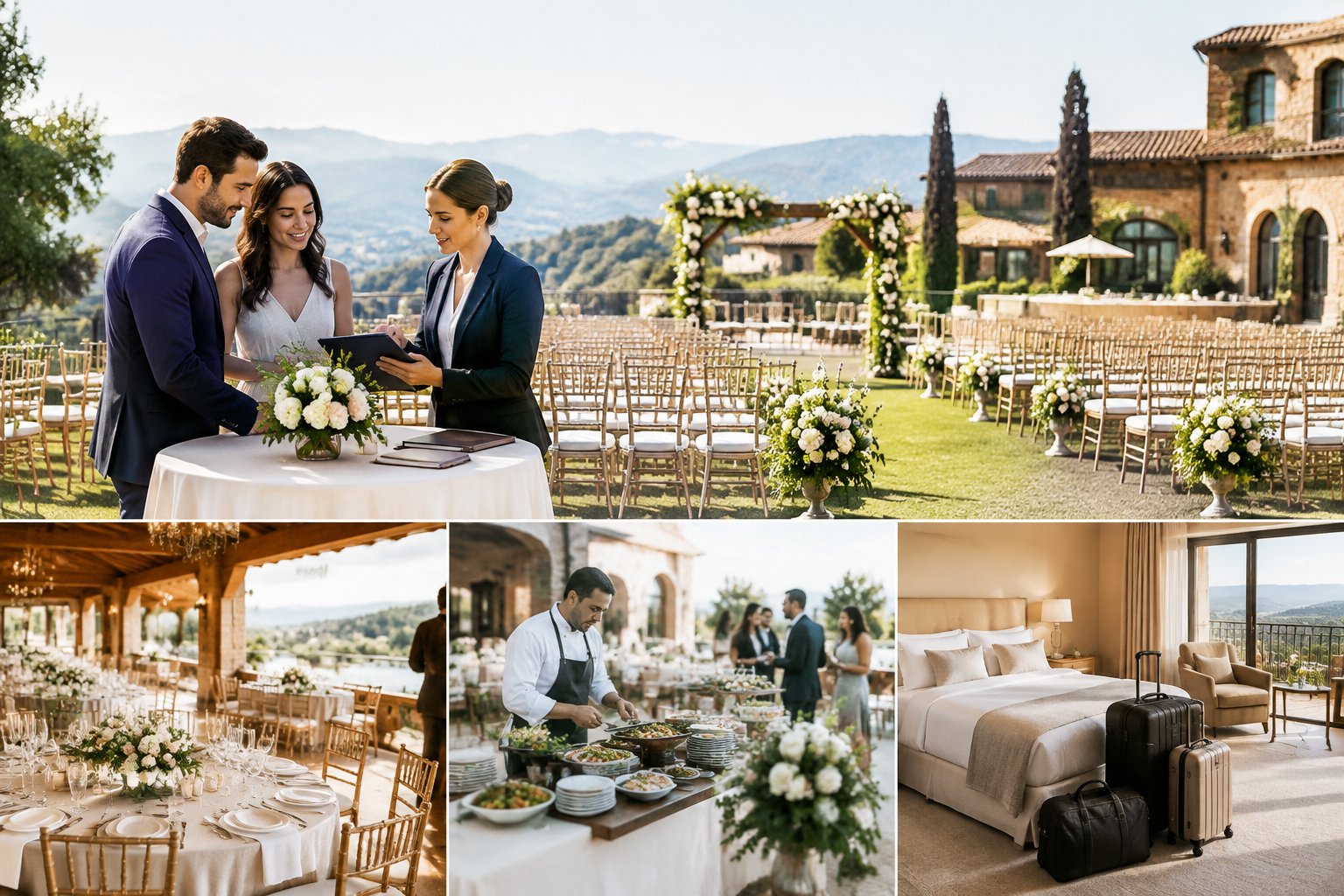
A buyout may include private property access, two or three nights of lodging, ceremony and reception areas, tables, chairs, basic setup, cleaning, and an event coordinator. Some packages also include breakfast, linens, catering, bar service, or a preferred vendor list.
Request an itemized proposal. Confirm the number of rooms, usable hours, furniture, lighting, setup labor, teardown labor, security, insurance, and taxes.
Comparing Per-Guest Value With a One-Day Wedding
Divide the total venue package by the number of guests who benefit from lodging and shared events. Then compare that figure with a one-day venue rental plus hotel rooms, welcome meals, shuttles, rehearsal dinner costs, and brunch.
A weekend package can offer strong value when many guests stay onsite and several meals use the same kitchen or catering team. A one-day venue may fit better when most guests live nearby or prefer to arrange their own lodging.
You can also compare affordable wedding venues you can stay with traditional reception spaces to see how lodging changes the budget.
Budget Items Couples Often Miss
Add costs for:
-
Extra nights or early check-in
-
Tent, heaters, fans, or rain flooring
-
Shuttle service and parking attendants
-
Vendor lodging and travel
-
Corkage, cake-cutting, or outside-vendor fees
-
Generator power, restroom trailers, and lighting
-
Welcome party and brunch food
-
Cleaning, damage deposits, taxes, and service charges
Ask when overtime begins and who pays for setup or cleanup that runs beyond the rental window. Put every promised inclusion in the contract.
Where Can You Host a Memorable Wedding Getaway?
Choose a location that balances scenery with guest travel, lodging supply, local activities, and vendor access. A destination wedding feels more welcoming when guests can reach the property without several connections or long ground transfers.
Your location also affects the season, attire, menu, transportation budget, and backup plan. Check airport routes, road conditions, nearby hospitals, grocery stores, and weather patterns before choosing a remote property.
New York and the Catskills
New York offers city access, Hudson Valley estates, lakefront properties, and Catskills retreats. The Catskills work well for couples who want cabins, forests, mountain views, and a relaxed weekend atmosphere within reach of major airports.
Check fall demand, winter road access, heating, indoor capacity, and lodging distances. If guests arrive from different states, compare the drive from New York City airports with train and shuttle options.
Tuscany and Other International Destinations
Tuscany suits couples who want villas, historic architecture, long outdoor meals, and a strong food-and-wine setting. Other international destinations can offer beaches, cultural experiences, or distinctive landscapes.
Give guests more planning support for passport rules, currency, travel insurance, local customs, language, and transportation. Build arrival time into the itinerary so guests can recover before the welcome event.
Choosing a Location Around Guest Travel
Start with your guest map. Count how many people need flights, rental cars, shuttles, or accessible rooms, then compare the total travel burden with the venue’s setting.
Send guests airport options, estimated transfer times, hotel choices, and transportation deadlines before they book. A scenic location works best when guests have clear routes and enough time to arrive comfortably.
For more destination planning ideas, explore which place is best for a destination wedding.
Questions to Ask Before You Sign the Contract
Before booking a wedding venue, get written answers about access hours, vendor rules, food service, weather plans, accessibility, lodging, and costs. A weekend contract needs more detail than a single-day rental because every arrival, event, overnight stay, and departure affects the experience.
Bring your draft itinerary and guest count to the venue conversation. Ask the coordinator to explain how the property works from load-in through checkout.
Rental Hours, Setup Access, and Noise Rules
Ask:
-
When can you enter for setup?
-
When must vendors arrive and leave?
-
Does the rental include Friday and Sunday access?
-
When do guests check in and out?
-
What time must amplified music end?
-
Are after-parties allowed?
-
Who handles cleanup and trash removal?
Confirm whether rehearsal access, early deliveries, and next-day brunch require extra fees. Write exact times into the contract.
Vendor Policies, Catering, and Bar Requirements
Ask whether you can choose outside caterers, bartenders, planners, florists, DJs, photographers, and rental companies. Confirm preferred-vendor requirements, outside-vendor fees, insurance rules, kitchen access, and delivery windows.
Clarify food and beverage minimums, staffing charges, corkage, cake service, bar packages, gratuity, and sales tax. If the venue supplies alcohol, ask about licensing and what happens to unopened bottles.
Weather Plans, Accessibility, and Overnight Logistics
Identify the indoor backup for every outdoor event and confirm its capacity, furniture, lighting, heating, and decision deadline. A rain plan should be ready before the forecast becomes a concern.
Walk through ramps, pathways, restrooms, guest rooms, parking, and shuttle access with mobility needs in mind. Confirm emergency contacts, overnight security, fire procedures, quiet hours, luggage storage, and checkout responsibilities before signing.