
Garden Wedding Venues in the US: Top Places to Say I Do
Garden wedding venues in the US give you a beautiful setting for an outdoor ceremony, an intimate wedding, a destination wedding, or an elopement. For the widest choice of scenery and event styles, start with a botanical garden or historic estate that offers dedicated ceremony spaces, a weather backup, and clear package details. You can choose from rose-filled paths, formal gardens, conservatories, water features, and private courtyards across the country.
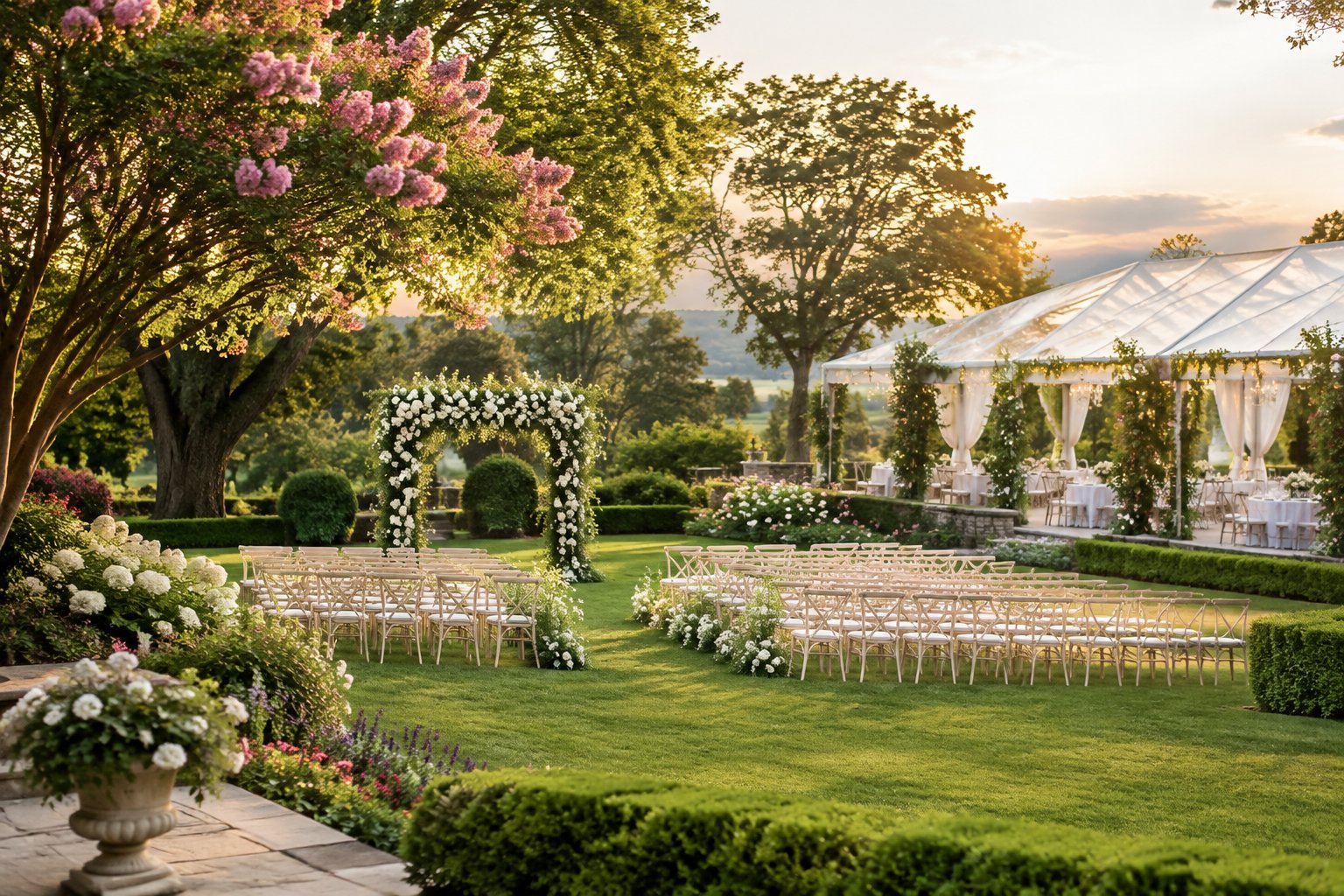
Your venue sets the mood, guest experience, photo locations, and much of your budget. Before you fall in love with a date, compare the garden’s season, guest capacity, vendor rules, accessibility, and rain plan. When you find a setting that fits, schedule a tour and request a complete event estimate.
Best Garden Settings for Your Wedding Style
The best garden setting matches the scale and feeling you want, from a grand botanical garden wedding to a quiet ceremony beneath a wisteria arbor. Look closely at the landscape, available indoor spaces, guest paths, and lighting after sunset.
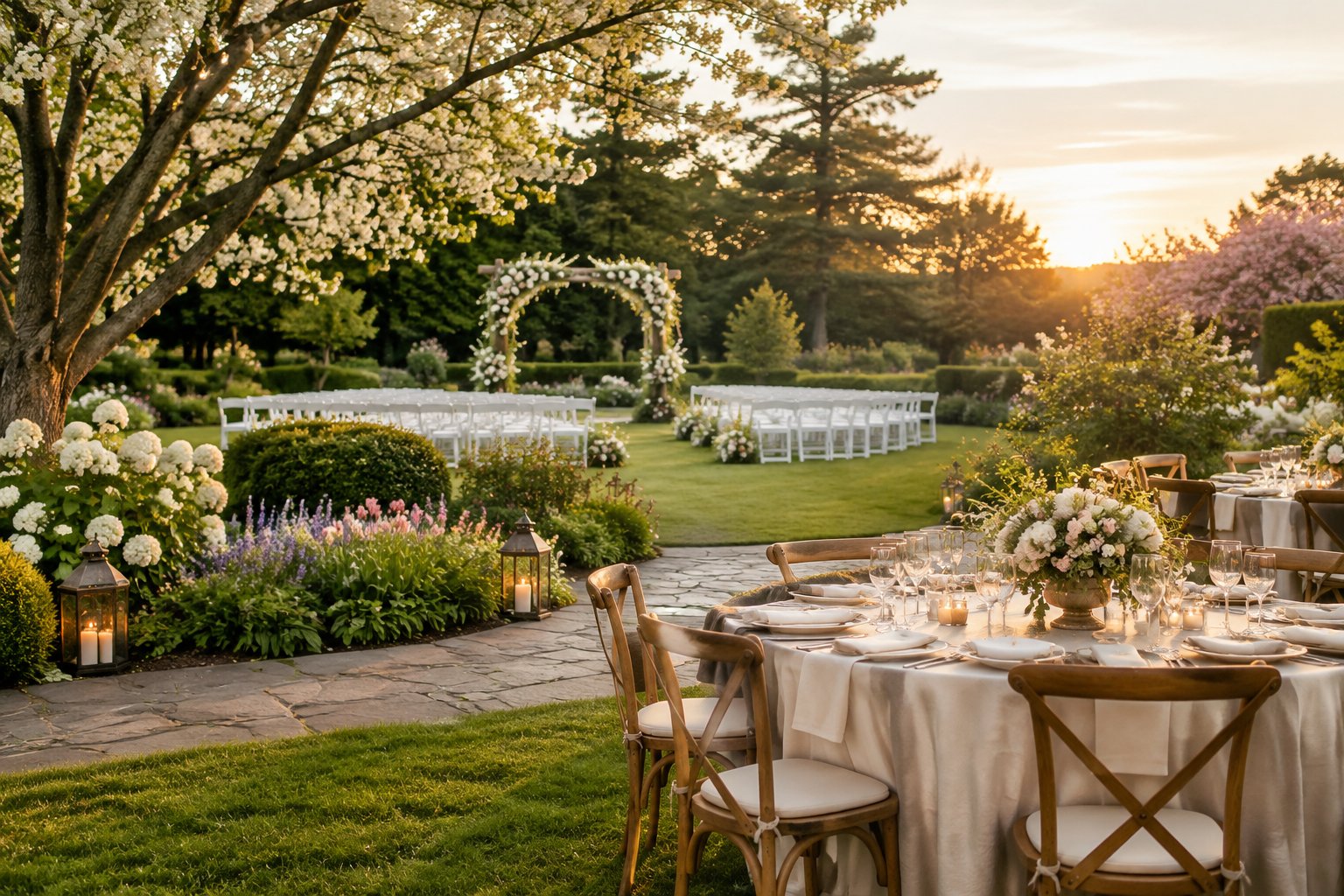
Botanical Gardens and Historic Estates
A botanical garden gives you changing plant collections, curated paths, and several ceremony backdrops in one location. Historic estates add architecture, lawns, terraces, and a strong sense of place.
The New York Botanical Garden, Filoli Historic House & Garden, and Paine Art Center and Gardens show how gardens and historic buildings can work together. Ask whether your rental includes private access to specific garden areas, a getting-ready room, tables and chairs, setup time, and cleanup.
A large garden suits a formal celebration with many guests. For a smaller gathering, choose a venue with a defined ceremony lawn or courtyard so your event feels warm and connected.
Rose Gardens, Formal Gardens, and Secret Gardens
Rose gardens suit romantic ceremonies with a clear floral theme. Formal gardens bring structure through clipped hedges, symmetrical paths, fountains, and wide lawns. A secret garden creates a private atmosphere with enclosed walls, mature trees, and winding paths.
Check the expected bloom period before you book. Flowers respond to local weather, so ask the venue which areas look their best during your planned month. A garden with strong greenery and architectural features will still provide a beautiful setting if one flower display finishes early.
Japanese Gardens, Koi Ponds, and Water Features
Japanese gardens create a calm setting through bridges, stone paths, koi ponds, waterfalls, lanterns, and carefully placed plants. A reflecting pool gives you a clean, elegant backdrop for vows and portraits.
These venues often have narrow paths or quiet areas designed for small groups. Confirm where guests may stand, whether amplified music is allowed, and how the ceremony setup will protect delicate landscape features. Keep décor light so the garden’s lines, water, and textures remain visible.
Conservatories, Greenhouses, and Tropical Spaces
A glass-walled conservatory or Victorian greenhouse gives you an indoor setting filled with natural light and plants. A tropical garden, tropical forest, or tropical conservatory brings lush foliage and exotic plants to your ceremony in any season.
Desert gardens offer sculptural plants, warm colors, and open skies. Sunken gardens create a dramatic, enclosed ceremony space, while mountain views add a strong outdoor backdrop. Ask about ventilation, temperature control, rain coverage, and evening lighting before choosing a greenhouse or conservatory.
Standout Venues by U.S. Region
The United States gives you garden wedding choices in major cities, historic towns, mountain regions, and coastal areas. Compare each venue’s landscape, travel access, event capacity, and seasonal strengths before narrowing your list.
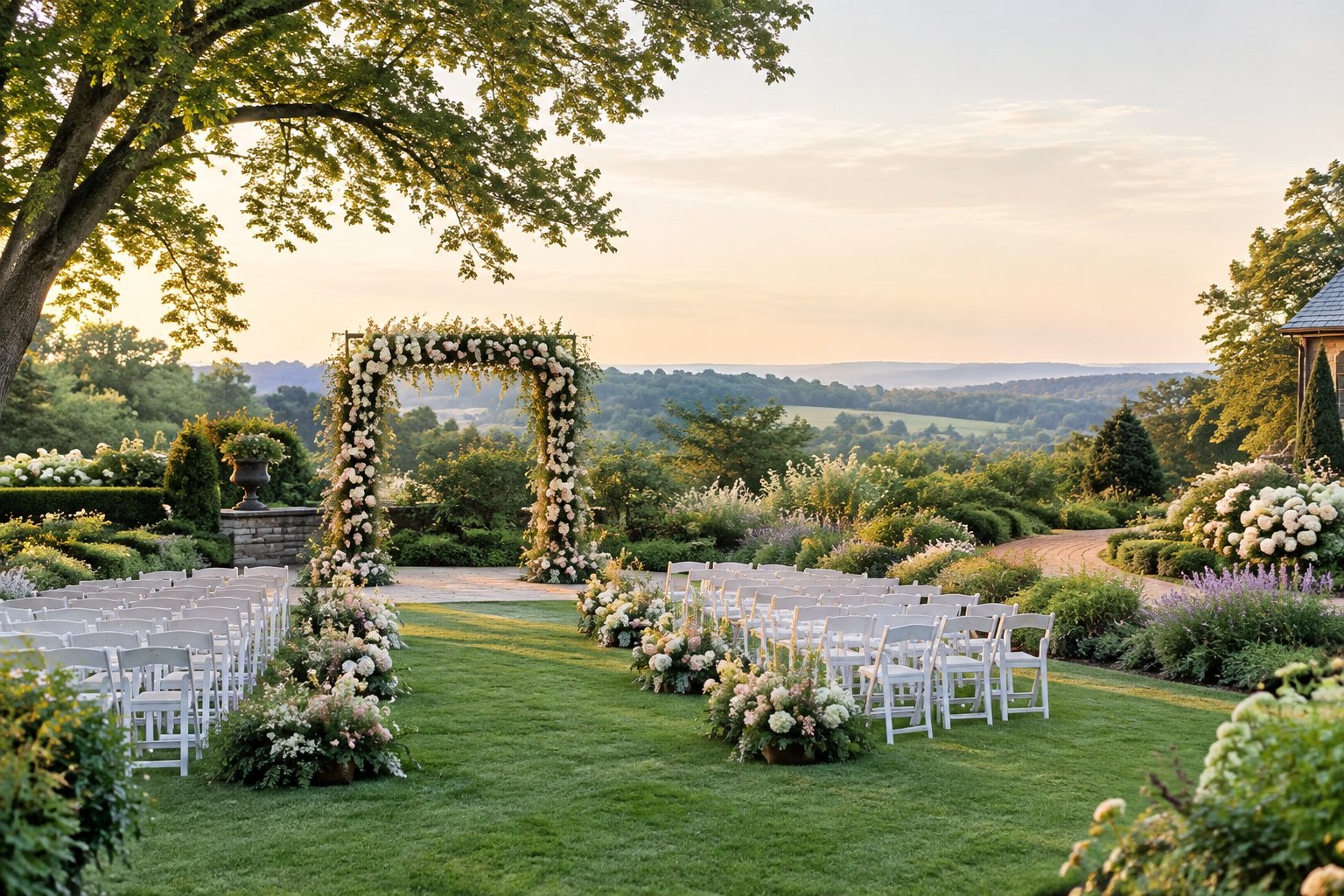
Northeast: Iconic Gardens in New York and Massachusetts
The New York Botanical Garden in the Bronx, New York, offers a broad range of plant collections and formal landscapes. Brooklyn Botanic Garden in Brooklyn, New York, brings a city setting with carefully designed garden spaces. Stone Mill adds historic character near garden surroundings.
In Massachusetts, Tower Hill Botanic Garden combines gardens, wooded areas, and scenic grounds for couples who want a nature-focused celebration. Ask each venue which spaces are private, how public access affects your event, and whether your reception must end by a set time.
Midwest: Conservatories and Estate Grounds
The Chicago Botanic Garden offers polished landscapes and distinct garden areas near Chicago, Illinois. Garfield Park Conservatory in Chicago, Illinois, gives you a plant-filled indoor setting with strong architectural detail.
Paine Art Center and Gardens in Oshkosh, Wisconsin, pairs historic design with landscaped grounds. These Midwest venues suit couples who want a refined garden look with practical indoor options. Confirm heating, air conditioning, parking, accessibility, and the distance between ceremony and reception spaces.
South: Lush Gardens From Georgia to Tennessee
Cheekwood Estate & Gardens in Nashville, Tennessee, combines estate architecture with landscaped grounds and seasonal plant displays. Atlanta Botanical Garden in Atlanta, Georgia, offers lush garden spaces in a major Southern city. Dunaway Gardens brings a more secluded atmosphere, while Huntsville Botanical Garden offers varied plant collections and outdoor event areas.
Southern venues give you long growing seasons, yet summer heat and storms require careful planning. Ask about shaded guest seating, cooling options, sunset timing, and an indoor or tented backup.
West: California, Colorado, and Pacific Northwest Escapes
Denver Botanic Gardens gives you a high-altitude garden setting with seasonal interest and city access. Filoli Historic House & Garden in California combines a historic house with formal gardens. Franciscan Gardens in San Juan Capistrano, California, offers an intimate historic atmosphere.
The Conservatory of Flowers brings a distinctive greenhouse setting in San Francisco. Portland Japanese Garden offers tranquil landscape design and Pacific Northwest greenery. Bella Luna Farms and Planterra Conservatory provide private, plant-rich settings for couples seeking a more dedicated event venue. Check travel time, lodging, weather patterns, and sound rules for each location.
How to Choose the Right Venue for Your Guest List and Budget
Choose among garden wedding venues in the US by matching your guest count to the usable event space, then compare the complete cost of the venue package. A beautiful garden becomes a poor fit when guests cannot move comfortably or essential rentals appear as surprise charges.

What Is Included in a Garden Venue Package?
A package might include the ceremony site, reception area, tables, chairs, linens, lighting, parking, security, and a venue coordinator. Catering, bar service, tenting, restrooms, setup, cleanup, and insurance can carry separate fees.
Request an itemized proposal with taxes, service charges, overtime, corkage, cake cutting, and required vendors. Ask whether the venue provides a rain plan or only gives you permission to arrange one. If you are comparing Wedgewood Weddings with a botanical garden or estate, place the same requested services into each estimate so the totals are easier to compare.
When Does an All-Inclusive Venue Make Sense?
An all-inclusive venue suits you when you want fewer vendor decisions, a clear planning process, and several services handled by one team. It works well for destination weddings, busy couples, and celebrations with a fixed budget.
Review the package before assuming every detail is covered. Check menu choices, bar hours, rental upgrades, décor limits, coordination duties, and the cancellation policy. A venue with fewer included services might fit better if you already have preferred vendors or want a highly custom design.
How to Compare Capacity, Accessibility, and Vendor Policies
Start with your estimated guest count and allow space for dining, dancing, buffet lines, restrooms, and staff movement. Walk the full route from parking to ceremony, reception, and restrooms. Note slopes, gravel, steps, narrow paths, shuttle needs, and seating options for guests who cannot stand for long periods.
Ask about outside caterers, alcohol service, candles, amplified music, pets, photography areas, floral installations, and décor attachment methods. Confirm the event end time and the required breakdown schedule. These rules shape your design and final budget.
When Should You Book a Garden Celebration?
Reserve a popular garden wedding 12 to 18 months ahead for a peak-season Saturday, especially when you want a specific bloom period or a large guest list. Flexible couples can find more choices by considering a Friday, Sunday, weekday, or off-season date.
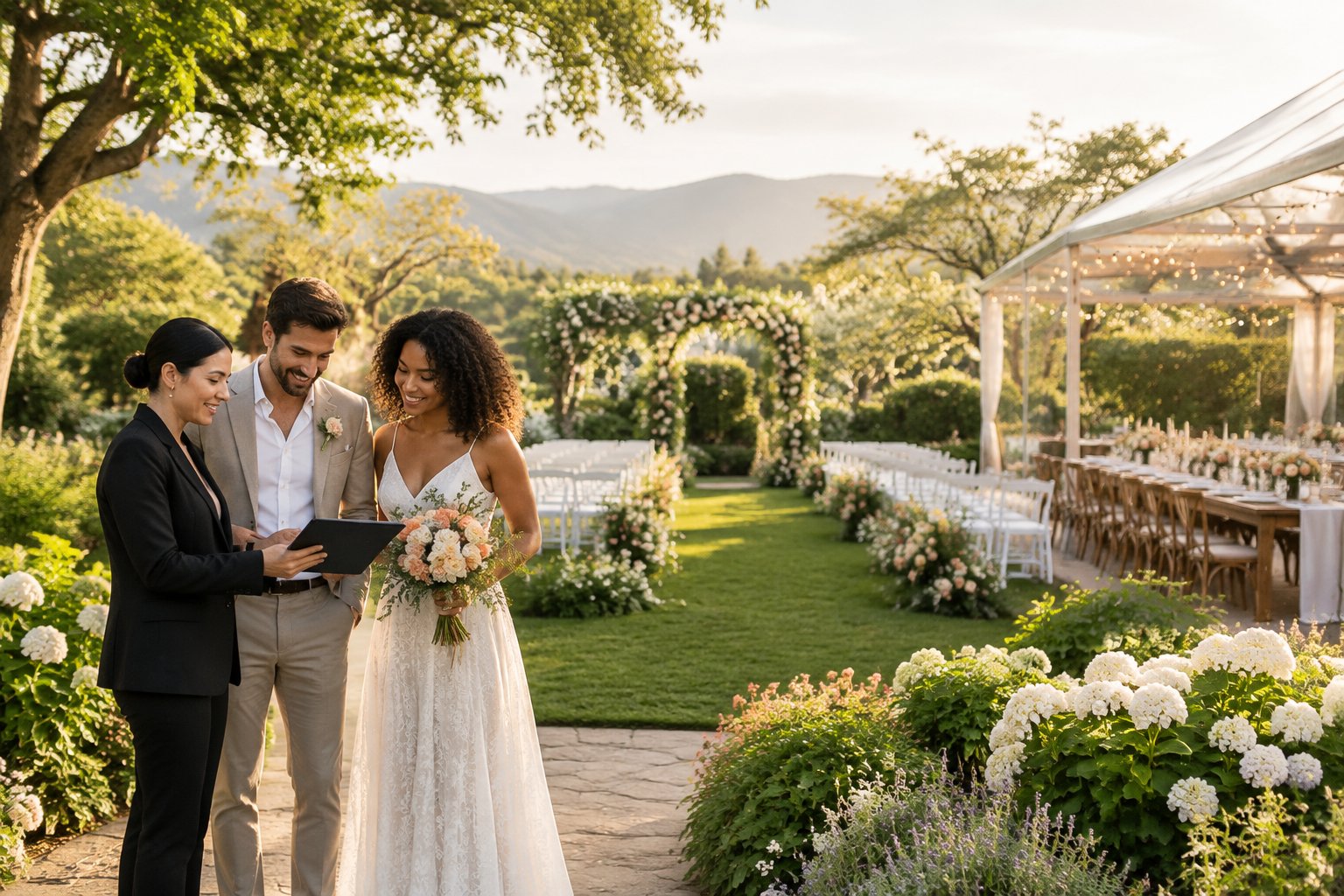
Best Seasons for Blooms and Comfortable Weather
Late spring and early fall suit many regions because gardens have strong seasonal color and outdoor temperatures are easier for guests. Spring can bring peonies, tulips, roses, and wisteria. Early fall brings dahlias, grasses, berries, and rich foliage.
Your local climate changes the best date. Southern gardens can offer lush scenery in spring and fall, while Colorado gardens have a shorter outdoor season. California and some Pacific Northwest venues provide more flexible weather windows. Ask for photos from your exact month and a bloom calendar from the venue’s horticulture team.
How to Plan for Rain, Heat, Wind, and Early Sunsets
Build your weather plan into the contract and budget before you book. Confirm whether the venue provides an indoor room, covered terrace, tent location, fans, heaters, umbrellas, flooring, or generators.
For heat, provide shade, water stations, and a shorter ceremony. For wind, secure signage, florals, programs, and table décor. For rain, plan guest movement under cover and protect sound equipment. Check sunset time so your ceremony, portraits, dinner, and lighting schedule work together.
When to Reserve Popular Gardens and Peak Dates
Begin venue research 15 to 24 months ahead when you want a high-demand garden, peak bloom weekend, or destination wedding. Six to 12 months gives you a workable window for many public gardens when your date is flexible.
A short timeline still gives you options. Ask about Friday and Sunday dates, weekday availability, cancellations, and off-season rates. Reserve your ceremony and reception space before booking vendors whose work depends on the date and location.
Make the Most of an Outdoor Garden Venue
A successful garden wedding uses the landscape as part of the guest journey, with clear movement between ceremony, cocktails, dinner, and dancing. Keep the layout easy to follow and add comfort features where the garden creates practical challenges.
Creating a Ceremony and Reception Flow
Place the ceremony near the arrival point when possible, then guide guests toward cocktails and the reception with signs or visible pathways. Give your photographer time for portraits while guests enjoy drinks and appetizers.
Create a simple site plan showing parking, restrooms, seating, shade, bars, dining tables, the dance floor, and the weather backup. Share it with your coordinator, caterer, rental company, and transportation team.
Using Natural Scenery Without Overdecorating
Let mature trees, flower beds, fountains, walls, and garden structures frame the ceremony. Add a focused installation such as an asymmetric arch, aisle markers, or low table flowers that support the setting.
Choose colors that work with the season and existing landscape. Use lighting to define paths and dining areas after sunset. Review venue rules before attaching décor to trees, walls, or historic structures.
Planning a Comfortable Guest Experience
Tell guests that they will walk across grass, gravel, or uneven paths so they can choose suitable shoes. Provide water, shade, fans, wraps, heaters, or blankets according to the forecast and season.
Place seating near the ceremony, keep restrooms easy to reach, and plan transportation for guests with mobility needs. Offer clear directions from parking and include the venue’s terrain and weather details on your wedding website.