
Garden Wedding Venues Long Island: How to Choose Yours
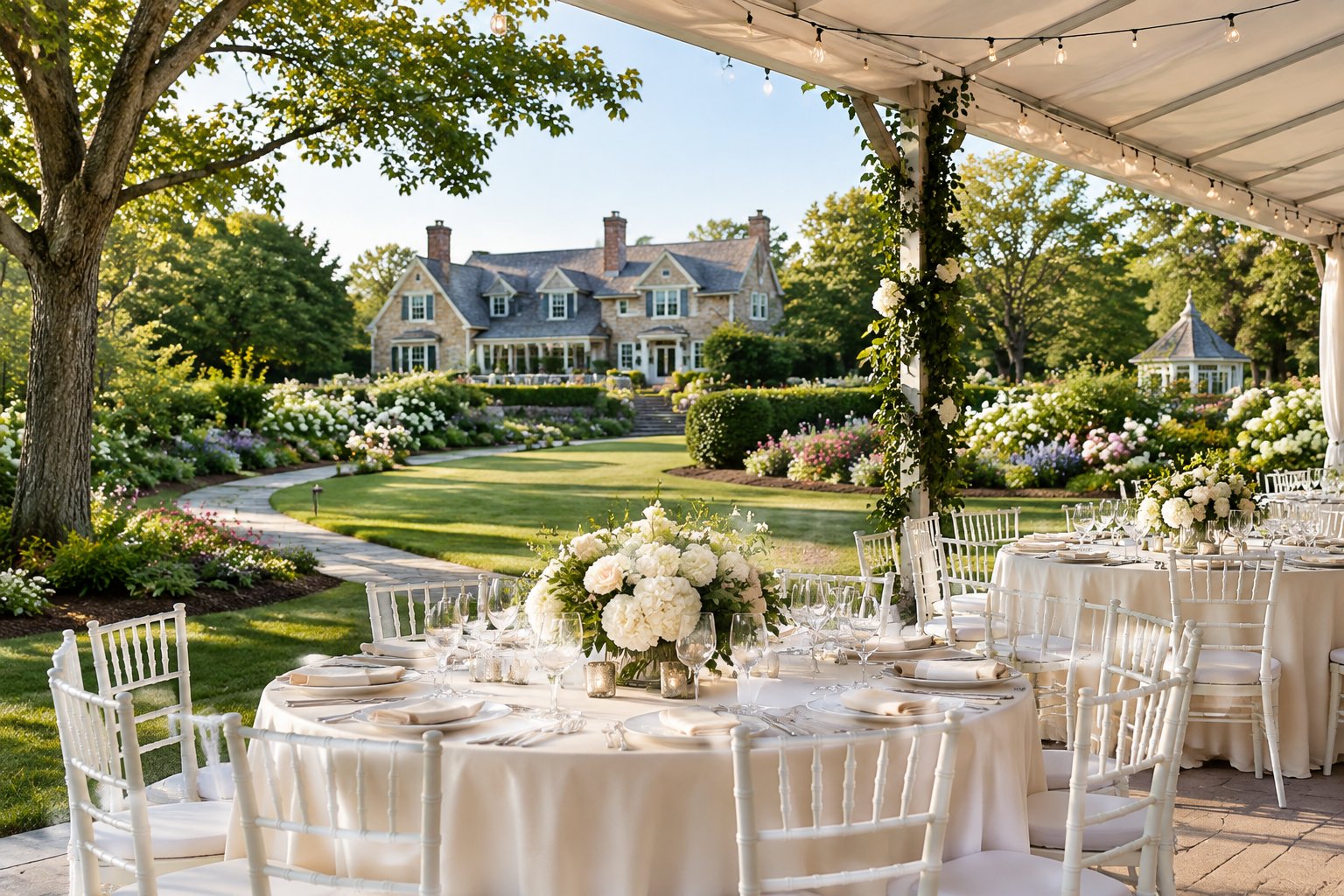
Garden weddings give you a romantic setting, natural color, and memorable outdoor photographs. For garden wedding venues Long Island couples favor, Larkfield is a strong choice for couples who want a private garden ceremony, indoor reception spaces, and an on-site banquet manager supporting the day from start to finish. Its East Northport property connects private gardens with indoor spaces, bridal suites, valet parking, and entertainment options.
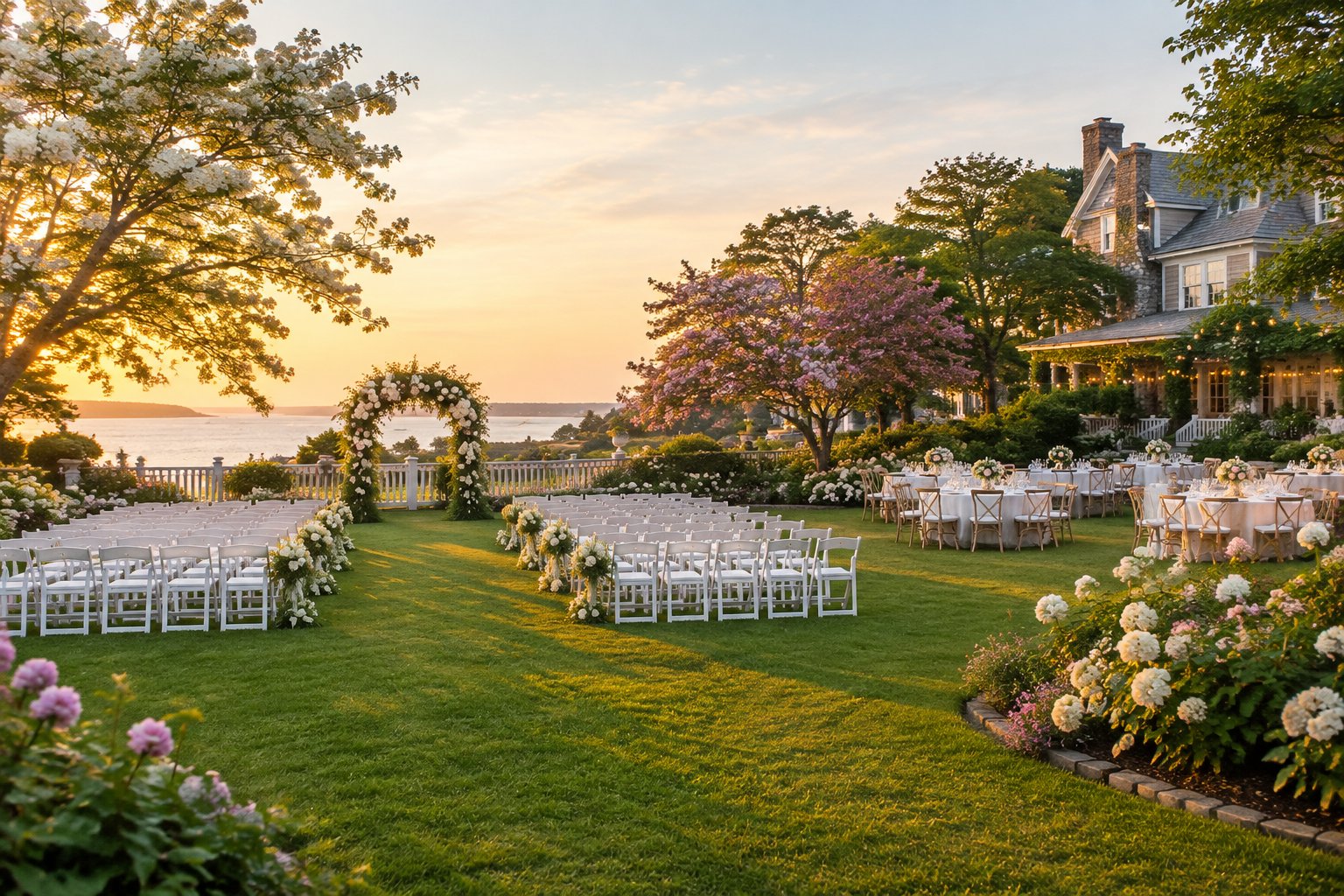
You can also find garden weddings in historic estates, country clubs, waterfront properties, farms, vineyards, and hotel event spaces. The best fit comes from matching the setting to your guest count, ceremony plans, weather needs, travel distance, and budget.
Start by deciding whether you want the garden to host only your ceremony or the full celebration. Then tour the property, ask for a detailed package, and confirm how the venue handles rain, heat, guest comfort, and transitions indoors. If Larkfield fits your vision, contact the East Northport venue to schedule a tour of its gardens and event spaces.
What to Look for in a Garden Wedding Setting
A strong garden wedding venue gives you a private ceremony area, a clear weather plan, and convenient spaces for getting ready, dining, and dancing. Look for a property where the outdoor setting connects smoothly with the rest of your wedding day.
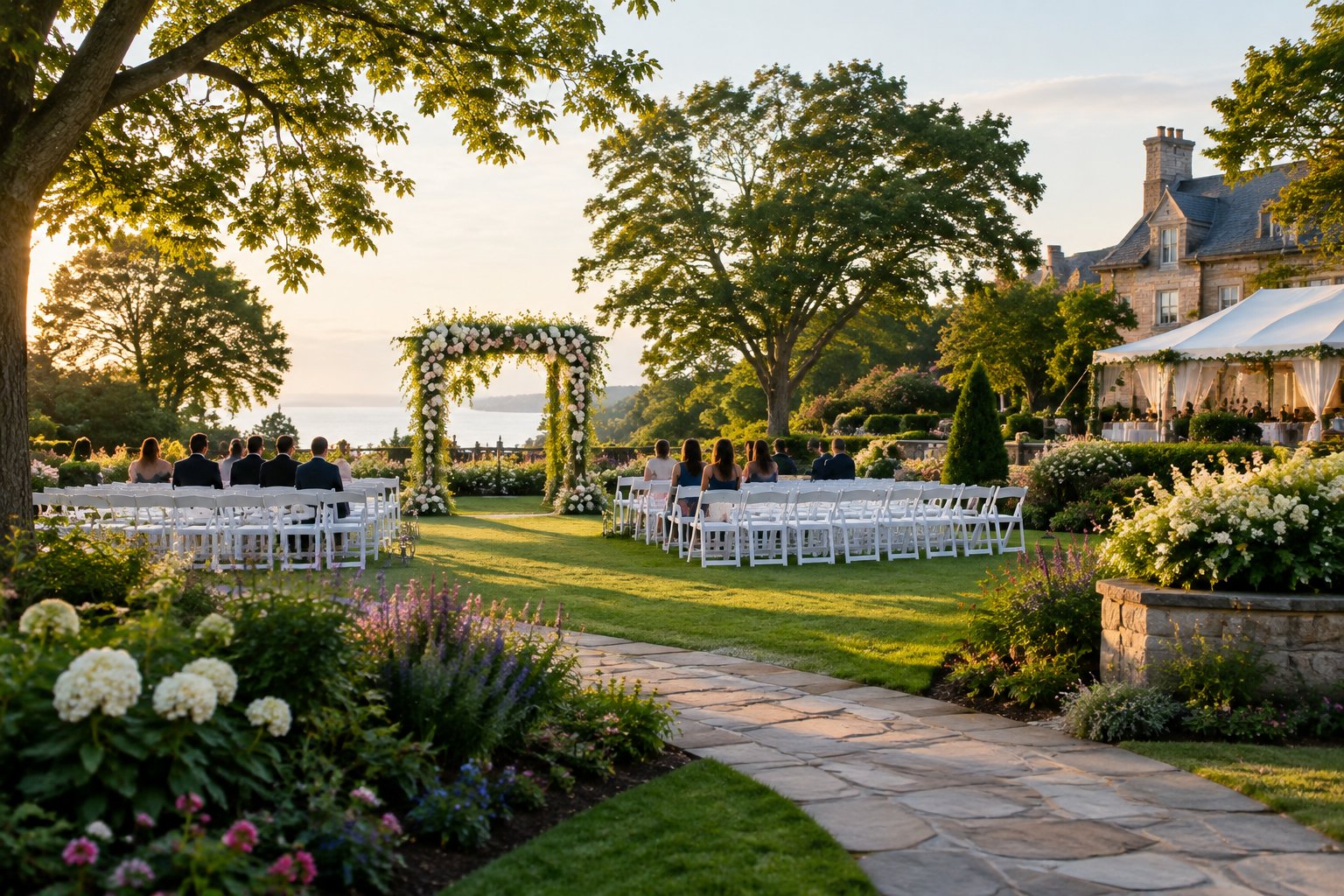
Your tour should cover the guest path from arrival through the ceremony, cocktail hour, reception, and departure. Pay attention to shade, walking surfaces, restrooms, parking, sound equipment, and the distance between the garden and indoor rooms.
Is the Garden Private and Available for Your Ceremony?
Ask whether the garden is reserved exclusively for your wedding and whether another event will share the property. A private space gives you more control over the ceremony layout, photographs, music, and guest movement.
Confirm the garden’s seating capacity, ceremony hours, permitted décor, and access for vendors. Ask whether the space has a permanent arbor, power outlets, lighting, and a nearby indoor room for cocktail hour.
Larkfield’s private gardens accommodate up to 250 guests and connect with indoor event spaces on the same property. That setup keeps your ceremony, reception, and photography in one location.
What Is the Rain and Heat Backup Plan?
A complete weather plan should name the backup room, transition process, timing, and added fees. Ask whether the venue moves the ceremony indoors, uses a covered structure, or provides another outdoor option.
For hot weather, check the amount of shade, seating comfort, water access, fans, and air-conditioned areas. For rain, ask when the decision is made and who moves chairs, arches, florals, and sound equipment.
You should also ask whether the backup room can hold your full guest list with the same reception layout. A smaller backup space can affect dining, dancing, décor, and photography.
Which On-Site Features Make the Day Easier?
Prioritize features that reduce travel and vendor coordination. Bridal suites, a banquet manager, on-site catering, restrooms near the garden, valet parking, and indoor event spaces can simplify your timeline.
Ask whether the venue includes tables, chairs, linens, lighting, sound, setup, cleanup, and a wedding-day attendant. Confirm whether your florist, photographer, band, and transportation team can access the property during the times you need.
A waterfront chapel, garden arbor, or scenic lawn can add character, while a well-run indoor room protects the reception from changing conditions. Choose features that serve your guests and schedule, not only the ceremony photos.
Garden Venue Styles to Match Your Wedding Vision
Your preferred design style can guide you toward the right Long Island wedding venue. Formal gardens suit mansion weddings, open lawns pair well with country club weddings, and vineyard or farm settings support relaxed outdoor celebrations.
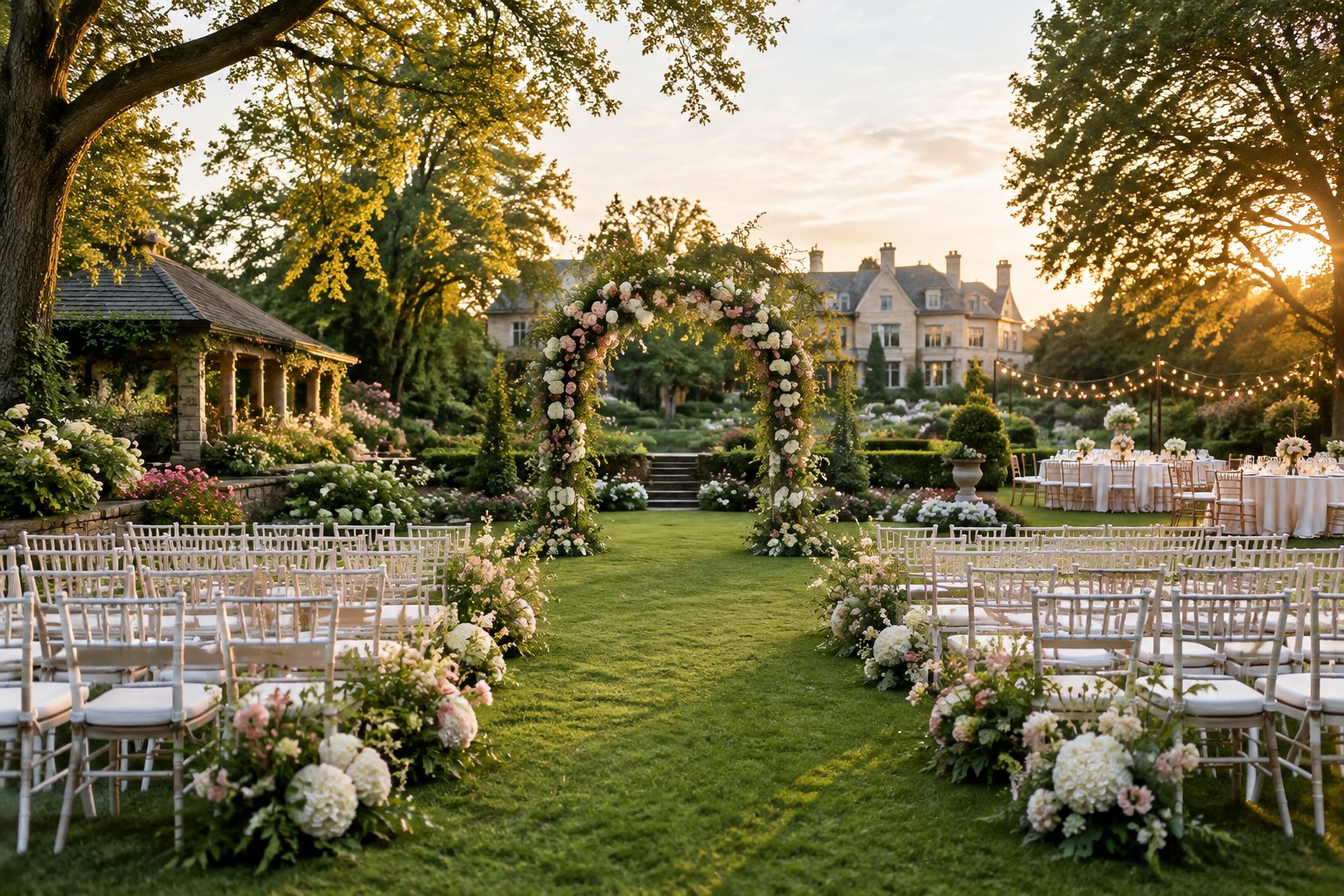
Long Island also gives you waterfront weddings, beach weddings, hotel weddings, restaurant weddings, rooftop weddings, church and temple weddings, museum weddings, boat weddings, park and outdoor weddings, and banquet halls. Each style changes the guest experience, décor needs, travel plan, and weather exposure.
Estate Gardens and Historic Mansions
A historic wedding venue gives you formal architecture, mature landscaping, and strong visual character. Mansion weddings work well when you want grand entrances, elegant portraits, manicured lawns, and an indoor reception with period details.
Ask whether the garden is protected, exclusive to your event, and suitable for your guest count. Some estates place the ceremony on a lawn or terrace while the reception takes place inside the mansion or a separate ballroom.
Properties such as Bourne Mansion, The Mansion at Oyster Bay, and Chateau at Coindre Hall show how historic buildings can pair with gardens, waterfront grounds, or landscaped ceremony areas.
Country Clubs and Landscaped Grounds
A country club wedding venue often combines maintained lawns with full-service catering, parking, indoor ballrooms, and staff experienced with large receptions. This style suits you if you want outdoor scenery with a structured event flow.
Golf-course views create wide backgrounds for photographs, while courtyards, fountains, and terraces offer closer ceremony settings. Ask about privacy, golf activity, cart traffic, and the route guests take between outdoor and indoor areas.
Crest Hollow Country Club, The Muttontown Club, Harbor Links, and Nissequogue Golf Club represent different ways to pair landscaped grounds with reception services.
Waterfront Gardens and Beachfront Lawns
Waterfront weddings bring open views, sunset light, and a coastal feel to garden-style celebrations. A lawn beside Long Island Sound, the Great South Bay, or a marina can provide a natural ceremony backdrop with an indoor room close by.
Ask about wind, sun exposure, tides, mosquitoes, sound limits, and the distance from the ceremony area to restrooms. Beach weddings also require clear plans for footwear, accessibility, seating, and weather changes.
Sea Cliff Manor, The Crescent Beach Club, The Piermont, and Windows on the Lake offer examples of coastal settings with outdoor ceremony potential and indoor reception options.
East End Gardens, Farms, and Wine Country
The North Fork and East End give you vineyard rows, farm fields, rustic barns, orchards, and open-air courtyards. These settings suit garden weddings with seasonal flowers, farm-style menus, relaxed décor, and a weekend-away feel.
Vineyards and farms require careful questions about tenting, power, restrooms, parking, catering access, and rain coverage. Ask whether the site provides these services or expects you to bring outside rentals.
East Wind Long Island, Giorgio’s Baiting Hollow, Peconic Bay Yacht Club, and The Watermill offer different approaches to outdoor celebrations across Suffolk County and the East End.
Notable Garden-Friendly Venues Across Long Island
Long Island’s garden-friendly venues range from North Shore estates to South Shore waterfront properties and North Fork vineyards. Grouping options by region helps you compare travel time, scenery, guest capacity, and event style.
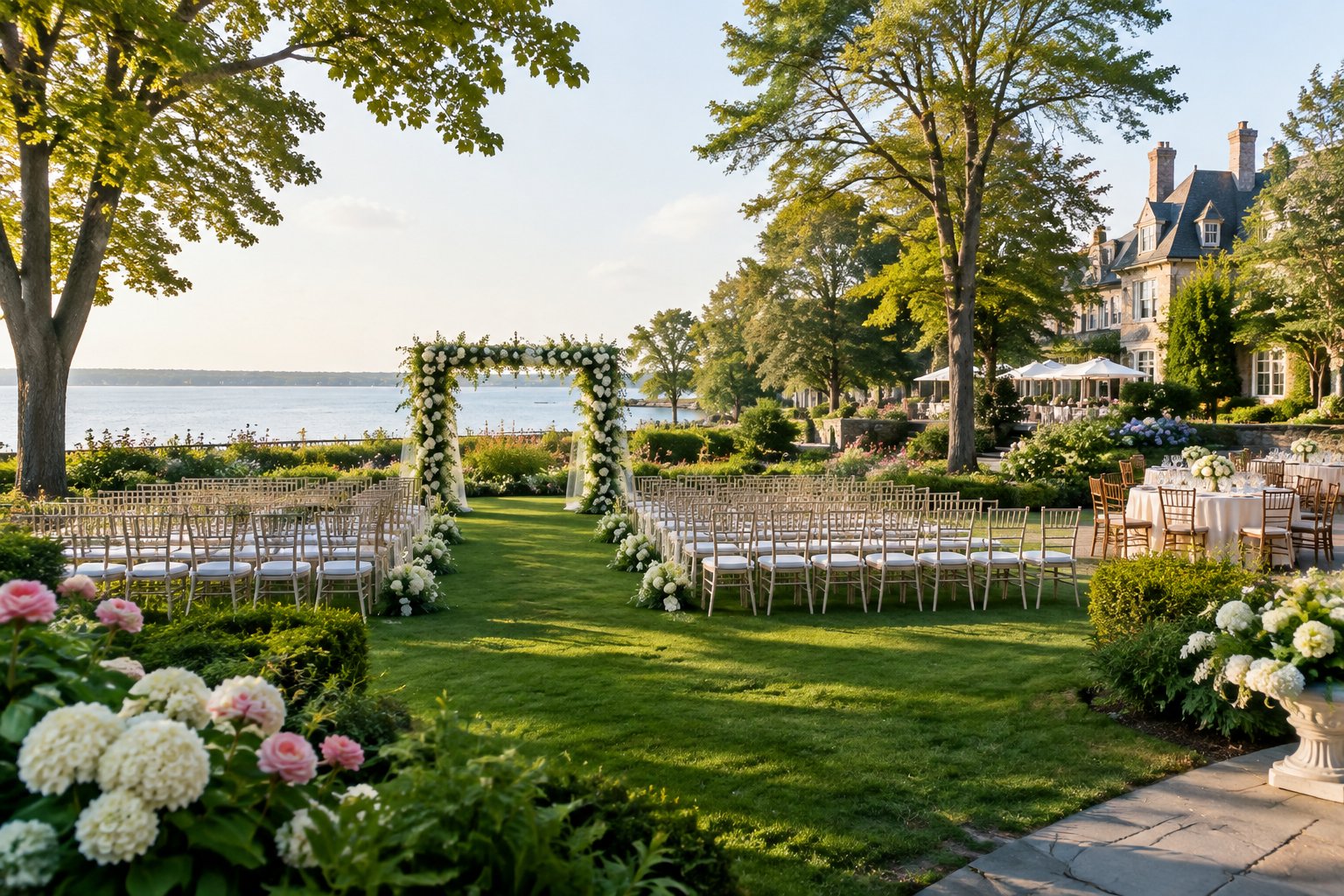
Use this list as a starting point for your shortlist. Confirm current availability, guest limits, package details, ceremony rules, and weather policies directly with each venue.
North Shore and Gold Coast Properties
The North Shore and Gold Coast are known for estates, harbor views, mature trees, and formal architecture. Sea Cliff Manor provides an elevated coastal setting, while Swan Club on the Harbor combines harbor scenery with gardens and outdoor ceremony areas.
Other options include The Muttontown Club, Opus, The Crescent Beach Club, The Mansion at Glen Cove, and The Village Club at Lake Success. Larkfield in East Northport brings Tuscan-inspired architecture, private gardens, courtyards, and indoor spaces together on one property.
Flowerfield in St. James adds gardens, orchards, ponds, fountains, and greenhouse-style spaces. The Old Field Club offers a coastal setting with an established club atmosphere.
Nassau County Estates and Garden Venues
Nassau County gives you convenient access from Queens and western Long Island, along with estates and full-service event spaces. The Inn at New Hyde Park features landscaped gardens, an iron-wrought gazebo, bridal suites, catering, and indoor backup rooms.
The Mansion at Oyster Bay offers a Gold Coast estate atmosphere with landscaped surroundings. Crest Hollow Country Club provides large reception spaces with garden, courtyard, and poolside scenery.
Chateau at Coindre Hall brings a distinctive historic setting and waterfront parkland. Sea Cliff Manor and One10 add North Shore choices for couples comparing coastal views with indoor reception comfort.
Suffolk County Gardens and South Shore Settings
Suffolk County offers larger properties, waterfront lawns, country clubs, and gardens with more open space. The Piermont overlooks the Great South Bay, while The Mansion at West Sayville combines historic character with South Shore scenery.
Watermill Caterers offers landscaped grounds with traditional ballroom reception options. Majestic Gardens in Rocky Point pairs outdoor ceremony spaces with indoor event areas, giving you a practical garden-to-reception flow.
Other Suffolk options include Larkfield, Insignia, Nissequogue Golf Club, Riviera Waterfront Mansion, Windows on the Lake, and Pavilion at Sunken Meadow.
North Fork and East End Outdoor Options
The North Fork and East End suit vineyard weddings, farm celebrations, yacht club receptions, and open-air events. Giorgio’s Baiting Hollow offers wine-country scenery, while Peconic Bay Yacht Club brings a maritime setting to the East End.
East Wind Long Island provides event rooms, accommodations, and on-site amenities. Atlantis Banquets & Events adds a distinctive Riverhead setting, and Oceanbleu at Westhampton Bath and Tennis brings a polished Hamptons-area atmosphere.
For coastal celebrations, consider Oceanbleu, The Mansion at West Sayville, and the surrounding South Shore properties. Ask each venue about tenting, transportation, overnight stays, and seasonal access before you book.
How Much Do Garden Wedding Venues Cost on Long Island?
Garden wedding venue costs on Long Island range from smaller site rentals to full-service packages priced by guest count, menu, date, and included services. Public Long Island venue pricing commonly spans several thousand dollars for simpler spaces and $15,000 to $22,000 or more for premium properties before every added service is counted.
A venue with a higher starting price can include catering, bar service, staffing, rentals, and coordination. A lower site fee can require separate spending on those same needs. Compare the complete estimate for your guest count and date.
What Shapes Your Final Venue Price?
Your final price reflects the venue type, season, day of the week, guest count, menu, bar package, ceremony fee, and reception hours. Waterfront estates and historic properties often carry strong demand because the setting provides built-in scenery.
Ask about administrative fees, sales tax, overtime, décor upgrades, vendor fees, coat check, valet, ceremony setup, and additional bar hours. Outdoor weddings can also require tenting, heaters, fans, flooring, lighting, and power.
Your date has a major effect on the quote. A Friday, Sunday, winter, or early-spring date can create different pricing from a peak Saturday in June, July, September, or October.
What Should Be Included in a Package?
Request a written list covering the venue, ceremony space, cocktail hour, reception room, food, beverages, tables, chairs, linens, staffing, setup, cleanup, and event management. Confirm whether the banquet manager stays on-site through the full event.
Check whether bridal suites, parking, valet service, restrooms, sound equipment, lighting, and weather backup are included. Ask if the venue provides a cake-cutting service, dessert station, late-night food, children’s meals, or vendor meals.
An all-inclusive package can make planning easier when it matches your needs. You can compare it with an event space that lets you select outside vendors, provided the extra coordination and rental costs fit your budget.
How Can You Compare Quotes Fairly?
Put each venue’s quote into the same format. Use the same guest count, date type, meal style, bar service, ceremony plan, reception length, and tax assumptions.
Track these details in a spreadsheet:
-
Site or room fee
-
Per-person food cost
-
Bar package
-
Ceremony fee
-
Rentals and linens
-
Staffing and service charges
-
Administrative fee
-
Sales tax
-
Overtime
-
Weather equipment
-
Parking and transportation
Compare the estimated total, payment schedule, deposit, cancellation terms, and included services. A venue’s bridal suites, banquet manager, indoor backup, and guest amenities belong in the comparison because they affect the work and spending you take on elsewhere.
How to Tour and Compare Your Shortlist
Touring in person helps you judge the garden’s privacy, guest flow, shade, accessibility, and connection to indoor spaces. Visit at the same time of day as your planned ceremony when possible, especially if you are considering a Georgian estate in East Norwich, NY or another property with strong afternoon sun.
Ask each garden wedding venue for a sample floor plan, complete package, rain plan, and recent ceremony setup. Walk from parking to the garden, then continue to the cocktail and reception spaces so you can spot long distances or tight transitions.
Questions to Ask Before You Book
Bring these questions to every tour:
-
Is the garden private for our wedding?
-
How many guests can sit outdoors?
-
Is the ceremony space available for our date and time?
-
What indoor room serves as the weather backup?
-
Who makes the weather call, and when?
-
Are chairs, arches, microphones, and ceremony setup included?
-
What does the venue provide for heat, rain, wind, and shade?
-
Are bridal suites available for the full getting-ready period?
-
Will a banquet manager remain on-site throughout the event?
-
Which caterers, florists, rental companies, and entertainment teams are approved?
-
What fees apply to outside vendors?
-
Where do guests use the restroom during the ceremony?
-
How does the venue handle accessibility?
-
What deposit, payment schedule, cancellation, and postponement terms apply?
Request every answer in writing and attach the package to your contract before signing.
How to Plan for Guest Comfort Outdoors
Set the ceremony time around sun exposure, temperature, and wind. Provide shade or umbrellas, water, programs that stay secure, and seating with stable flooring.
Choose an accessible route for wheelchairs, walkers, and guests in formal shoes. Place restrooms close to the garden and give guests clear signs between the ceremony, cocktail hour, and reception.
Tell guests what to expect through your invitation website. A note about lawn surfaces, coastal wind, evening temperatures, or comfortable footwear helps people dress for the setting.
When Should You Reserve Your Date?
Reserve popular garden wedding venues 12 to 18 months before a peak-season Saturday when your date is fixed. You can find more flexibility for Fridays, Sundays, winter dates, or smaller guest counts.
Ask about the venue’s booking calendar, rain-date policy, and rules for moving the ceremony indoors. If you love a specific garden, place the deposit after you confirm the ceremony location, backup room, package inclusions, and final guest capacity in writing.