
Gold Wedding Band Prices: What You’ll Pay and Why
A gold wedding band usually costs $300 to $1,100 for a plain ring, while diamond accents, heavier designs, custom work, and luxury branding can push the price above $2,000. For many couples, a 14K band priced around $500 to $1,000 offers a practical balance of durability, color, and value for everyday wear.
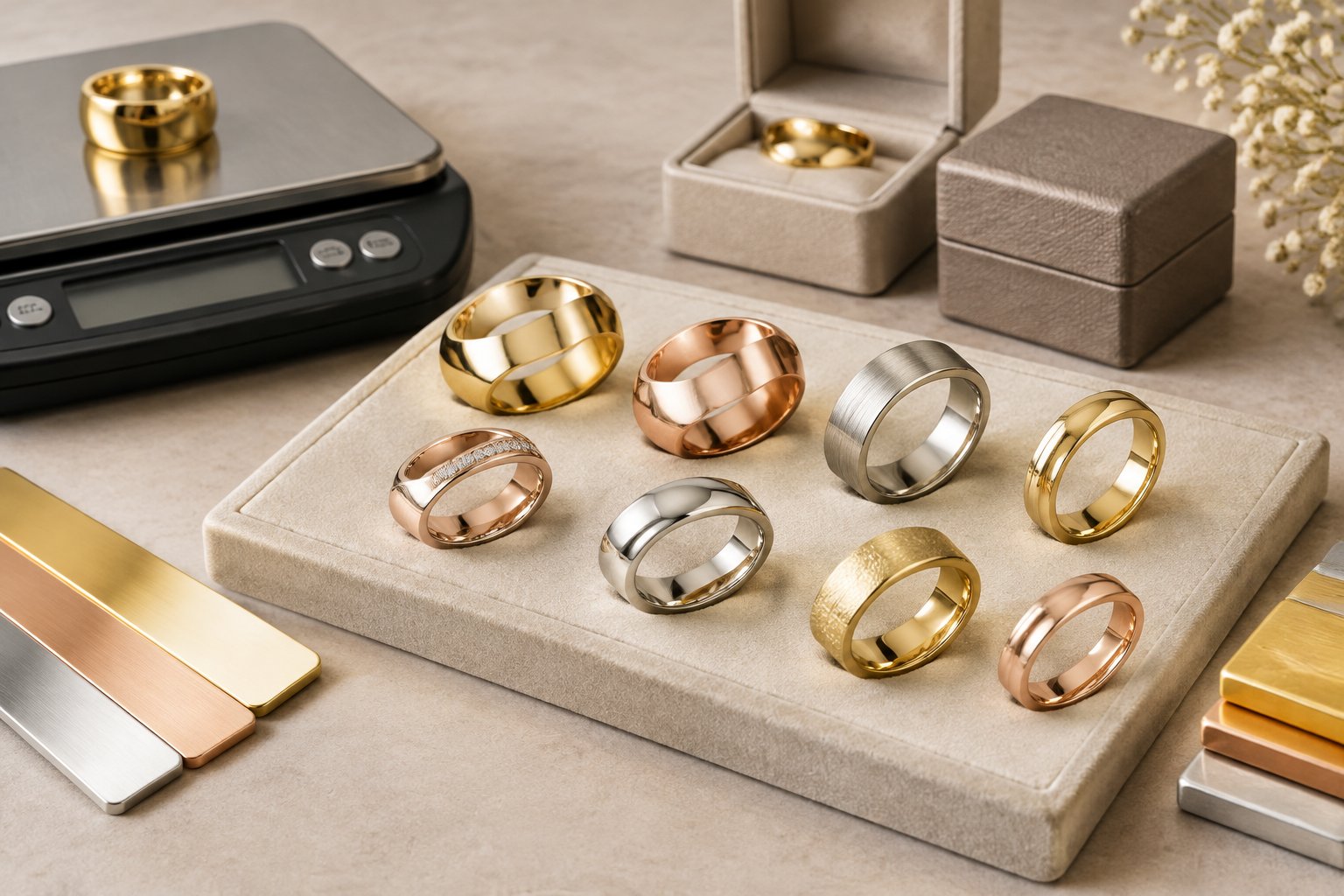
Your final price reflects more than the gold itself. Karat, gram weight, width, profile, finish, labor, stones, sizing, and retailer services all shape the quote. A thin polished band might sit near the lower end, while a wide handmade ring with diamonds can cost several times more.
Gold wedding bands remain popular because they combine timeless elegance with many style and budget choices. As you compare wedding bands, ask for the karat, approximate weight, width, included services, and whether the price covers one ring or a pair. That quick checklist can help you compare prices with confidence.
What Do Gold Wedding Bands Cost?
A plain gold wedding band costs about $300 to $1,100 per ring, with many 14K designs landing between $500 and $1,000. Slim 10K bands sit near the lower end, while wider 18K styles and detailed designs reach the higher end.
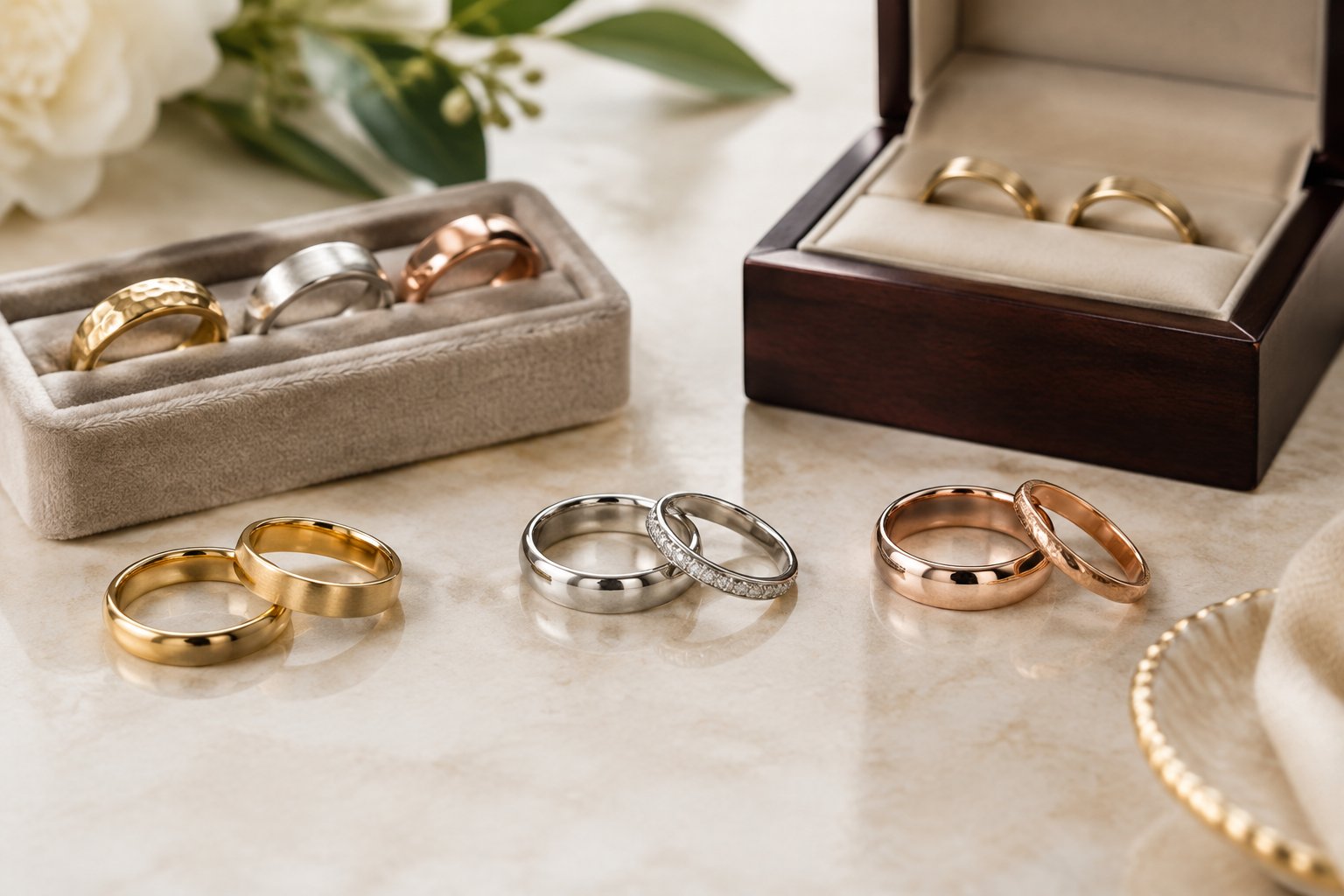
Your budget also changes with ring size, gold weight, finish, and brand. A matching pair of simple bands often falls around $800 to $2,500. For broader planning, you can compare these figures with how much are wedding rings on average.
Typical Price Ranges for Plain Gold Bands
|
Band type |
Approximate price per ring |
|---|---|
|
Thin 10K gold band |
$300 to $600 |
|
Standard 14K gold band |
$400 to $1,000 |
|
Heavier 14K comfort-fit band |
$700 to $1,300 |
|
18K gold band |
$700 to $1,500 or more |
|
Custom or designer band |
$1,000 to $2,500+ |
A narrow band with a low gram weight uses less precious metal and takes less bench time. A larger ring size, rounded comfort-fit interior, or thicker profile raises material and labor costs.
How Much Do Diamond-Accented Bands Add?
Diamond accents can add a few hundred dollars or several thousand dollars. The increase comes from total carat weight, stone quality, setting style, and labor.
A band with a few small diamonds costs much less than a full-eternity design with stones around the entire ring. Pavé and channel settings require careful metal work, while natural diamonds and higher grades raise the stone cost. Lab-grown diamonds can reduce the stone portion of the quote.
Ask for the diamond details in writing, including total carat weight, origin, grade information, setting labor, and future inspection terms.
Is the Listed Price for One Ring or a Pair?
Jewelry listings most often show the price for one ring, though some matching collections sell a pair together. Confirm the quantity before you compare wedding band prices.
A simple pair may cost $800 to $2,500. Different widths, sizes, karats, or finishes give each ring its own production cost, even when the designs coordinate.
What Determines the Final Price?
Gold content, weight, craftsmanship, finish, and brand reputation determine the final ring price. A heavy 18K band with hand-applied details costs more than a light 10K band with a basic polish.
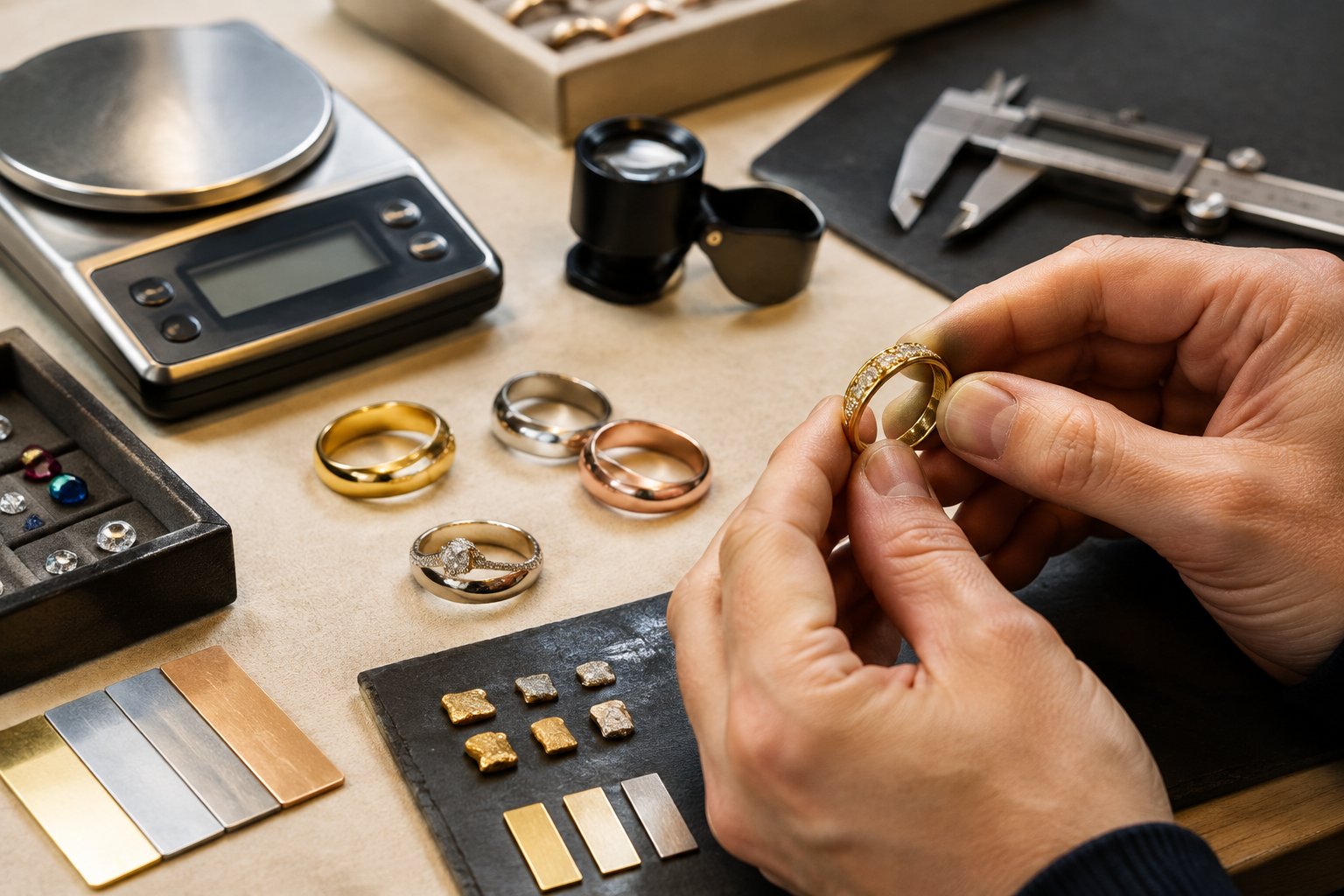
The daily gold market influences raw material costs, while labor, design, overhead, and retailer pricing shape the rest of the quote. A clear estimate separates each part so you know what you are paying for.
Why Karat and Gold Content Matter
Karat shows how much pure gold is in the alloy:
-
10K contains 41.7% pure gold.
-
14K contains 58.3% pure gold.
-
18K contains 75% pure gold.
Higher gold purity raises the precious metal value and gives the band a richer color. It also increases the price per gram. Retail pricing does not move in exact step with the spot market because design, labor, and business costs remain part of the ring price.
How Weight, Width, and Profile Change Cost
A wider or thicker ring requires more gold. A 6mm band uses more material than a 2mm band, while a rounded comfort-fit profile requires extra shaping.
Ring size also affects weight because a larger circumference needs more metal. Ask for the approximate gram weight when comparing similar bands. Two rings with the same karat and width can have different prices when their thickness or interior profile differs.
How Craftsmanship, Finish, and Branding Affect Value
A polished finish is often the most affordable surface treatment. Brushed, hammered, milgrain, hand-engraved, and mixed-metal finishes require added bench work.
Custom bands include design time, measurements, casting, fitting, finishing, and possible revisions. Brand reputation can add a premium for signature design, quality control, presentation, warranty coverage, and customer service. Review those services before deciding whether the price increase fits your priorities.
Which Gold Type Fits Your Budget and Lifestyle?
Yellow gold is the easiest choice for classic style and simple care, while white gold and rose gold offer distinct looks with different maintenance needs. At the same karat and weight, the three colors can have similar prices.
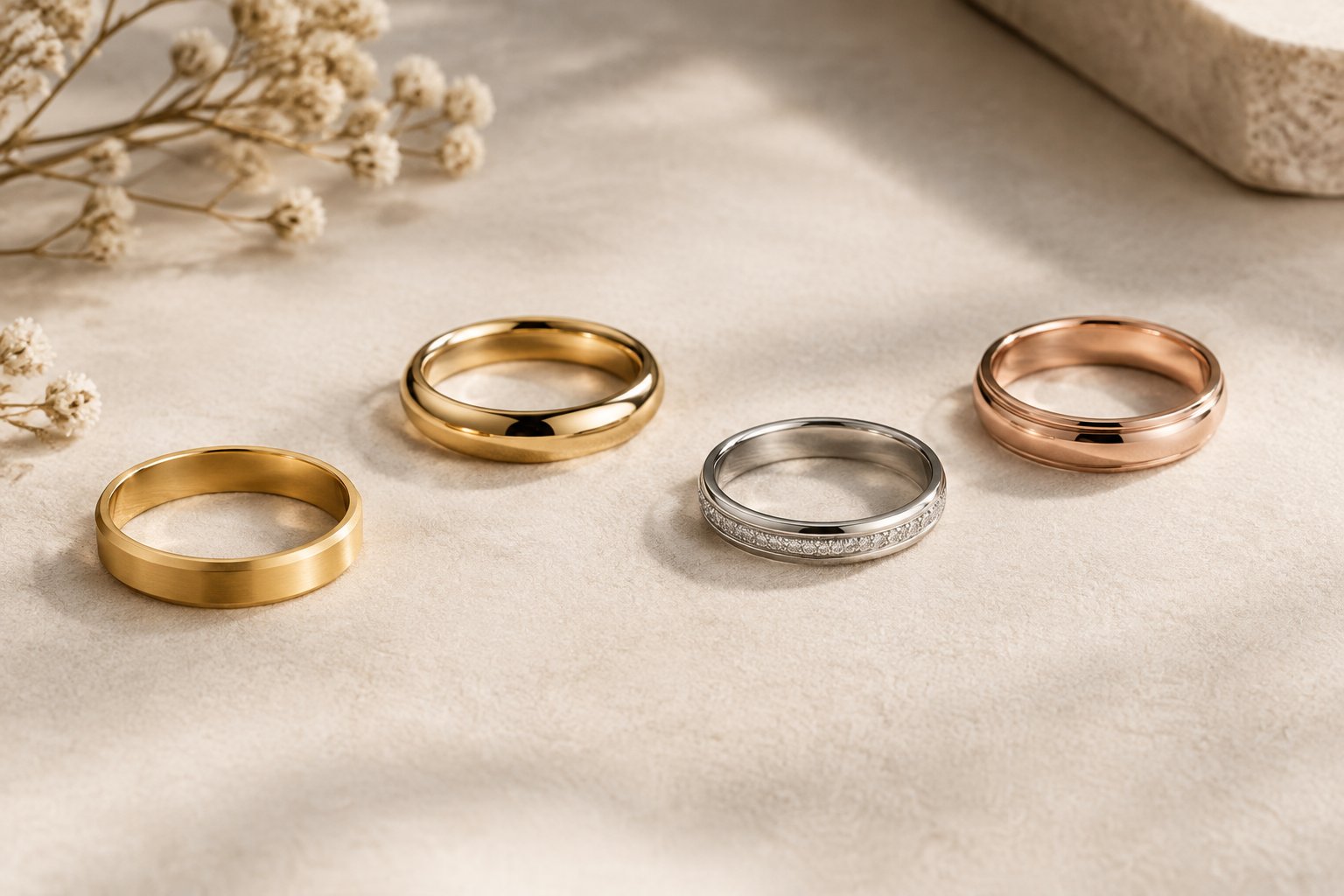
Your lifestyle should guide the choice. Consider exposure to chemicals, hands-on work, color preference, and your willingness to schedule future care.
Yellow Gold: The Classic Choice
Yellow gold keeps its warm color through its alloy and does not need a surface coating. It suits traditional wedding bands and pairs well with many engagement ring styles.
The color remains easy to maintain with gentle cleaning. A 14K yellow gold band gives you a balanced option for everyday wear, while 18K yellow gold provides a deeper tone and higher gold content.
White Gold and the Cost of Rhodium Plating
White gold uses alloy metals to create a pale base color. Rhodium plating gives it a bright white surface, and that coating wears with everyday use.
A jeweler can refresh the rhodium plating when the underlying color begins to show. Include this future service in your ownership budget. Ask whether the alloy contains nickel if you have a known sensitivity, since nickel-free white gold is also available.
For a closer comparison, read is 14K or 18K white gold better for a wedding band.
Rose Gold: Color, Alloys, and Value
Rose gold gets its pink tone from copper in the alloy. It offers a warm, distinctive look and does not require rhodium plating.
Prices can be close to yellow and white gold at the same karat, though weight, design, and retailer pricing create differences. Copper-rich alloys can show surface changes with chemical exposure, so remove your band before swimming or using household cleaners.
Should You Choose 14K or 18K Gold?
Choose 14K gold for a durable everyday band at a moderate price, or choose 18K gold when 75% pure gold and a richer color justify the higher cost. Both are suitable for wedding bands when the design matches your routine.
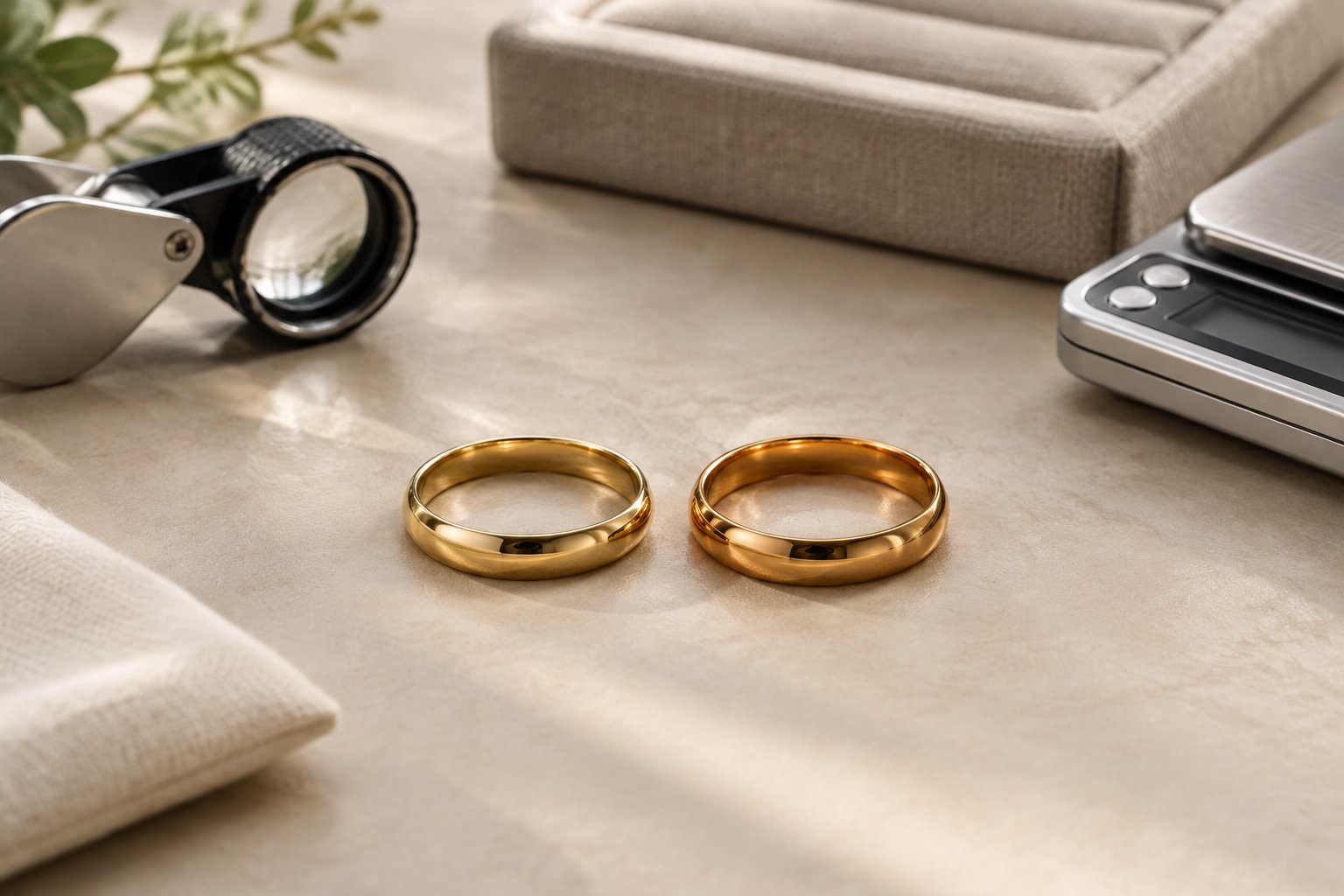
Karat affects purity, color, price, and resistance to surface wear. Your ring’s width and profile also influence durability, so compare the full design along with the karat stamp.
|
Feature |
14K gold |
18K gold |
|---|---|---|
|
Pure gold content |
58.3% |
75% |
|
Color |
Clear, traditional gold |
Richer, warmer gold |
|
Daily-wear durability |
Higher |
Lower |
|
Price level |
Moderate |
Higher |
|
Scratch resistance |
Stronger |
Softer |
The Value of 18K Gold and 75% Pure Gold
18K gold contains 75% pure gold, giving it a saturated color and higher precious metal content. A heavier 18K band costs more because you pay for more gold in each gram.
This choice suits you if purity, color depth, and a luxury feel rank high on your list. It also works well for a band worn with care and removed during demanding activities.
Durability Trade-Offs for Daily Wear
Alloy metals make 14K gold harder than 18K gold. That added hardness helps a 14K band handle frequent contact with desks, tools, countertops, and other surfaces.
18K gold remains durable for daily wear, though it shows scratches and small marks sooner. A substantial profile, careful use, and regular cleaning help preserve its shape and finish.
When a Lower-Karat Band Makes Sense
A lower-karat band makes sense when you want a lower purchase price and strong resistance to wear. 10K gold contains 41.7% pure gold and offers the lowest entry price among common gold choices.
Its color is lighter than 14K or 18K gold. Choose it when budget and active daily wear carry more weight than a deep gold tone.
How to Compare Gold Bands Before You Buy
Compare each quote by karat, gram weight, included services, and retailer policies before you compare the sticker price. This approach shows whether a lower-priced band uses less material or leaves important services out.
Gold wedding bands with similar widths can have different weights and construction. A written quote gives you the details needed to compare fairly.
Compare Metal Weight, Not Just Band Width
Width shows how broad the ring looks, while gram weight shows how much gold the ring contains. Thickness, profile, ring size, and interior shaping affect that weight.
Ask each retailer for:
-
Karat and gold color
-
Approximate gram weight
-
Width and thickness
-
Interior profile
-
Finish and construction method
A wide hollow or very thin band can weigh less than a narrower solid band with a thick profile. Gram weight helps explain that difference.
Check Customization, Resizing, and Warranty Costs
Ask for separate prices for engraving, special textures, matching details, sizing changes, and custom design work. Confirm whether the quote includes one future resizing and whether the design allows it.
Review warranty terms for manufacturing defects, loose stones, finish work, and routine wear. Services such as polishing, inspection, and rhodium plating might carry separate fees.
Evaluate Retailer Policies and Brand Reputation
Check the return period, exchange rules, delivery timing, appraisal paperwork, and payment terms. A reputable retailer should identify the metal karat and explain the ring’s construction.
Brand reputation can add cost through design, service, quality control, and warranty support. Decide which benefits you value before paying a premium for a name.
How to Keep a Gold Band Looking Its Best
Clean your gold wedding band with mild soap, warm water, and a soft brush, then remove it before chemicals, impact, and strenuous work. These habits protect the polished finish and reduce avoidable wear.
A gold band develops small marks through daily contact. Gentle care keeps surface buildup from hiding its color and helps you notice damage early.
Simple Cleaning Habits for a Polished Finish
Mix warm water with a few drops of mild dish soap. Soak the band briefly, brush it gently with a soft nylon brush, rinse over a drain strainer, and dry it with a lint-free cloth.
Avoid toothpaste, baking soda, bleach, ammonia, and abrasive cloths. Store the ring in a separate soft pouch or fabric-lined compartment so harder jewelry does not scratch it.
When to Remove Your Ring
Remove your ring before swimming, using household cleaners, gardening, lifting weights, or doing repairs. Chlorine and harsh chemicals can damage gold alloys, while impact can bend a band or mark its surface.
Apply lotion, sunscreen, and fragrance before putting the ring on. Wipe away residue after handwashing if soap or sanitizer collects around the ring.
When Professional Care Is Worth It
Schedule a jeweler inspection every 6 to 12 months, with more frequent visits for heavy daily wear or diamond settings. A professional can check the band’s shape, surface, and stone security.
White gold may need rhodium plating when its bright surface fades. Professional refinishing can restore a polished finish, while careful inspection helps identify thinning, deep scratches, or loose settings before repair becomes more extensive.