
How Do I Become an Event Planner UK? A Friendly Guide to Starting Your Career
Becoming an event planner in the UK is an exciting journey filled with creativity and organization. To start your career as an event planner, you can gain experience through internships, volunteer opportunities, or by planning events for friends and family. This hands-on experience will help you develop essential skills like time management, budgeting, and communication, which are vital for success in this field.
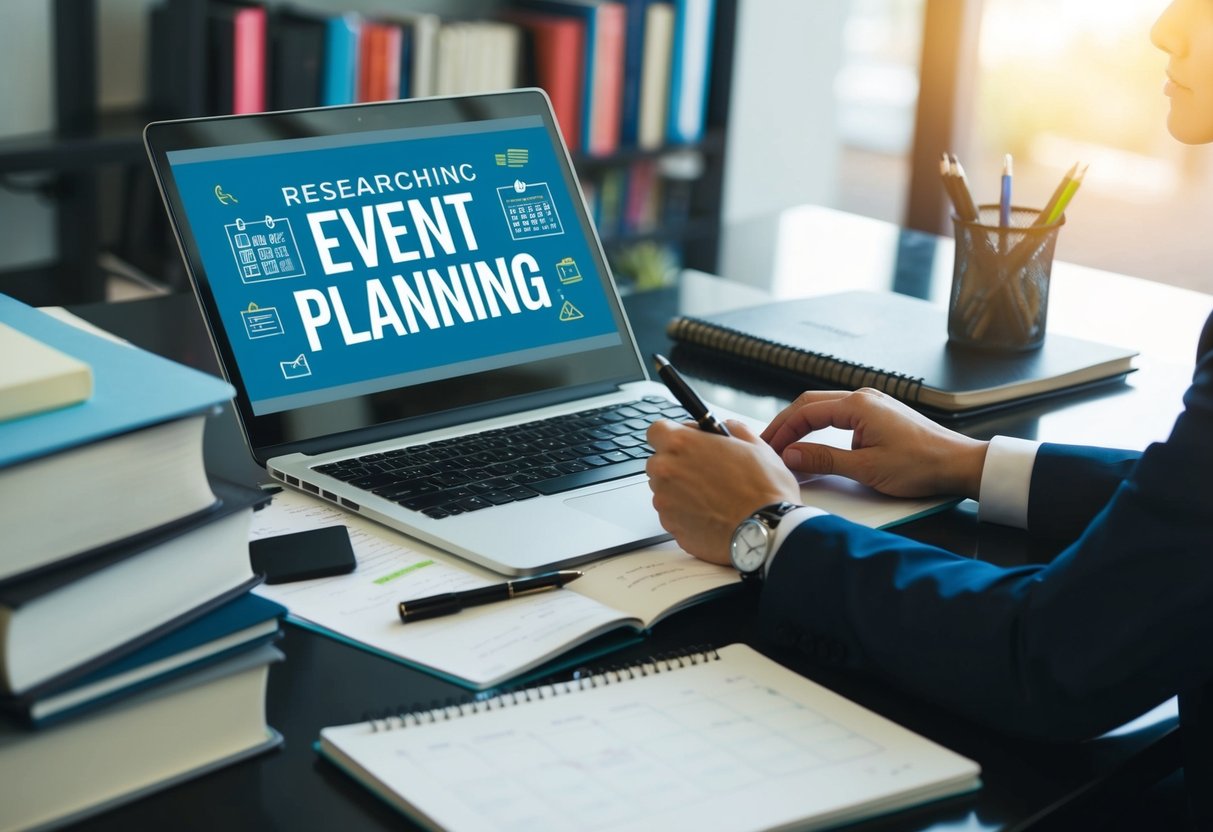
In addition to gaining experience, consider pursuing further education or certifications in event planning. Many universities offer courses that can enhance your knowledge and skills. Networking with other professionals in the industry can also open doors to job opportunities and valuable insights. The event planning career path can be rewarding, offering a chance to work on diverse projects and make memorable experiences for clients.
As you explore this exciting field, remember that every event you plan is a chance to showcase your creativity and organizational abilities. By following the right steps, you can build a fulfilling career in event planning in the UK.
Understanding the Event Planning Industry

The event planning industry is diverse and exciting. You can find various specialisations and roles within this field. Knowing the basics can help you get started and succeed as an event planner.
Events Management Fundamentals
Events management involves planning, coordinating, and executing events of all types. This includes weddings, corporate events, and large festivals. Key elements include understanding the event’s purpose, budget management, and time management.
As an event planner, you need strong organisational skills. You will also need to build relationships with vendors like caterers, venues, and decorators. Being detail-oriented helps in ensuring that every aspect of the event runs smoothly.
Adapting to changes and solving problems quickly are also crucial skills. The ability to work under pressure is essential for success in this fast-paced environment.
Specialisations in Event Planning
The event planning industry offers various specialisations. For example, you might choose to focus on weddings, corporate functions, or social events.
Common specialisations include:
- Wedding Planner: You will guide couples through the planning process, managing everything from venues to floral arrangements.
- Corporate Events Manager: This role often involves coordinating conferences, retreats, and product launches.
- Non-Profit Events Planner: You will organise fundraisers and awareness events for charities and community efforts.
Choosing a niche helps you target your skills and network effectively. It can also make you more attractive to clients looking for specific expertise.
Roles and Responsibilities
As an event planner, your responsibilities will vary based on your role. Some common roles include event coordinator, events manager, or professional event planner.
Your key responsibilities might include:
- Conducting initial consultations with clients to understand their vision.
- Developing and managing event budgets to ensure cost-effectiveness.
- Coordinating with vendors to ensure seamless delivery of services.
You may also handle marketing tasks, like promoting events through social media. Being proactive and communicative throughout the planning process will help keep everyone informed.
Your success as an event planner hinges on your ability to execute details flawlessly while maintaining a positive relationship with clients and vendors alike.
Gaining the Skills and Qualifications

To become an event planner in the UK, you need a mix of education and practical skills. Building a strong foundation through formal training and certifications is essential. You also need to develop various skills, such as communication and time management, to thrive in this dynamic field.
Educational Pathways
A degree is often the first step in your journey to becoming an event planner. Many colleges offer undergraduate degrees in event management, hospitality, or business. These programs teach you key concepts, from budgeting to marketing.
In addition to bachelor’s degrees, consider pursuing a postgraduate degree. This can give you an edge in the competitive job market. Look for courses that offer hands-on experience, internships, or projects that allow you to apply what you learn.
Professional Certifications
Earning a professional certification can significantly boost your credentials. The UK has several recognized event planning certifications. These programs often focus on industry standards and best practices, enhancing your skills in areas like negotiation and project management.
Certifications show employers your commitment to the profession and can lead to better job opportunities. Look for programs from reputable organizations to ensure you gain valuable skills that will help you stand out.
Essential Skill Set for Event Planners
As you pursue a career in event planning, developing a solid skill set is crucial.
Key skills include:
- Attention to Detail: You need to manage numerous details to create successful events.
- Communication Skills: Clear communication is vital for coordinating with clients and vendors.
- Time Management: Juggling multiple tasks requires strong time management abilities.
Other important skills involve creativity, flexibility, and problem-solving. You’ll often face unexpected challenges that require quick thinking. Strong interpersonal skills can help you relate to clients and team members effectively.
Moreover, good customer service and leadership skills will empower you to guide your team and ensure client satisfaction. Fostering collaboration is also important, as you’ll work with various professionals to make events a success.
Building Experience and a Professional Network

Gaining hands-on experience and building your professional network are essential steps to becoming a successful event planner. You will benefit greatly from internships, volunteering, and developing a strong portfolio. Networking will open doors and create opportunities in the industry.
Work Experience and Internships
Work experience and internships are valuable for gaining real-world skills. Seek opportunities with event companies or organizations where you can learn from experienced planners.
Consider applying for an events assistant role. This position allows you to observe and participate in planning various events. Your tasks may include assisting with logistics, managing vendors, or coordinating schedules.
Internships can also help you connect with professionals in the industry. Make sure to choose placements that offer diversity in event types, as this broadens your understanding.
Volunteering and Apprenticeships
Volunteering is another excellent way to gain experience while helping your community. Look for local events or charity functions that need assistance. You can build skills and experience without the pressure of a paid role.
Apprenticeships are structured programs that combine hands-on training with practical work. They are often offered by event companies or training organizations. This option allows you to learn while being mentored by industry professionals.
Both volunteering and apprenticeships help you network with other event planners and industry experts. The connections you make can lead to future job opportunities.
Developing a Strong Portfolio
A strong portfolio is essential for showcasing your skills and experience. Document each event you work on, highlighting your specific contributions. Include photos, planning documents, and feedback from clients to show the impact you made.
Your portfolio should demonstrate variety. Include different types of events, such as weddings, corporate gatherings, and community festivals. This helps potential employers see your versatility and adaptability.
Keep your portfolio updated as you gain more experiences. An up-to-date portfolio not only reflects your current abilities but also keeps you prepared for job opportunities you may encounter.
Networking for Success
Networking is a crucial aspect of building your career in event planning. Attend industry workshops, conferences, and local networking events. These gatherings provide platforms to meet others, share your aspirations, and learn from experienced planners.
Use social media to connect with professionals in the field. Platforms like LinkedIn can help you maintain connections and stay informed about industry news. Engage in discussions and share your experiences to build your reputation.
Remember, successful networking is about building genuine relationships. Keep in touch with contacts you meet and offer support when you can. This approach will foster a strong network that can benefit you throughout your career.
Launching Your Career as an Event Planner
Starting your journey as an event planner involves understanding the job market, recognizing opportunities in your area, and developing a growth strategy. Here are the key steps to help you launch your career.
Finding Your First Event Planning Job
To find your first event planning job, networking is essential. Attend local events, join industry groups, and connect with professionals online. Use platforms like LinkedIn to showcase your skills and interests in event management.
Consider internships or entry-level positions that allow you to learn the stages of event planning. These roles provide valuable experience and can lead to permanent jobs. Don’t forget to tailor your CV to highlight relevant experience, skills, and any event management degrees you may have.
Navigating the UK Event Planning Landscape
The UK event planning market is diverse, encompassing weddings, corporate functions, and festivals. Research local trends to understand what types of events are most in demand. Highlight key locations where events often occur.
Stay informed about industry regulations, as they can vary by location. Knowing about safety requirements and permits is crucial for successful event management. Join professional organizations such as the Association of Event Organisers to access resources and connect with mentors.
Evaluating and Growing Your Event Planning Career
Once you gain experience, you should regularly evaluate your skills and career path. Identify areas where you excel and those needing improvement. Then, seek feedback from clients and colleagues to enhance your service quality.
Consider pursuing additional certifications or courses in event management. These can add to your credentials and may lead to higher salaries. As you build your portfolio, focus on specializations like corporate events or weddings to attract specific clients. Regularly updating your skills will keep you competitive in this booming industry.