
How Do I Choose a Wedding Organizer? Tips for Finding Your Perfect Match
Planning a wedding can be overwhelming, but finding the right wedding planner can make a huge difference. To choose a wedding organizer, consider your style, budget, and the services they offer. You want someone who understands your vision and can help bring it to life while keeping everything on track.
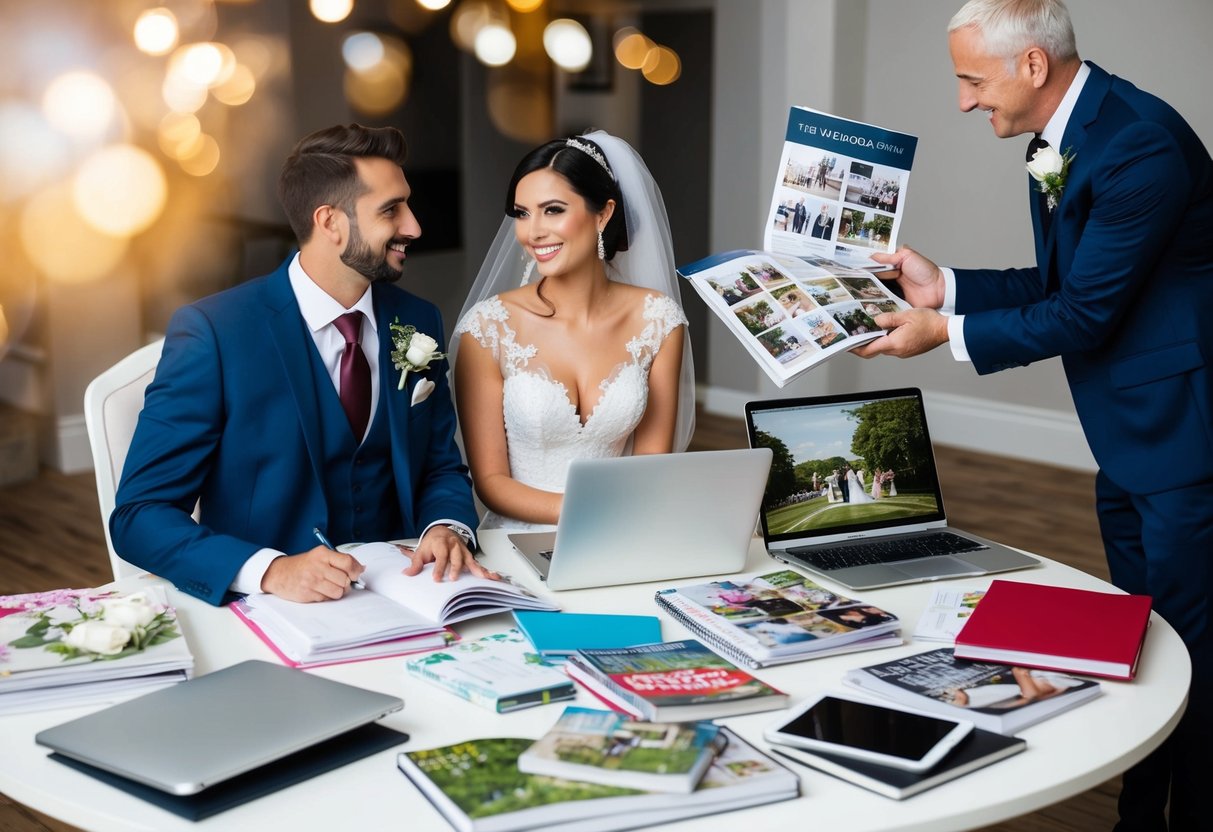
Start by doing some research to find planners in your area. Look for their past work and read reviews from other couples. This will help you get a feel for their style and experience.
During interviews, ask questions about their planning process and how they handle challenges. A good planner will be honest about what they can provide and how they can support you throughout your wedding planning journey.
Choosing the right wedding planner is about finding a partner who can help you realize your dream day. Remember, this person will play a big role in making your wedding special, so trust your instincts. The right fit will make the planning process enjoyable and stress-free.
Understanding Different Types of Wedding Planners

Choosing the right wedding planner can make a big difference in your planning experience. Each type of planner offers unique services that cater to different needs and budgets. Here’s a closer look at the most common types of wedding planners.
Full-Service Wedding Planner
A full-service wedding planner is like having a personal assistant for your entire wedding journey. They help with every detail, from budgeting to vendor selection.
They will create a timeline that ensures everything runs smoothly.
Some duties include:
- Managing your budget
- Recommending vendors, such as florists and caterers
- Coordinating the design and theme of your event
- Handling guest lists and RSVPs
With a full-service planner, you can relax knowing that someone is keeping everything organized. They are there to make your vision a reality and handle any emergencies that arise.
Day-Of Wedding Coordinator
The day-of wedding coordinator focuses on making sure your big day goes off without a hitch. They step in closer to your wedding date to manage execution.
You’ll provide them with details, and they handle the logistics. Their key tasks include:
- Overseeing the wedding timeline
- Managing vendor arrivals
- Setting up the ceremony and reception spaces
While this planner won’t help with the planning process, they bring peace of mind on your wedding day. You can enjoy your celebration knowing that someone is in charge.
Partial Planner
A partial planner is a great option if you want some help but want to handle parts of the planning yourself. They offer flexibility in their services.
You might need help with specific tasks like selecting vendors or finalizing details.
Key roles for a partial planner include:
- Providing guidance where needed
- Helping with budget management
- Assisting with vendor communication
This type of planner works alongside you, offering support while allowing you to take the lead. It’s a perfect balance for couples who want involvement but may need extra hands.
Factors to Consider When Choosing Your Wedding Planner

Choosing the right wedding planner is a big decision. You want someone who fits your style and can handle the details of your special day. Here are some important factors to keep in mind during your search.
Experience and Portfolio
When hiring a wedding planner, look for experience in event design and planning. Ask to see their portfolio. This collection of their past work shows their style and creativity.
Check how many weddings they’ve organized. Experienced planners often have connections with vendors. This can help you get better pricing and services. If possible, read reviews from previous clients. They can offer insight into how the planner worked on their special day.
Consider planners who have experience with weddings similar to yours. If you want a beach ceremony, a planner with oceanfront experience will understand the unique challenges involved.
Communication and Understanding
Good communication is essential when working with a wedding planner. You should feel comfortable discussing your ideas, worries, and budget. Your planner needs to understand your vision for your dream wedding.
During your initial meetings, pay attention to how well they listen. Can they answer your questions clearly? A planner who communicates well will keep you updated. This ensures that nothing falls through the cracks as the big day approaches.
Ask how they prefer to communicate. Some planners might prefer emails, while others like phone calls or texts. Find a style that suits you both. Open lines of communication lead to a smoother planning process.
Budget Considerations
Your wedding budget is another vital factor when selecting a planner. Many couples wonder about the cost of a wedding planner and what they should expect. A good planner can help you create and stick to your budget.
Ask potential planners about their fees. Some charge a flat rate, while others bill hourly. Be clear about what services are included. This can range from full event design to day-of coordination.
Make sure your planner understands your budget constraints. They should be able to suggest ideas that fit your finances. This way, you can still enjoy your dream wedding without breaking the bank.
Personal Connection
The personal connection you have with your wedding planner can make a huge difference. Planning a wedding can be stressful, and you want someone you can trust and feel comfortable with.
During your meetings, pay attention to your feelings. Do you feel at ease? Do they share your vision? A good planner will support you emotionally, not just logistically.
Trust your instincts. If something feels off, it’s okay to continue your search. Remember, this person will be part of your wedding journey. Finding the right match will help create a positive planning experience.
The Search for Your Perfect Wedding Planner

Finding the right wedding planner is an important step in preparing for your big day. By knowing where to look and how to meet with potential planners, you can make this process smoother and more enjoyable.
Where to Find a Wedding Planner
Start your search by reaching out to friends and family. Recommendations from those who have gotten married can lead you to trusted wedding planners.
You can also check with your venue. Many locations have a list of preferred vendors. This way, you know the planners are familiar with the site.
Online platforms like The Knot and Wedding Wire offer extensive lists of wedding planners in your area. Use search terms like “find a wedding planner near me” to narrow down the choices.
Social media is another great resource. Groups on platforms like Facebook can provide leads and firsthand reviews.
Setting Up an In-Person Meeting
Once you have a few candidates, it’s time to set up meetings. In-person meetings allow you to gauge compatibility.
When scheduling, bring a list of questions. Inquire about their experience, style, and services offered. This is your time to understand how they work within the wedding planning process.
Pay attention to how they communicate. A good planner should make you feel comfortable and heard. Trust your instincts during these meetings.
After your discussions, take some time to reflect. Consider who resonates with you the most. This will help you make a more informed decision.
Logistics and Execution

Planning your wedding involves careful attention to logistics and execution. This part of the process can seem overwhelming, but focusing on key details makes it manageable. You want everything to flow smoothly on your special day.
Selecting Your Wedding Venue
Choosing the right wedding venue is crucial. Start by considering your preferred style and guest list size. Do you want a barn, beach, or banquet hall? Make a list of venues that fit these criteria.
Next, check availability for your chosen wedding date. Often, popular venues book up quickly.
Also, think about logistics like parking, accessibility, and nearby accommodations for guests traveling from out of town.
Don’t forget to ask about any restrictions on décor or outside vendors, as these details can affect your plans.
Coordinating with Vendors and Decor
Once you have your venue secured, it’s time to coordinate with vendors. This includes caterers, photographers, florists, and entertainment.
Start by researching vendors who have experience with your venue.
Create a timeline for when each vendor needs to be in place. Keep communication open and confirm details well in advance.
It’s also essential to choose decor that complements your venue. If you have a rustic barn venue, consider flowers and decorations that fit that theme. Make sure everything aligns with your vision, and keep a checklist to manage these details.
Consider using event designers for expert help if you feel overwhelmed.
Planning for a Destination Wedding
If you’re considering a destination wedding, you need to keep in mind additional logistics. Start by choosing a destination that excites you and fits your budget. Think about weather, travel ease, and available venues in that area.
Once you pick a location, start reaching out to local wedding vendors. Many destination venues have preferred vendors who know the area well. Staying local can save you time and stress.
Finally, inform your guests well in advance about the date and location. Provide all necessary information about accommodations, travel arrangements, and potential activities. This ensures everyone is on the same page, making your destination wedding a success.