
How Do I Choose the Right Wedding Flowers? A Guide to Finding Your Perfect Bloom
Choosing the right wedding flowers can seem overwhelming, but it doesn’t have to be! Start by defining your wedding theme and color palette to find flowers that truly match your style. This ensures your floral arrangements bring your vision to life and add to the beauty of your special day.
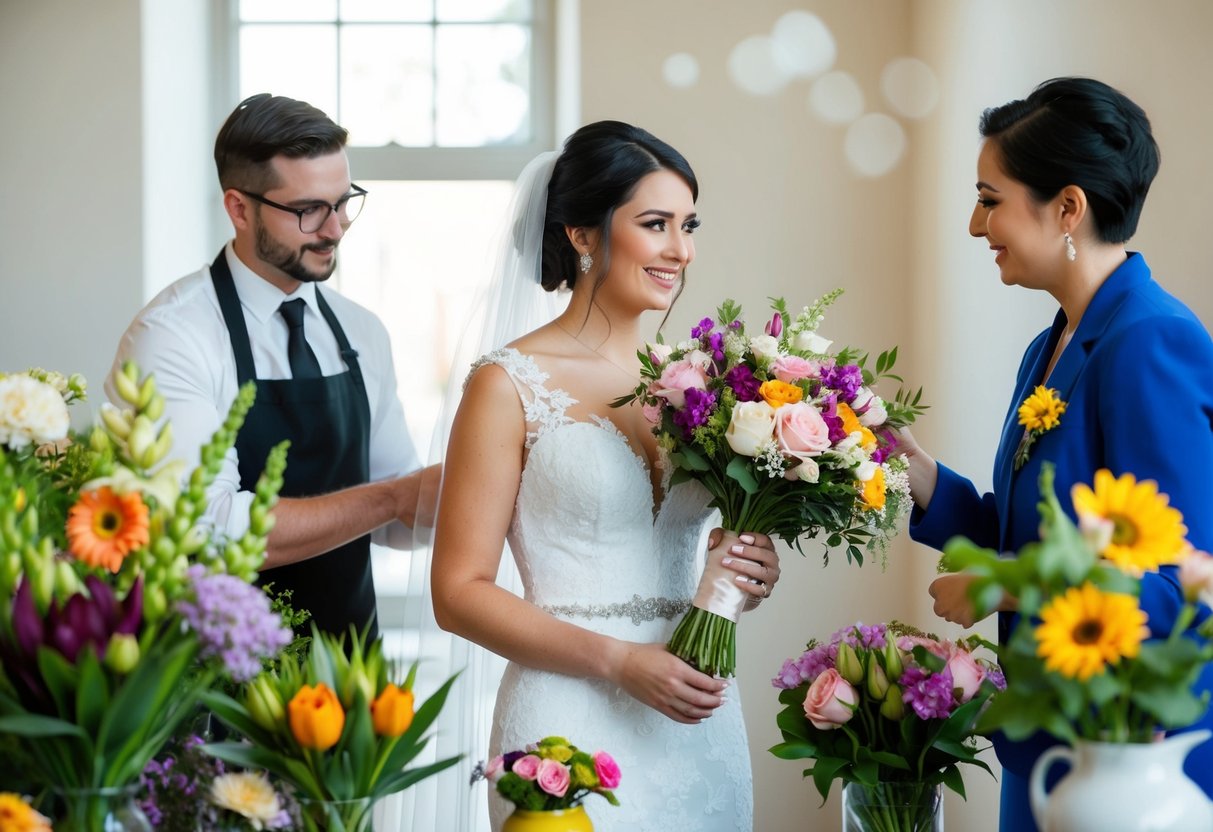
Consider your budget early on in your planning. Knowing how much you can spend will help you narrow down your options and make the selection process easier.
Many couples allocate around 8% of their total wedding budget to flowers. By focusing on what’s important to you, you can choose blooms that reflect your personality and enhance the overall atmosphere of your wedding.
Take some time to explore different flower types and arrangements. Think about the season, your chosen venue, and how the flowers will complement the setting.
Whether you prefer elegant roses or vibrant sunflowers, there are countless options to create stunning floral designs that fit your wedding perfectly.
Determining Your Floral Budget and Style
Setting the right floral budget and selecting a wedding style that reflects your personality are key steps in planning your wedding flowers. Understanding costs, your desired style, and how colors and seasons come into play can make the process smoother and more enjoyable.
Understanding Wedding Flower Costs
Begin by determining your floral budget. Typically, couples allocate around 8% of their total wedding budget to flowers. It’s wise to set a clear number early on.
Consider what flowers you want and their availability. Seasonal flowers are usually more affordable. Here’s a quick list of factors affecting costs:
- Flower Type: Some blooms are more expensive than others.
- Arrangement Complexity: Simple designs cut costs.
- Delivery and Setup: Factor in these extra fees.
Discuss your budget with your florist to find beautiful options that fit.
Choosing the Right Wedding Style for Your Big Day
Your flowers should match your wedding style. Think about the theme you have chosen. Are you going for classic, rustic, or modern vibes? For a formal event, traditional arrangements work well.
Consider these elements:
- Venue Style: Indoor or outdoor settings can influence flower choice.
- Dress Code: Formal wear pairs well with elegant blooms.
- Personal Taste: Select flowers that resonate with you.
Working with a florist can help you find the perfect balance between your vision and practical needs.
Role of Colors and Seasonality in Floral Arrangements
Your color scheme is crucial when selecting wedding flowers. Think about your wedding color palette and how it complements the overall theme.
When choosing flowers, remember:
- Seasonality Matters: Spring flowers differ greatly from autumn blooms.
- Mixing Colors: Use a combination of shades to add depth.
- Central Focus: Bouquets, centerpieces, and decor should align with your colors.
Consult with your florist about seasonal options that will enhance your design while staying within budget.
Selecting the Perfect Flowers
Choosing the right flowers for your wedding can make a big difference in the overall feel of the day. Pay attention to flower types, seasonal availability, and the preferences of you and your guests. Here’s what you need to know.
Popular Flower Types for Wedding Bouquets
When it comes to bridal bouquets, certain flowers stand out. Roses are timeless and come in many colors, making them a popular choice for any wedding style. Peonies are also highly sought after for their lush blooms and romantic look.
Other popular wedding flowers include astors and lavender. Astors add a unique touch with various colors, while lavender brings a lovely scent. When picking your bouquet, consider mixing flowers to create a harmonious look that matches your theme.
Incorporating Seasonal Blooms in Your Wedding
Using in-season flowers can enhance your wedding arrangements. Seasonal blooms not only look fresher, but they can also be more affordable and available in larger quantities.
For a spring wedding, consider flowers like tulips and daffodils. If you’re planning a summer wedding, sunflowers or zinnias can brighten your arrangements. Autumn weddings can feature chrysanthemums or rich-hued dahlias. Winter revels in evergreen branches alongside seasonal favorites like hyacinths.
Considering Allergies and Scent Preferences
It’s important to keep allergies in mind when selecting flowers for your big day. While you may love fragrant blooms like lavender or roses, it’s crucial to consider your guests’ comfort. Some may have sensitivities to strong scents.
Choose a blend of flowers that offers fragrance without overwhelming guests. You can opt for flowers like aster, which have a subtler scent yet still look gorgeous in your arrangements. Prioritize comfort to ensure everyone enjoys your celebration.
Working with a Wedding Florist
Finding the right wedding florist is a key part of your wedding planning. Good communication and understanding their services will help you achieve your floral design goals. Here’s what you need to know.
Communicating Your Vision and Expectations
When you meet with your wedding florist, start by sharing your vision. Bring inspiration photos that show the style and colors you love. This will help them better understand what you’re looking for.
Discuss the types of flowers you like as well as those you want to avoid. Be clear about your budget, as this affects your choices. Florists can help you find flowers that fit your theme and budget.
Remember to ask questions. Find out how many consultation appointments you will have and if they offer setup and teardown services. Clear communication ensures that your wedding bouquet and other floral designs meet your expectations.
Understanding the Florist’s Expertise and Services
Every wedding florist has unique expertise. Some may specialize in classic, elegant arrangements, while others excel in modern or bohemian styles. Knowing their strengths helps you choose the right fit.
Ask about the services they provide. Many florists offer full-service packages that include delivery, setup, and breakdown. Others may simply provide flowers for pick-up. Make sure to discuss details like flower preservation or repurposing for different areas, like the ceremony and reception.
Always look at their past work. This will give you a good idea of their style and ability. A professional florist will also guide you in choosing blooms and designs that highlight your wedding theme beautifully.
Finalizing Your Floral Arrangements
Choosing the right flowers involves more than just picking pretty blooms. It’s important to align your floral arrangements with your wedding venue and dress, as well as ensuring harmony with other elements like centerpieces.
Matching Flowers to Your Wedding Venue and Dress
Start by considering your wedding venue. Is it a grand ballroom, a cozy garden, or a beach?
For venues with bright, natural light, lighter flowers like peonies or sunflowers can create a vibrant look. In contrast, darker venues might benefit from richer colors such as deep red roses or purple dahlias.
Next, align your flower choices with your wedding dress. If your dress is adorned with lace or intricate details, select flowers that complement this style. Classic roses in soft pastels might suit a traditional gown, while colorful wildflowers can match a more relaxed dress.
Also, don’t forget about your aisle markers. They should echo the flowers in your bouquet to create a cohesive look throughout the ceremony.
Creating Harmony with Centerpieces and Bouquet Shapes
Your centerpieces should reflect the style and colors of your bouquet. For example, a round bouquet pairs well with round centerpieces, while a cascading bouquet pairs well with elongated floral arrangements. Choose flowers that are similar in type but differ in size to create visual interest.
Think about the shapes of the blooms too. If you opt for a structured look with tightly arranged flowers, mirror that in your centerpieces. Loose, organic bouquets can be complemented by natural centerpieces with a more casual feel.
Ensure your flowers also match the overall theme of your wedding. For instance, if you’re having a rustic wedding, think of using wildflowers in your bouquet and wooden crates or jars for centerpieces. This attention to detail will tie together every part of your special day.