
How Do I Find the Perfect Wedding Color? Tips for Choosing Your Ideal Palette
Choosing the perfect wedding color can feel overwhelming, but it doesn’t have to be. Start by considering your personal style, the season of your wedding, and the venue you’ve selected. These elements can guide you in creating a color palette that feels uniquely yours.
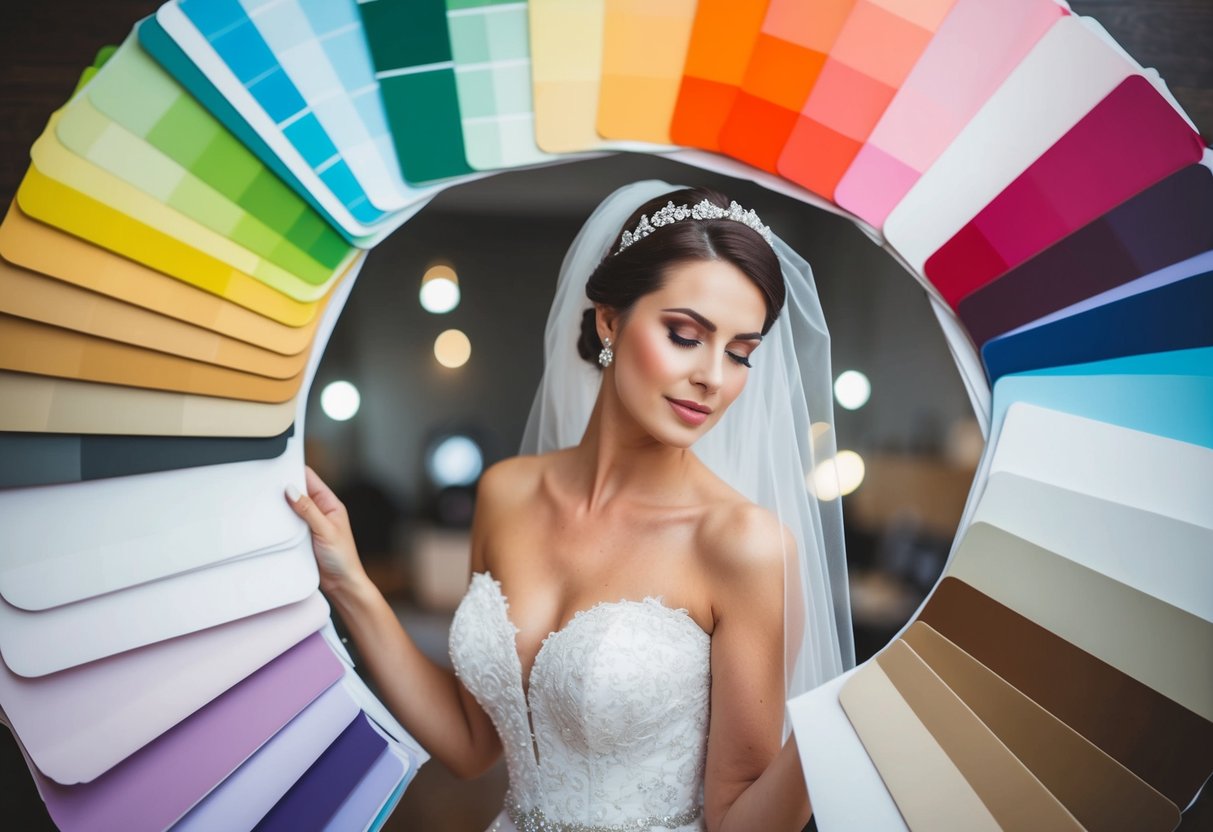
Don’t forget to think about how different colors make you feel. Some shades can evoke warmth and joy, while others may convey elegance or tranquility. Exploring various combinations can lead you to a palette that reflects your personality and vision for the big day.
As you dive into this exciting process, remember that your favorite colors can be a great starting point. Combining these with seasonal trends or classic schemes can help you find a look that both inspires and delights.
Understanding Color Basics
When planning your wedding colors, it’s important to grasp the basics of color choices. This includes understanding how to use the color wheel, exploring common color schemes, and finding seasonal inspiration. With this knowledge, you can create a beautiful color palette for your special day.
The Color Wheel and Wedding Colors
The color wheel is a helpful tool for selecting your wedding colors. It shows how colors relate, allowing you to mix shades that work well together.
You’ll find three main types of colors:
- Primary colors: Red, blue, and yellow.
- Secondary colors: Green, orange, and purple, made by mixing primary colors.
- Tertiary colors: These are created by mixing a primary with a secondary color.
Choosing colors that are next to each other on the wheel creates a harmonious scheme. For example, you could pair shades of blue with dusty blue and gray for a calming effect. Remember, neutrals like ivory and taupe can enhance your main colors while providing balance.
Common Wedding Color Schemes
Wedding color schemes often follow specific themes. Understanding these can help you decide what fits your vision.
Here are a few popular schemes:
- Monochromatic: Varying shades of a single color, like different shades of blue, creates a cohesive look.
- Analogous: Three colors next to each other on the wheel, such as blue, teal, and green, provide harmony.
- Complementary: Colors opposite each other, like blue and orange, create a vibrant contrast.
Consider jewel tones like emerald green or deep burgundy for a rich feel, especially in fall or winter. Combining these with neutral colors can make the palette versatile.
Seasonal Color Inspiration
Your wedding season can greatly influence your color choices. Each season offers unique shades that can inspire your palette.
- Spring weddings: Soft pastels like light blue, blush pink, and lavender are fresh and romantic.
- Summer weddings: Bright colors such as coral, sunflower yellow, and tropical greens create a lively atmosphere.
- Fall weddings: Warm hues like burnt orange, plum, and dark teal reflect seasonal change and coziness.
- Winter weddings: Rich colors like navy blue, deep red, and metallics like gold can create a festive and elegant vibe.
Incorporating Your Personal Style
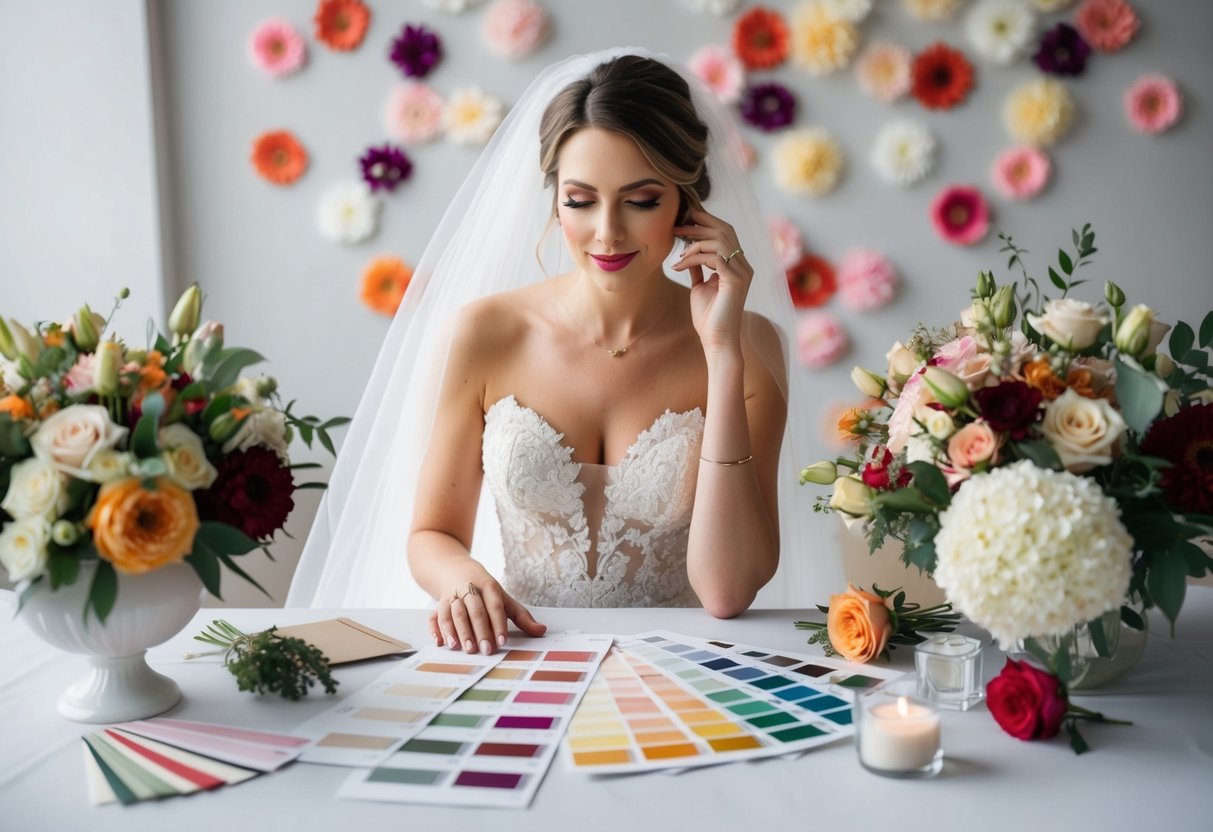
Finding the perfect wedding color is about more than just trends. It’s a chance for you to reflect your personal style and preferences while also enhancing the wedding theme. Here are some ways to incorporate your unique touch into your color choices.
Reflecting Your Personal Preferences
Start by thinking about the colors you love. Consider your favorite hues and how they make you feel. Do you prefer bold, vibrant colors or soft, subtle shades? Make a list of three or four colors that resonate with you. You can also look at your home décor for inspiration. The colors you surround yourself with often showcase your taste and can guide your choices.
Next, think about your wardrobe. What colors do you wear most often? Choosing colors that you are comfortable with will help you feel more at ease on your wedding day. This is your celebration, so your preferences should shine through!
Choosing Colors That Flatter
Selecting colors that enhance your overall look is crucial. Consider your skin tone and hair color when choosing your wedding colors. For instance, jewel tones like emerald and deep blue can look striking on warmer skin tones, while pastels might complement cooler tones well.
You may also think about how these colors will appear in your wedding flowers and attire. It’s a good idea to see how different shades work together. Use swatches or color palettes to visualize how your choices interact.
Highlighting the Wedding Theme
Your wedding theme is another essential factor when selecting colors. Whether you want a romantic garden wedding or a modern city celebration, colors should enhance the theme.
If you’re having a beach ceremony, soft turquoise or sandy beige might be perfect. For a winter wedding, think about rich reds and whites. Make a mood board with images that capture your vision. This can help align your colors with your theme and create a cohesive look throughout your wedding.
Creating a Cohesive Palette
Creating a harmonious wedding color palette is a key step in your planning. By selecting main hues and accents, coordinating with your venue, and harmonizing your decor and floral arrangements, you can achieve a stunning look that ties everything together beautifully.
Selecting Main Hues and Accents
Start by choosing your main hues, which will define the mood of your wedding. Consider colors that resonate with both you and your partner. Think about seasonal colors or what inspires you personally.
Once you have your main hues, add accent colors to create contrast. A common approach is the 60-30-10 rule. This means 60% of your palette should be the main color, 30% a secondary color, and 10% an accent color. For example, navy blue could be your main hue, soft blush as secondary, and gold as an accent.
Use these colors consistently in your invites, table settings, and bridesmaid dresses to ensure everything feels cohesive.
Coordinating with the Wedding Venue
Your wedding venue plays a significant role in choosing your color palette. Consider its existing colors and decor. For instance, a rustic barn may pair well with earthy tones, while a beach setting might inspire a palette of vibrant blues and soft creams.
Take time to visit your venue and observe how the natural light changes the colors throughout the day. This can help you pick shades that will look great in photos.
If your venue has bold colors, you may want to select more subtle hues to avoid overwhelming the space. Aim for a balance that enhances the venue’s beauty.
Harmonizing Decor and Floral Arrangements
When it comes to decor, keep your selected palette in mind. Your table settings, linens, and centerpieces should reflect your chosen colors. Using a cohesive look with your main hues will create a seamless experience for your guests.
Floral arrangements are also essential. Choose blooms that match your color palette. For instance, if cherry blossoms are part of your palette, use them in your bouquet and table arrangements.
Consider using a tonal color palette too, where shades of the same color create depth. This adds interest without straying from your main colors.
Finalizing Your Wedding Color Palette
Choosing the right wedding color palette is essential for creating the look and feel you desire on your special day. You can achieve this by consulting with a wedding planner, considering popular color palettes, and adding unique elements to reflect your personal style.
Consulting with a Wedding Planner
Working with a wedding planner can greatly simplify the process of finalizing your color palette. They have experience and insight into current trends and can guide you in making choices that suit your venue and theme.
A planner can help you understand how colors interact and suggest combinations that look great together. They may also present you with wedding ideas tailored to your preferences.
Don’t hesitate to share your vision with them. The more information you provide, the better they can help you find the perfect fit.
Considering Popular Wedding Color Palettes
Exploring popular wedding color palettes can offer great inspiration. Many couples opt for classic combinations like navy and blush or emerald and gold. These palettes have stood the test of time and are visually appealing.
Pay attention to seasonal trends, too. For example, autumn often features rich oranges and browns, while spring favors pastels. You can find helpful quizzes to identify color schemes that match your style, such as the one available on Wedding Wire.
Making Your Color Palette Unique
To ensure your wedding color palette feels personal, think about colors that hold special meaning for you and your partner. Perhaps you have a favorite destination, or maybe a family tradition inspires your choices.
Mix and match shades to find a combination that reflects your personality. You can also incorporate accessories and decor that showcase your unique colors.
Don’t shy away from experimenting with unexpected colors or patterns that speak to you. This approach will help you craft a memorable wedding color combination that truly represents who you are as a couple.