
How Do I Get a Free to Marry Certificate in the UK? A Simple Guide
Getting a free to marry certificate in the UK can feel overwhelming, but it doesn’t have to be. You can obtain a Certificate of No Impediment (CNI) by applying through your local register office. At the office, you’ll need to provide some important documents and give notice of your intent to marry. This certificate proves that there are no legal barriers preventing you from getting married.

To start your journey, gather your identification and any necessary documents, such as proof of your current marital status.
Knowing the process will ease your mind and help you prepare for your upcoming marriage or civil partnership. As you navigate through this process, remember that each step brings you closer to celebrating your union.
Whether you’re planning a grand wedding or a simple ceremony, having your CNI in hand is crucial. With this guide, you’ll discover the key steps and tips to ensure you get your free to marry certificate without a hitch.
Understanding Free to Marry Certificates
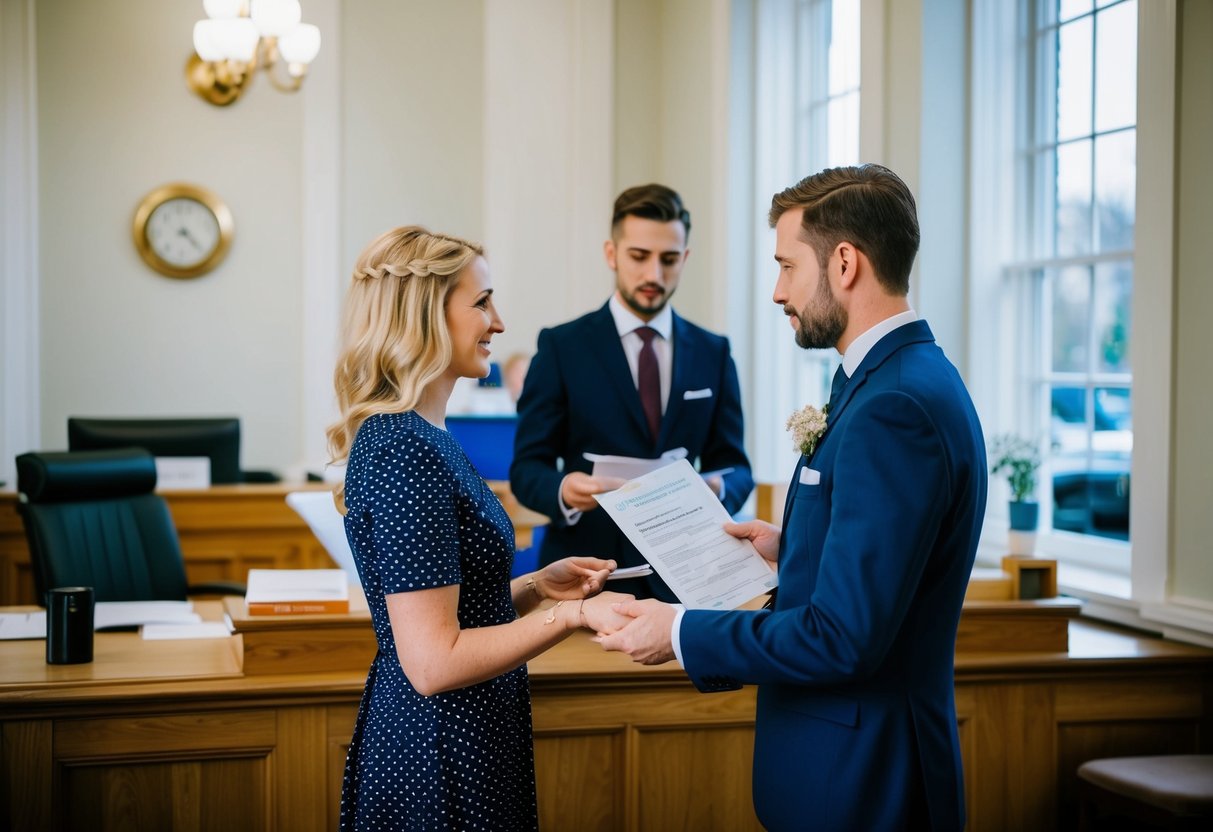
A Free to Marry Certificate, known as a Certificate of No Impediment (CNI), is an important document for anyone looking to get married in the UK. You must meet specific legal requirements and understand how the rules may vary in different parts of the UK.
Definition and Importance
A Free to Marry Certificate confirms that you are legally eligible to marry. It shows that there are no legal obstacles to your upcoming marriage, such as being already married or not being of legal age.
This certificate is crucial for those who plan to marry abroad. Many countries require proof of your single status before allowing you to marry there. Without it, your plans could face delays or complications.
Legal Requirements and Eligibility
To obtain a Free to Marry Certificate, you need to meet certain legal criteria. First, you must be at least 16 years old in England and Wales. In Northern Ireland, the minimum age is 17.
You also cannot be currently married or in a civil partnership. If you are widowed or divorced, you may need to provide additional documents. This might include your previous marriage certificate and proof of divorce, if applicable.
It’s important to check how long these documents are valid, as you may need to provide them when applying.
Differences Between UK Nations
The process for obtaining a Free to Marry Certificate differs across the UK.
In England and Wales, you apply through your local council. You’ll need to give notice in person with identification and evidence of your eligibility.
In Northern Ireland, the process is handled by the Registrar. You must apply in person and may need to show proof of your marital status.
Scotland has a different system, requiring a Marriage Notice form that must be submitted around 29 days before your wedding.
Being aware of these differences can help you prepare and ensure that you meet all necessary requirements in your specific area.
The Application Process

Getting a free to marry certificate in the UK involves a few clear steps. You’ll need to start your application, gather the necessary documents, and understand any fees involved. Here’s what you need to know about the application process.
Starting Your Application
To begin your application for a Certificate of No Impediment (CNI), you need to contact your local register office. You can find information on the UK government’s gov.uk website.
Once you know where to go, you will need to give notice of your intention to marry. This must be done at least 28 days before the ceremony. During this time, the register office will check if there are any legal reasons you cannot marry.
Necessary Documentation
When applying for your free to marry certificate, you will need several documents.
First, you must provide proof of identity. This can include a passport or another form of ID. If you were born outside the UK, you might also need to show your birth certificate with a translation, if necessary.
Additionally, you should have proof of your current address, such as a utility bill. If either partner has been married before, you will need to provide documents showing how that marriage ended, like a divorce decree or death certificate.
Fees and Payment
In general, applying for a CNI involves fees. This cost can vary depending on your local authority. Some areas might charge fees for giving notice, while others charge for the certificate itself.
You should check the specific costs on your local register office’s website. Payments can usually be made using debit or credit cards. It’s a good idea to ask about their payment methods when you first contact them. Checking the details ahead of time will help streamline your application process.
Special Circumstances to Consider
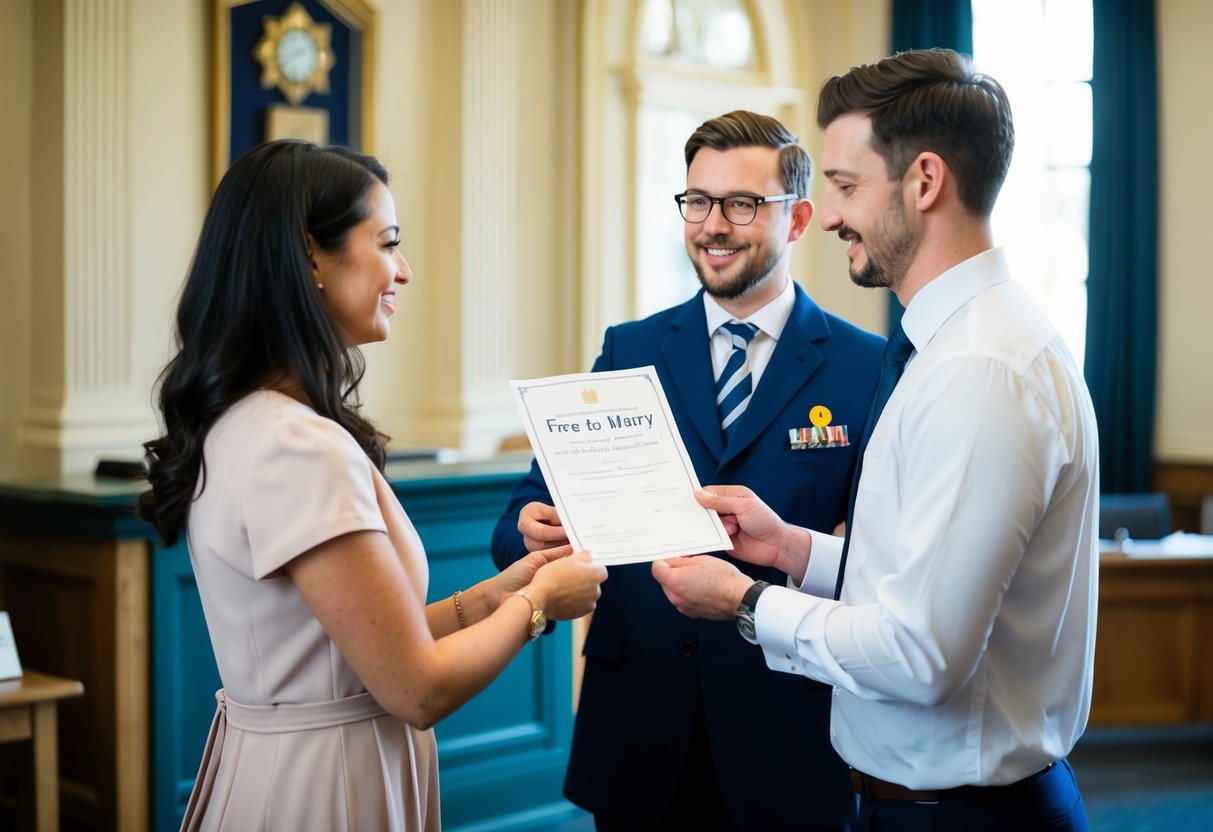
When planning to get a free to marry certificate in the UK, it’s important to understand a few special circumstances. These can affect the process and might require additional steps or different documentation. Here are some key points to consider.
Overseas Marriages and Partnerships
If you are a British national planning to marry abroad, you may need a Certificate of Non-Impediment. This document proves you’re free to marry and is often required by foreign authorities.
Be sure to check with the consulate or high commission in the country where you plan to marry. Each country has different requirements regarding marriage documentation.
For example, some places may allow spouses to marry after you submit your certificate, while others may require your documents to be certified or translated first.
Religious Ceremonies and Venues
If you’re planning a religious ceremony, it’s essential to know the rules set by the relevant religious authority.
For instance, if you’re getting married in a Church of England or Church in Wales, specific regulations apply.
You need to give notice at a local register office. For religious venues, ensure they are approved venues for legal marriages.
Jewish and Quaker ceremonies have their own guidelines, so check with your local rabbi or meeting house to understand the specific requirements needed for those ceremonies.
Marriage by Proxy or for Foreign Nationals
Marriage by proxy allows one partner to be represented by someone else during the ceremony. This can be relevant for military personnel or those working overseas. You must confirm if this is valid in the UK and the country where the marriage takes place.
If you’re a foreign national wishing to marry a British citizen, ensure you have the correct visa and documentation.
Getting guidance from the relevant authority will help you navigate the process smoothly. This includes checking how your national laws interact with UK marriage laws. Always consider contacting the consulate if you have questions about your status or required documents.
After Obtaining Your Free to Marry Certificate
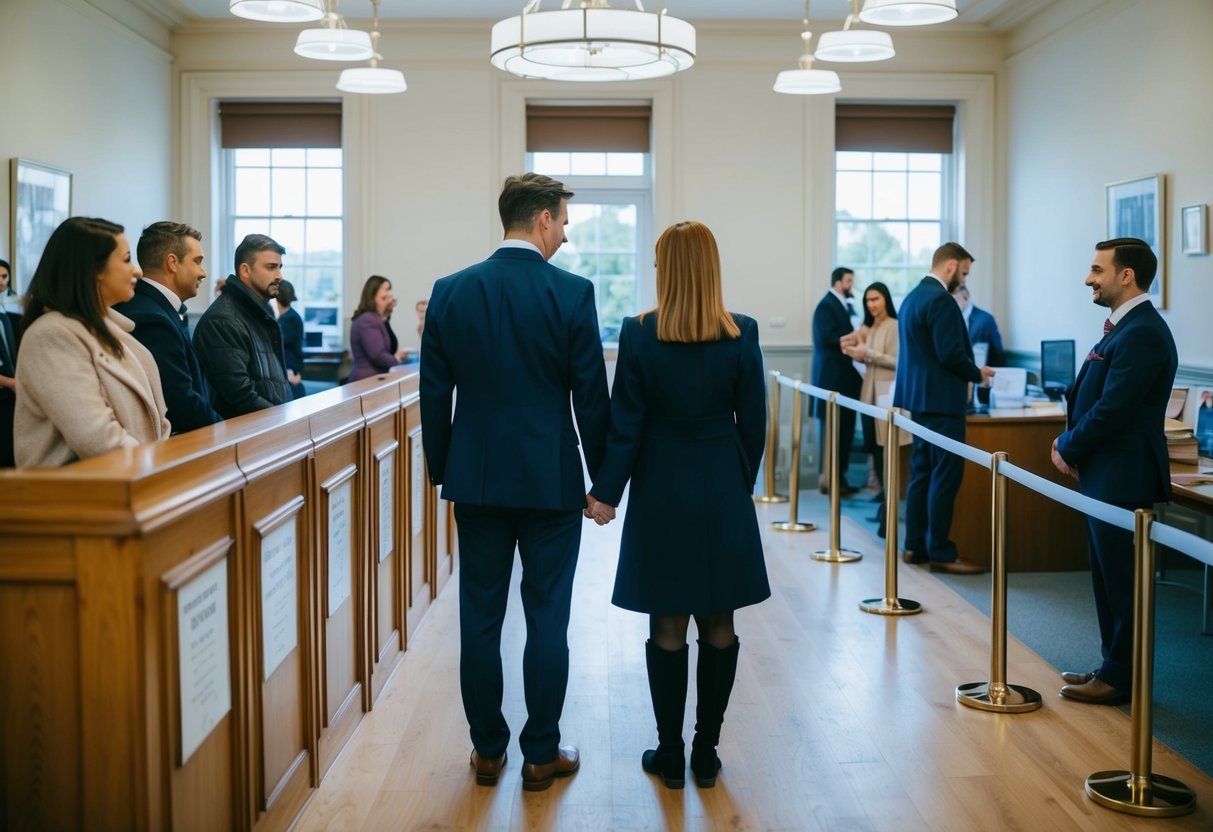
Once you have your free to marry certificate in hand, you can move forward with your plans. This certificate is essential for getting married, but you may also need to keep some records and documents organized for your wedding preparations.
Using the Certificate
Your free to marry certificate proves that you are eligible to marry and shows no legal barriers to your union.
You will need to present this certificate when you book your marriage ceremony at your chosen wedding venue.
Make sure to check the expiry date on the certificate. It is usually valid for a limited time, so plan your wedding accordingly. Some venues may even ask for your certificate before booking to ensure everything is in order.
If you need legal advice about the marriage process, it could be beneficial to consult with a professional before your ceremony. They can guide you on any additional documents you might need.
Records and Further Documentation
After you obtain the free to marry certificate, keep it in a secure place. You may want to create a folder with all your wedding documents. This can include your marriage license, venue contracts, and any other legal paperwork.
If you’re marrying abroad, you’ll need to research the specific documents required by the country where your wedding will take place. Some countries might require translations or additional certifications.
Staying organized helps ensure a smooth process when you finally say “I do.” Don’t forget to keep copies of all important documents, in case they are needed later.