
How Do I Know How Many Flowers to Buy for My Wedding? A Simple Guide for Your Big Day
Planning your wedding can be both exciting and a little overwhelming, especially when it comes to choosing flowers. You might wonder how to determine the right amount of blooms for your special day.
A good rule of thumb is to estimate based on the types of arrangements you want, including bouquets, centerpieces, and personal flowers like corsages and boutonnieres.
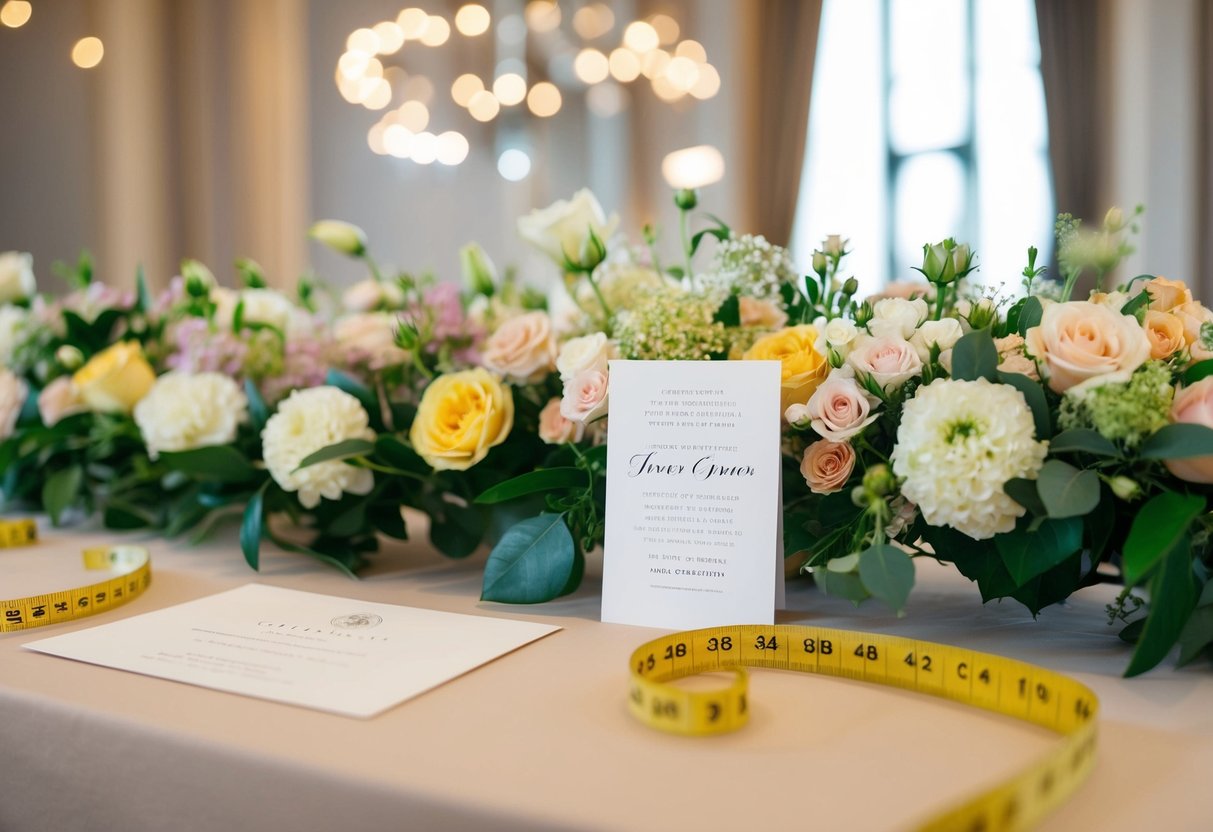
Think about each part of your wedding that will feature flowers. For example, a small bridal bouquet typically requires 15 to 20 flowers, while centerpieces might need a mix of focal flowers and greenery.
Understanding these basics can help you avoid ordering too many or too few.
With a bit of planning, you can achieve the floral look you desire without breaking the bank. Knowing how much to buy will keep your budget on track and ensure your wedding decor is perfectly blooming.
Determining Your Flower Needs
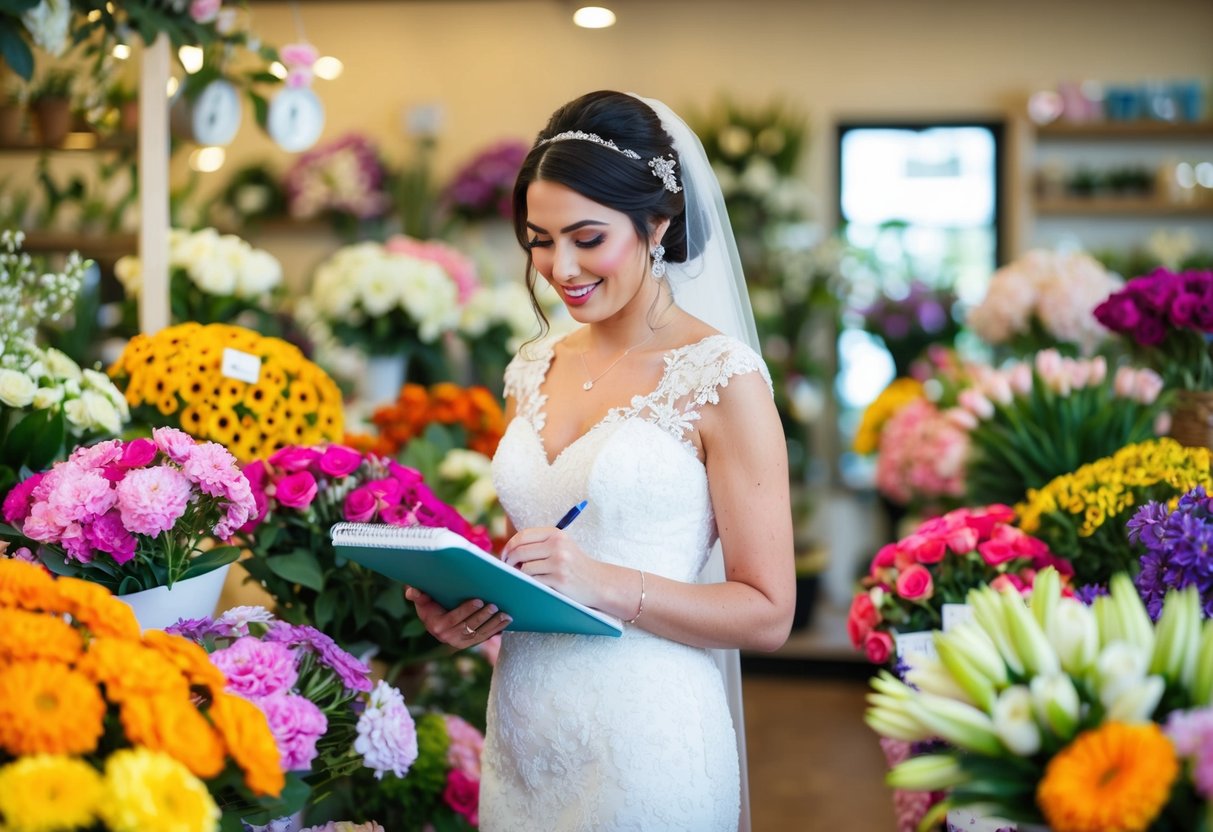
Getting the right number of flowers for your wedding is crucial for both beauty and budget. To help you make the best choices, look closely at the components of your floral arrangements. Also, consider the size of your wedding party and the venue where you’ll celebrate.
Understanding Wedding Flower Components
When planning your flower needs, it’s important to know the key components of your arrangements. Here are common types you might use:
- Bouquets: Expect to need 15-20 flowers for each small bouquet. For larger ones, 20-30 blooms can be appropriate.
- Centerpieces: A typical centerpiece uses about 10-15 focal flowers, 10-12 filler flowers, and 4-5 greenery stems.
- Corsages and Boutonnieres: Usually, 1-2 flowers are needed for each corsage and boutonniere.
Use this flower checklist to jot down which arrangements you want. By identifying the types and sizes of arrangements, you’ll have a clearer idea of the flower quantity required.
Assessing Your Wedding Party Size and Venue
The size of your wedding party heavily impacts how many flowers you need. More attendants usually mean more bouquets and boutonnieres.
Also, think about your venue’s decorations. Are you decorating the ceremony area, reception tables, or both?
For example:
- Ceremony Decor: You might want lush arrangements to line the aisle or at the altar.
- Reception Tables: Plan for one centerpiece per table, plus additional decorations.
Creating a Wedding Flower Budget
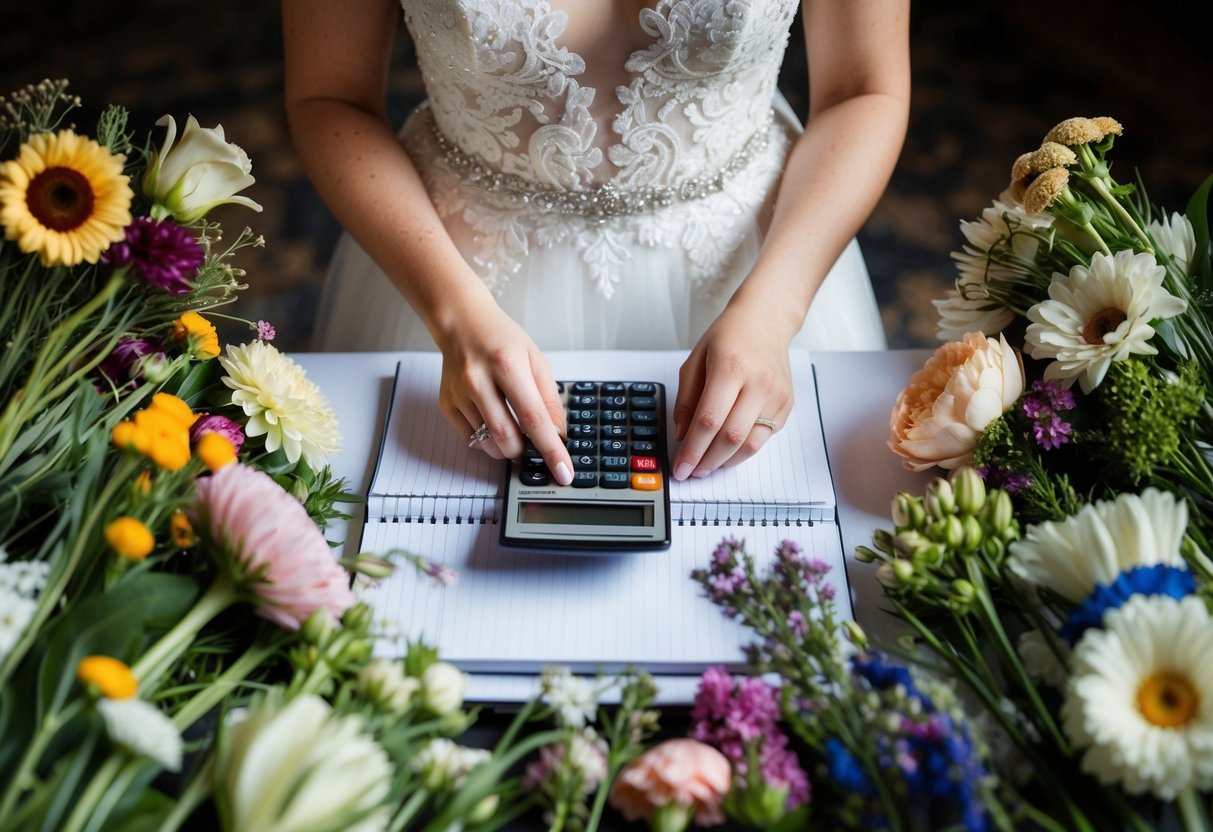
Establishing a flower budget is key to planning your wedding. Knowing how to calculate costs for essential items and allocate funds for additional decor can make the process smoother and more enjoyable.
Calculating Costs for Essential Items
Start by listing all essential floral items you’ll need for your wedding. Common items include the bridal bouquet, bridesmaid bouquets, boutonnieres, and corsages.
Here’s a breakdown of potential costs:
- Bridal Bouquet: $150-$300
- Bridesmaid Bouquets: $75-$150 each
- Boutonnieres: $10-$20 each
- Corsages: $15-$30 each
Next, think about centerpieces if you’re having a sit-down meal. These can range from $50 to $150 each, depending on your preferences.
Don’t forget to include greenery and floral arrangements that can enhance your decor.
Make sure to multiply the number of each item by the quantity you need to get a total estimate for essential flowers.
Allocating Funds for Additional Decor
Once you have a grasp on essential items, consider how much budget you can allocate for additional floral decor. This could include items like bud vases for tables or larger arrangements for your ceremony backdrop.
Create a separate list for these decorative elements. Here are a few ideas:
- Bud Vases: $20-$40 each
- Alter Arrangements: $150-$300 each
- Floral Swags for Arches: $200-$400
Factor in costs for any extras, like delivery fees or setup charges.
Balance your priorities by choosing which elements are most important to you and where you can save. This can help you stick to your budget while ensuring your wedding looks beautiful and reflects your style.
Choosing the Right Flowers
Selecting the right flowers for your wedding is a fun and important step. The flowers you choose should reflect your unique style and fit well with your wedding theme and color palette. Here’s how to make the best choices.
Selecting Flowers Based on Wedding Theme
Your wedding theme plays a big role in choosing flowers. For a romantic theme, opt for soft blooms like roses, peonies, and garden roses. These flowers create a dreamy atmosphere.
If you’re going for a more modern look, consider orchids or calla lilies. They offer sleek lines and elegance.
For bohemian themes, dahlias and ranunculus work beautifully, adding texture and variety.
Think about using a mix of focal flowers, which are your main blooms, along with secondary flowers and filler flowers to create depth in your arrangements.
Considering Color Palette and Flower Types
Your color palette is key when choosing flowers. Start by selecting a few main colors that fit the mood you want. For romantic vibes, soft pastels are ideal.
Consider pairing different flower types for visual interest. Use bright tulips and hydrangeas for a cheerful look.
Don’t forget greenery stems, which can fill out arrangements and add freshness.
You can mix and match lilies with other flowers for a stunning effect. Aim for a balance between vibrant hues and calm shades to keep everything harmonious.
DIY Versus Professional Florists
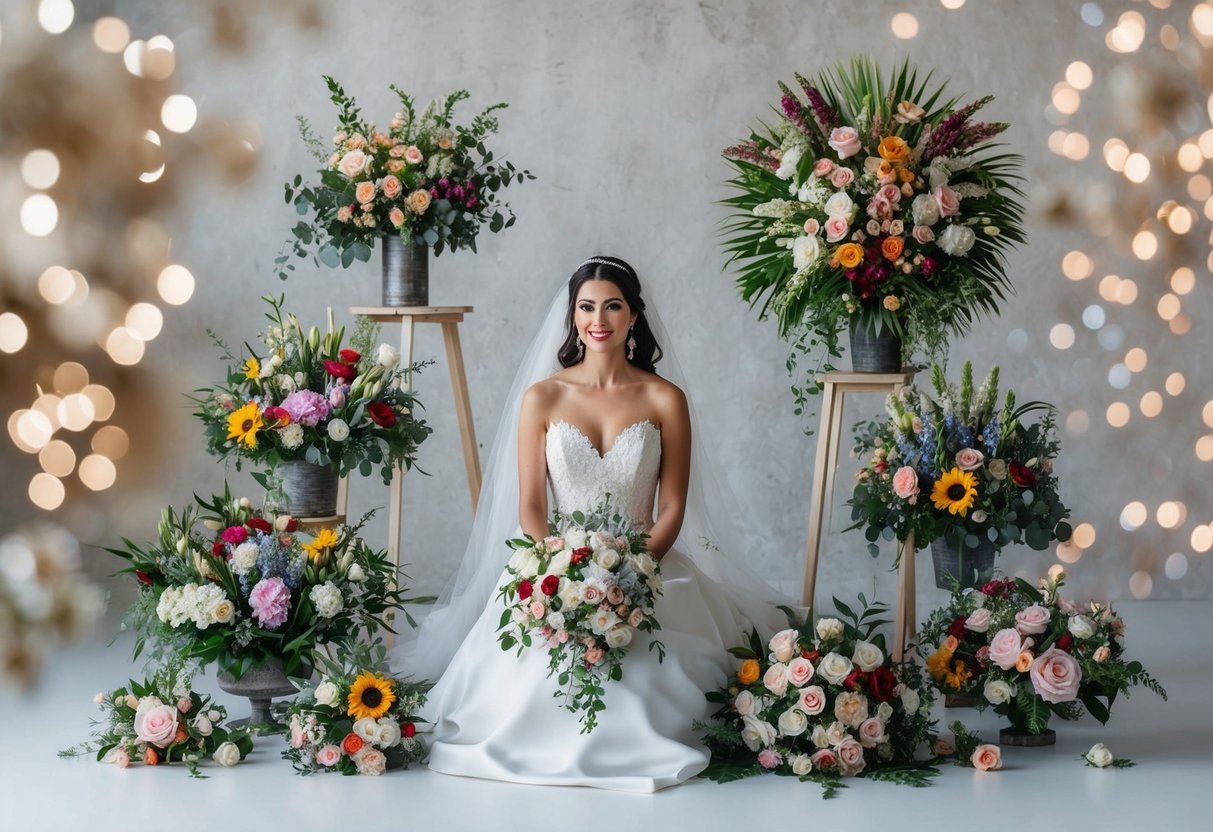
Deciding between DIY arrangements and hiring a professional florist can greatly affect your wedding flowers. Each option has unique benefits and challenges that you should weigh based on your needs and budget.
Pros and Cons of DIY Arrangements
Pros:
- Cost Savings: DIY wedding flowers can cut down your floral expenses significantly. You can buy fresh flowers in bulk and save on labor costs.
- Creative Control: You have the freedom to design your arrangements exactly how you want them. This allows you to tailor your floral design to fit your wedding theme.
Cons:
- Time-Consuming: Arranging flowers is a detailed task that requires time and effort. You may need to dedicate several hours or days leading up to the wedding.
- Skill Level: Without experience, your DIY arrangements may not look as professional. You might need a flower quantity chart to help with the right stem count, which can be confusing.
When to Hire a Professional Florist
A professional florist can be a smart choice if you’re looking for high-quality arrangements. They bring expertise in floral design and know how to handle fresh flowers effectively.
Consider hiring a florist if:
- You Have a Large Wedding: For large events, a pro can manage the logistics. They can calculate the exact flower quantity needed based on guest count, ensuring no one is left without a bouquet.
- Limited Time or Skills: If you are short on time or lack confidence in your flower arranging skills, hiring a professional can alleviate stress. They can create stunning arrangements while you focus on other wedding details.