
How Do I Make a Wedding Planner Portfolio? A Step-by-Step Guide to Showcase Your Skills
Creating a wedding planner portfolio may seem overwhelming, but you need it to showcase your skills in the wedding industry. A strong portfolio includes pictures of your events, testimonials from clients, and a peek into your planning process. This will not only demonstrate your talent but also help you build a professional online presence that attracts potential clients.

Your portfolio should reflect your style and personality as a wedding planner. Consider adding elements like styled photo shoots or past event highlights. These visuals create a story that potential clients can connect with, showing them what you can bring to their big day.
Don’t forget to include an “About Me” section to share your journey and passion for planning weddings. Connecting on a personal level can make a big difference in how clients see you. With the right pieces in place, your wedding planner portfolio will be a powerful tool to launch your career.
Getting Started with Your Portfolio
Creating a wedding planner portfolio requires careful thought and planning. You want to showcase your skills, education, and accomplishments in a way that appeals to potential clients. Here’s how to begin.
Understanding the Basics of a Wedding Planner Portfolio
A wedding planner portfolio is a collection of your best work and achievements. It can include images from past events, timelines, and client testimonials.
Start by gathering samples of your work, like invitations, mood boards, and timeline examples. Make sure to present your work clearly and chronologically. This helps potential clients understand how you can help them.
Focus on quality over quantity. It’s better to have a few excellent examples than a large number of average ones. The goal is to reflect your unique style and organizational skills in wedding planning.
Identifying Your Target Audience
Knowing your target audience is crucial for your marketing strategy. Consider who your ideal clients are. Are they couples looking for affordable options, or do they want high-end services?
Create a profile for your target clients. Think about their values, interests, and what they look for in a wedding planner. Tailor your portfolio to speak directly to them.
Use language and visuals that connect with your audience. If your target is modern couples, include trendy designs and contemporary styles. This will make your portfolio more appealing to specific clients.
Highlighting Your Unique Value and Skills
Your portfolio should show what sets you apart from other wedding planners. Include special skills or services you offer. Do you have experience with unique venues, or are you licensed to provide catering?
List your education and certifications to establish credibility. If you have attended workshops or received awards, make them visible.
Showcase accomplishments with real examples. For instance, if you’ve successfully organized a large wedding on a tight budget, detail how you did it. This proves your capability and can attract potential clients.
Developing Your Portfolio Content
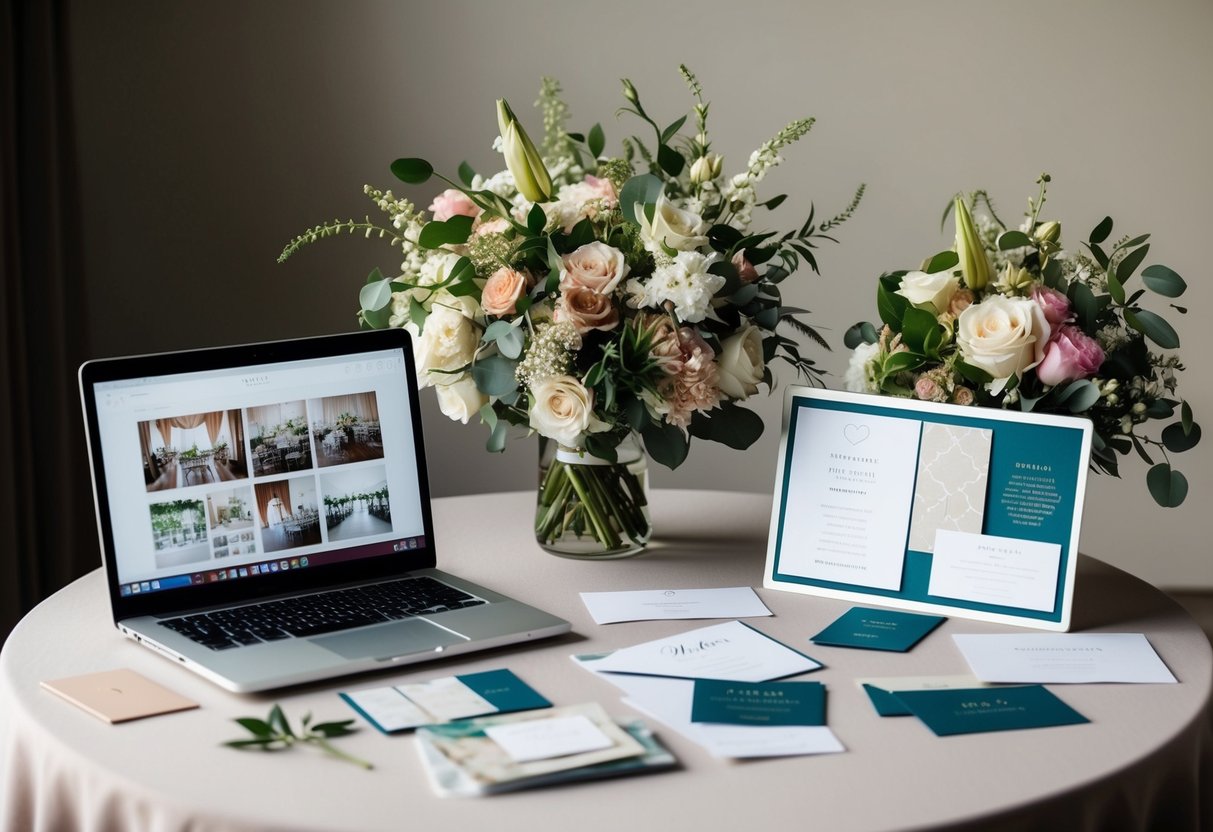
To create a standout wedding planner portfolio, it’s essential to focus on several key areas. Your content should tell a story about your work while showcasing your creativity and professionalism. Here are some important elements to include.
Creating a Compelling Visual Narrative
Start by selecting high-quality professional photography that captures your best work. Images from styled shoots can be particularly effective in showing how well you plan events.
Organize the photos into a cohesive narrative. You might include before and after images to highlight transformations.
Use mood boards or inspiration boards to demonstrate your design process. Pair images with brief descriptions to explain your choices. This approach allows potential clients to visualize their day through your lens.
Including Dynamic and Engaging Materials
Your portfolio should feature dynamic materials like stationery pieces and floral arrangements. These tangible items showcase your attention to detail and creativity.
Consider having a section for behind-the-scenes content. This can include photographs from previous events showing your team in action. It offers insight into how you operate during wedding planning.
Don’t forget to include digital images that illustrate your range. Clear, engaging visuals can help potential clients relate to your style and approach.
Integrating Testimonials and References
Incorporate client testimonials to build trust with potential customers. Short, impactful quotes about your work can make a big difference.
Consider creating a dedicated section for client references. This shows prospective clients that others value your services, enhancing your credibility.
Make sure these testimonials are easy to read and placed prominently. You can pair them with images from the events they refer to, creating a connection between words and visuals.
Building Your Digital Presence
Creating a strong digital presence is key for showcasing your work as a wedding planner. It helps potential clients find you and understand your style. Two main ways to establish this presence are by choosing the right platform for your portfolio and leveraging social media effectively.
Choosing the Right Platform for Your Online Portfolio
Select a portfolio website builder that suits your needs. Options like WordPress, Wix, or Squarespace offer user-friendly tools to create beautiful digital portfolios. You want a site that highlights your services clearly.
Your portfolio should include stunning images from past events. Adding details about your professional memberships, awards, and certifications can boost your credibility. Make sure to set up clear navigation so visitors can easily find what they’re looking for.
Keep your target market in mind when designing your online presence. Tailor your content and images to appeal directly to the clients you want. Regularly update your site to reflect your latest work and services.
Leveraging Social Media to Showcase Your Work
Social media is a powerful tool for connecting with potential clients and other vendors. Platforms like Instagram, Facebook, and Pinterest are ideal for sharing your work and building relationships.
Use social media links on your portfolio website to drive traffic. Share engaging content that highlights your best events. Posting behind-the-scenes footage or client testimonials can create interest and trust.
Engage with your audience by responding to comments and messages. Building a community can lead to referrals and new clients. Remember to maintain a consistent style across all your social media to strengthen your brand identity.
Marketing Your Wedding Planner Portfolio
Building a successful wedding planner portfolio is just the first step. To attract clients, you need effective marketing strategies. Focus on networking, showcasing your skills, and engaging with the broader wedding planning community.
Networking and Professional Relationships
Networking is key to growing your wedding planning business. Start by attending industry conferences and workshops where you can meet other professionals. Speak with photographers, florists, and venue managers. Building these relationships can lead to referrals and collaborations.
Join local wedding planning groups online and participate actively. Share your insights and get to know other planners. This helps you learn about trends while creating valuable contacts. Strong professional relationships can open doors to opportunities and increase your visibility in the market.
Showcasing Accomplishments and Certifications
Your portfolio should highlight your accomplishments and any relevant certifications. Include awards or special mentions you’ve received in press articles or through industry events. This can build trust with potential clients.
Create a digital event portfolio that features images of your best work. Use before-and-after photos to show your event planning abilities. Highlight any certifications in areas like budgeting, design, or event management. This information not only displays your skills but also sets you apart from other wedding planners.
Engaging with the Wedding Planning Community
Visibility in the wedding planning field requires engagement. You can join online forums and social media groups to share ideas and tips. Participate in discussions about topics like wedding trends and challenges facing planners.
Consider writing articles or blogs about your experiences. Sharing this knowledge can position you as an expert. It also helps you connect with couples looking for planners. Focus on topics like the highest paying cities for wedding planners or unique wedding ideas. Don’t forget to promote your portfolio through these channels to reach your target audience effectively.