
How Do I Prepare for a Destination Wedding? Essential Tips for a Stress-Free Celebration
Planning a destination wedding can be both exciting and a bit overwhelming. To prepare effectively, start by choosing a location that resonates with you and your partner. Consider the logistics involved in getting there.
Research local vendors, venues, and accommodations to ensure you create the perfect setup for your dream wedding.
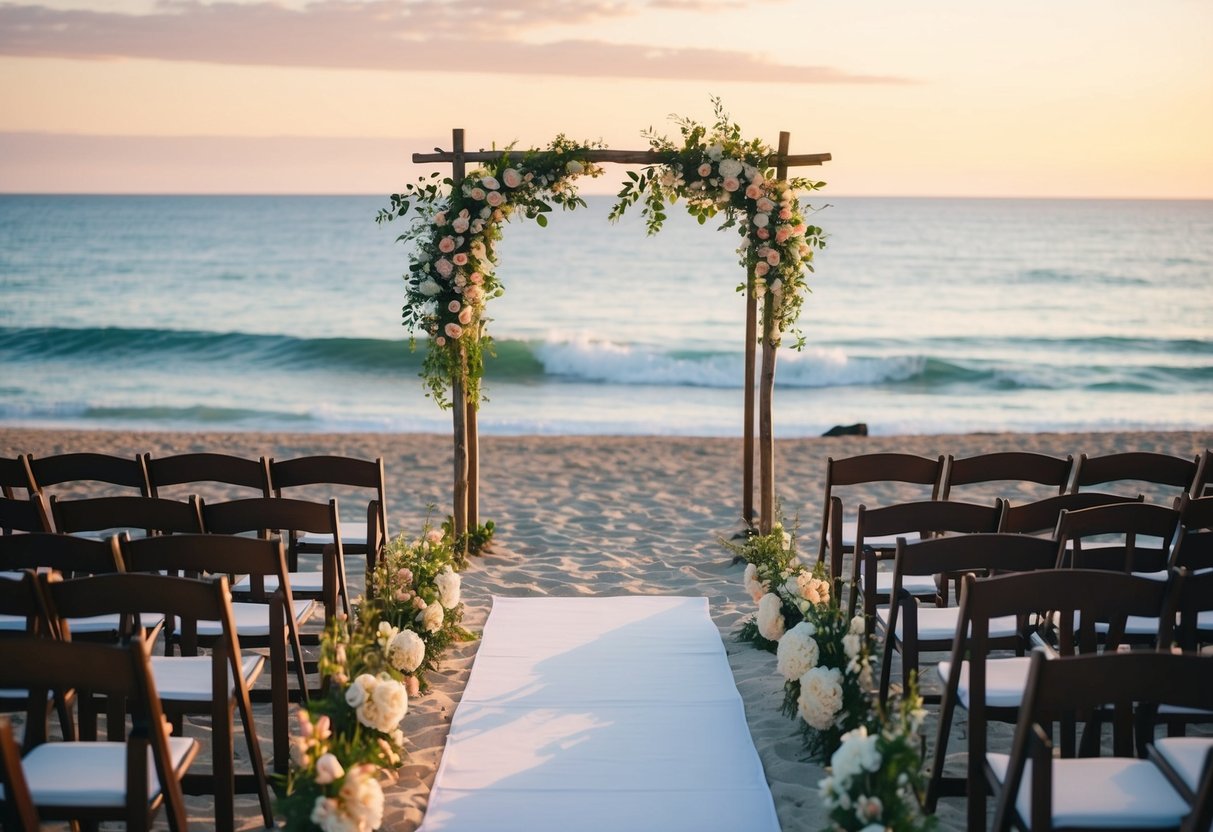
You should also gather important details such as travel arrangements for you and your guests. Think about creating a pre-wedding itinerary that includes fun activities for everyone to enjoy. Engaging with your chosen location and embracing its culture will make your wedding even more memorable.
Remember, careful planning is key to making your dream destination wedding come true. By taking the time to organize all aspects of your wedding, you can focus more on celebrating your special day with loved ones.
Choosing Your Dream Destination
Selecting the right destination for your wedding is a big decision. It’s essential to find a breathtaking location that resonates with you while also considering your guests’ convenience and legal requirements. This will help ensure a smooth and memorable experience for everyone involved.
Scouting Locations
Start by creating a list of potential locations that excite you. Think about places that hold special meaning for you and your partner. Popular choices include beaches, mountains, or historic landmarks.
Visit these locations if possible. This gives you a chance to experience the vibe and scenery firsthand. While there, take notes on venues, accommodations, and activities for your guests.
Make sure to consider accessibility. Check how easy it is for your guests to travel there. Think about transportation options and local accommodations. This will help your guests plan their trip as well.
Understanding Legal Requirements
Every destination has different legal requirements for marriage. Some places may need residency or specific documentation. It’s important to research local marriage laws to avoid any surprises.
Gather necessary documents, like passports or birth certificates, well ahead of time. Consider hiring a local wedding planner to guide you through the legalities. They can help ensure you meet all the requirements for a smooth process.
Don’t forget about the potential need for an official translation if you’re getting married in a non-English speaking country. Being prepared in advance makes the process much easier.
Considering Guest Convenience
Your guests’ experience is vital to the success of your destination wedding. Choose a location that is not only beautiful but also accommodates the needs of your guests.
Think about nearby hotel options, especially for those on a budget. Create different accommodation choices, from luxury hotels to affordable guest houses.
Keep in mind the distance between the venue and accommodations. If guests must travel far, it may become inconvenient. Providing transportation options, like shuttles, can enhance their experience and make everything run smoothly.
Budgeting and Planning
Planning a destination wedding involves several key steps, especially when it comes to budgeting and choosing professionals to help. Understanding your costs and getting the right support can make the process smoother and more enjoyable.
Creating a Wedding Budget
Start by determining your overall wedding budget. This includes all wedding-related expenses, from the venue to decorations and travel costs. Average costs for a destination wedding can range between $10,000 and $15,000.
Break down your budget into categories such as:
- Venue costs
- Catering
- Decor
- Travel expenses for you and your guests
Make sure to leave some room for unexpected costs. Be upfront about your budget with vendors to find options that fit your needs. This will help you avoid overspending and ensure you stick to your financial plan.
Hiring a Wedding Planner
Consider hiring a wedding planner who specializes in destination weddings. They can help coordinate the many details involved, from selecting the perfect venue to arranging accommodations for guests. A wedding planner has experience with local vendors and can often secure better rates on services.
When choosing a planner, look for someone who understands your vision. Confirm their fee structure early on, as this will impact your overall budget. A good planner can save you time and stress by handling logistics, allowing you to focus on enjoying your special day.
The Role of a Travel Agent
A travel agent can be a valuable resource when planning your destination wedding. They help you manage travel arrangements for you and your guests. A knowledgeable travel agent knows the ins and outs of various destinations and can find you the best travel packages.
They understand legal requirements for destination weddings, which can vary by location. Partnering with a travel agent can simplify the booking process and provide your guests with exclusive deals on flights and accommodations. This ensures everyone has a seamless experience as they travel to celebrate your wedding.
Essential Preparations
Preparing for a destination wedding involves careful planning and organization. By focusing on key tasks such as creating a checklist, sending out invitations, and arranging accommodations, you can ensure a smoother experience for you and your guests.
Developing a Checklist
Creating a detailed checklist is one of the most important steps for your destination wedding. Start by listing key tasks such as choosing a venue, hiring vendors, and confirming travel arrangements. Use a destination wedding checklist to help keep everything organized.
Include deadlines for each task to keep you on track. Break down larger tasks into smaller, manageable steps. This way, you will feel less overwhelmed. Make sure to include critical items like wedding insurance to protect your investment.
Sending Invitations and Managing RSVPs
Once your date and location are set, it’s time to send out wedding invitations and save-the-dates. Consider sending digital invitations for quicker communication, but also provide elegant paper invites for a personal touch. Make sure to clearly state the details about travel and accommodations.
Managing RSVPs can be tricky with destination weddings. You might want to use an online tool to track responses easily. Remember to give guests ample time to reply. This ensures they can plan their trip accordingly. Also, consider sending reminders to guests who haven’t responded as the date approaches.
Arranging Accommodations and Activities
Finding guest accommodations is crucial for your destination wedding. Look into a wedding room block at nearby hotels. This can often provide guests with discounted rates. Make sure to share these details in your invitations.
You might also want to suggest fun local activities for your guests to explore. Ranging from tours to cultural experiences, these activities can enhance their trip. Providing a list of options will help your guests plan their stay.
The Wedding Itself
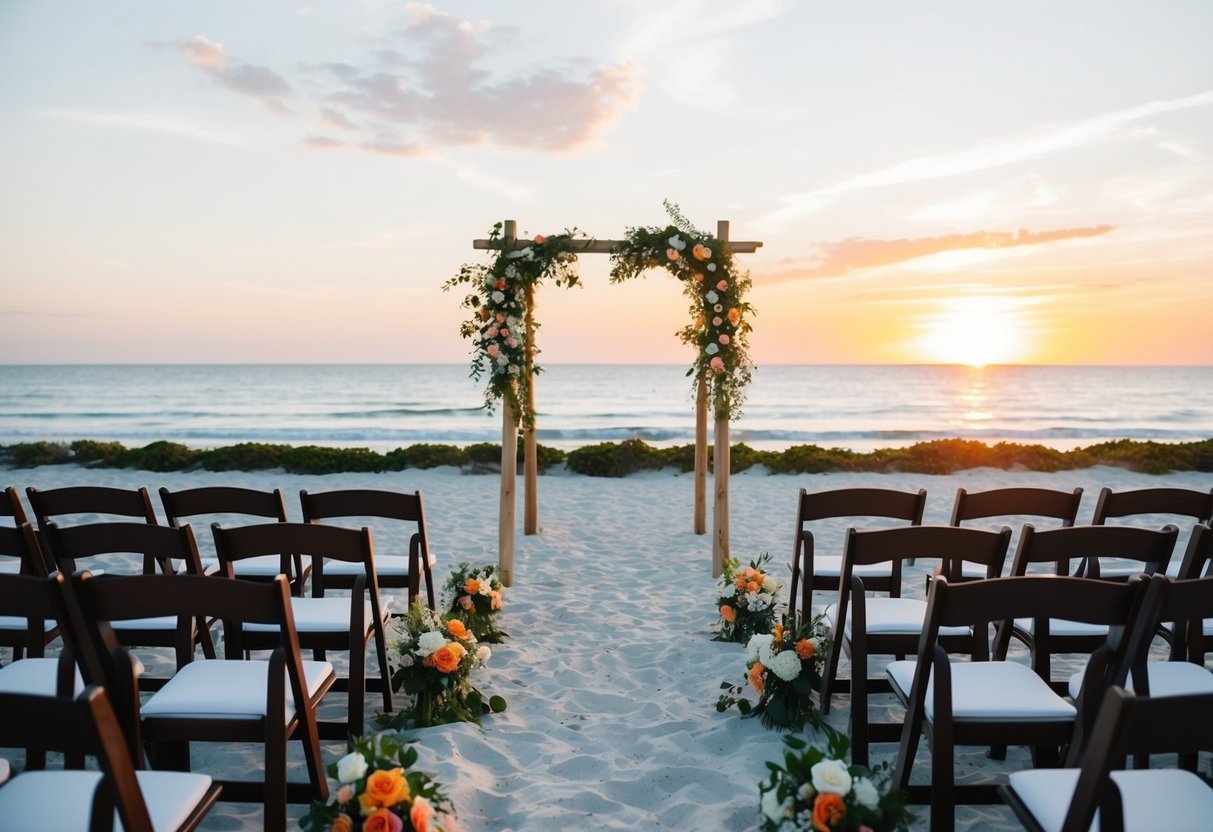
When preparing for your destination wedding, focus on the details that will make your big day stand out. From your attire to the ceremony, each aspect needs careful planning to ensure everything goes smoothly.
Choosing Attire and Themes
Selecting the right wedding dress and attire is crucial. Consider the location’s weather and culture when making your choices.
A light, flowing dress works well for beach settings, while elegant, structured gowns suit more formal venues. Don’t forget your wedding rings! Choose ones that reflect your style, but also consider practicality for your chosen location.
Your wedding theme should match the setting. Coastal colors like blues and sandy tones work well for beach weddings, while rustic themes fit barns or vineyards.
Coordinating the Ceremony and Reception
Planning the ceremony and reception requires attention to detail. Start by choosing a venue that fits your vision. Ensure you can legally marry at your destination by securing a marriage license ahead of time.
Next, think about your wedding menu. Local cuisine can add a special touch. Work with your caterer to create a menu that includes your favorite dishes. Opt for dishes that reflect the culture of the area for a unique experience.
Don’t forget your wedding favors. Simple, local treats can be a delightful reminder of your special day.
Final Touches for a Memorable Experience
Adding final touches can enhance your special day. Consider personalizing items like the ceremony programs or place cards. These small details make guests feel valued.
Create a timeline to ensure everything flows smoothly. Include moments for you and your partner to soak in the day together. Incorporate activities that tie into your wedding theme.
Capture memories with a professional photographer familiar with the location. Discuss must-have shots ahead of time to tell your love story. This will make your wedding experience truly unforgettable.