
How Do I Train Myself to Use a Planner? Tips for Effective Time Management
Using a planner can feel overwhelming at first, but it’s a powerful tool that can change the way you manage your time.
Start by choosing a planner that reflects your needs and style. This can be a physical notebook or a digital app—whatever makes you feel comfortable. By personalizing your planner with colors, stickers, or notes, you make it a unique space that inspires you to use it regularly.
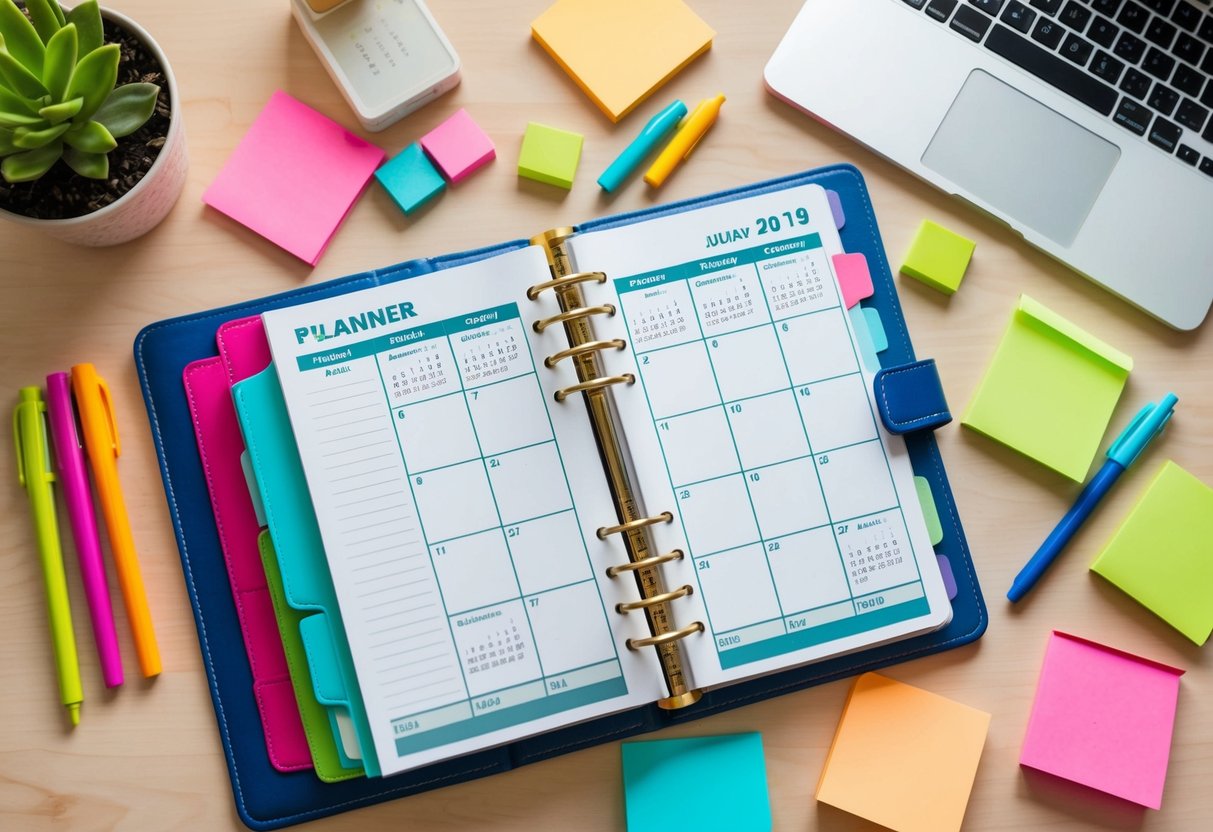
Once you’ve picked your planner, set aside a few minutes each day to write down tasks, goals, and appointments. This simple habit can improve your productivity and help you stay organized.
As you consistently use your planner, you’ll begin to notice the benefits that come with it, like reduced stress and a clearer focus on your priorities.
The key to training yourself to use a planner is consistency. Make it a part of your daily routine and find creative ways to engage with it. Your planner isn’t just a tool; it can become an essential part of your life, guiding you to achieve more and stay organized.
Choosing the Right Planner for You
Finding the right planner is essential for effective organization. It can help you manage your time better and boost your productivity. Here are some key aspects to consider when picking your ideal planner.
Assessing Your Needs
Start by thinking about how you use your time. Do you prefer to plan your day, week, or month?
If you need detailed daily planning, a daily planner might be best for you. If you like a broader overview, a weekly planner or monthly planner can be more suitable.
Next, consider what you want to achieve with your planner. Are you tracking appointments, setting goals, or managing tasks?
Identifying your goals will help narrow down your options and ensure you choose a planner that meets your specific needs.
Types of Planners
There are various types of planners to fit different styles:
-
Digital Planner: Useful for tech-savvy individuals who prefer to access their planner on multiple devices. It often includes reminders and syncing features.
-
Paper Planner: Great for those who enjoy writing things down, as it can improve retention. You can personalize it with notes and stickers.
-
Bullet Journal: Combines creativity and organization, allowing you to customize layouts and track habits, goals, and tasks.
Choose the type that feels most comfortable and effective for you.
Features to Consider
When selecting a planner, pay attention to specific features:
-
Size: Do you want a planner that fits in your bag or a larger version for your desk? The right size affects how often you’ll use it.
-
Layout: Different layouts suit different needs. Options include hourly, daily, weekly, and monthly sections. Pick one that aligns with how you like to see your tasks.
-
Customization: Some planners come with blank pages or sections for notes, while others have structured layouts. Choose based on how much structure you need versus flexibility.
Selecting the right planner involves matching it to your needs and preferences. Make sure it’s a tool that empowers you to stay organized.
Setting Up Your Planner

Setting up your planner is an important step in helping you stay organized and focused on your goals. You’ll create a system that works for you by establishing clear goals and organizing your setup.
Getting Started
Begin with the right supplies. Choose a planner that suits your needs, whether it’s digital or paper.
Gather supplies like pens, highlighters, stickers, and washi tape to make the planner appealing and fun.
Think about your vision for using the planner. Do you want to track daily tasks, set long-term goals, or remember important dates? This clarity will guide your setup process.
Establishing Clear Goals
Setting clear goals is vital to using your planner effectively. Start by defining both short-term and long-term goals. Write them down in a dedicated section of your planner.
Use color coding for different types of goals. For instance, you could use blue for work-related goals and green for personal ones. This helps you quickly see what areas need your attention.
Don’t forget to set important dates like deadlines or upcoming events. Mark these in your planner to keep them visible and remind you to stay on track.
Organizing Your Setup
Now it’s time to organize your planner. Create sections for different areas of your life, such as work, personal, and health.
Use symbols and colors to differentiate tasks. For example, a star can signify “urgent,” while a circle might mean “not urgent.” This simple method keeps your tasks clear and understandable.
Enhance your planner with stickers to make it visually appealing. Labels or tabs can also help you navigate easily. Use washi tape for a decorative touch while highlighting important dates.
By customizing your planner, you create a tool that’s not only functional but also enjoyable to use.
Effective Planning Techniques

To use your planner effectively, you need to focus on time management and staying organized. Two powerful techniques, time blocking and maintaining flexibility, will help streamline your tasks and improve productivity.
Time Blocking and Prioritization
Time blocking is a technique where you divide your day into sections. Each section is dedicated to a specific task or group of tasks. For instance, you can set aside two hours for work projects, one hour for emails, and 30 minutes for lunch.
To make this technique work, prioritize your tasks. Start by creating a to-do list. Next, rank each task based on urgency and importance.
Use your planner to allocate time slots for these tasks. This approach not only keeps you organized but also prevents multitasking, which can reduce your efficiency.
Additionally, consider habit tracking. You can mark when you complete tasks, helping you stay motivated and focused on your goals.
Maintaining Flexibility
While having a plan is essential, being flexible can be just as important. Life can be unpredictable, so be prepared to adjust your blocks as needed.
If a task takes longer than expected, move things around. Use your planner to review your day’s progress regularly. This way, you can identify where adjustments are necessary.
Flexibility allows you to manage unexpected events without losing track of your goals. By being open to changes, you stay on top of your tasks without feeling stressed. Remember, it’s okay to modify your plan. Adapt and make it work for you!
Staying Consistent and Motivated
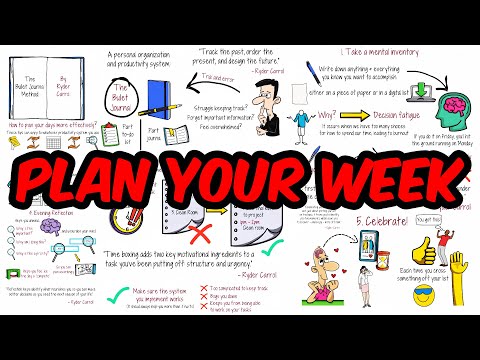
To train yourself to use a planner effectively, consistency and motivation are key. Developing daily habits and tracking your progress will help boost your productivity and keep you engaged in your planning journey.
Daily Planning Rituals
Start your day with a daily planning ritual. Set aside 10-15 minutes each morning to review your goals and plan your tasks. This helps you focus on what’s important.
Consider using a checklist to outline manageable tasks for the day. Break larger tasks into smaller steps to make them less overwhelming. This way, you can tackle them one at a time.
Consistently using your planner at the same time each day helps reinforce the habit. You might choose to do this in the morning with your coffee or at night before bed. This creates a routine that makes planning a natural part of your day.
Tracking Progress and Achievements
Keep track of your progress to stay motivated. Use your planner to note completed tasks each day. Seeing what you’ve achieved can provide a sense of accomplishment.
Set aside time weekly to review and reflect on your progress. This can be a great moment to celebrate achievements, no matter how small.
Recognizing your hard work boosts motivation to keep going.
You could also create a monthly overview page to highlight your successes. This serves as a reminder of how far you’ve come and helps maintain a positive outlook on your planning journey.
Adjusting Your Methods Over Time
As you develop your planning habits, be open to adjusting your methods. Not everything will work perfectly from the start.
If you find certain techniques aren’t keeping you engaged, try new ones.
Experiment with different formats for your planner. You might find bullet journaling or digital planning more effective.
Remember that your needs may change over time. Regularly assess your goals and tasks, and adjust your planning style to ensure it remains effective for your productivity.
Flexibility in your approach leads to better results and keeps your motivation high.