
How Do Newly Married Couples Budget? Simple Tips for Financial Harmony
Starting your journey together as a married couple is exciting, but it can also bring financial challenges.
To budget effectively, newly married couples should communicate openly about their finances, set shared financial goals, and create a clear plan for spending and saving. By doing this, you lay a strong foundation for your life together and can avoid common money-related conflicts.

As you navigate this new chapter, think about what your priorities are as a couple. Discuss your short-term and long-term objectives, whether it’s saving for a dream vacation or planning for retirement.
Creating a budget that reflects these goals will help you both stay motivated and focused.
Budgeting as newlyweds isn’t just about numbers; it’s about teamwork. Regularly check in with each other to adjust your budget as needed. By working together, you can make informed financial decisions that benefit both of you now and in the future.
Setting Financial Foundations as a Couple
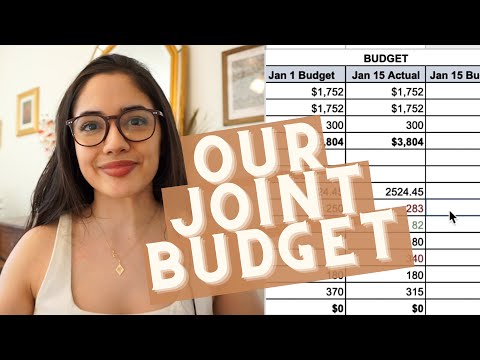
Building a strong financial foundation is crucial for newly married couples. This involves discussing your financial goals, creating a budget together, and determining how each person will contribute to household expenses. Here are some important steps to consider for a successful partnership in managing money.
Discussing Financial Goals
Start by sharing your individual financial goals. Talk about what is most important to each of you. This can include saving for a home, planning for vacations, or paying off debt.
It’s helpful to list your shared financial priorities. Write down both short-term and long-term goals. Make sure these goals reflect both your desires and your partner’s values. Open communication is key.
A solid way to keep track is to create a vision board or a joint document where you can both add your ideas and progress. Regularly check in on these goals to stay aligned and motivated.
Creating a Joint Budget Approach
Once you have your goals in place, it’s time to create a budget. A successful budgeting approach combines both your incomes and expenses.
List all your monthly expenses, such as rent, utilities, groceries, and entertainment. Then, decide on how much of your income you want to allocate toward savings and investments.
Consider using budgeting tools or apps to track your spending. Schedule regular budgeting meetings to review and adjust your budget as needed. This will help strengthen your relationship and develop a routine of financial teamwork.
Determining Household Contribution
Next, discuss how you will divide household expenses. Determine what feels fair based on your incomes and financial goals. Some couples split expenses evenly, while others prefer to contribute based on their earning capacity.
You might consider maintaining individual accounts while also having a joint account for shared expenses. This balance can help you maintain financial independence while supporting your partnership.
By discussing household contributions openly, you’ll encourage transparency and build trust. This approach can lead to a stronger foundation for financial stability in your marriage.
Practical Budgeting Tools and Techniques

Managing your finances as a newly married couple can be rewarding. By using the right tools and techniques, you can create a solid budget, track your income and expenses, and build savings for the future. Here are some practical methods to help you achieve your financial goals.
Choosing Budgeting Apps and Tools
Start by picking a budgeting app that fits your lifestyle. Look for features like expense tracking, budget categories, and syncing with your bank accounts.
Popular options include Mint, YNAB (You Need A Budget), and PocketGuard. These apps help you monitor your household budget regularly.
When selecting a tool, consider whether you prefer mobile apps or desktop options. Some couples enjoy collaborative tools that allow both partners to manage finances in real time. Take a moment to assess your habits and choose a platform that both of you find easy to use.
Tracking Income and Expenses
You need to keep a close eye on your income and expenses. Start by listing all your sources of income, such as salaries, bonuses, or side gigs.
Next, list your household expenses, including rent or mortgage, groceries, utilities, and entertainment. A simple spreadsheet can work great for this.
Categorize your spending into fixed and variable expenses. This helps you see where your money goes each month. By tracking your expenses, you can identify areas where you might cut back and stick to your monthly budget more effectively.
Managing Savings and Emergency Funds
Building a savings plan is crucial for financial security. Set specific savings goals, such as vacations or a new home. Aim to save a certain percentage of your income each month.
An emergency fund is essential, too. Try to save three to six months’ worth of living expenses. This fund will help you avoid financial stress during unexpected situations. Use a high-yield savings account to make your savings grow faster while keeping them accessible.
Addressing Debts and Spending Wisely

It’s important for newly married couples to manage debt effectively while also keeping an eye on spending habits. By creating a structured approach to debt repayment and budgeting for discretionary costs, you can make solid financial decisions together.
Creating a Plan for Debt Repayment
Start by listing all your debts, including credit card debt and other loans. Knowing what you owe helps you feel in control.
Discuss how much money you can allocate each month for debt payments.
Consider using the snowball method, where you focus on paying off the smallest debts first. This can boost your motivation as you see quick wins. Don’t forget to include mandatory bills and necessary expenses in the budget meeting.
Also, set aside an emergency fund to cover unexpected costs. This strategy helps prevent more debt when surprises come up. Stick to this plan, and reassess it every few months to ensure you’re making progress.
Considering Discretionary Spending
While it’s vital to tackle debts, managing discretionary spending is equally important.
Identify non-essential expenses like eating out or entertainment. Create a list of these spending habits and set reasonable limits for each category.
You might decide to allocate a certain amount for fun activities each month. This way, you can enjoy life while keeping your budget on track. Discuss these limits openly to avoid misunderstandings.
When you stick to your budget for discretionary spending, you’ll feel less guilty about your choices. Review these spending habits regularly to ensure they align with your financial goals.
Prioritizing Major Financial Decisions
Making major financial decisions as a couple requires planning. Think about things like buying a home or saving for a vacation.
It’s important to prioritize these decisions based on your current financial situation.
Start by discussing your long-term goals. Determine how these major expenses fit into your budget. For instance, you may need to delay certain purchases to pay off debt first.
Keep communication open during discussions about financial decisions. Schedule regular budget meetings to check in on your progress and make adjustments together. This teamwork can help mitigate potential budgeting mistakes and strengthen your financial partnership.
Planning for the Future Together

As a newly married couple, planning for the future involves discussing important financial goals and strategies. This preparation helps you both stay on the same page and work towards your dreams together.
Retirement and Long-Term Savings
Thinking about retirement may seem far off, but starting early can make a big difference.
Open retirement accounts like a 401(k) or IRA. Match contributions if your employer offers it; free money is hard to beat.
Aim to save at least 15% of your income for retirement. This way, you can enjoy your later years without financial stress. Discuss your long-term goals and set up a savings plan together.
Consider both your financial milestones and any unexpected expenses that may come up. Having a solid plan for retirement will give you confidence as you move forward together.
Adjusting Budget for Life Changes
Life can be unpredictable. You might face new expenses like moving, starting a family, or even health insurance costs.
Regularly review your budget to account for these changes.
Create a flexible spending plan that allows for both planned expenses and emergencies. Discuss your priorities, and be prepared to compromise on how to allocate your money.
Remember to adjust your savings goals as life changes occur. Revisit your financial plan regularly to stay aligned on your goals. This practice keeps your financial future secure and lets you adapt as a couple.
Seeking Professional Financial Advice
Sometimes, consulting a financial planner can be beneficial. They can offer personalized advice that suits your unique situation. A planner can help you set realistic goals and navigate the complexities of budgeting and saving.
Don’t hesitate to schedule regular “money talks” to discuss your finances. Open communication is key to your financial success. A financial advisor can also assist with retirement savings strategies and investment options to grow your money.
Investing in professional guidance may save you worry and help you achieve your goals faster. Working together with an expert can strengthen your financial future.