
How Do You Avoid Plus Ones at a Wedding? Tips for Keeping Your Guest List in Check
Weddings are special occasions meant to celebrate love, but handling guest lists can be tricky. Many couples face the challenge of managing plus-one requests while keeping their guest count in check. To avoid plus ones at your wedding, make sure your invitations clearly state that the invite is for the named guests only. This simple step can save you a lot of stress and ensure that your wedding day feels intimate and personalized.
Communication is key when it comes to wedding etiquette. If guests reach out asking about bringing a plus one, you can politely explain that your venue has limited space or that you want to keep things cozy. By being upfront and courteous, you can set clear expectations without hurting feelings. It’s all about creating a joyful atmosphere for everyone on your big day.
As you plan your wedding, remember that it’s entirely reasonable to limit plus ones. Guests will appreciate your honesty, and you’ll create a more meaningful experience for those closest to you. Embracing this approach will help you focus on what truly matters: celebrating love with your favorite people.
Understanding Plus-One Etiquette

When planning your wedding, it’s important to know how plus-ones work. Deciding who gets a plus-one can affect your guest list and the overall experience for your attendees. Here’s what to consider.
Who Gets a Plus-One?
Not everyone on your guest list needs a plus-one. Generally, couples in long-term relationships or those who are married should be allowed to bring a guest. This helps keep the atmosphere comfortable.
Single guests may not always expect a plus-one, especially if they don’t have a partner. Family members often get priority with plus-ones, but think about your closest friends and their feelings too.
When deciding, consider your budget. The more guests you allow, the more costs can add up quickly.
Impact of Plus-Ones on Your Wedding
Plus-ones can change the dynamic of your event. Each additional guest may create more interactions and noise, so it’s essential to think about how this will influence the atmosphere.
Having excess plus-ones can also lead to difficult feelings among guests who do not receive one. This is where plus-one etiquette comes into play. You want everyone to feel included without overwhelming your venue.
Balancing your guest list is crucial. If you choose to limit plus-ones, be honest with your guests about why certain friends or family members may not receive them. Clear communication helps reduce misunderstandings and awkwardness.
Crafting Your Guest List
Creating your guest list is a crucial step in planning your wedding. Focus on who you really want to celebrate with and keep your ceremony’s space limitations and venue capacity in mind. You can manage plus ones by being clear about your intentions from the start.
Determining Your Guest Count
Begin by making a list of immediate family and close friends you can’t imagine celebrating without. These should be your top priority.
Next, think about the venue capacity. If you have a specific number in mind, it’s helpful to keep track of how many invites go out. You might find it beneficial to use a spreadsheet to tally your numbers.
After you have your must-invite list, you can consider any additional guests. Remember to include only those who mean a lot to you. If your guest list is lengthy, you may need to limit plus ones to only those who are in serious relationships.
Addressing Invitation Wording
The wording on your wedding invitations can help manage expectations about plus ones. Be clear in your RSVP instructions.
Instead of a vague plus-one invitation, use specifics like “We have reserved 1 seat in your honor.”
If you want to limit plus ones, consider wording that politely excludes them without offending anyone. For example, you could say, “We look forward to celebrating with you!” This keeps the focus on the invited guest.
Additionally, if you need to clarify your guest list approach, use your wedding website. This is a perfect place to explain your choices and set clear expectations regarding attendance. Clear communication is key to a smooth celebration!
Strategies for Budget and Space Limitations
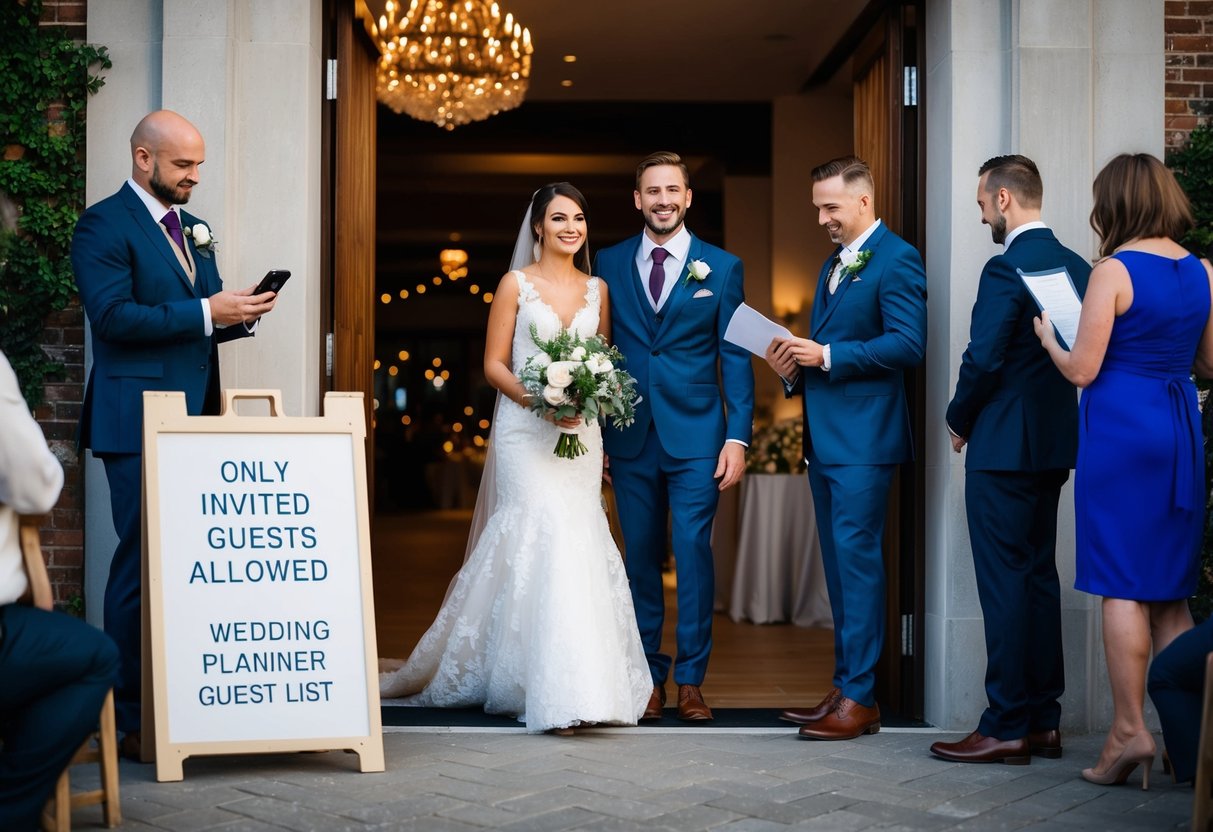
Weddings can be costly, and space constraints often come into play. It’s important to manage financial and capacity challenges while still planning a memorable event. Here are some specific strategies to help you navigate these issues effectively.
Managing Financial Limitations
To keep your wedding budget in check, it’s crucial to prioritize your spending.
Start by creating a detailed budget that lists all potential expenses like venue, catering, and décor.
Consider the following tips:
- Be selective with your guest list: Limit your invites to close family and friends. This helps reduce costs drastically.
- Set a clear plus-one policy: Let guests know upfront if plus-ones are not allowed. Use phrases like “We kindly request no additional guests” to make it clear.
- Choose a less expensive venue: Look for places that offer good value but still create the atmosphere you desire.
Navigating Venue Capacity
Understanding your venue’s capacity is key to managing your guest list. Most venues will have a specific number of guests they can accommodate comfortably.
- Know your numbers: Before sending out invitations, check the venue’s guest capacity. This will guide you in making tough decisions.
- Communicate limitations: If your venue can’t support plus-ones, explain this to your guests. A polite note about space limitations can help them understand.
- Consider a smaller venue: If space allows, a cozy setting may encourage a more intimate celebration without the need for extra guests.
Planning an Intimate Affair
An intimate wedding can be both beautiful and cost-effective. Focusing on a smaller event helps create a unique experience.
- Create meaningful experiences: With fewer guests, you can spend more on quality elements like food and entertainment.
- Personalize your invitations: Craft each invitation with care. This makes your guests feel special and appreciated, even without a plus-one.
- Encourage connection: Use seating arrangements that promote conversation. This allows guests to mingle and enjoy each other’s company.
Communicating Your Plus-One Policy
Clear communication is essential to ensure your guests understand your plus-one policy. It helps avoid confusion and ensures everyone feels appreciated. Here’s how you can effectively share this information.
Wording Your Invitations and RSVP Cards
When you send out your wedding invitations, make your plus-one policy clear right from the beginning. Use the wording on your RSVP cards to specify who is invited.
For example, you can write “We have reserved seats for you only” or “Regretfully, we can only accommodate the guests named on this invitation.” This wording is polite yet direct, helping to set clear expectations.
Additionally, consider including a line in the invitation like, “Due to limited space, we cannot invite extra guests.” This approach is friendly and keeps the tone positive while reinforcing your policy. Your invitations should help avoid misunderstandings.
Updating Your Wedding Website
Having a wedding website is a great place to elaborate on your plus-one policy. Create a section dedicated to FAQs where you explain your guest list and seating arrangements.
Use clear and straightforward wording, such as, “Due to venue limitations, we won’t be able to accommodate plus-ones beyond those named on the invitation.”
Ensure your guests know they can check the website for any important updates regarding the wedding. This way, if they have questions about the plus-one policy, they can get the information easily and quickly. Your website should serve as a helpful guide and not create confusion.
Dealing with Surprise Plus-Ones
Despite your best efforts, you might encounter surprise plus-ones on the day of the wedding. When this happens, it’s important to stay calm and polite.
If someone shows up with an uninvited guest, kindly let them know that the venue is at capacity and you can’t accommodate extra people.
You can say something like, “I’m so glad you’re here! Unfortunately, due to our seating arrangements, we can’t allow additional guests.” Keeping your tone friendly helps manage the situation while still being firm about your policy.
Remember, clear communication before the event can reduce these awkward situations.