
How Do You Deal with Toxic Wedding Guests? Tips for a Stress-Free Celebration
Planning a wedding is filled with joy, excitement, and sometimes unexpected challenges. One of those challenges can include dealing with toxic wedding guests. To handle these difficult situations, trust your gut and set clear boundaries. You deserve to enjoy your special day without negative energy or unnecessary drama.
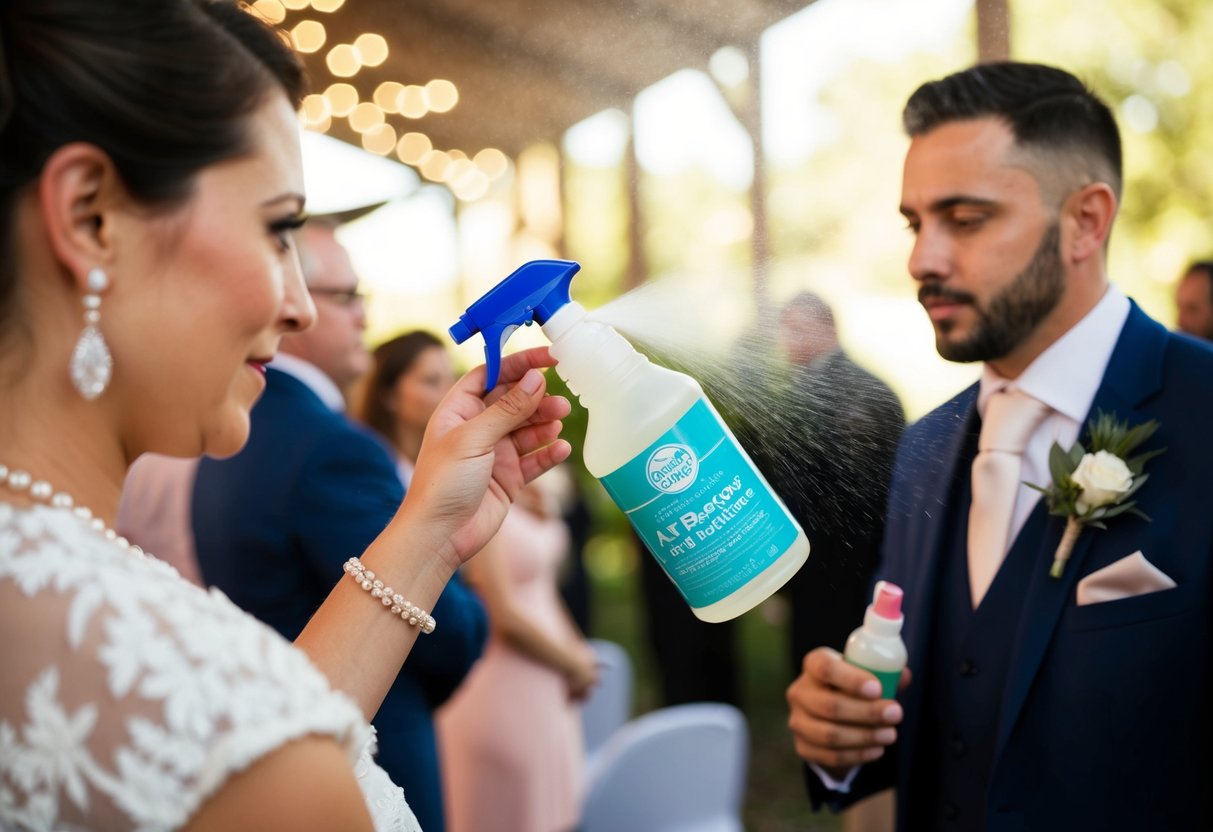
It’s important to recognize that not everyone at your wedding will support you or your relationship. Some guests may create tension or stir up conflicts. By identifying these individuals early on, you can be better prepared to manage their behavior during the event.
Remember, prioritizing your happiness is key, so don’t hesitate to take action when needed.
As you navigate the planning process, keep communication open with your partner and trusted friends. They can provide support and advice as you set the tone for your celebration. Simply knowing you’re not alone can make a big difference in how you approach potentially toxic guests.
Identifying Toxic Behavior

Recognizing toxic behavior at weddings is crucial to maintaining a positive atmosphere. This section will help you spot signs of toxicity, address issues with drunk guests, and manage misbehaving attendees.
Recognize the Signs
Identifying toxic guests starts with being aware of their behavior. Look for signs such as constant negativity, criticism, or belittling comments. Toxic family members may try to undermine your happiness or make you feel guilty about your choices.
Pay attention to how they interact with others. Are they dismissive or disrespectful? Do they start conflicts unnecessarily? Remember, their toxic behavior can affect the mood of your special day.
Keep a mental note of moments that make you feel uncomfortable. This awareness helps you take action if needed.
Dealing with Drunk Guests
Alcohol can bring out the worst in some people. If you have a drunk guest who’s becoming disruptive or overly emotional, it’s important to step in promptly.
First, try to talk to them calmly. Politely ask if they can take a break or step outside. If they refuse, seek help from a friend or a server.
Having a plan for dealing with intoxicated guests can save your celebration. Consider a designated area for drinking or limit the alcohol served during certain hours.
Handling Misbehaving Guests
Misbehaving guests can create stress during your wedding. If someone is causing trouble, it’s essential to address it without escalating the situation.
You can speak directly to the guest in a calm and friendly tone. Explain that their behavior is unacceptable and request that they stop.
If the issue continues, enlist the support of a reliable friend or security personnel. It’s important to prioritize your happiness and the comfort of your other guests. Take action early to prevent further disruptions and to keep the day enjoyable for everyone.
Planning and Prevention Strategies

Planning your wedding can be joyful, but dealing with toxic guests can cause stress. By taking proactive steps, you can reduce the chance of drama. Setting boundaries and communicating expectations are key. Involving a wedding planner can also help keep things smooth.
Setting Clear Boundaries
When preparing for your wedding, it’s essential to set clear boundaries with your guests. Think about what behaviors are unacceptable. For example, if a guest tends to create drama, let them know in advance that negative behavior won’t be tolerated.
Share your boundaries with trusted friends and family too. They can help reinforce your limits during the event. Make a list of specific behaviors to avoid, like gossiping or criticizing. Having this clarity can help you feel more in control on your big day.
Communicating Expectations
Effective communication is vital to avoiding misunderstandings. Before the wedding, reach out to your guests to outline your expectations. You might send a friendly message or include notes in your invitations.
Let your guests know what to expect, such as the dress code, behavior at the ceremony, or any activities planned. If certain guests need special considerations, make these exceptions clear. This can help create a positive atmosphere and keep tensions low.
Involving Your Wedding Planner
A wedding planner can be a great ally when it comes to managing guests. They have experience dealing with tricky situations and can act as a buffer between you and any difficult guests.
Discuss your concerns with your planner ahead of time. Make sure they understand your boundaries and expectations. They can handle guests who try to overstep, allowing you to focus on enjoying the day. A trusted planner can help coordinate responses and ensure everyone stays on track.
During the Wedding
Handling toxic guests on your wedding day can be challenging. With the right support and a clear action plan, you can navigate difficult situations more comfortably.
The Role of the Wedding Party
Your wedding party is your backbone on this special day. They should know who the difficult guests are and be prepared to step in if things get tense.
Make sure you have a chat with them before the ceremony. Explain any specific behaviors to watch for and how they can help diffuse issues.
If a situation arises, your wedding party can act quickly. They might choose to redirect the guest’s attention or even lead them away from a stressful situation.
Having this support will help you enjoy your day, letting you focus on your celebration rather than conflict.
Implementing the Action Plan
Before the wedding, create a clear action plan for dealing with toxic guests. Share this plan with your wedding party to ensure everyone is on the same page.
Consider establishing a safe word or cue that signals to your team when intervention is necessary. This can be a simple gesture or phrase.
If a difficult guest starts causing trouble during the event, your wedding party can intervene discreetly. They can escort the guest to a different area or calmly address the behavior.
Remember to remain composed. This will help you and your guests stay relaxed. With a solid action plan, you can focus on enjoying every moment of your special day.
Prioritizing Mental Health

Planning a wedding can be stressful, especially when dealing with toxic guests. It’s essential to prioritize your mental health during this time. Here are some simple ways to do that:
Set Boundaries
Decide what behavior you will accept. Communicate these limits clearly. Whether it’s skipping family dinners or limiting phone calls, protecting your space is important.
Take Breaks
Remember to take time for yourself. A short break can recharge your energy and clarity. If you need to step back quietly, that’s fine.
Seek Support
Talk to trusted friends or family about your feelings. They can offer advice, comfort, and perspective. Having someone to share your thoughts with can lighten your emotional load.
Prioritize Positive Relationships
Focus on the people who uplift you. Spend time with those who make you feel good. Surrounding yourself with positivity can make a big difference.
Practice Self-Care
Engage in activities that bring you joy and relaxation. Whether it’s reading, exercising, or enjoying a hobby, make sure to carve out time for yourself.
Taking care of your mental health is not selfish; it’s necessary. By putting your well-being first, you’ll be better prepared to handle any challenges that come your way.