
How Do You Decide Who to Invite to a Small Wedding? Tips for Creating Your Perfect Guest List
Deciding who to invite to a small wedding can feel overwhelming. You should start by thinking about the people who truly matter in your life. Focus on close friends, family, and those who have supported your relationship. An intimate wedding is a chance to celebrate your love with the people who mean the most to you.
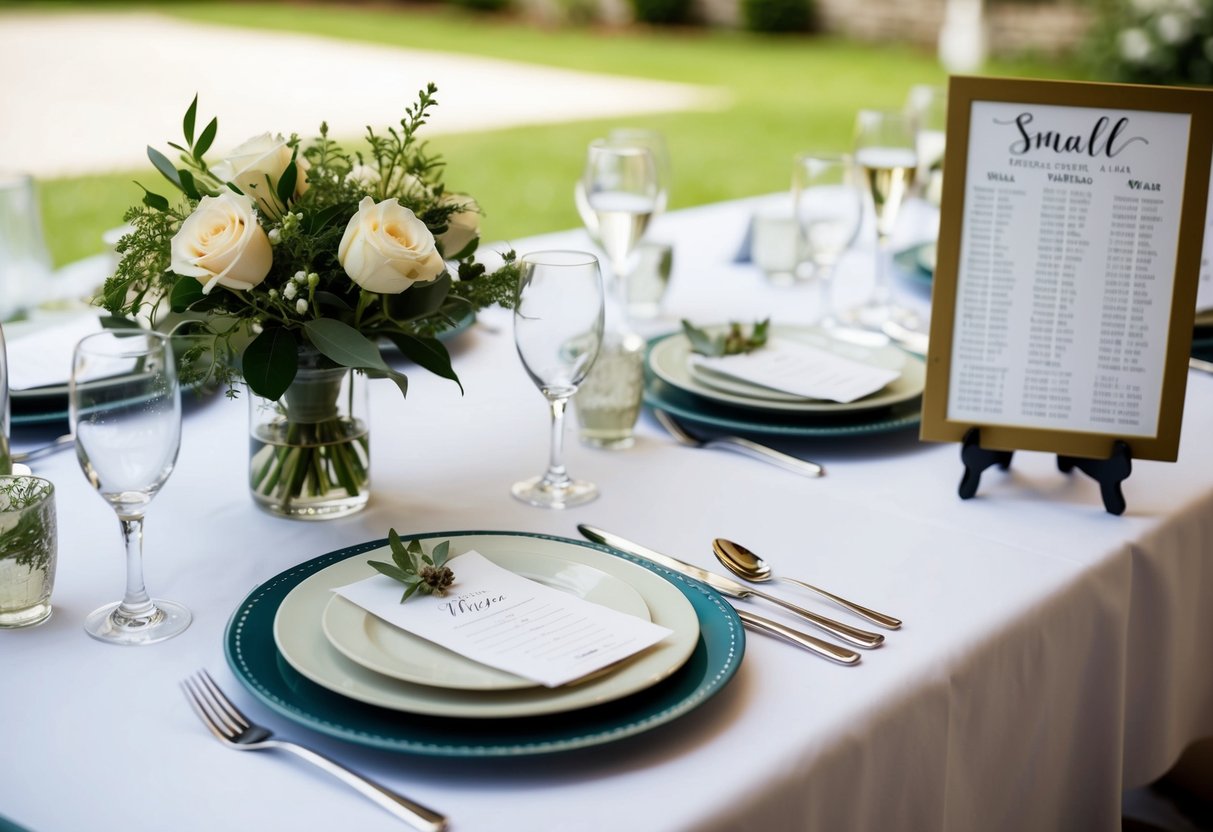
Consider the size and style of your wedding as you create your guest list. You might want to limit it to those who contribute to your happiness. When you think about your memories and experiences, you’ll find it easier to choose the right guests who fit your vision for an intimate celebration.
It’s also important to remember that you don’t have to invite everyone. If someone is no longer a close part of your life, it’s okay to leave them off the list. Trust your instincts and focus on the quality of your guest list over the quantity, creating a warm and loving atmosphere for your special day.
Understanding the Basics
When planning an intimate wedding, understanding the basics is crucial. It sets the foundation for who you want to invite. Key factors include your vision for the wedding, the size of your guest list, and the limitations of your venue. Each of these elements play a big role in your decisions.
Establishing Your Vision for the Wedding
First, take some time to think about your ideal wedding day. Do you envision a formal event or a relaxed celebration? The style and atmosphere you want will shape your guest list. For example, a cozy gathering may feel right with just your closest family and friends.
Write down the emotions you hope to evoke: joy, love, and connection, for instance. This plan will guide you as you decide who shares in your special moments. The type of celebration you choose will directly influence who you invite.
Determining the Scope and Size
Next, consider how many people you want to invite. Small weddings usually have fewer than 50 guests. To help narrow down your list, think about your relationships. Here’s a simple way to categorize potential guests:
- Immediate Family: Always a priority.
- Close Friends: Those who support you regularly.
- Extended Family: Consider if you have the space and budget.
- Work Friends: Only include them if you feel a strong connection.
Once you have a rough idea of your guest size, you can adjust as needed, especially if you face budget constraints.
Exploring Venue Capacity and Restrictions
Finally, assess your chosen venue. Each location has different capacities. Many intimate wedding venues comfortably hold up to 50 guests, giving you a range to consider without feeling cramped.
Make sure to ask about any restrictions or requirements. Some venues might not allow children or specific decorations. Knowing these details helps you plan your guest list while ensuring a stress-free wedding celebration. A well-chosen venue complements your vision and helps create the right atmosphere.
Crafting Your Guest List
Creating your guest list for a small wedding can feel challenging. It’s essential to focus on those who matter most to you. Prioritize your immediate family and closest friends first, then consider your extended family and other important social connections.
Prioritizing Immediate and Close Relatives
Start by listing your immediate family. This includes parents, siblings, and children. Their presence can make your day feel complete. Next, think about close relatives like grandparents or aunts and uncles who have been part of your life.
Make it a point to consider how often you connect with these individuals. If you see them regularly and they play a significant role in your life, they should be on your list.
Extended family members, like cousins, may be less crucial for a small wedding but consider including them if you share a close bond. Aim for balance; you want to enjoy the day with people who truly matter.
Deciding on Friends and Family Friends
Next, focus on your friends. Begin with your closest friends who have supported you over the years. These are the friends who make you laugh and bring joy to your life. Think about friends from different phases of your life—school friends, college buddies, or those from work.
Don’t forget about family friends who have been part of gatherings and celebrations. If they feel like family, include them. However, avoid the urge to invite every acquaintance. A small wedding means you can be selective to keep it intimate and meaningful.
Considering Professional and Social Circles
While your wedding day is personal, professional and social connections can also play a role. Think about co-workers or mentors who have had a positive impact on you. If you’ve become close to them, consider including them in your small celebration.
School friends or acquaintances can also be included but think carefully. Ask yourself if they will enhance your day or if it may feel awkward.
The people you invite should create an atmosphere of warmth and support as you celebrate your special day.
Budget and Logistics
Planning a small wedding requires careful consideration of your budget and logistics. You want to maximize your resources while ensuring a smooth experience for both you and your guests.
Allocating Resources Efficiently
First, determine your wedding budget. List out all potential expenses, including the venue, food, decor, and any other costs. This will help you decide how much you can comfortably spend on the guest list.
Next, think about your venue capacity. A smaller venue can save money and create an intimate atmosphere. Choose a location that fits your budget and allows for your desired number of guests without feeling cramped.
Consider prioritizing special items that matter most to you, whether that’s a beautiful cake or professional photography. Use left-over funds for essentials like save the dates and wedding invitations.
Handling Invitations and RSVPs
Once you’ve settled on your budget, it’s time to send out invitations. For a small wedding, it’s best to be clear about your plans. Use online tools to design and manage invitations, which can save both time and money.
When sending out save the dates and invitations, include RSVP details. Set a clear deadline for replies to get an accurate guest count. This will help with food arrangements, seating charts, and other logistics.
Consider sending both digital and physical invitations. Digital options can reduce costs and speed up responses, especially if your guests are tech-savvy.
Organizing the Seating Arrangements
Creating a seating chart is essential for a small wedding. This allows you to plan where guests will sit and ensures everyone feels comfortable. Start by grouping guests based on relationships or common interests.
If you’re worried about seating conflicts, think about table sizes. Mix and match table styles and sizes to create a cozy atmosphere. Small tables encourage conversation, which adds to the event’s intimacy.
Make sure to create a backup plan in case of any last-minute changes. An organized seating chart can also ease the check-in process on the wedding day.
Final Thoughts on Etiquette and Expectations
When planning a small wedding, you need to consider both etiquette and the expectations of your guests. Successfully managing the guest list can create a more enjoyable experience for everyone involved. Here are some key points to think about.
Navigating Plus-Ones and Venue Limitations
Limiting plus-ones can help keep your guest list manageable. You might want to include them for close family or best friends, but consider your venue’s capacity first. If your space is small, it’s best to prioritize those who are closest to you.
Create a simple rule for plus-ones. For example, you might allow them for single guests who are in serious relationships but not for casual acquaintances.
Balancing Must-Haves and Expectations
Your must-haves on the guest list should reflect your genuine connections. Focus on inviting those who truly matter to you. Close family and friends should always be at the top of your list. If you’re facing pressure to include others, gently remind yourself that this day is about you and your partner.
Set clear expectations with those you are inviting. If someone asks why they weren’t included, be honest but tactful in your response. A simple “We had to keep it small” can go a long way.
Conveying Decisions with Tact and Grace
Once you finalize your guest list, communicate your decisions clearly. When sending invitations, use warm language to explain that you’ll have to keep the list small due to limited space.
For those who may feel left out, consider sending a heartfelt message. Express your appreciation for their friendship and gently explain the situation. Handling this respectfully will help manage expectations and maintain relationships.