
How Do You Explain You Want a Small Wedding? Tips for Conveying Your Vision to Family and Friends
Planning your wedding should reflect your style and values. If you prefer a smaller celebration, expressing this desire to family and friends can be easier than you think. Be honest about your vision and explain that a small wedding allows for a more intimate experience with your closest loved ones.
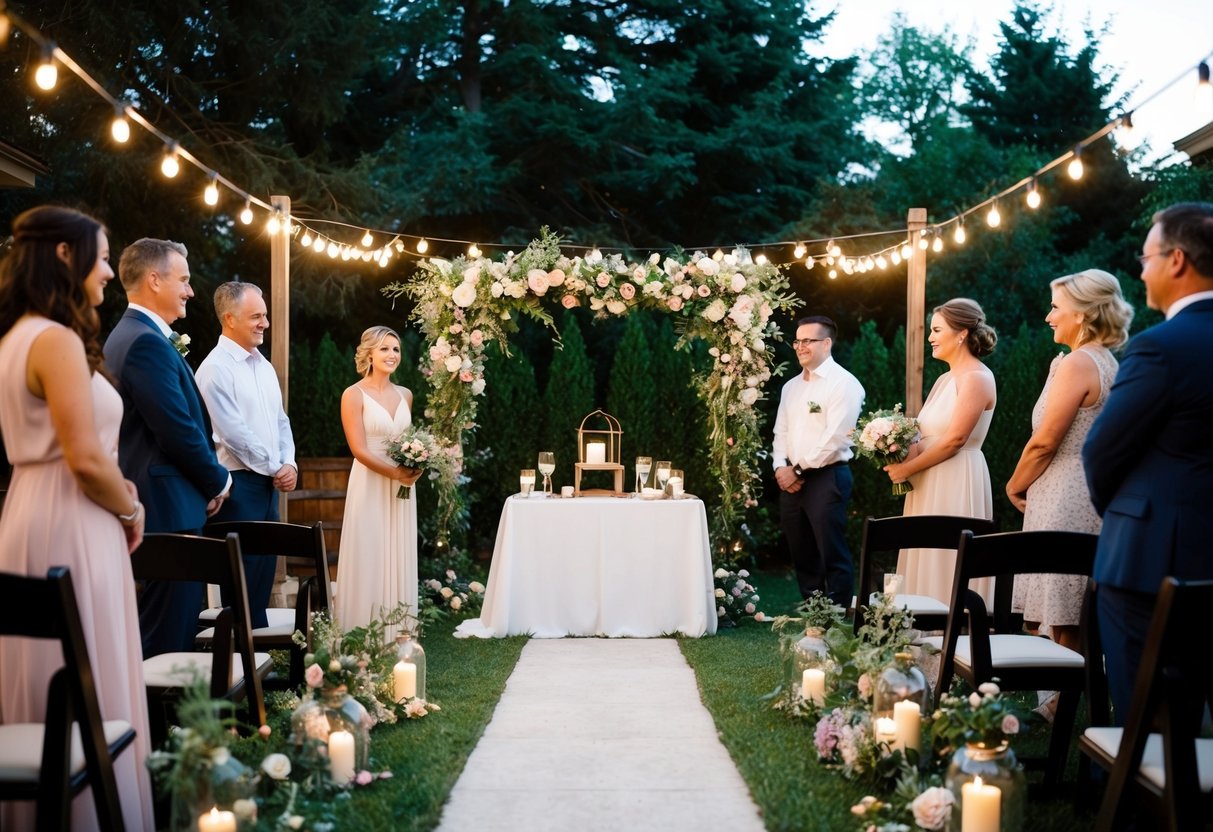
You might feel concerned about how others will react to your choice. Remember, it’s your special day, and your happiness matters most. Share how a small wedding fits your budget and allows for more meaningful moments, like personal conversations and unique touches that larger weddings often miss.
As you approach the conversation, keep the focus on what a small wedding means to you. Sharing your excitement about creating lasting memories with a few key people can help others understand and support your decision. Emphasizing the joy of a close-knit gathering can turn any skepticism into enthusiasm.
Understanding the Allure of Small Weddings
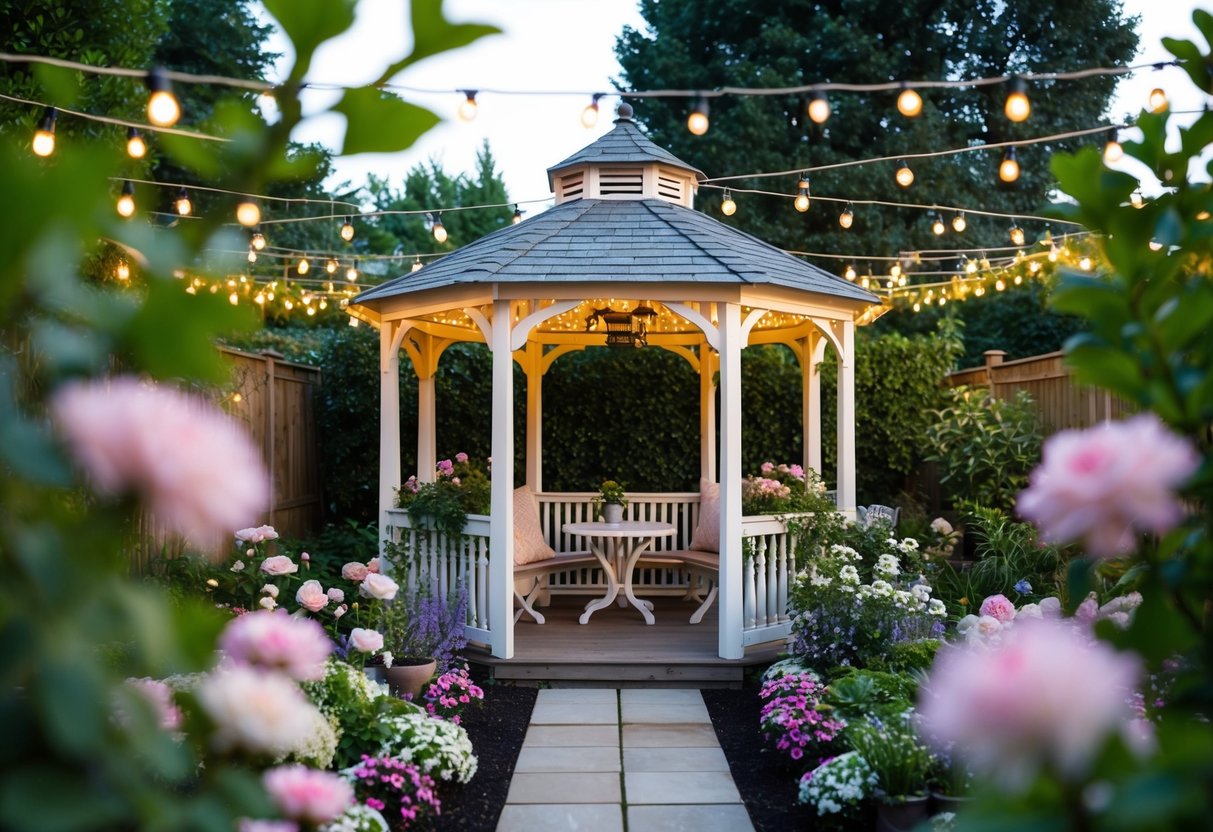
A small wedding offers a unique charm that appeals to many couples. It allows for a more personal experience, focusing on relationships and meaningful moments. Exploring what defines a small wedding and the emotional benefits can help you appreciate its allure.
Defining a Small Wedding
A small wedding typically includes fewer than 50 guests, but this number can vary. Common terms associated with small weddings are intimate weddings, micro weddings, and minimonies. Each type creates a cozy atmosphere, allowing you to invite only your closest family and friends.
When planning a small or intimate celebration, you have the freedom to personalize every detail. You can choose a special venue, a unique theme, or even custom menus. This focused approach makes your wedding day feel uniquely yours and allows you to create lasting memories.
The Emotional Benefits of Intimacy
Choosing a small wedding helps deepen connections with your guests. Intimacy fosters a warm atmosphere where everyone feels included and valued. With fewer distractions, you can focus on the experience rather than managing large crowds.
Emotional benefits include sharing personal moments with each guest. You’ll have the chance to engage in meaningful conversations and celebrate together. This personal touch often leads to heartfelt interactions, making the day more memorable.
In a small setting, you can truly embrace the essence of love and commitment. It’s an opportunity to enjoy your wedding day free from the stress of a large event. You create memories that feel genuine and impactful.
Planning Your Small Wedding
Planning a small wedding requires attention to detail that makes your day special. You will need to choose the right venue, carefully curate your guest list, and decide whether to work with a wedding planner. Each step is important to ensure your vision comes to life.
Choosing the Right Venue
Selecting the right venue is key for a small wedding. You might consider locations that reflect your style, like a cozy backyard, a chic restaurant, or a lovely garden. A smaller space allows for a more intimate atmosphere, fostering connection among guests.
Make sure the venue can comfortably accommodate your small guest list. Look for spaces that offer both indoor and outdoor options. This flexibility can help create a unique experience while staying within your budget. Look into venues that provide event planning services, so you can focus on the fun aspects of your wedding day.
Curating Your Guest List
Your guest list will shape your small wedding experience. Start by listing the people who mean the most to you. Limit your list to close friends and family to keep the gathering intimate.
Be honest with those who don’t make the list. A good approach is to explain your desire for a smaller, more personal celebration. Most will understand your choice. Consider sending out a heartfelt note or a casual text to explain your plans, as this can ease any disappointment.
Working with a Wedding Planner
If you want assistance, a wedding planner can be a great choice for a small wedding. They can help you navigate all the details, from securing your venue to coordinating with vendors. Their experience means your day can run smoothly.
When choosing a planner, look for someone who specializes in small weddings. This way, they understand your vision and can help create a personalized event. Be clear about your budget and what you want. This communication will ensure they tailor the experience just for you.
Budgeting and Logistics

When planning a small wedding, managing your budget and logistics is key. This helps you make the most of your resources while ensuring everything runs smoothly.
Allocating Your Wedding Budget
Start by determining how much you can spend. A budget gives you clear guidance as you plan. A good approach is to break down your budget into categories, like venue, food, and decorations.
For a small wedding, consider a backyard wedding, which can save costs. You might want to allocate around 40% for your venue, 30% for food and drinks, and the rest for other essentials like flowers and photography. This helps keep your spending in check.
Don’t forget to add post-wedding expenses too. Allocate funds for thank-you cards and photo prints. Keep your budget on track by using simple tools like spreadsheets to track spending. This will make your planning smoother.
Addressing the Needs of a Big Family
If you come from a big family, it’s important to address their needs when planning a small wedding. You may want to keep the guest list limited while still inviting close relatives.
Consider a destination wedding to keep the group smaller. It can focus on your closest family and friends, making it intimate. Alternatively, think about an elopement that allows you to celebrate just with anyone you value most.
Include family in planning to avoid misunderstandings. Clearly communicate your vision to them, explaining your desire for a smaller setting. This will help create a supportive atmosphere and ease any concerns.
Personalizing Your Special Day
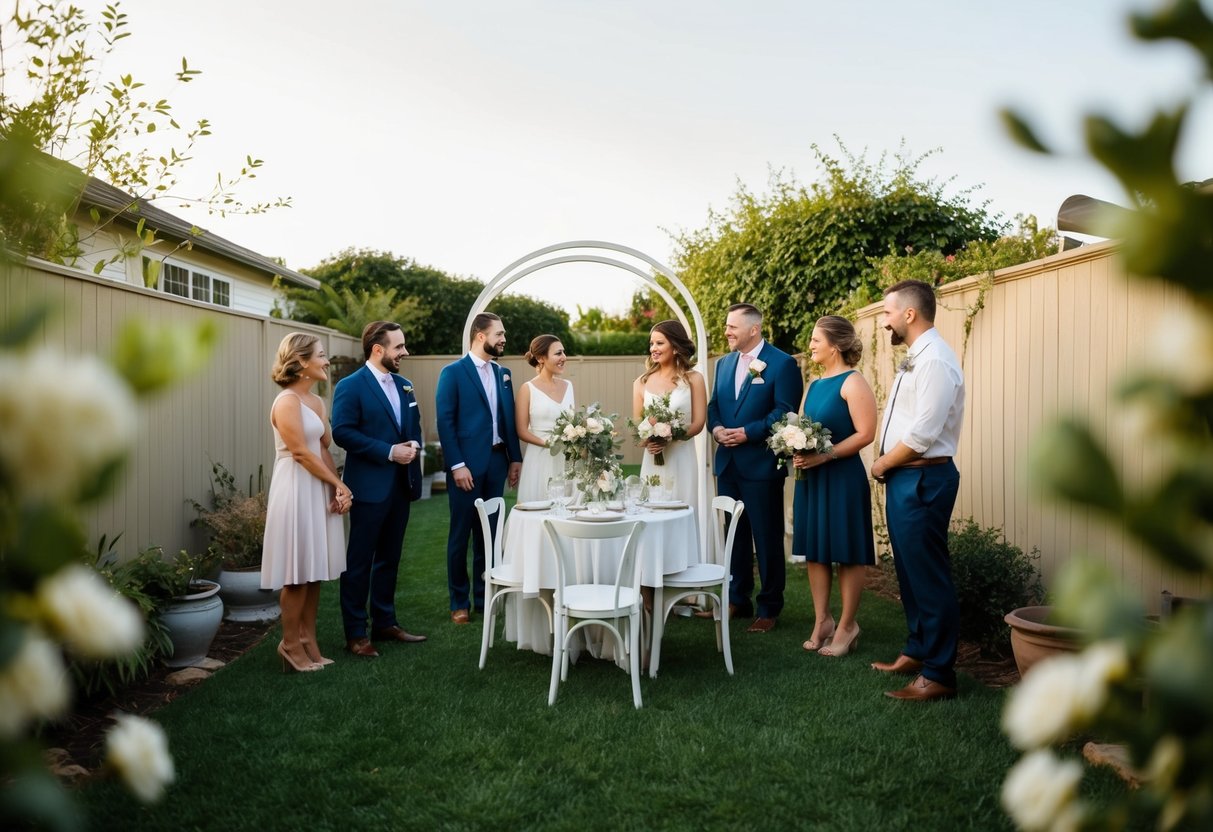
Making your wedding unique starts with personalizing every part of the celebration. You can create a ceremony that reflects your story, design an intimate reception, and include special touches for your guests.
Creating a Unique Ceremony
Begin by writing your own vows. This adds a heartfelt element to your ceremony. Share your love story in your words, making it special and memorable.
Consider choosing a location that means something to both of you. An outdoor setting, like a garden or a beach, can provide a beautiful backdrop. Invite your immediate family to participate in the ceremony, perhaps by having them read poems or share their wishes.
Use personalized decorations to represent your journey. Items like photos from your relationship or mementos can make the space feel truly yours.
Designing an Intimate Reception
For a cozy reception, think about a small venue that fits your style. Choose a place that feels comfortable for you and your guests, such as a family backyard or an inviting restaurant.
Plan a menu that includes your favorite dishes. This adds a personal touch to the meal. You might also consider a signature cocktail that represents your tastes.
Set a dress code that reflects the vibe you want for your day. This can range from casual to semi-formal, encouraging guests to feel relaxed while still dressing up for your occasion.
Special Touches for Your Guests
Make your guests feel appreciated with thoughtful wedding favors. Personalized gifts, like mini photo frames or custom candies, can leave a lasting impression.
Consider including a small card at each place setting that shares a memory you have with each guest. This makes the experience more intimate and meaningful.
Lastly, think about activities that will engage your guests. You might set up a photo booth with fun props or a memory jar where guests can leave notes. These touches will make your wedding day enjoyable and memorable for everyone.