
How Do You Get Someone to Officiate Your Wedding? A Simple Guide to Finding the Perfect Officiant
Choosing someone to officiate your wedding can feel daunting, but it’s an important step in your wedding planning.
To ask someone to officiate your wedding, you should feel comfortable and connected with that person, as they will play a key role in your marriage ceremony. Whether it’s a close friend, family member, or someone meaningful in your life, their presence can add a personal touch to your wedding ceremony.
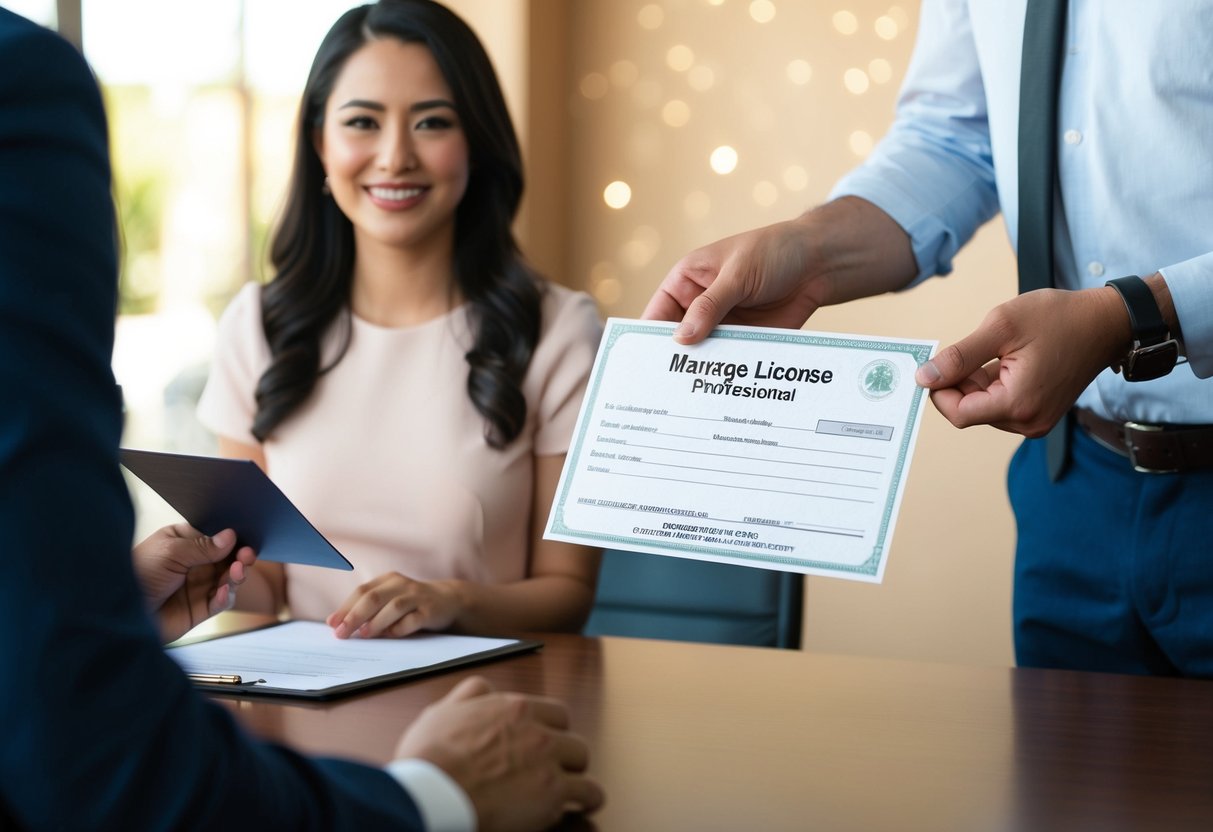
When you’re ready to pop the question, choose a moment that feels special, and explain why you want them to take on this important role.
You might share how much it would mean to have them by your side on such a significant day. A heartfelt message or a fun card can make this moment memorable and set a positive tone for your ceremony.
Remember, a wedding officiant doesn’t have to be a professional. Many couples opt for someone they trust and admire. This choice allows for a more intimate and personalized marriage ceremony, making your big day even more special. So, think about who in your life can bring their unique touch to your wedding, and go ahead and ask them!
Choosing Your Officiant
Choosing the right officiant for your wedding is an important step. This person will lead your ceremony and set the tone for your special day.
Whether you decide on a friend, family member, or a professional, knowing what to look for can help make the process easier.
Deciding on the Type of Officiant
First, think about the type of officiant you want. You can choose between a religious officiant, like a priest or minister, and a secular one, like a wedding planner or a judge. There are interfaith ministers that blend different traditions too.
If you want a personal touch, asking a friend or family member can be a great option. They could get ordained online to officiate your wedding. This choice emphasizes the gift of friendship and makes the ceremony feel more intimate.
Asking Someone Special to Officiate
When you’re ready to ask someone to officiate your wedding, approach them with care. Explain why you want them for this role and how much it means to you.
Choose a moment that feels right and is private, so it conveys the importance of the request.
Be clear about what it involves, including any legal requirements they may need to meet. Give them time to think it over, as it’s a big commitment. Celebrate their acceptance; it can be a joyful moment for both of you.
Qualities of a Great Officiant
A great officiant should be articulate and charismatic. They must engage your guests and make everyone feel included in the ceremony. Finding someone with a warm personality can make the day feel more special.
Additionally, look for someone who listens and understands your vision. They should be willing to work with you, whether it’s adapting scripts or including personal vows. Good officiants also have experience and understand the officiant process well.
The Legalities
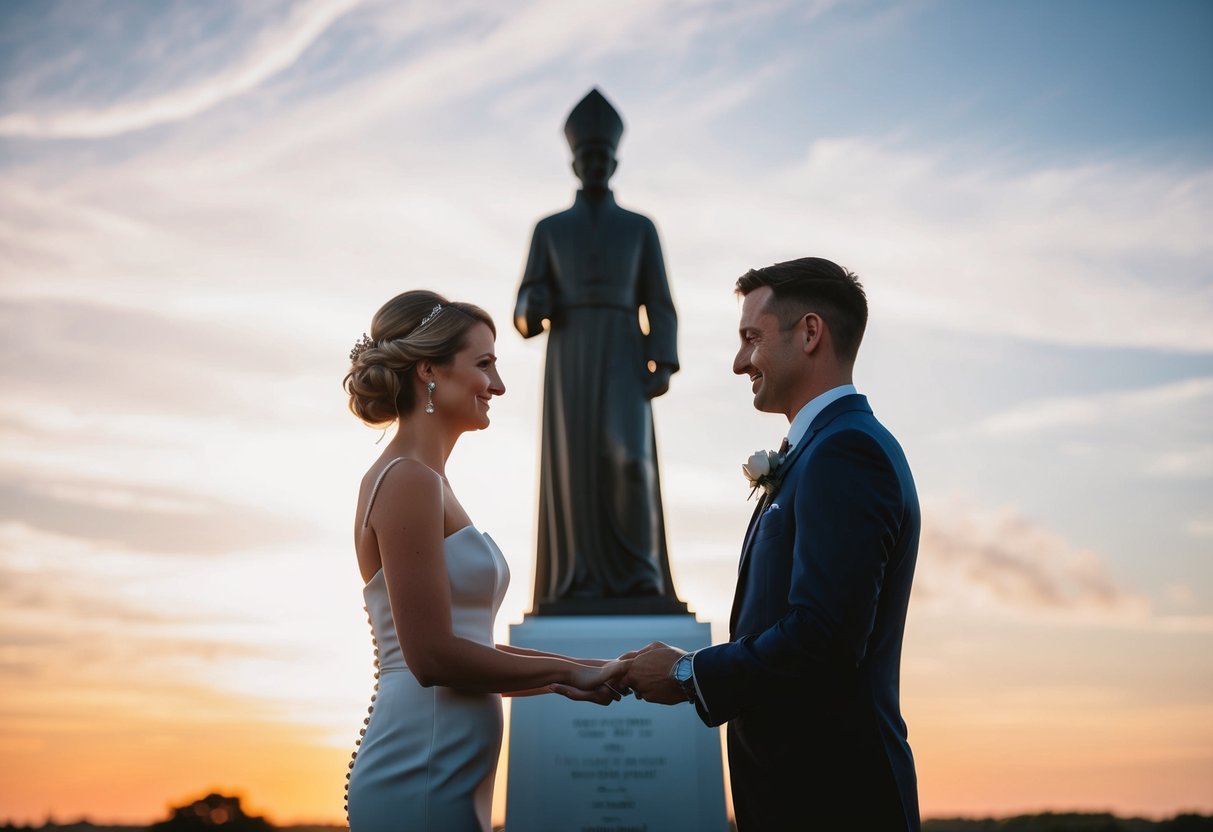
When planning your wedding, understanding the legal steps is crucial. This section covers marriage licenses, ordination, and how to ensure your officiant’s credentials are properly filed. Knowing these details will help your big day go smoothly.
Understanding Marriage Licenses
Before your wedding can take place, you need a marriage license. This license is a legal document that allows you to marry. Each state has its own rules regarding how to obtain one.
Typically, you and your partner must apply together at your local county clerk’s office. Bring valid identification, such as a driver’s license or passport. Fees vary, so check what your county charges.
Some states may have waiting periods, while others issue the license immediately. Always verify the specifics for your area, especially if you’re planning a destination wedding.
Ordination and Legal Credentials
To have someone officiate your wedding, they must be legally ordained. This means they are recognized by the state to perform marriages. Many people choose online ordination, which is quick and easy.
There are various organizations that offer online ordination, such as Universal Life Church. Make sure the service you choose is accepted in your state.
Your officiant might also need specific credentials. Check if they must file their ordination with the county clerk before your ceremony. Meeting these legal requirements ensures your wedding is recognized by the state.
Filing with the Local County Clerk
Once your officiant is ordained, they may need to file their credentials with the local county clerk before the wedding. This is often a necessary step that varies by state.
Your officiant should contact the county clerk’s office to find out what documents are required. It may include proof of ordination and identification.
Make sure this is completed well before your wedding date to avoid any last-minute issues. If you’re planning a destination wedding, confirm these requirements ahead of time to ensure everything goes smoothly on your special day.
Crafting the Ceremony

Your wedding ceremony is a reflection of your love story. It’s important to personalize it with meaningful elements. Here’s how to create a ceremony that truly speaks to you and your partner.
Writing Personal Vows
Writing your own vows can make your ceremony special. Start by reflecting on your relationship. Think about your favorite memories together, what you love about each other, and your hopes for the future.
To help you get started, consider using prompts like:
- What does love mean to you?
- How has your partner changed your life?
- What promises do you want to make?
Keep your vows heartfelt but concise. Aim for about 1-2 minutes when reading them aloud. This keeps the moment genuine and engaging for everyone involved.
Customizing Readings and Rituals
Choosing the right readings and rituals can enhance your ceremony’s emotional impact. Many couples opt for poems, song lyrics, or passages from their favorite books.
Talk to your officiant about incorporating these elements. You might consider a unity ceremony such as lighting a candle or tying a knot. These rituals symbolize your joining together.
Rehearsing the Ceremony
Practice is key to a smooth ceremony. Schedule a rehearsal with your officiant and wedding party to go through the script. This helps everyone know their roles and timing.
During the rehearsal, pay attention to the flow of the ceremony. Make sure to include cues for when to stand, sit, or speak.
This practice run reduces nerves on the big day.
Be open to adjustments. Sometimes what seems perfect on paper needs a little tweaking in practice.
A well-rehearsed ceremony will make the actual event feel more natural and enjoyable for you and your guests.