
How Do You Keep Track of Wedding Expenses? Tips for Staying Organized and Stress-Free
Planning a wedding can be both exciting and overwhelming, especially when it comes to managing finances. Creating a budget worksheet is a great way to keep track of wedding expenses effectively. This worksheet lists all your costs and allows you to monitor your spending. It’s important to stay within your financial limits while planning a day that reflects your style and desires.
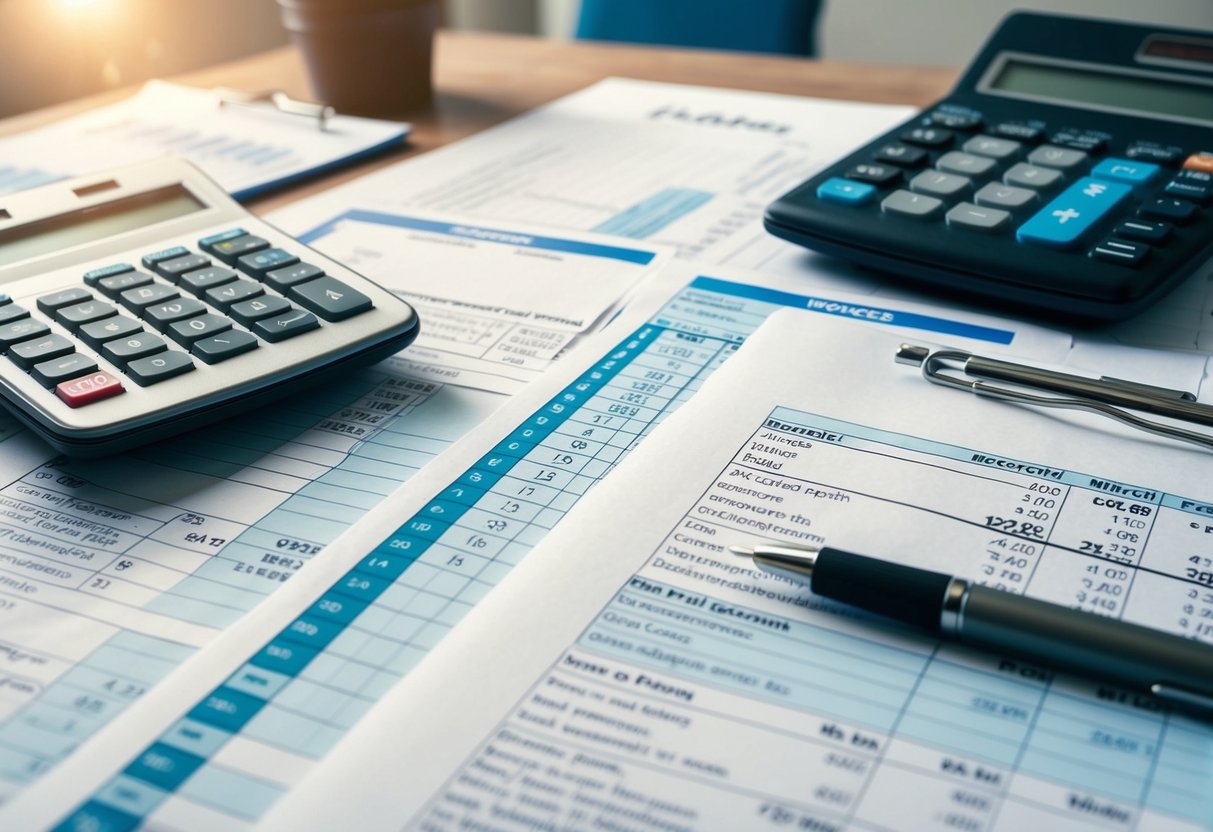
The average wedding cost can add up quickly, often reaching several thousands of dollars. That’s why having a clear system in place is key to avoiding any surprises. You can use budgeting tools or cash tracking apps to help visualize your expenses, which makes it easier to stay organized.
Being mindful of your wedding expenses will allow you to enjoy the planning process without the stress. With a thoughtful approach to budgeting, you can focus on creating beautiful memories while keeping your finances in check.
Setting Your Wedding Budget

Creating a wedding budget is an essential step in planning your special day. By determining your total budget and allocating funds wisely, you can ensure that your wedding stays on track financially. It’s also important to plan for unexpected expenses, so you’re prepared for any surprises along the way.
Determining Your Total Budget
Start by figuring out how much you can spend on your wedding. This total budget should include all sources of income, such as savings, gifts, and contributions from family.
A common range for average wedding costs in the U.S. is between $20,000 and $30,000. Be realistic about your financial situation and set a number that won’t strain your finances.
Make sure to discuss your budget openly with your partner. Write down the agreed amount and reference it during the planning process. This will keep you both on the same page and help manage expectations.
Allocating Funds to Key Areas
Once you have your total budget set, allocate funds to key areas such as the venue, catering, photography, and attire. Here’s a typical breakdown:
- Venue and Catering: 40% of budget
- Photography and Videography: 15%
- Attire (Dress and Suit): 10%
- Flowers and Decorations: 10%
- Entertainment: 10%
- Miscellaneous (Invitations, Favors, etc.): 5%
Adjust these percentages based on what matters most to you. For example, if the venue is a priority, you might increase its allocation at the cost of something less important.
Budgeting for Unexpected Expenses
Planning for unexpected expenses is crucial. It’s wise to set aside 10-15% of your total budget for surprises. Costs can add up quickly, so be proactive.
Consider potential unplanned expenses like extra guests, last-minute items, or changes in vendor costs. Create a separate line item in your budget for these unexpected expenses. This way, you’ll feel more secure and less stressed about your spending.
Tracking Wedding Expenses

Keeping track of your wedding expenses is essential to stay on budget. It involves organizing your planned costs and actual spending in a clear way that allows you to see where your money is going. Here’s how you can effectively manage your wedding budget.
Choosing a Budget Tracker
Selecting the right wedding budget tracker can make a big difference in your planning. You can choose between a wedding budget template in Google Sheets or Microsoft Excel, or opt for a specialized wedding budget app.
When picking one, think about your comfort level with these tools. If you enjoy spreadsheets, consider a wedding budget worksheet in Excel. For quick updates on the go, a mobile app can be a smart choice.
Make sure your tracker allows you to list all your wedding expenses in one place. This will help you avoid surprises as your big day approaches.
Using a Wedding Budget Spreadsheet
A wedding budget spreadsheet is a fantastic way to keep everything organized. Start by creating sections for each category of expense, such as venue, attire, catering, and decorations.
Include columns for estimated costs and actual costs. This way, you can easily compare what you planned to spend against what you actually paid. Using formulas, you can also calculate the total spent in each category.
This tool not only helps you track spending, but it also allows you to adjust your budget as needed. A visual representation of your financial planning can make things easier to understand at a glance.
Comparing Budget to Actual Costs
Regularly comparing your budget worksheet with actual costs is crucial. Set a schedule to review your expenses, such as weekly or bi-weekly. This practice keeps you aware of any financial overspending.
Create a simple table that lists each category, the budgeted amount, and the actual cost. If an area exceeds your budget, consider which less important items could be adjusted to balance it out.
Tracking actual costs will also help you identify patterns in your spending. If you notice that certain areas consistently go over budget, it might be time to rethink those choices.
Essential Wedding Costs

When planning your wedding, knowing the essential costs can help you manage your budget effectively. Key areas to focus on include choosing the right venue, selecting vendors, and taking care of your outfits, rings, and décor.
Choosing the Right Venue
The wedding venue is often one of the largest expenses you’ll face. It’s important to find a place that fits your style and guest count.
Consider locations such as banquet halls, parks, or beaches. Each option has different costs, so compare prices.
Ask about packages that include catering or décor, as these can save you money. Booking during off-peak seasons can also lower costs significantly.
Make sure to factor in extra expenses like parking, permits, and décor rental. These can sneak up on you, so preparation is key to staying within budget.
Selecting Vendors and Catering
Your choice of wedding vendors can greatly impact your budget. Look for reliable vendors who fit your needs without breaking the bank.
Start with catering, as food and drinks are major costs. Research several catering companies and request quotes based on your guest count.
Don’t shy away from asking for package deals, which may include options like appetizers and desserts. For other vendors, such as photographers and florists, compare portfolios and prices.
Consider reaching out to friends or family for recommendations. Personal experiences can lead you to great vendors within your budget.
Outfit, Rings, and Décor
Your wedding attire, rings, and décor can also add up quickly. For your outfit, set a clear budget before shopping.
Look for sales or consider renting attire to save costs. Don’t forget to factor in accessories like shoes and jewelry.
When it comes to wedding rings, set a realistic budget. Plenty of options are available at various price points, so take your time researching.
Lastly, for décor, think about DIY projects to reflect your personality. Repurpose items from home or ask for help from family to keep costs down.
Maximizing Your Wedding Budget

Staying within your wedding budget requires creativity and smart planning. You can effectively reduce costs by utilizing DIY options, free tools, and even seeking advice from professionals. Here are some ideas to help you maximize your wedding budget.
Being Creative with DIY Options
Consider taking on some DIY projects for your wedding. This can save you money while adding a personal touch to your celebration.
Ideas for DIY Projects:
- Invitations: Design and print your own invites using online templates.
- Centerpieces: Create unique centerpieces with flowers from local markets.
- Favors: Make homemade treats or crafts as guest favors.
Utilizing your friends and family for these projects can make it fun and engaging. They may even have skills in photography, baking, or decoration. By doing a little yourself, you can allocate more of your budget toward other important items, such as your venue or catering.
Leveraging Free Wedding Planning Tools
Take advantage of free wedding planning tools available online. These tools can help you stay organized and manage your budget effectively without spending a dime.
Popular Free Tools:
- Budgeting Templates: Use spreadsheets to track expenses.
- Checklists: Keep on top of tasks with downloadable checklists.
- Guest List Managers: Organize your guests and track RSVPs.
Websites like The Knot offer templates and tools that can ease your planning process. With the right planning tools, you will have a clear view of your finances and make informed decisions about where to spend your money.
Consulting a Financial Planner
Feeling overwhelmed? It might be helpful to consult a financial planner. They can provide tailored advice to help you stick to your budget and reach your financial goals.
Consider these benefits:
- Budget Reviews: A planner can help you assess your budget and make adjustments.
- Investment Guidance: They can suggest ways to manage your funds for the future.
- Gift Registry Insights: A planner can guide you on setting up your gift registry to maximize contributions from guests.
Getting professional help can be particularly useful if you have complex financial situations or need help in prioritizing your wedding expenses. Planning doesn’t have to be stressful; the right advice can offer peace of mind.