
How Do You Let People Know You’re Having a Small Wedding? Tips for Informing Loved Ones with Care
Planning a small wedding or elopement can be a wonderful way to focus on what really matters: your love for each other. You might wonder how to let family and friends know about your decision without causing hurt feelings. The best way to communicate is to be direct and honest about the size and scope of your wedding plans.

Start by sharing your excitement with close family and friends in person or through a personal message. Let them know why you chose an intimate wedding. You might explain that a smaller gathering allows for deeper connections and a more relaxed atmosphere. This personal touch helps them feel included, even if they aren’t part of the celebration.
If you’re considering an elopement, follow up with a heartfelt announcement after your special day. This helps friends and family celebrate your love, even from afar. Finding the right words can make all the difference in ensuring your loved ones understand your choices.
Determining the Scope of Your Wedding

Deciding on the size of your wedding is a crucial step. It impacts everything from the venue to the overall vibe. You want to create a balance that feels right for you while keeping your guest list manageable.
Defining Your Guest List
Think about who you want to invite. Start with a list of close family and friends. This group usually includes your parents, siblings, and best friends. Consider their importance in your life.
Next, think about adding a few special people outside this circle. This might be beloved relatives or key friends. Keep in mind that a shorter guest list allows for more intimate conversations.
If you have a larger family, decide early if you will invite cousins or aunts. It might feel awkward, but it’s important to be clear about who makes the cut. As a guideline, if you wouldn’t plan a casual dinner with them, they may not need an invite.
Considering Immediate vs. Extended Family
When planning your wedding, consider how to include immediate and extended family. Your immediate family, which often includes parents and siblings, plays a crucial role in your big day. Their presence can bring support and emotional comfort.
Extended family, such as grandparents, aunts, and uncles, can complicate your guest list. While you might want them there, it’s essential to weigh the impact. If you invite one, it may lead to feelings of obligation to invite others.
Be clear with your family about your plans. You might have to explain why your wedding will be small. This helps manage expectations and avoid any misunderstandings with uninvited guests. Clear communication makes a big difference in keeping feelings from being hurt.
Communicating Your Small Wedding Plans

When planning a small wedding, clear communication is key. Sharing your plans with friends and family in a thoughtful manner can help set expectations and minimize misunderstandings. Here’s how you can effectively let everyone know about your special day.
Crafting Thoughtful Wedding Invitations
Your wedding invitations are the perfect way to inform guests about the size of your wedding. Consider using simple language to explain that the event will be intimate. You might say, “We are having a small celebration with close family and friends.”
You can also include details on where the wedding will be held and any specific requirements, like RSVP deadlines. This helps manage expectations and ensures everyone knows what to expect. Beautifully designed invitations can also help convey the tone of your day.
Personalized Wedding Announcements
In addition to invites, think about personalized announcements. This can be especially helpful for friends and family who may not receive an invitation. Consider sending a heartfelt message that explains your decision to keep the celebration small.
You can share the news through email, text, or even phone calls. Make it personal by mentioning how important their support is to you. “We wish we could celebrate with everyone, and we appreciate your understanding.” This approach ensures that friends and family feel included, even if they can’t attend.
Managing Family Dynamics and Expectations
Family dynamics can sometimes complicate wedding planning. It’s important to communicate directly with relevant family members about your plans. You might want to talk to influential relatives first, like grandparents or parents. This helps them understand your choices and their significance.
Consider having one-on-one conversations to explain why you chose a small wedding. If needed, offer the possibility of a larger gathering later, which many couples do. You could say, “We’re planning a big celebration next year for family and friends who can’t attend the wedding.” This way, you respect family feelings while sticking to your vision.
Budgeting and Planning Considerations

When planning a small wedding, budgeting and venue selection are key to creating a memorable day while staying within your means. Understanding your budget constraints will help you make informed choices about where and how to celebrate.
Allocating Your Budget Wisely
Start by listing all potential wedding costs. Consider key items such as catering, invitations, and décor. Since you’re having a small wedding, you can devote more of your budget to each guest’s experience.
For example, with fewer guests, you might spend more on a high-quality meal or personalized favors. If your budget is tight, prioritize the areas that are most important to you. Determine what aspects of the wedding matter the most—whether it’s the food, décor, or photography—and allocate your funds accordingly. Using a simple table can also help track your spending.
Sample Budget Table:
| Item | Estimated Cost |
|---|---|
| Venue | $2,000 |
| Catering | $3,000 |
| Flowers | $500 |
| Photography | $1,200 |
Selecting the Right Venue
Choosing a venue plays a significant role in your budget and overall vibe. Since you’re aiming for a smaller gathering, consider places that provide an intimate setting. This could be a cozy restaurant, a botanical garden, or even a friend’s backyard.
Investigate venues that offer package deals, including catering and decorations. Often, these can save you money compared to booking separate vendors. Pay attention to additional fees, such as rentals or service charges, as they can quickly add up and affect your wedding cost.
When visiting potential venues, imagine how they fit your vision. Will it accommodate your guest count comfortably? Take the time to ask questions and see if they can work within your budget constraints.
Celebrating Your Union Intimately
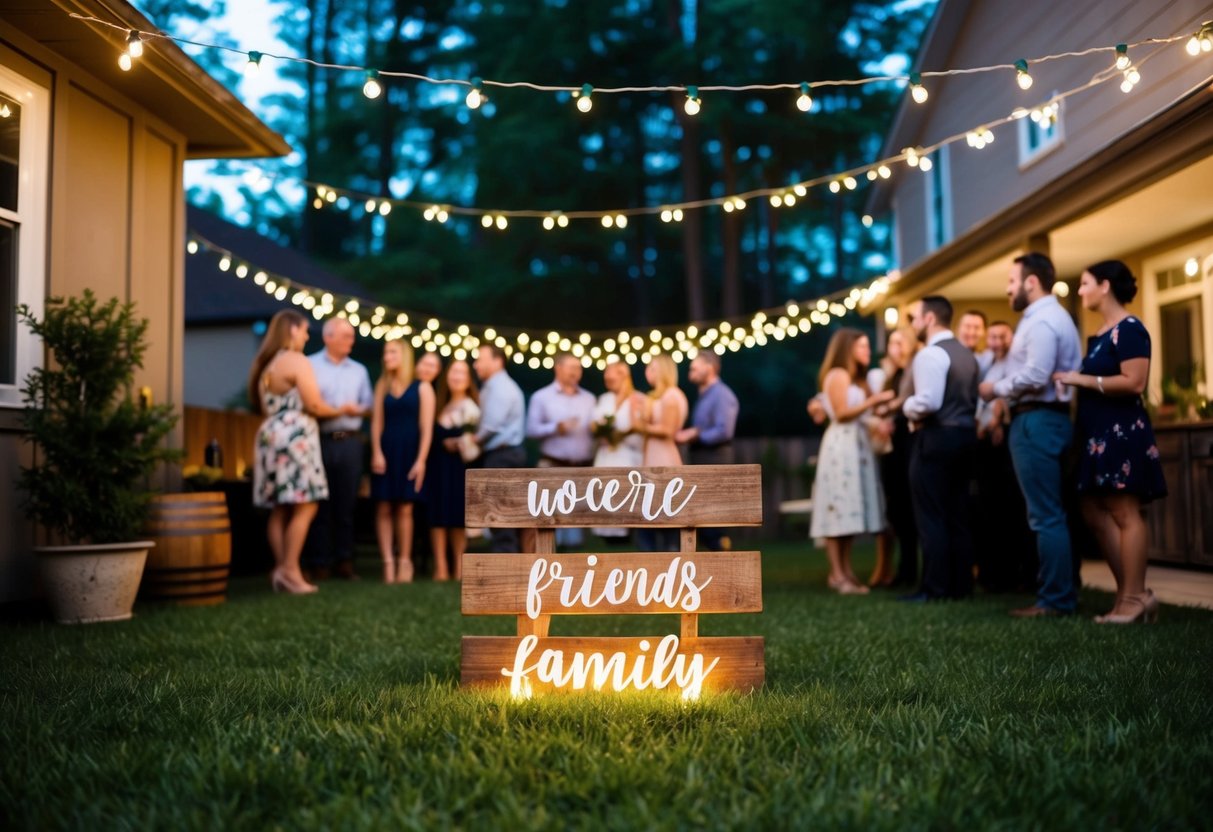
Planning a small wedding allows you to focus on what truly matters: your love and connection. Emphasizing intimacy helps create lasting memories with your closest friends and family.
Organizing an Intimate Ceremony
When it comes to an intimate ceremony, choose a venue that feels personal. It could be a favorite park, a cozy backyard, or a beach for a destination wedding.
Select a limited guest list, ideally under 20 people, to keep the atmosphere relaxed. This way, you can share meaningful vows without distractions.
Consider meaningful rituals like a unity candle or a sand ceremony to symbolize your bond. These small touches can make the moment even more special.
Don’t forget to share your plans with guests early. A simple text or email can help everyone prepare for your unique celebration.
Hosting a Memorable Reception
An intimate reception provides a chance to enjoy quality time with your guests.
Think about a casual dinner at a local restaurant or a picnic in the park.
Make the meal special by including your favorite dishes or family recipes. This adds a personal touch and creates a warm atmosphere.
Incorporate fun activities like games or a small dance floor to keep the mood lively.
Sharing stories or toasts from family and friends can also enhance the experience.
Finally, enhance the evening with personalized decorations and lighting. These details help set the tone and create a cozy environment for your celebration.