
How Do You Pronounce Wedding Officiant? A Simple Guide to Getting It Right!
When you’re planning a wedding and talking about the roles involved, you might wonder how to pronounce “wedding officiant.” The correct pronunciation is “uh-FISH-ee-uhnt.” Getting this right can help you feel more confident when discussing the important people involved in your ceremony.

Understanding the term and its pronunciation is essential, especially when you’re working with vendors or inviting your officiant to be part of the big day.
Knowing how to say it can make your conversations flow smoothly and show respect for this important role in your wedding.
Whether you’re hiring a professional or asking a friend to step into this position, correctly saying “officiant” can enhance your wedding planning experience. Let’s dive deeper into its pronunciation and learn more about the duties of a wedding officiant.
Understanding Pronunciation
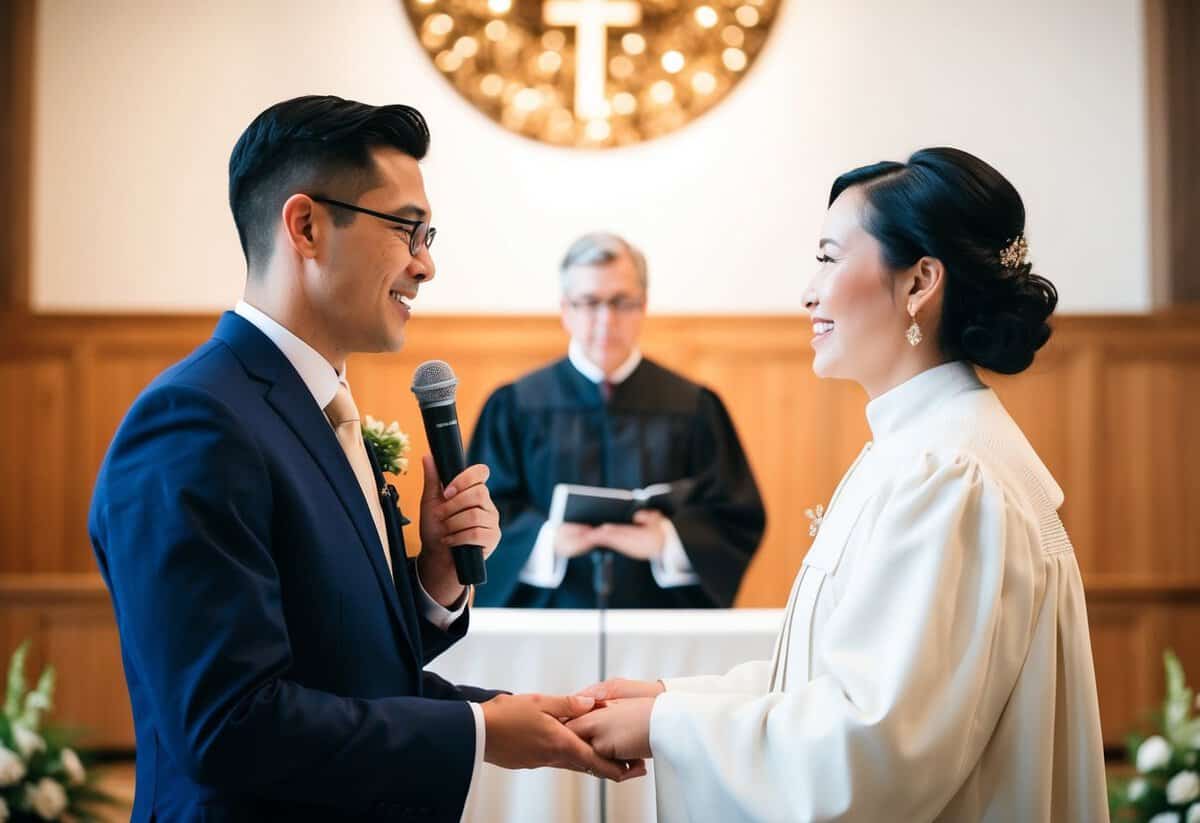
Pronouncing “officiant” correctly can sometimes be tricky. You will find that phonetics play a significant role in how this word sounds, and many people have common mispronunciations.
The Role of Phonetics
Phonetics focuses on the sounds of speech. The word “officiant” is broken down into distinct sounds: /əˈfɪʃ.ənt/. The first syllable is pronounced with a short “o” sound, like the “a” in “sofa.” The second syllable has a clearer “i,” similar to the “i” in “fish.”
When learning pronunciation, listening to audio examples can be very helpful. You can find pronunciation guides on websites and platforms to hear how native speakers say “officiant.”
Repeating what you hear can improve your skills and make it easier to say this word correctly.
Common Mispronunciations
Many people mispronounce “officiant” by emphasizing the wrong syllables or using an incorrect vowel sound. One common mistake is stressing the first syllable, saying “OFF-iciant” instead of the correct “o-FIC-iant.”
Another issue is confusing the vowel sounds, particularly the “i.” People might pronounce it like “efficient,” which is not correct.
To avoid these mistakes, practice regularly and pay attention to how it’s pronounced in audio resources. Hearing the word used in sentences can also reinforce the right pronunciation and help you feel more confident when using it.
The Wedding Officiant’s Part
The wedding officiant plays a vital role in guiding the ceremony and declaring the couple as married. Understanding key phrases used during the ceremony and how titles may vary across cultures can enhance your experience.
Key Phrases in a Ceremony
During a wedding, the officiant uses specific phrases that mark important moments. One of the most significant is the wedding pronouncement. This typically involves the officiant saying something like, “By the power vested in me, I now pronounce you husband and wife.”
The officiant’s words create a special atmosphere. They often include welcome messages and personal stories, making the ceremony unique.
Here are some common phrases you might hear:
- “Dearly beloved, we are gathered here today…”
- “You may now kiss the bride.”
- “I now pronounce you married.”
These phrases help signal transitions in the ceremony. Being familiar with them can make you feel more at ease during this special occasion.
Cultural Variations in Pronouncing Titles
In different cultures, the titles used by officiants can vary. In some traditions, you might hear “husband and wife,” while in others, “wife and wife” or “husband and husband” might be used. It reflects the couple’s identity and values.
For example, in certain cultures, officiants might use specific titles based on religious or local customs. This can make the ceremony feel more meaningful for the couple and their families.
Knowing these variations helps you appreciate different customs. Each culture brings its unique flair, making every wedding a special event. Understanding these titles enriches your experience of the celebration.
Finalizing the Pronouncement
Finalizing the wedding pronouncement is an exciting moment in the ceremony. It is not just about the words spoken but also sets the stage for the couple’s first kiss as a married pair.
The Significance of Pronouncing the Couple
When the officiant pronounces the couple as married, it marks a pivotal moment in the ceremony. This declaration is often met with cheers and applause from the guests. It signifies the legal and emotional commitment the couple has made to each other.
Most officiants might say something like, “By the power vested in me, I now pronounce you husband and wife.” This formal statement confirms their union and is often one of the most memorable lines of the ceremony.
It’s essential for you as an officiant to ensure your wording is clear and heartfelt. This moment should reflect the couple’s unique love and commitment. Personal touches, such as a customized pronouncement, can make this moment even more special.
Cue to ‘Kiss the Bride’
Once the couple is pronounced married, it’s time for the iconic moment: the kiss. The officiant typically says, “You may now kiss the bride.” This signals to everyone that the couple can express their love publicly.
This cue is both a big moment and a fun one. Guests often cheer, and you might even hear applause and laughter. Make sure to step back slightly so the couple can share their kiss comfortably.
Practicing this cue beforehand can help you deliver it smoothly. Remember, this moment is about the couple celebrating their new journey together as a married couple.