
How Do You Stand at the Aisle? Tips for a Confident and Comfortable Posture
Standing at the aisle during a wedding is an important moment filled with emotions. To stand at the aisle, you should align with your partner and follow the designated processional order that suits your ceremony, whether traditional or personalized. Knowing how to position yourself not only ensures a smooth flow but also helps you feel more confident as you take this significant step.
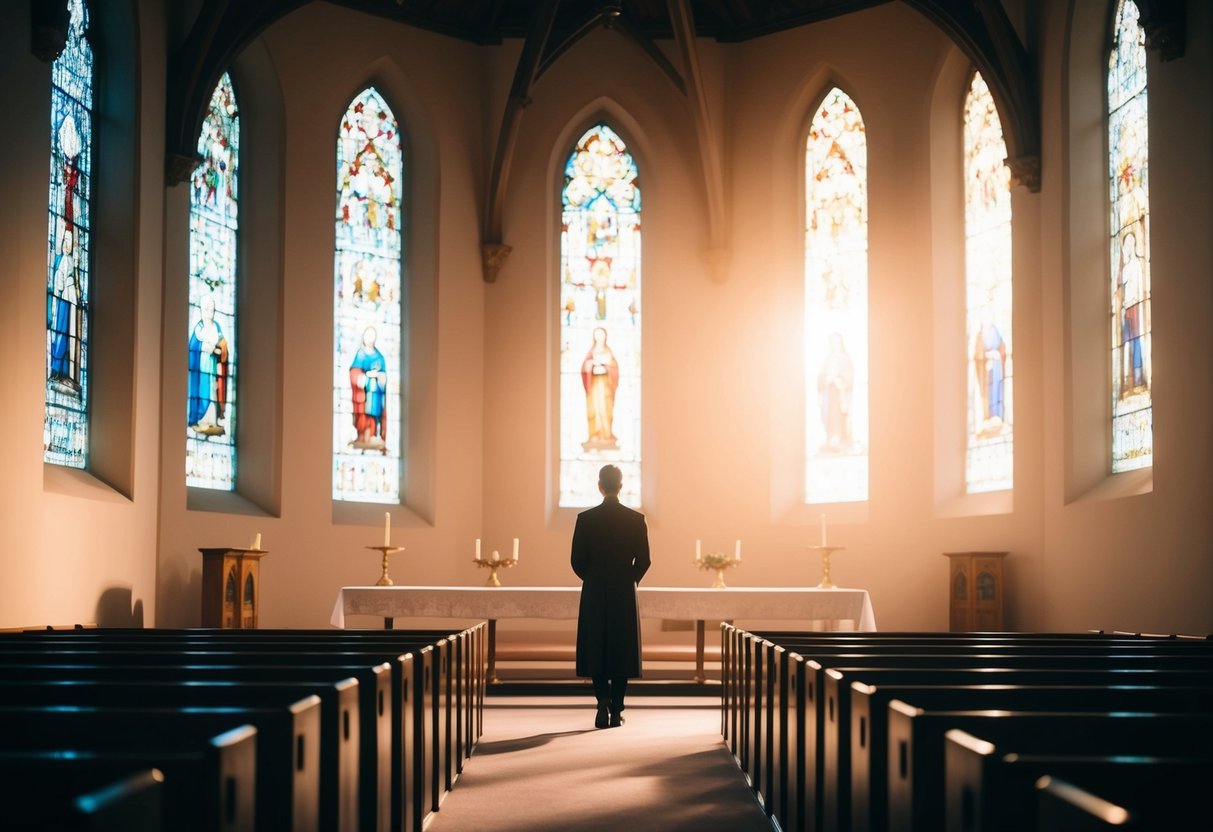
As guests watch you walk down the aisle, it’s essential to remember the atmosphere you want to create. Practice your posture and smile while maintaining a comfortable stance. This moment is about you and your partner, so focus on what feels right rather than worrying about what others might think.
Whether you’re entering together or separately, having a clear plan helps you feel at ease. The right positioning will let your guests fully appreciate this beautiful occasion as you affirm your love and commitment.
Understanding Wedding Processions

Wedding processions create a special moment at the start of your ceremony. Knowing the right order helps everyone know where to be and when to walk down the aisle. This guides you and your guests in a smooth and meaningful way.
The Importance of Order in Wedding Processions
The order of a wedding procession is essential for setting the tone of the ceremony. A clear structure ensures that everyone knows their role, creating a stress-free environment. Here are some key roles typically included:
- Officiant: Enters first, usually from the front.
- Wedding Party: Includes groomsmen and bridesmaids.
- Parents: The mother of the bride often leads, then the father, if applicable.
- Flower Girls and Ring Bearers: They come next to bring a touch of charm.
- Bride: Finally, she walks down the aisle, often with her father or both parents.
Each culture has its unique approach to the processional order, making it essential to choose one that fits your traditions.
Common Processional Orders for Different Ceremonies
Different types of weddings have distinct processional orders, reflecting cultural or religious practices. Here’s a brief look at some common ones:
- Christian Wedding Processional Order: Typically, the officiant walks in first, followed by the wedding party, and the bride is last.
- Catholic Wedding Processional Order: Similar to Christian, but may include additional rituals like lighting a unity candle.
- Jewish Wedding Processional Order: Features traditions like a Baraat where the groom dances in with friends.
- Hindu Wedding Processional Order: Includes the groom arriving at a Mandap, often with music and celebration.
- Nondenominational Order: Focuses more on personal preferences, blending various traditions.
Knowing the right processional order can make your wedding day beautiful and memorable. Choose the one that resonates with you, and enjoy the journey down the aisle!
Roles and Participants in the Procession
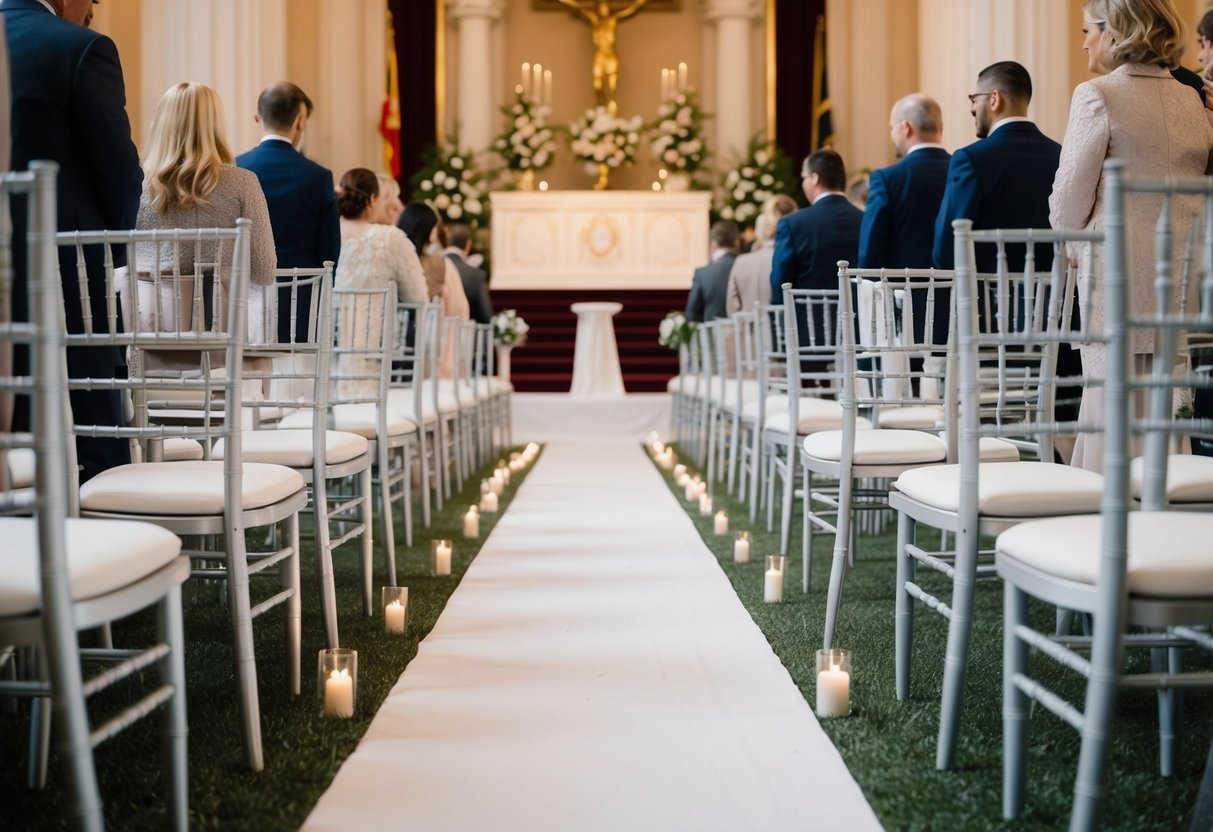
Understanding the roles within the wedding procession helps ensure everyone knows their place. Each participant brings importance to the ceremony, adding to the overall experience.
The Wedding Party and Their Roles
The wedding party consists of key individuals who support the couple. Typically, this includes bridesmaids and groomsmen, who walk down the aisle in a designated order.
-
Bridesmaids: Usually, they walk in a line, starting with the one farthest from the couple. The maid of honor is the last to walk, carrying the bride’s bouquet.
-
Groomsmen: The best man stands next to the groom, who waits at the altar. The other groomsmen follow, often organized by height.
This arrangement enhances the visual appeal when you pair it with music, making it a memorable entrance.
Special Roles for Family Members
Family members frequently have special roles during the procession. These roles deepen the emotional connection of the ceremony.
-
Parents: The father of the bride often walks his daughter down the aisle. The mother of the groom may accompany her son, adding warmth to the moment.
-
Grandparents: In some cultures, they are honored by entering first, signifying their importance in the family.
Including family can be a beautiful touch, reflecting tradition and giving everyone a sense of belonging.
Inclusive Options for Non-Traditional Ceremonies
Not all weddings follow traditional paths, and that’s perfectly fine. Non-traditional ceremonies often embrace inclusivity and personal preferences.
-
Best Woman/Man of Honor: Some couples may choose a best woman or man of honor, breaking away from typical roles.
-
Flower Girls and Page Boys: These roles can be filled by anyone, regardless of age or gender.
You can also allow friends or beloved pets to join the procession, making your ceremony truly unique. Remember, your ceremony should reflect you and your partner’s values and connections.
Navigating the Aisle with Grace

Walking down the aisle is a key moment filled with emotion and significance. Knowing a few etiquette tips, selecting the right music, and personalizing your entrance can make this experience even more special.
Walking Down the Aisle Etiquette
When it’s your turn to walk down the aisle, first focus on your posture. Stand tall and keep your shoulders back. This shows confidence and honors the occasion.
Next, remember to maintain a steady pace. Walk slowly to savor this important moment. If you feel nervous, take deep breaths to calm yourself.
Traditionally, brides are escorted by a parent or trusted individual. You can choose whoever means the most to you, whether that’s your mother, both parents, or even walking solo.
If you choose to honor a loved one, such as your father or a special friend, grasp their arm lightly, holding your bouquet in the other hand. This can create a sweet emotional moment that everyone will remember.
Choosing Your Processional Music
Choosing the right music for your bridal processional is crucial. A well-selected song can enhance the emotional atmosphere of your entrance.
Traditional choices include the bridal chorus or “Canon in D.” These tunes are often recognized and loved.
However, you can also opt for something that reflects your personal style. Songs like “At Last” or “Here Comes the Sun” can provide a fresh, modern twist to your ceremony.
Whatever music you choose, make sure it resonates with you and sets the right mood for your big moment.
Personalizing Your Entrance
Your walk down the aisle should reflect your unique personality and style. This can be as simple as how you carry your bouquet. You might hold it close to your waist or lift it slightly to show it off.
Another way to personalize your entrance is through your attire. Choose a dress that makes you feel comfortable and beautiful.
Add a special accessory, such as a family heirloom or a meaningful piece of jewelry, to celebrate your journey. These details will help create lasting emotional moments for you and your guests on your special day.
Moments of Respect and Celebration
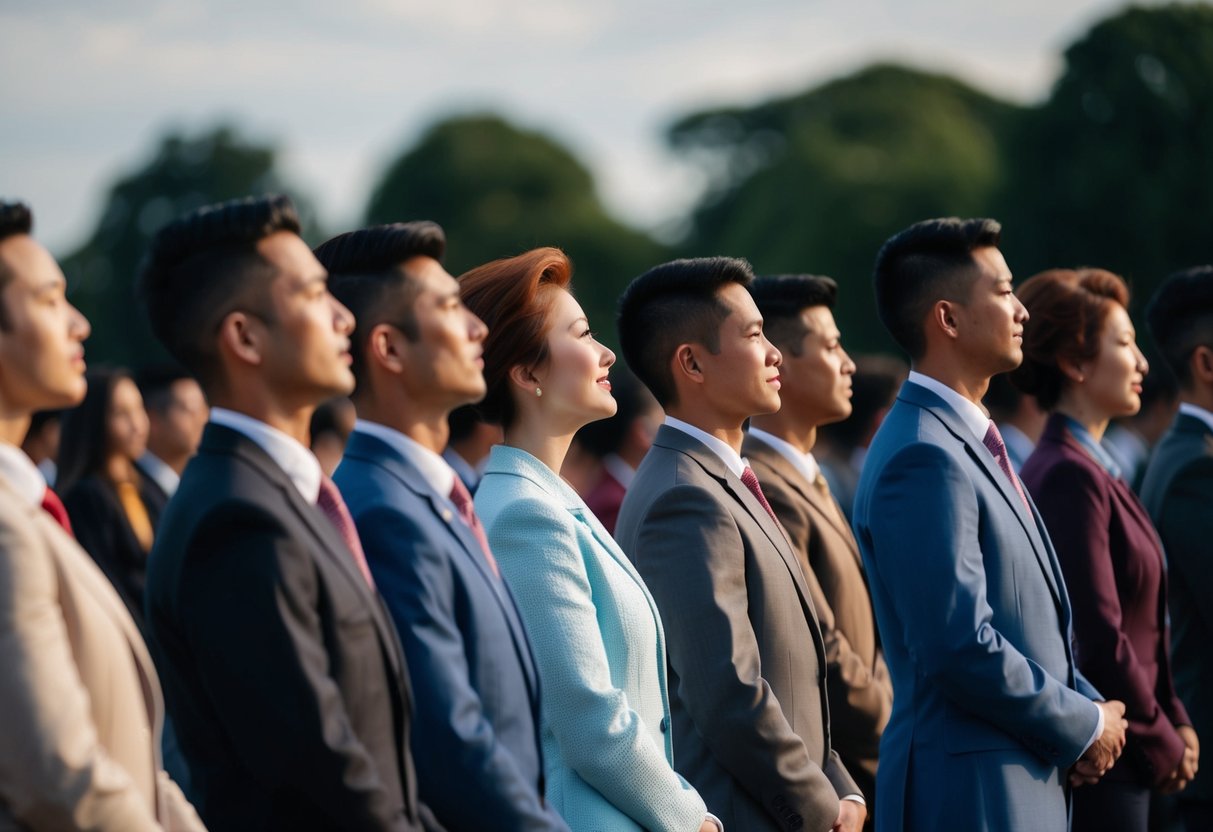
Weddings are filled with moments that blend respect, tradition, and celebration. These moments enhance the significance of your wedding day and help create lasting memories for you and your guests.
Cultural and Religious Significance
Standing during certain parts of the ceremony is a powerful sign of respect. In many traditions, such as Hindu weddings and Jewish ceremonies, guests stand when the couple enters, recognizing the importance of this memorable moment.
During a traditional Christian ceremony, it is common for guests to rise when the bride makes her grand entrance. This act honors the couple and emphasizes the love shared on this special day. In same-sex weddings and non-religious ceremonies, similar standing moments create a sense of community and support among guests.
Understanding these customs helps you incorporate them into your wedding planning, ensuring that every significant moment is respected.
The Recessional and Post-Ceremony Traditions
After vows are exchanged, the recessional marks a joyous celebration. The couple walks back down the aisle, and guests often stand and applaud, creating a festive atmosphere. This moment celebrates the commitment you have made to each other and acknowledges the support of family and friends.
Following the ceremony, various traditions may come into play. For example, throwing the bouquet or showing off the wedding rings proudly symbolizes the union. Guests may remain seated until the couple makes their exit, or some may join in the festivities, depending on your chosen style. Incorporating these elements can enhance the joy of your wedding day while honoring the past traditions that make it special.