
How Do You Tell a Wedding DJ What to Play? Tips for Crafting the Perfect Playlist
Planning your wedding music can feel overwhelming, but it doesn’t have to be.
To tell a wedding DJ what to play, create a list of your favorite songs, specify any must-play tracks for key moments, and share your preferences for music genres. This way, the DJ can capture the vibe you want for your big day.
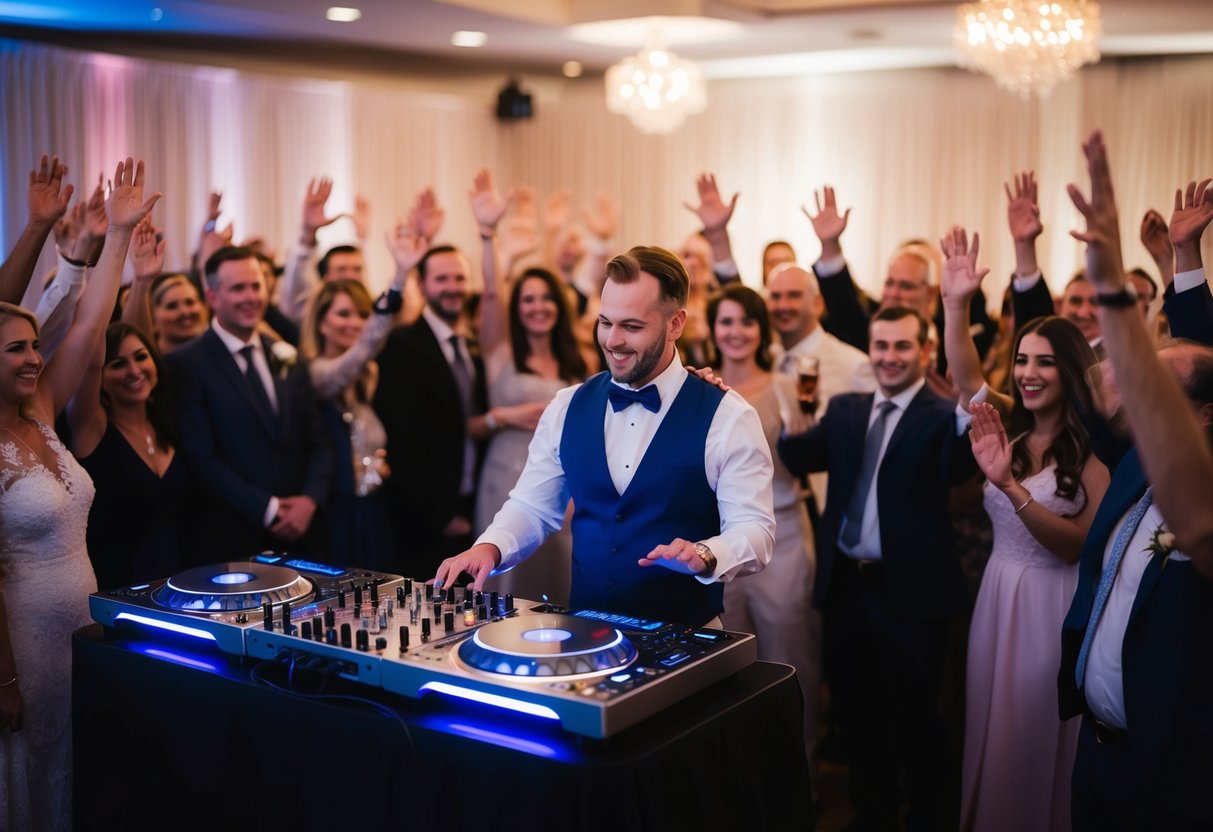
You can also help your DJ by mentioning songs you absolutely don’t want to hear. Sharing both your favorites and your dislikes ensures your wedding playlist reflects your style perfectly.
Remember, a good DJ will work with you to create the right atmosphere. Engaging in open communication opens the door for a memorable celebration.
Understanding the Role of the Wedding DJ
A wedding DJ is much more than just someone who plays music. They shape the atmosphere of your wedding reception and keep your guests energized on the dance floor. Knowing what your DJ does can help you prepare for your big day.
Defining the DJ’s Responsibilities
Your wedding DJ has key responsibilities that go beyond just playing songs. They often take on the role of emcee, guiding your guests through the event. This includes introducing the wedding party, announcing special moments like the first dance, and keeping the timeline on track.
A skilled DJ is also responsible for reading the crowd. They adjust the music based on the energy in the room. For instance, if guests are dancing and having a great time, your DJ will keep the upbeat tracks playing. If things feel a bit slow, they’ll switch to songs that get people moving again.
The Importance of a Versatile DJ
Having a versatile DJ is crucial for a successful wedding reception. A good DJ has a wide range of music to fit different tastes and moments. They should be prepared for everything from romantic ballads for slow dances to lively hits that fill the dance floor.
When you discuss your playlist, consider key moments in your celebration. Let your DJ know about songs you want for specific events, like cake cutting or the final dance. This helps your DJ blend your choices with their expertise, ensuring your wedding is unforgettable.
Engaging a DJ who understands your vision helps create a fun and memorable experience for you and your guests.
Creating the Perfect Playlist
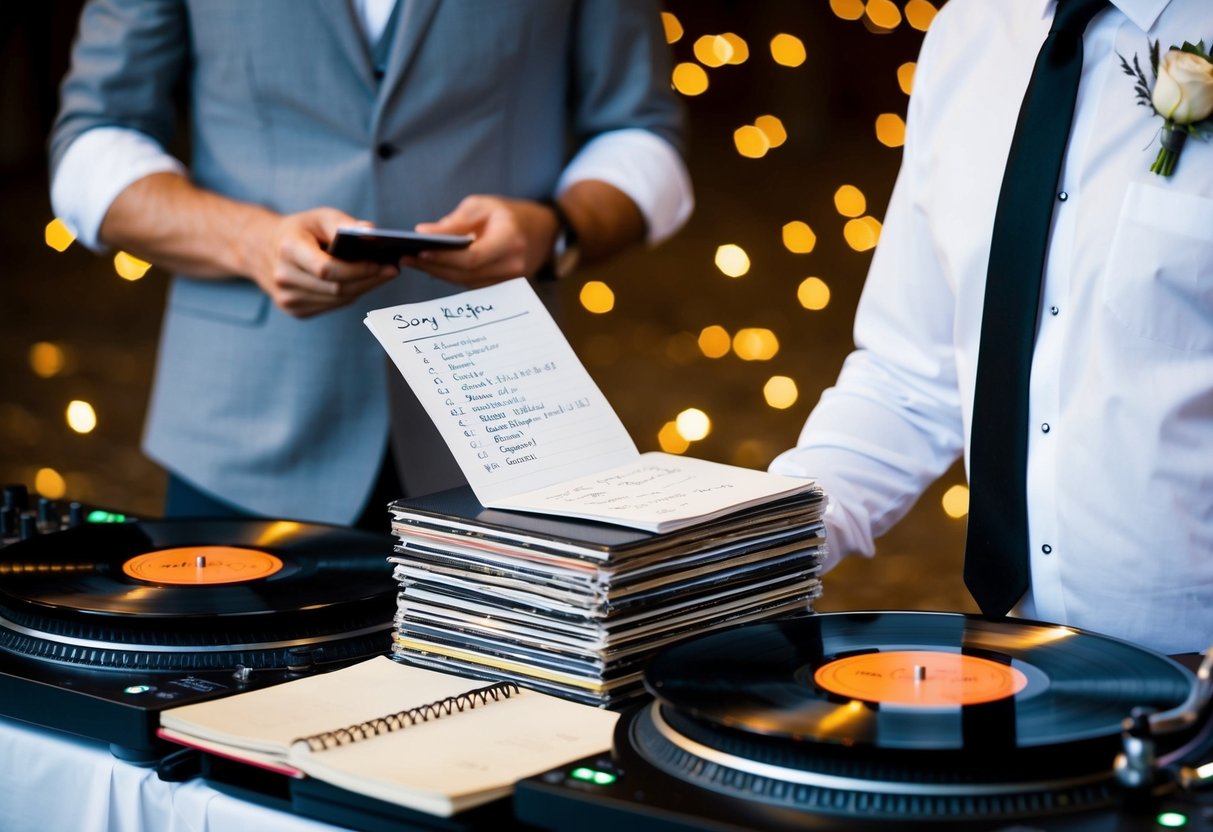
A well-curated playlist can set the mood for your wedding. Keep your music choices personal and fun by considering must-play songs, key moments, and guest requests. This will ensure everyone has a great time!
Must-Play Songs and Do-Not-Play Lists
Start by making a Must-Play List. Include songs that are meaningful to you. Think of your favorite tracks or those special songs that remind you of key moments together. Popular choices often include classics like Whitney Houston’s hits and Neil Diamond’s favorites.
It’s equally important to create a Do-Not-Play List. This helps your DJ avoid songs you dislike or find cliché. For instance, if you want to skip the “Macarena” or certain overplayed tracks, let your DJ know.
Clear communication about your preferences will help create an enjoyable atmosphere.
Selecting Songs for Key Moments
Focus on selecting songs for key moments in your wedding. For the first dance, choose a song that reflects your love story. It could be a romantic ballad that resonates with both of you.
For other significant moments, such as the father-daughter dance or mother-son dance, pick songs that have sentimental value. You might consider classic tracks that will evoke emotion, such as a heartwarming tune from your childhood.
Don’t forget about the cake cutting and bouquet toss songs; these can be light-hearted and fun tracks that get everyone smiling.
Finally, think about the last song. You want this track to create a memorable end to the celebration. Opt for something upbeat that encourages everyone to join in one last dance.
Incorporating Guest Song Requests
To keep your guests engaged, allow song requests. This is a great way to add variety to your playlist.
You can ask your guests ahead of time for their favorite tracks or let the DJ take requests on the day.
Make sure to communicate any specific genres or types of music you want to highlight, like pop, rock, or dance music. You might include popular artists like Rihanna to energize the crowd.
Balancing your preferred selections with crowd-pleasers will ensure everyone has a great time dancing and celebrating.
Communicating with Your Wedding DJ
Effective communication with your wedding DJ is crucial for a seamless event. By sharing your music preferences, guiding them on name pronunciations, and providing a schedule, you ensure your celebration flows smoothly.
Discussing Music Preferences in Detail
Start by sharing your must-play songs. Create a list of tracks you definitely want played during key moments, such as the first dance or cake cutting.
Consider genres that resonate with you and your guests. Also, include songs you’d prefer to avoid. This will help your DJ steer clear of any tunes that might not fit the vibe you want.
Don’t forget to talk about the atmosphere you envision. Let your DJ know if you want a romantic ambiance or a party vibe to keep everyone dancing.
Pronunciation Guides for Names and Announcements
When it comes to the grand entrance, proper pronunciation is essential. Write down the names that will be mentioned, especially if they are unique or hard to say.
Consider providing a brief guide on how to say each name phonetically. This is especially helpful for wedding party members and family members who might play a role during the reception.
By ensuring your DJ knows how to pronounce names correctly, you avoid awkward moments and help everyone feel included.
Providing a Timely Schedule for the Event
Outline a clear timeline for your wedding day. Share when specific events will happen, like the ceremony, cocktail hour, and dinner.
Provide the DJ with a detailed schedule. Include when you want to feature major songs, such as entrance music and special dances. This allows them to prepare in advance and set the right mood at the right times.
A well-organized schedule keeps everything on track and ensures that no important moment is missed.
Maximizing the Wedding Venue Atmosphere
Creating a great atmosphere in the wedding venue is key to an unforgettable celebration. The right music and sound setup can enhance the mood and keep guests engaged.
Let’s explore how to set up the DJ booth for optimal sound and strategically place the dance floor for maximum enjoyment.
Setting Up the DJ Booth for Optimal Sound
Positioning the DJ booth the right way can greatly impact sound quality.
Place it in a corner or against a wall to minimize sound bouncing. Ensure the booth is elevated slightly, as this helps sound travel better.
You also want to consider speakers. Use two speakers for balanced sound; one on each side of the dance floor. Avoid placing them too close to the walls.
Check that they are at ear level for guests on the dance floor.
Lastly, ensure the DJ has a reliable sound system. This includes a mixer, microphones, and cables. Having good equipment keeps the wedding flowing smoothly. Your DJ can then seamlessly mix popular songs like the Cupid Shuffle and Wobble, enticing guests to hit the dance floor.
Strategic Dance Floor Placement
The location of the dance floor is just as important. Aim for a spot with open access. It should be ideally near the main attraction but away from crowded areas. This encourages guests to join the fun.
Consider the venue’s layout. If the floor is near the bar, guests are more likely to keep dancing. A clear line of sight to the DJ helps, too. It invites participation and builds excitement around the music.
Make the dance floor large enough to accommodate groups. If the space gets cramped, guests might not feel comfortable dancing. Incorporating crowd favorites like Cotton Eye Joe can also spark energy, making the dance area a lively hub for all attendees.