
How Does Picture Bride Work? Understanding the Process and Its History
The picture bride practice emerged in the early 20th century, mainly among Japanese immigrants in the United States. Men used this unique form of arranged marriage to select brides from their home countries through photographs and family recommendations. It was a chance for many women to escape poverty and start new lives, but it also came with significant risks, as most did not speak English.
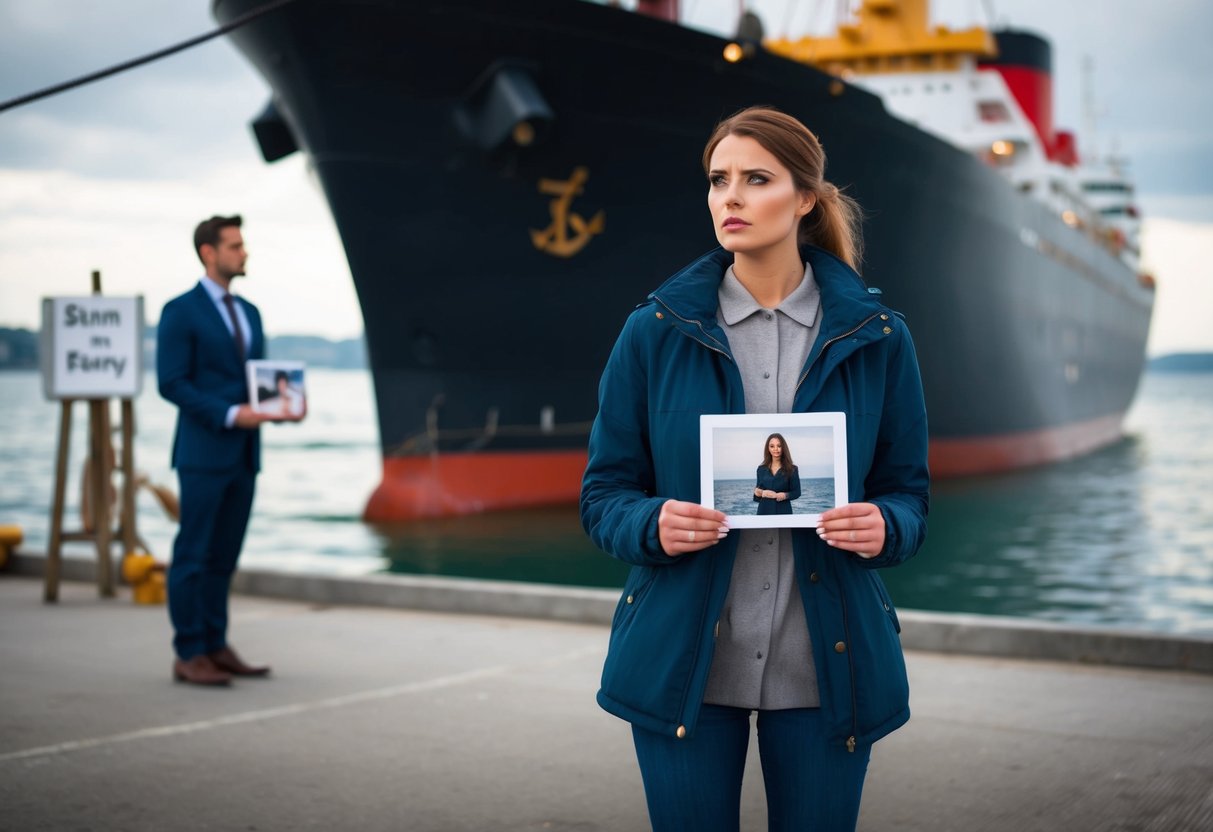
When picture brides traveled to the U.S., they often arrived in places like Hawaii and the West Coast. This practice shaped the Japanese American community, bringing families together and increasing the birth rate among Japanese immigrants. The matchmaker played a key role, ensuring that both the bride and groom were well-matched based on what families thought was best.
Understanding how the picture bride system worked gives you insight into the struggles and hopes of these immigrants. It highlights the courage of the women who chose this path and the customs that shaped their lives in a new country.
Historical Context of Picture Brides
The picture bride system arose from a mix of social needs and historical circumstances. It involved different groups, including Japanese, Okinawan, and Korean immigrants, and was influenced by international agreements and cultural factors. Understanding these aspects gives you a clearer picture of how this unique marriage practice developed.
Rise of the Picture Bride System
The picture bride system began in the early 20th century. Many Japanese immigrants settled on the West Coast and in Hawaii to work in agriculture and other industries. Due to labor shortages and the desire for family life, single men sought brides from their home countries.
Matchmakers played a crucial role, using photographs and family recommendations to connect couples. The grooms often married their brides shortly after arriving at immigration stations, sometimes even before confirming a match based purely on their pictures.
International Agreements and Immigration Laws
The rise of picture brides was also tied to significant agreements, such as the Gentlemen’s Agreement between the United States and Japan in 1907. This agreement limited Japanese immigration but allowed for the entry of families. The Japanese government supported picture brides as a way to encourage family creation among their citizens abroad.
Other immigration laws similarly impacted this practice. For instance, restrictions increased for those without families, prompting many to turn to picture brides to gain legal residency and build family units.
Cultural and Social Factors
Cultural expectations fueled the picture bride system. Arranged marriages were common in many Asian cultures, making it easier for families to find suitable matches. For men working hard in unfamiliar lands, having a picture bride meant starting a new life with family support.
Women also played a significant role. Many sought better lives in America, with the hope of escaping difficult circumstances at home. This mutual need created a unique cultural bond, where both sides sought stability, love, and community in their new lives.
The Process and Mechanics of Picture Briding
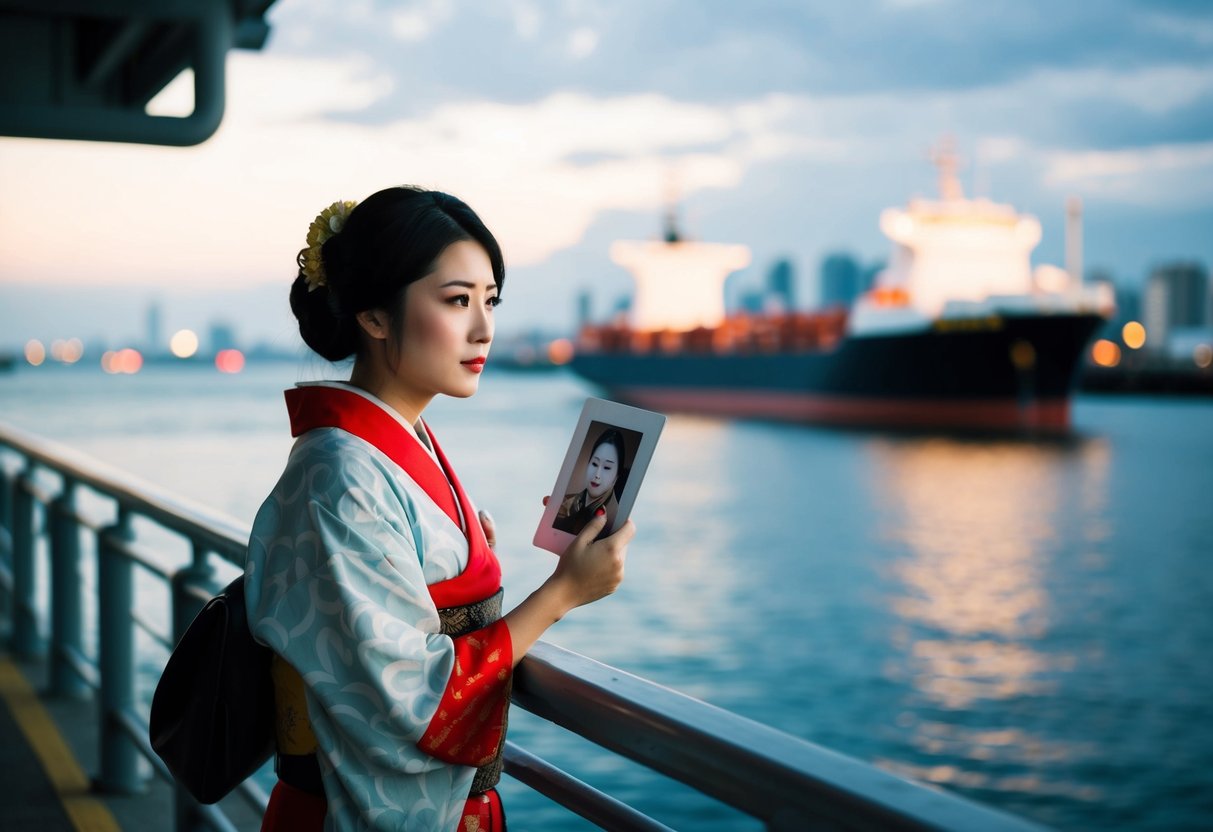
In picture bridging, the process combines traditional marriage customs with modern methods to connect potential brides and grooms across oceans. Understanding the roles of matchmakers, the exchange of photographs, and how transpacific journeys happen can give you insight into this unique practice.
Role of Matchmakers and Go-Betweens
In this practice, matchmakers, also known as nakōdo, play a crucial role. They connect Japanese men working abroad with women in their home country. Often, these matchmakers have a deep understanding of family backgrounds and preferences.
They use this knowledge to suggest suitable matches based on values and interests. The matchmaker acts as a mediator, handling introductions and easing communication between families. This personal touch is vital, as it builds trust and comfort for both parties involved.
Exchange of Photographs and Letters
The exchange of photographs is a cornerstone of the picture bride process. You may send your picture to a potential bride to help her make an informed choice. Women often receive multiple photographs from various suitors.
Along with pictures, letters are exchanged too. These letters help convey personality, hopes, and feelings. They set the ground for understanding each other better. The combination of images and words leads to informed choices, making this method quite personal.
Transpacific Journeys and Marriages
Once a match is made, the next step involves long journeys across the Pacific. The bride travels from her home country to join her husband. This journey is not just physical; it represents a major life change.
When the bride arrives, she may find herself in a new culture and environment. The families involved usually help her adapt to her new life. After settling in, the marriage ceremony can take place, blending customs from both cultures, making it a rich, shared experience.
Life Experiences of Picture Brides
The life experiences of picture brides were filled with unique challenges and rich contributions to their communities. These women navigated a new culture while forging strong connections in the Japanese-American community.
Challenges and Adaptations
Upon arriving in places like Hawaii and California, picture brides faced significant challenges. Most did not speak English and had to adapt quickly to a new environment. They often worked on sugarcane plantations alongside their husbands.
The adjustment to life as immigrants brought both cultural shocks and hardships. Many left behind family and familiar traditions, which made it important for them to find ways to maintain their cultural heritage. Women like Hana Omiya and Youki Kudoh shared stories of struggle, resilience, and courage.
Contributions to Japanese-American Communities
Picture brides played a crucial role in shaping Japanese-American communities. By establishing households, they laid the foundation for future generations. These women were instrumental in preserving cultural practices and traditions.
Their involvement in community events and religious organizations strengthened social bonds. Many of them became active members, ensuring that their children, often referred to as Nisei, grew up with a strong sense of identity. This sense of belonging was especially important during difficult times, including World War II.
Personal Stories and Legacies
Each picture bride’s journey tells a unique story. For instance, Yoshiko Uchida’s narratives reflect the struggles and triumphs of these women. Her works capture the essence of their lives and the skills they developed while adapting to new circumstances.
These personal stories often highlight bonds with family and community. Many picture brides left legacies that continue to inspire Japanese-Americans today. By sharing their experiences, they remind us of their significance in American history and the enduring impact of their journeys.
Cultural Reflection and Significance
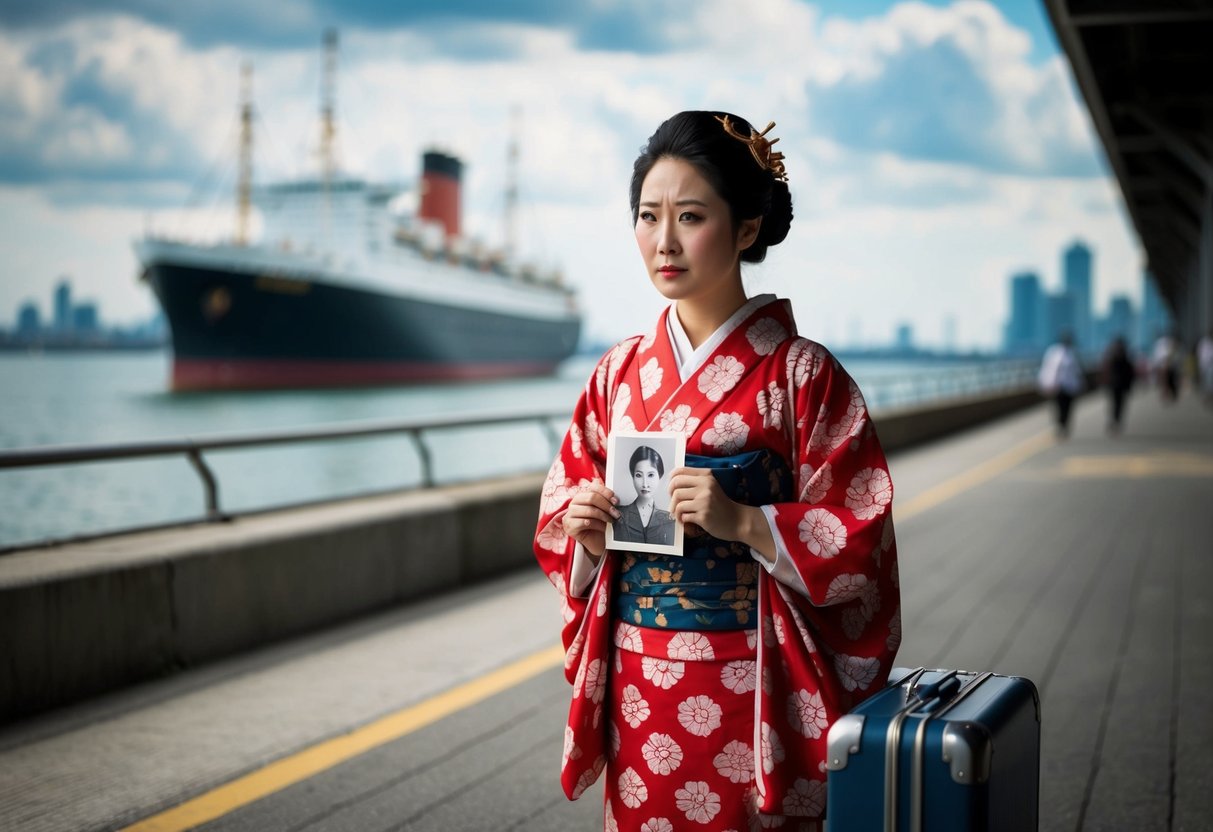
The practice of picture brides provides insight into cultural values and the significance of connections among Japanese immigrants. It reflects traditional beliefs and modern views on marriage and family. Let’s explore its depiction in literature and film, as well as its modern reflections.
Picture Brides in Literature and Film
Picture brides appear in various stories, showcasing their experiences. Authors like Kayo Hatta highlight the struggles and hopes of Japanese women who participated in this system. In her work, you see how these women balanced traditional values with the challenges of starting a new life.
Films often portray them facing obstacles, such as adjusting to a new culture and meeting their husbands for the first time. Their journey reflects themes of filial piety and the importance of family. These narratives help you understand the emotional depth behind the picture bride system and the sacrifices made for love and family.
Modern Reflection of Arranged Marriages
Arranged marriages still exist today, drawing parallels to the picture bride system. While the methods have evolved, the core idea of family involvement in marriage remains. Many couples today still value the guidance of their families in choosing partners.
Modern mail-order bride systems serve a similar purpose, assisting in connections between individuals from different cultures. The practice highlights how cultural values can influence relationships across time and space. Examining these practices gives us a clearer picture of how cultural traditions shape our understanding of love and commitment.