
How Early Should the Bride Arrive? Tips for a Stress-Free Wedding Day
As you prepare for a wedding, you might wonder how early you should arrive. The best rule of thumb is to aim for 15 to 30 minutes before the ceremony starts. This not only ensures that you are seated on time but also shows respect for the couple as they start their special day.
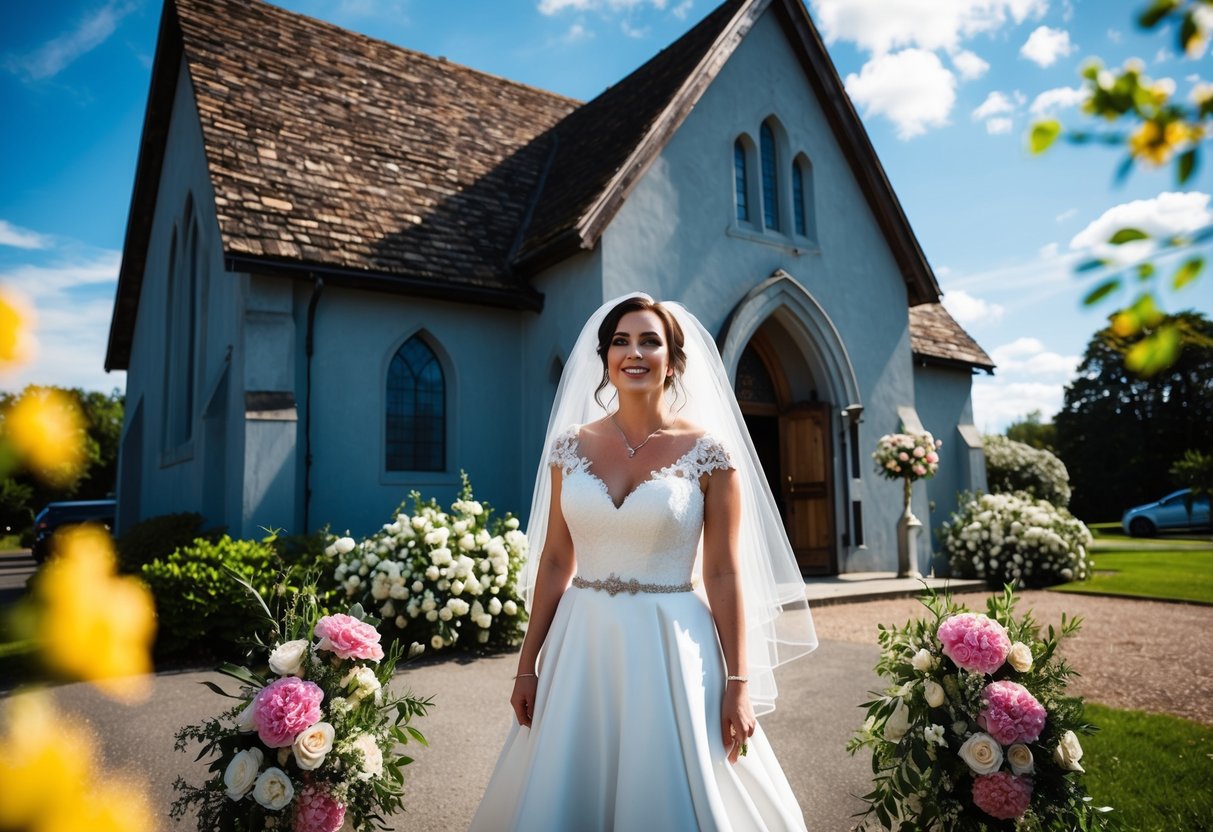
Arriving early gives you a chance to soak in the atmosphere and enjoy the celebration with fellow guests. Plus, it allows you to take a moment to look over the beautiful decorations and perhaps catch a glimpse of the bride before she walks down the aisle. You’ll be able to relax and be part of the joyful anticipation that surrounds the wedding day timeline.
Whether you’re a guest or part of the wedding party, being prompt can help avoid stress and ensure that everyone enjoys the day to its fullest. So set your alarm a little earlier and embrace the excitement of celebrating this important moment!
Planning Your Arrival at the Venue
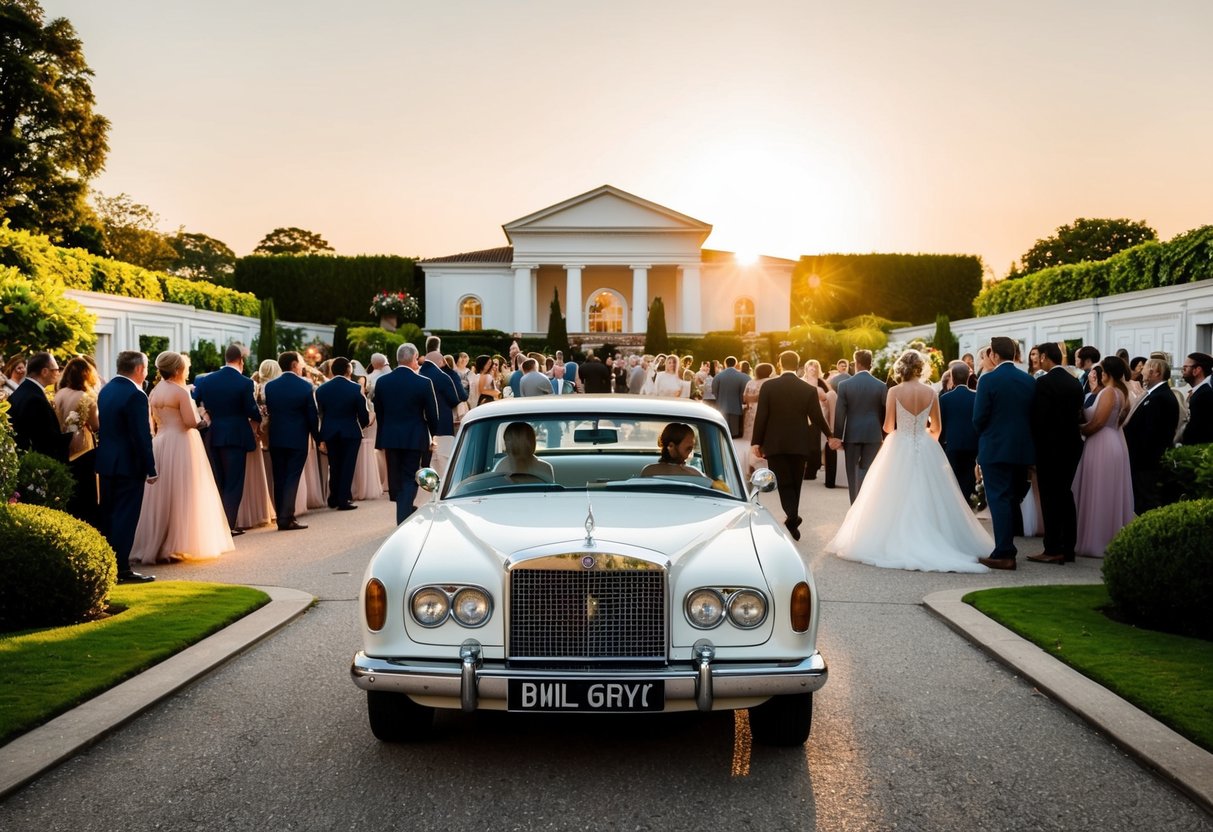
Arriving on time at your wedding venue is important for a smooth and enjoyable day. You’ll want to factor in travel time, your beauty appointments, and any pre-ceremony activities to ensure everything goes as planned.
Determining Travel Time
Start by planning your route to the wedding venue. Consider the distance and typical traffic during your wedding day.
Use a navigation app to check for real-time updates. This can help you avoid delays and arrive without stress.
If your venue is in a busy area, allow extra time. It’s always better to arrive early than to feel rushed.
Considering Makeup and Hair Appointments
Next, schedule your makeup and hair appointments well in advance. Most brides need about two to three hours for these services.
Make sure to account for travel time from your home or hotel to the salon.
Confirm with your wedding planner about the schedule. This coordination ensures everyone is on the same page and helps your day flow smoothly.
Allocating Time for Pre-Ceremony Activities
Before the ceremony, you may have various activities planned. This can include having pre-ceremony photos taken.
Setting aside time for this can prevent you from feeling rushed. Discuss timings with your photographer to get the best shots.
Also, consider any special moments. This could be a private time with family or a first look with your partner. These moments can enhance your wedding experience, so plan accordingly.
The Bridal Party’s Role on the Wedding Day
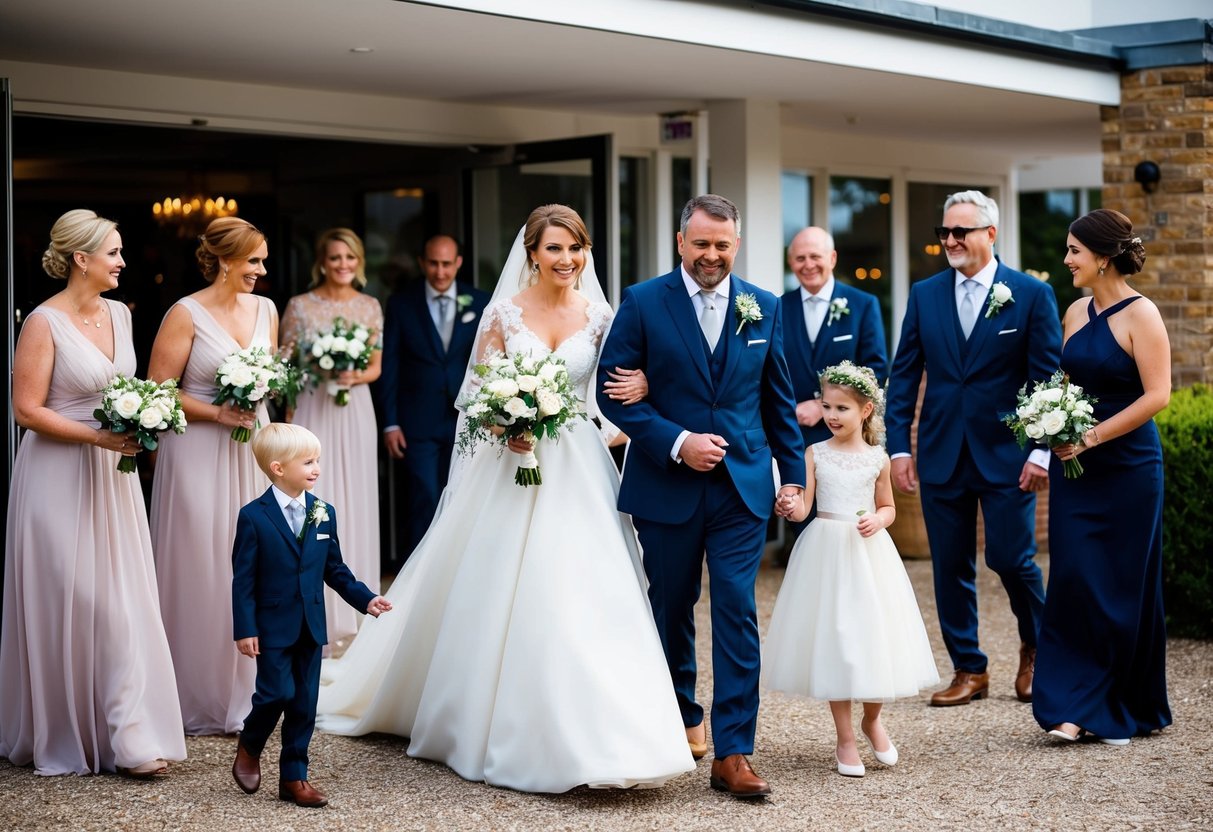
Your bridal party plays a vital role in making your wedding day special and smooth. They support you emotionally and help with tasks, allowing you to focus on enjoying the moment.
Coordinating Bridesmaids and Groomsmen
Bridesmaids and groomsmen are essential for keeping everything organized. They help with getting ready, ensuring everyone is on schedule.
Responsibilities include:
- Hair and Makeup: They may join you for hair and makeup, creating a fun atmosphere.
- Dress Assistance: They help each other get dressed and make sure everyone looks fantastic.
- Ceremony Details: Groomsmen often oversee the rings, ensuring they are ready for the exchange during the ceremony.
Remember, communication is key. Share a timeline with your bridal party so everyone knows where they need to be and when. They can also assist in calming nerves and providing support throughout the day.
Involving Flower Girls and Ring Bearers
Flower girls and ring bearers add a charming touch to your wedding. Their involvement is playful and delightful, enhancing the atmosphere.
Key points to consider:
- Roles: Flower girls can scatter petals along the aisle, while ring bearers carry the wedding rings.
- Practice: Hold a rehearsal to ensure they know what to do. This builds their confidence and helps everything run smoothly.
Provide them with easy-to-carry items or simple instructions if they are young. This will help them feel included and contribute to the day’s joy. Remember to celebrate their efforts, as they make your wedding even more memorable.
Wedding Ceremony Considerations
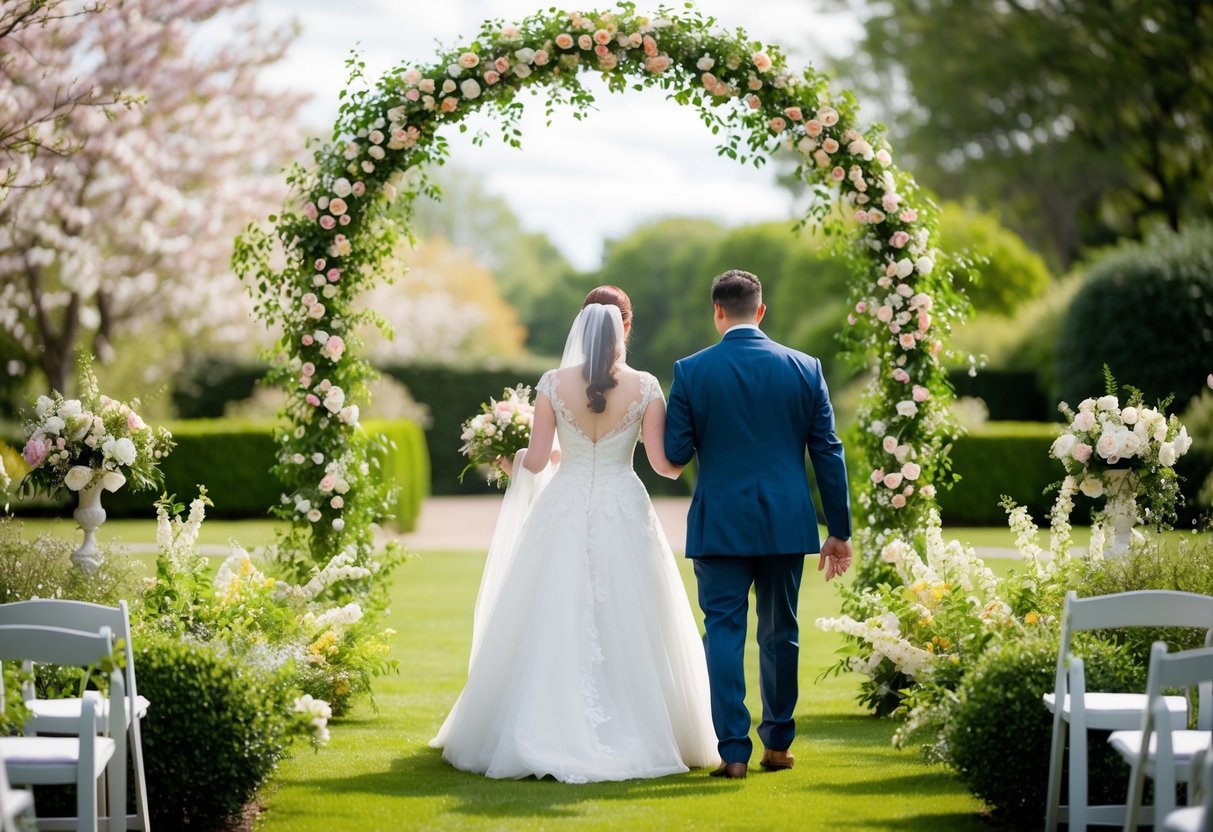
When planning your arrival for the wedding ceremony, there are important details to keep in mind. Two key aspects are how seating arrangements will be handled and the timing of the processional. Both can affect the flow of your big day.
Seating Arrangements and Ushers
Seating is essential for a smooth wedding ceremony. You should decide how guests will be seated before the ceremony starts. Will you have ushers to guide them? If so, make sure they know their roles.
Typically, ushers should arrive early to help guests find their seats. You might want to create a seating chart to avoid confusion. This helps your guests feel welcome and ensures everyone is in the right place when the ceremony begins.
Consider the ceremony start time, too. Guests should know whether they should sit on the bride’s or groom’s side. Clearly marked signs can be helpful for this. A good seating plan will enhance the atmosphere and help your wedding officiants carry out the ceremony smoothly.
Timing the Processional and Order of Events
The processional sets the tone for the entire wedding ceremony. You’ll want to time it carefully, to ensure everyone is where they need to be. Typically, the bride arrives last, but you should coordinate with your wedding party.
Plan the order of events, like the music and when each person walks down the aisle. Communicate this schedule with your wedding officiant beforehand. They will play a crucial part in keeping everything on track.
You can use a wedding timeline as a reference. This helps all participants know their roles. Remember, a well-timed processional leads to a more enjoyable ceremony for you and your guests.
Reception and Post-Ceremony Events
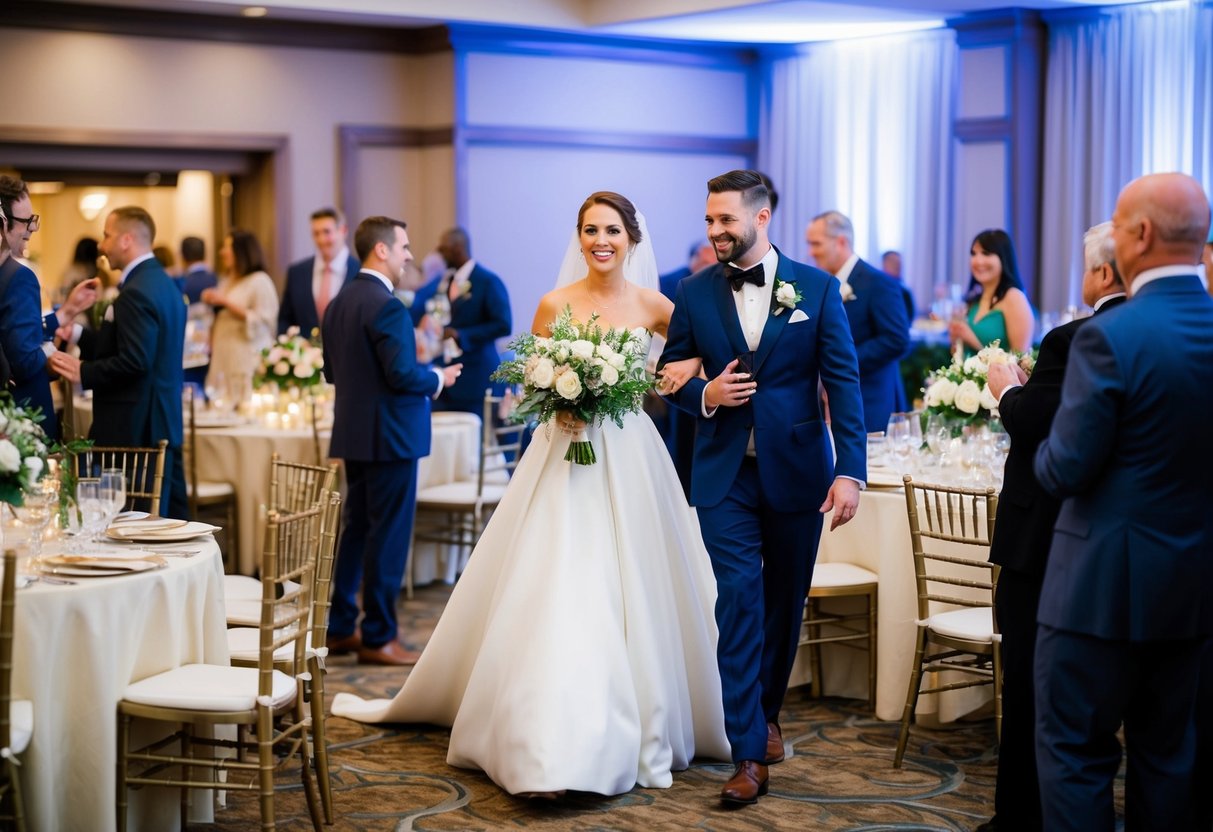
After the ceremony wraps up, the reception is a joyful time for you and your guests. It’s important to know how to navigate the events following the vows to ensure a smooth transition from one part of the day to another.
Navigating the Cocktail Hour and Reception
The cocktail hour is a wonderful time for guests to mingle while you take photos or enjoy some quiet moments. Aim to arrive at the reception venue shortly after the cocktail hour begins so you can greet your guests.
This period usually lasts around an hour. It’s a great way to let everyone settle in before the main festivities begin. During this time, guests can enjoy appetizers and drinks, setting a relaxed atmosphere.
Once you arrive, you can participate in the fun and enjoy the festivities that follow. Consider planning a fun introduction to your entrance to get the party started!
Scheduled Moments: First Dance and Cake Cutting
Timing is key for special moments like the first dance and cake cutting. Typically, the first dance happens shortly after everyone is seated. You should be ready to share this intimate moment with your partner as it will set the tone for the rest of the night.
Make sure to inform your DJ or band of the timing. After the dance, you’ll usually move right into the cake cutting. This is a highlight for guests, so be prepared to smile and enjoy the moment together.
Having a schedule helps keep everything flowing smoothly. Consider sharing these key moments with your planner or coordinator to ensure the day goes as planned.