
How Expensive Is a 100-Guest Wedding? 2026 Cost Guide
A 100-guest wedding in the United States can cost about $25,000 to $45,000 in 2026, with a smaller celebration below that range and a high-end event above it. Your location, venue, food and drink choices, and vendor plans shape the final cost.
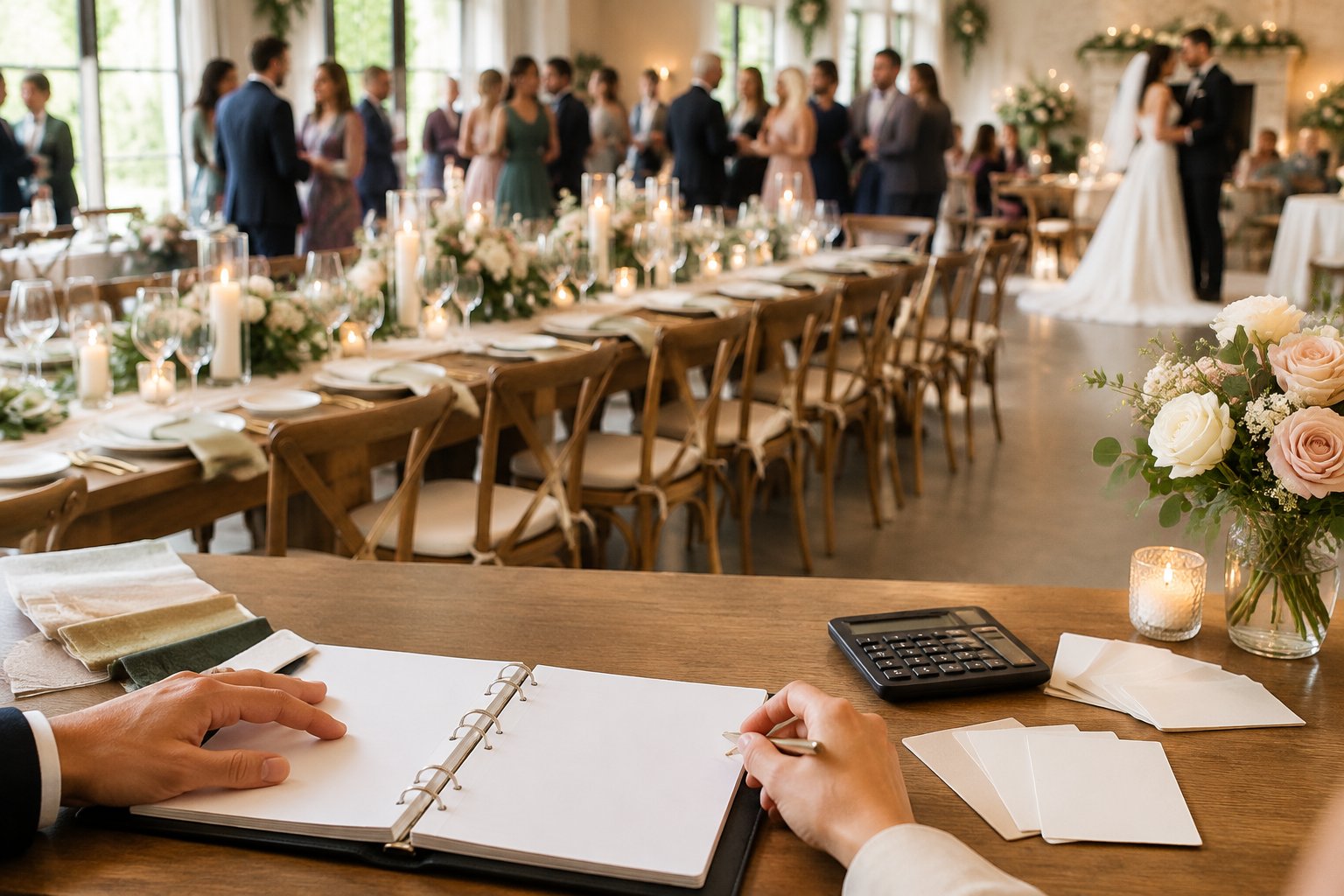
Use that range as a starting point, then set a spending limit that fits your finances. A few early vendor quotes can help you turn a broad estimate into a practical plan.
Set a Realistic Budget Range
For a 100-guest wedding, plan on roughly $25,000 to $45,000 for a mid-range celebration, while a simpler event may cost less and an upscale one may exceed $50,000. Your local prices and the services you include will shift the total.

What Do Budget, Mid-Range, and Upscale Weddings Cost?
A lean 100-guest wedding might land around $15,000 to $25,000 if you choose a lower-cost venue, keep the meal simple, and limit extras. A mid-range plan often falls between $25,000 and $45,000, with a rented venue, a catered meal, and several professional vendors. Upscale weddings can start around $50,000 and climb much higher with premium venues, elaborate design, or extensive food and bar service.
These are planning ranges, not fixed price bands. Use a realistic wedding budget as a comparison point, then check local quotes before committing to a number.
How Should You Use the Average as a Starting Point?
The national average wedding cost for 2026 is about $34,200, but that figure includes weddings of different sizes and styles. It offers a useful reference point, not a price guarantee for your 100 guests.
If your total is near that amount, compare your planned services and local quotes before deciding whether it fits. Start with the amount you can spend, then divide it among your priorities. A wedding budget allocation plan can help you assign a share to each major category and leave room for fees and unexpected costs.
Where Does the Money Go in a 100-Guest Budget?
Venue and rentals, food and drinks, photography, and decor claim the largest shares of many wedding budgets. A clear wedding budget breakdown helps you see which choices are driving your total.
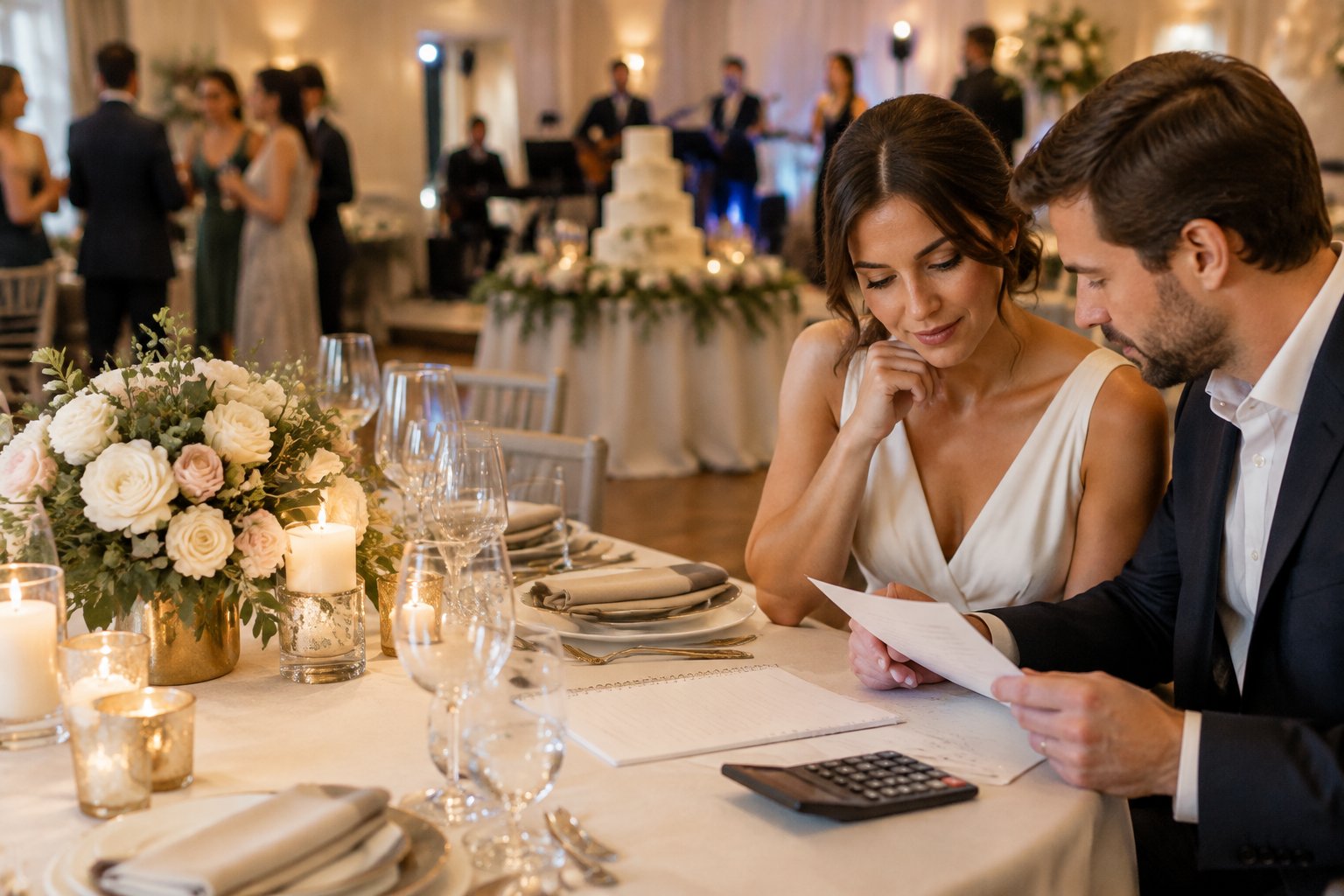
Which Wedding Expenses Take the Largest Shares?
Venue costs often include the space, tables, chairs, or basic setup, though package details differ. Catering, cake, and drinks form another major expense, especially when you choose a plated meal or a full bar.
Photography and videography, flowers and decor, music, attire, planning, and transportation fill out the rest. Check what each quote includes before comparing prices. A venue package with tables and chairs may reduce separate rental costs, while a lower venue fee could leave you paying for more setup items. For help deciding how to divide your funds, use this guide to splitting a wedding budget.
What Could a Sample Wedding Budget Breakdown Look Like?
The example below uses a $34,200 budget. Treat it as a planning model, then change the amounts to match your priorities and vendor quotes.
| Category | Share | Sample amount |
|---|---|---|
| Venue and rentals | 28% | $9,576 |
| Catering, cake, and drinks | 24% | $8,208 |
| Photography and videography | 10% | $3,420 |
| Floral design and decor | 9% | $3,078 |
| Music | 6% | $2,052 |
| Attire and beauty | 6% | $2,052 |
| Rings | 5% | $1,710 |
| Wedding planner | 5% | $1,710 |
| Guest entertainment | 3% | $1,026 |
| Transportation | 2% | $684 |
| Stationery | 1% | $342 |
| Officiant | 1% | $342 |
The sample gives you a starting structure, not a required formula. Move money toward the parts of the day you value most, and keep a reserve for taxes, service charges, tips, and other fees that appear in vendor contracts.
Which Costs Rise With Every Guest?
Your wedding budget by guest count changes most when a larger list increases food, drinks, rentals, and service needs. Venue, photography, and planning fees may stay similar until your guest count forces a change in room size or staffing.
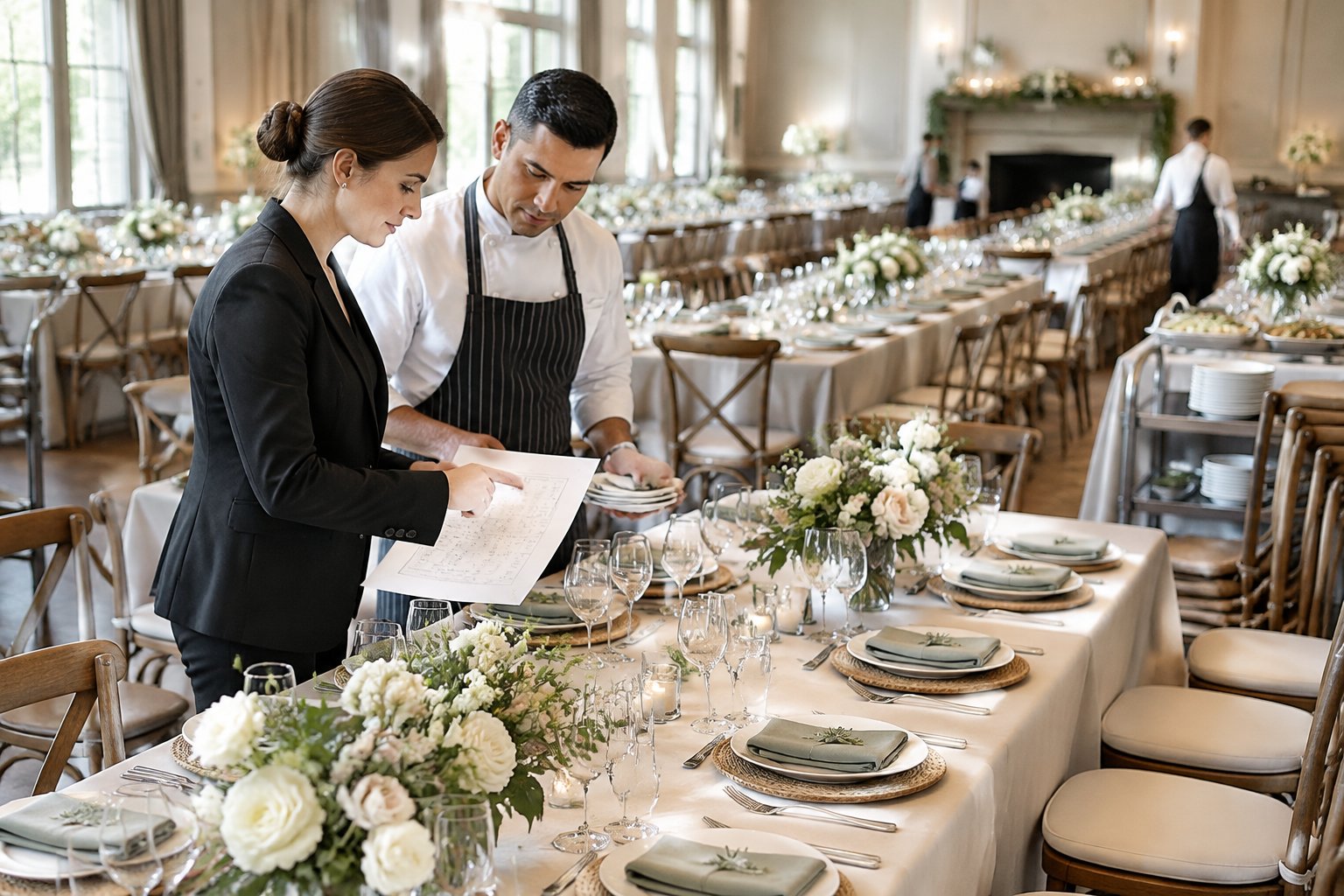
How Much Does Each Guest Add to the Total?
Each additional guest might add roughly $75 to $150 in variable costs for items such as a meal, drinks, place setting, and favor. Your added cost depends on the catering package, bar service, rental needs, and any venue or staffing threshold you reach.
For a rough check, multiply your added guests by your estimated per-person cost. If you add 10 guests and estimate $100 per person, budget about $1,000 more. This is a planning estimate; your per-person wedding budget should reflect local quotes and the services included.
How Do Budgets Change at Different Guest Counts?
The table shows how variable costs can shift around a 100-person plan, using an estimated $75 to $150 per added or removed guest. It assumes the venue and other fixed expenses stay the same.
| Guest count | Change from 100 guests | Estimated variable-cost change |
|---|---|---|
| 50 | 50 fewer guests | $3,750 to $7,500 less |
| 100 | Baseline | No change |
| 150 | 50 more guests | $3,750 to $7,500 more |
Your total will not always follow this pattern exactly. A larger list can require a bigger room, more staff, or a higher catering minimum, while a smaller list may leave fixed charges unchanged. Compare venue and catering quotes at several guest counts before finalizing your list.
What Factors Can Push the Total Higher or Lower?
Your wedding costs can shift by thousands of dollars with the venue, date, location, food service, and vendor package choices. Compare complete quotes, including fees and included services, before you set your final total.

How Do Location, Venue, and Season Affect Prices?
Prices vary by region, and venues in high-demand cities can charge more than spaces in smaller towns. A hotel or full-service venue may bundle furniture and staff, while a community hall or outdoor site may need extra rentals, permits, or setup.
Your wedding date also affects availability and rates. Peak-season Saturdays often draw more demand; a weekday, winter date, or less popular time can bring a lower quote. When you compare venues, include rental costs, cleanup, security, and any required vendors in the total.
How Do Food, Bar, and Vendor Choices Change the Cost?
A plated meal with several courses and premium drinks costs more per guest than a buffet or casual meal. Bar service also changes the bill: a hosted full bar, limited drink menu, and nonalcoholic service have different price points.
Vendor packages shape your other major expenses. Full-day photography, a live band, custom floral installations, and detailed decor can raise the total. Keep the elements you care about and ask vendors for package options that fit your budget. If you are planning a casual celebration alongside the wedding, compare those expenses with the costs of a 100-person party.
How Can You Keep Spending on Track?
You can keep your spending on track by setting a firm total, recording every quote and payment, and checking the remaining balance as plans change. A simple wedding budget calculator or spreadsheet helps you compare estimates with actual costs.
How Can a Wedding Budget Calculator Help?
A wedding budget calculator turns your total into category limits, then lets you adjust the amounts as you receive quotes. Enter your guest count and expected costs for the venue, catering, photography, and other services. Keep a separate line for taxes, service charges, tips, and contingency funds.
Update the figures when you book vendors or change plans. A payment tracker also helps you note due dates and distinguish deposits from remaining balances. For a step-by-step approach to setting your limits, follow this guide on working out your wedding budget.
Which Changes Can Save the Most Without Losing What Matters?
Start with the largest flexible costs. Reducing the guest list cuts meal and drink charges, along with some rental needs. Choosing a lower-cost date or venue can also reduce the total without changing the shape of your celebration.
You can also simplify the menu, shorten bar service, or choose seasonal flowers. Ask vendors for smaller packages and compare what each quote includes. Before booking, check that your changes keep the parts of the day you value within the amount you set.