
How Far in Advance Do Guests Need to RSVP for a Wedding? Essential Tips for Planning
Planning a wedding can be both exciting and overwhelming, especially when it comes to coordinating your guest list. One key question you might have is how far in advance you should ask your guests to RSVP. Most experts recommend that you set the RSVP deadline for four to six weeks before the big day. This timeframe allows guests enough time to check their schedules and make travel plans if needed.
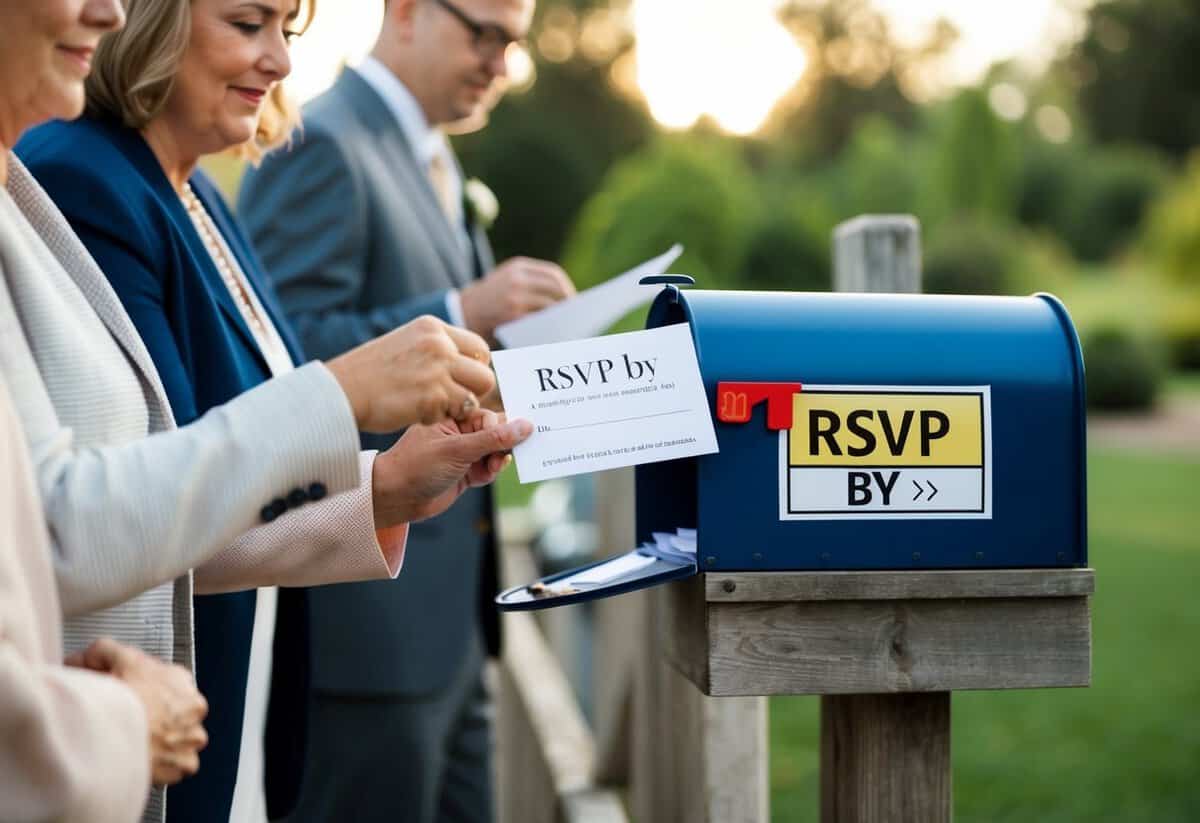
When you send out your wedding invitations, they should ideally go out six to eight weeks prior to the event. If you’ve sent out save-the-dates earlier, this will help keep your guests on track and ready to respond. It’s all about clear communication to make your wedding planning smoother.
Understanding RSVP Timelines
Setting an RSVP deadline is a crucial part of wedding planning. It helps you manage guest expectations and ensures a smooth planning process. Here’s what you need to consider when creating your RSVP timeline.
Significance of the RSVP Deadline
The RSVP deadline is your tool for gathering important information. It helps you know how many guests will attend, which is key for making arrangements with your venue, caterer, and other vendors.
When you set a deadline, aim for 3 to 4 weeks before the wedding date. This buffer time gives you a chance to follow up with anyone who hasn’t responded. Plus, it allows you time to finalize the final headcount needed for catering and seating.
Creating a Timeline for RSVPs
When planning, start by sending invitations 6 to 8 weeks in advance. This gives guests plenty of time to mark their calendars and make arrangements. You might consider sending invites even earlier for destination weddings, ideally 10 to 12 weeks out.
Set your RSVP deadline about 4 to 5 weeks after mailing the invitations. This ensures guests can respond after checking their availability and travel plans. You’ll also have a little extra time to touch base with those who haven’t replied by the deadline.
Impact of RSVP Timing on Wedding Planning
The timing of RSVPs can significantly affect your wedding plans. If your guests respond late, it might push your planning schedule. You could risk making decisions without having the final headcount, which can impact catering or venue arrangements.
By keeping a structured RSVP timeline, you minimize stress and stay organized. Following up with guests helps fill any gaps before the deadline arrives.
Types of RSVPs and How to Manage Them

Managing RSVPs for your wedding can feel overwhelming, but understanding different types of RSVPs can make it easier. You can choose between traditional paper methods or modern digital options. Each has its benefits and challenges, especially in handling guest responses.
Paper vs Digital RSVPs
When it comes to RSVPs, you have the choice of using paper or digital methods. Paper RSVPs, or traditional wedding response cards, are often included in the invitation suite. These cards allow guests to reply by mail, maintaining a personal touch.
Digital RSVPs, such as online RSVPs or digital invitations, are faster and more convenient. Platforms like Paperless Post let you create beautiful invites and track responses easily. You may find that guests favor the convenience of online methods, especially younger attendees.
Be sure to choose a style that reflects your wedding theme and your preferences. Also, consider your guest demographics, as some may prefer traditional cards while others appreciate the ease of digital options.
Managing Online RSVPs
Managing online RSVPs can streamline your planning process. Using a wedding website helps you collect and track responses in one place. Guests can reply with just a click, making it easy for them to RSVP.
Make sure your digital invitations clearly present all options for responding. You can set deadlines for guests to reply, ensuring you receive timely confirmations. Some platforms send reminders as the deadline approaches, which helps nudge any late respondents.
Don’t forget to check for features that allow you to categorize guests easily. This way, you can keep track of who has replied, who hasn’t, and any additional meal preferences or requests.
Ensuring Accurate Guest Count with RSVPs
Accurate guest counts are essential for planning your wedding. Ensure you set a deadline for RSVPs that allows enough time to finalize your headcount. Three to four weeks before the wedding is a good rule of thumb for collecting RSVPs.
Follow up with any guests who haven’t responded as the deadline approaches. You can send friendly reminders through email or text. This extra touch can help you avoid any last-minute surprises.
Lastly, consider creating an RSVP tracking list. This can be a simple spreadsheet to log each guest’s response. This method makes it easier to communicate numbers with your caterer and venue, ensuring everything runs smoothly.
Communicating with Guests
Clear communication with your guests is essential for a smooth wedding planning process. Properly sending out save-the-dates and invitations, as well as following up with guests, will help ensure everyone is informed and ready to celebrate your big day.
Sending Save-the-Date and Invitation Guidelines
Start by sending out save-the-date cards about 6 to 8 months before your wedding. This gives your guests ample time to mark their calendars. Include essential details like the wedding date and location, but keep it simple.
When it’s time for the official invitations, send them out 6 to 8 weeks before the wedding. If you’re planning a destination wedding, consider sending invitations 10 to 12 weeks in advance. This allows guests time to arrange travel and accommodations.
Following Up with Non-Responsive Guests
Not everyone will respond right away, and that’s okay. Send gentle reminders about 2 to 3 weeks after sending out your invitations. You can do this through a friendly phone call, email, or text.
A simple message like, “We’re so excited to see you and wanted to check if you’ll be joining us!” can encourage responses. This shows you care and helps finalize your guest list. Remember, sometimes guests may forget or need extra time to confirm their plans.
RSVP Etiquette and Wording
When crafting your invitation, include clear RSVP instructions. Specify a deadline for responses, ideally 4 to 5 weeks after sending invitations. This gives you time to finalize the details.
Use polite wording to encourage your guests to let you know if they can make it. Phrases like, “Please respond by [date]” or “We hope to celebrate with you!” will make it easy for guests to understand what’s needed. Don’t forget to provide options for plus-ones, as many guests appreciate the chance to bring a partner.
Special Considerations for Destination Weddings
When planning a destination wedding, it’s important to think about how your guests will manage travel arrangements and RSVPs. You’ll want to give them clear deadlines and helpful information to make their trip enjoyable. Here are some key areas to focus on.
Setting an Earlier RSVP Date
For destination weddings, consider setting an earlier RSVP date than usual. Since guests will need time to arrange their travel plans, aim for an RSVP deadline of about 3-4 months before the wedding. This allows your guests to secure flights and accommodations, especially if they need to book well in advance.
Make it clear on your invitations or wedding website what the RSVP date is. This way, everyone knows when to respond and can plan accordingly.
Communicating Destination-specific Details
Destination weddings need clear communication. Include all necessary details in your wedding invitations and on your wedding website. Highlight any special conditions, like local weather or customs.
Let guests know if there are any significant events or activities planned around your wedding date. Encourage them to stay longer and enjoy the destination. This helps them understand what to expect and makes your wedding more exciting.