
How Far in Advance Should You Book a Wedding UK? A Simple Guide for Stress-Free Planning
Getting engaged is an exciting time, and one of the first big decisions you’ll make is about your wedding date. The best practice is to book your wedding venue at least 9 to 14 months in advance. This gives you the chance to explore various venues and secure your preferred date without the stress of last-minute planning.

As you navigate the wedding planning process, remember that popular venues often book up quickly, especially during peak seasons. By starting your booking timeline early, you’ll have a much better chance of getting the venue that fits your vision and style.
This time also allows you to focus on other important details, like choosing vendors and sending out invitations.
Planning ahead not only helps you manage your wedding budget but also gives you peace of mind. The sooner you secure your venue, the more time you have to make your wedding day truly special.
Understanding Wedding Seasons and Dates
Choosing the right wedding date is essential to ensure your big day aligns with your vision and needs. The timing of your wedding influences everything from availability at popular wedding venues to costs and themes. Let’s look closer at these important factors.
Importance of Selecting the Right Wedding Date
Your wedding date sets the tone for your entire celebration. It can affect the style of your event and the experience for your guests.
Think about whether you want a summer wedding with bright flowers and outdoor settings or a cozy winter wedding with warm decorations.
Additionally, certain wedding dates can hold personal significance, like anniversaries or holidays, which can make your day even more special. Also, some months are known for particular themes. For instance, a spring wedding is great for floral designs, while autumn can inspire rustic aesthetics.
Ultimately, your choice of date should reflect your personality and preferences.
Peak vs. Off-Peak Wedding Seasons
In the UK, the peak wedding season usually runs from late spring to early autumn, specifically from May to September. During this time, venues book quickly, and pricing may be higher due to demand. If you prefer a specific venue, booking early is vital.
On the other hand, off-peak seasons, such as late autumn and winter, often provide better availability and lower costs. Many venues offer discounts during these months, allowing you to stretch your budget further. Winter weddings can be magical with themes that include cozy decorations and festive touches.
Consider both peak and off-peak seasons carefully when planning your wedding to find the best fit for you.
Securing Your Dream Wedding Venue
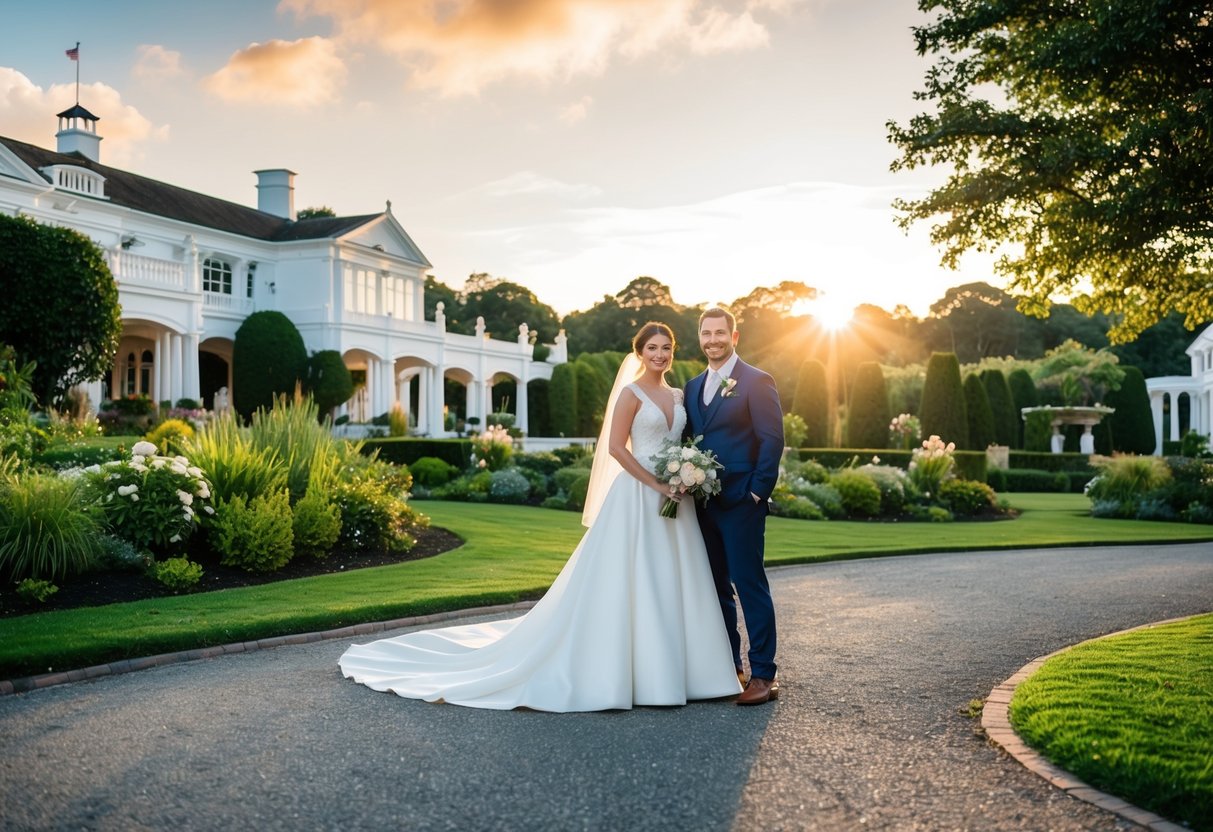
When planning your wedding, choosing the right venue is crucial. It’s not just about looks; it’s about finding a space that fits your style and budget while being available on your preferred date.
Exploring Different Venue Options
Start by listing your favorite types of venues. You may prefer a rustic barn, a chic hotel, or a scenic outdoor space. Each option offers a unique atmosphere and vibe.
Research popular venues in your area. Use online resources or ask friends for recommendations.
Focus on the specific availability for your wedding date, especially if you’re looking to book during peak wedding seasons, such as spring and summer.
Consider venue pricing as it can vary widely. Make a list of features that are important to you, like capacity, amenities, or scenery.
Don’t forget to check if they offer packages that can simplify your planning.
Venue Tours and Provisional Bookings
Once you narrow down your choices, schedule a wedding venue tour. This visit will help you experience the space in person. Pay attention to the layout, lighting, and overall ambiance.
During the tour, ask about availability for your date and any additional costs.
If you find a venue you love, consider making a provisional booking. This means you can hold the date while you finalize your plans.
Most venues will allow you to reserve your date for a short period, giving you peace of mind as you continue with other details. Always confirm what is included in the booking to avoid any surprises.
Budgeting and Dealing with Costs
When planning your wedding, budgeting carefully is essential. Understanding venue pricing, hidden costs, and potential price increases can help you make informed decisions and avoid surprises.
Navigating Venue Pricing and Hidden Costs
Venue pricing can vary greatly based on factors like location, popularity, and time of year. Booking early often locks in better rates. You’ll want to compare different venues to find one that fits your budget.
It’s also crucial to ask about hidden costs. Some venues charge extra for items such as:
- Catering fees
- Cleaning costs
- Security deposits
These can quickly add up, so be sure to read the fine print.
Always request a complete breakdown of the costs involved to help you stay within your budget.
Understanding VAT and Price Increases
Value Added Tax (VAT) can affect your overall wedding costs. In the UK, VAT is typically included in prices for services and goods.
It’s essential to check if prices you are quoted include VAT.
Be aware that prices can increase. If you’re planning your wedding far in advance, the cost of services may rise.
Always confirm if your quote has a fixed price or if it could change as your wedding date approaches.
Planning within these financial guidelines can keep costs manageable and your budget intact.
Booking Wedding Vendors and Services
When planning your wedding, selecting the right vendors is essential. This includes choosing photographers and caterers, as well as coordinating with florists and other service providers to make your day perfect.
Selecting Photographers and Caterers
Choosing your photographer and caterer should be among your first steps after setting the date. Aim to book these vendors 9 to 14 months in advance. This timeline helps you secure your top choices.
Photographers capture your moments, so look for someone whose style matches your vision. Review portfolios and set up interviews. Ask about packages and delivery timelines for your photos.
Caterers offer a variety of options, from plated meals to buffet style. Sample their food before making a decision.
Consider dietary restrictions and menu variations to accommodate all guests. Don’t forget to discuss presentation and service style.
Coordinating with Florists and Other Vendors
Your florist plays a key role in setting the mood for your wedding. Aim to book 6 to 12 months in advance to ensure your desired flowers are available. Talk with your florist about your color scheme and theme.
For other vendors like bakers and musicians, start reaching out 6 to 12 months before your wedding. Details matter—check reviews, ask for recommendations, and verify their availability. List out your priorities so you can easily compare options.
Planning ahead makes communication easier and helps you build a strong vendor team.