
How Far Out Should I Try on Wedding Dresses? A Guide to Timing Your Dress Shopping
When you start your wedding planning journey, one of the most exciting moments is shopping for your wedding dress. You might be wondering how far out you should try on dresses to find your perfect fit. Ideally, you should begin trying on wedding dresses about nine months before your big day. This timeline allows you plenty of time to explore different styles, find the one you love, and make any necessary alterations.
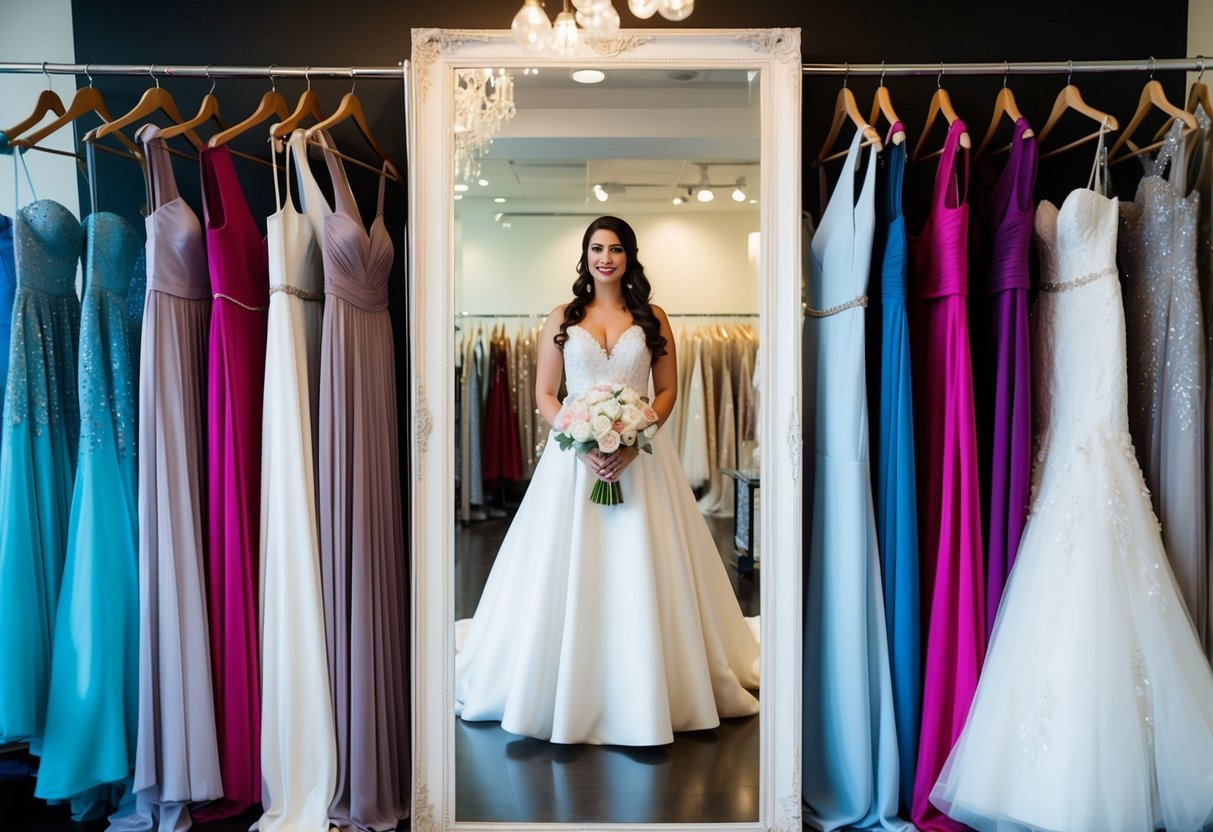
Starting early gives you a chance to enjoy the experience without feeling rushed. You can visit multiple bridal shops and try on various styles to discover what looks best on you. It’s also important to consider that most dresses can take several months to order and fit, so planning ahead is essential.
As you think about your wedding dress shopping, keep in mind that this is a special occasion. Taking your time to find the right dress can make the experience even more enjoyable, leaving you free to focus on other aspects of your wedding planning.
Determining Your Timeline
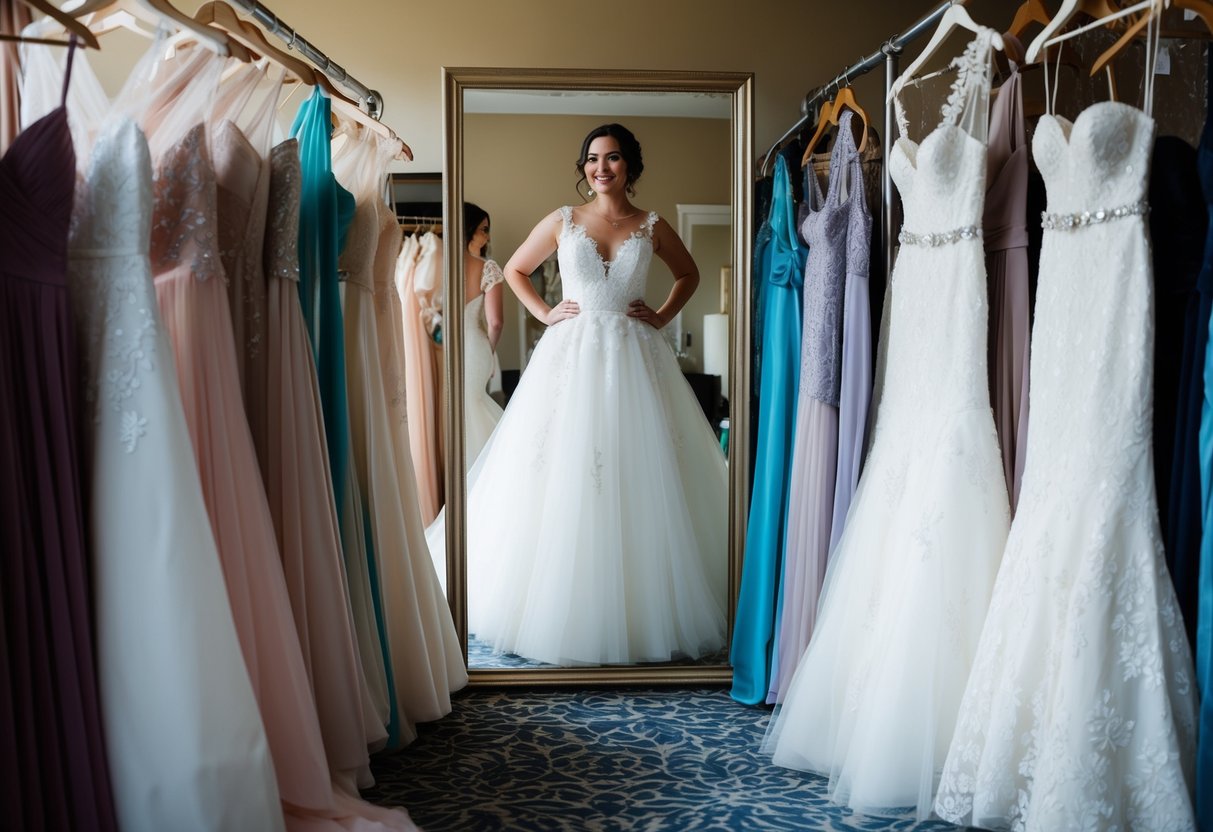
Planning the right time to start wedding dress shopping is important. The timeline can greatly affect your experience and ensure everything goes smoothly. Here are key aspects to consider when determining your timeline.
Understanding the Wedding Dress Shopping Timeline
You should start shopping for your wedding dress about 9 to 12 months before your wedding date. This gives you enough time to explore different styles, find the perfect dress, and allows for fittings.
Most dresses take 16 to 20 weeks to arrive after you place your order. It’s wise to factor in time for alterations as well. You might need around three fittings to ensure everything fits just right.
Make a checklist to track important dates, such as your first appointment and fitting sessions. This will help you stay organized and know what to expect at each step.
Setting a Wedding Date Before Dress Shopping
Before you start trying on dresses, set your wedding date. Your date will help guide your shopping timeline. It can also influence your dress choices based on the season, venue, and theme of your wedding.
Once you have your date, count back to find the ideal starting point for shopping. For example, if your wedding is in June, aim to start shopping by the previous September. This ensures you won’t rush and can enjoy the process of finding your dream dress.
Having a clear date can also help you coordinate other wedding plans, ensuring everything fits together beautifully. Remember, the sooner you start, the less stress you’ll have as your wedding day approaches.
Budgeting and Shopping
Setting a budget and selecting the right bridal boutique are key steps in your wedding dress shopping journey. Understanding your financial limits helps narrow down options, and choosing a boutique that aligns with your style can enhance your experience.
Establishing Your Wedding Dress Budget
Start by deciding how much money you want to allocate for your wedding dress. Think about your entire wedding budget, then determine what portion is reasonable for your gown.
Consider including costs for alterations and accessories, as they can add up. Here’s a simple breakdown you might follow:
- Dress Price: Set an initial range, e.g., $1,000 – $2,500.
- Alterations: Budget around $200 – $500.
- Accessories: Think about veils, jewelry, and shoes, which can range from a few hundred to more.
Once you have this total in mind, communicate it to your bridal stylist. They can help you find options within your range. Avoid falling in love with a dress that is way outside your budget.
Choosing the Right Bridal Boutique
Choosing the right bridal boutique can make a huge difference in your shopping experience. Look for shops that specialize in wedding dresses and match your personal style.
You might want to consider these factors:
- Reputation: Read reviews and ask for recommendations from friends.
- Selection: Check out their range of wedding dress options. A good boutique should carry various styles and sizes.
- Sample Sales: Keep an eye on events where you might find dresses at discounted prices.
Schedule appointments to try on dresses well in advance to allow enough time for alterations. Being organized will make the process smoother. Happy shopping!
Finding the Perfect Dress
Choosing your wedding dress is an exciting journey. You’ll want to explore different styles and trends while making the most of your bridal appointments. This approach will help you find your dream dress that fits you perfectly.
Exploring Wedding Dress Styles and Trends
Your first step is to explore various wedding dress styles. There are multiple options, including A-line, ball gown, mermaid, and sheath. Each style has its unique charm and can complement different body types.
Current trends also play a crucial role. Look for features like off-the-shoulder sleeves, intricate lace details, or bold colors that bring your personality into the gown.
Gather wedding dress inspiration from magazines, online platforms, and social media. Save pictures to show during your bridal appointments. This helps you communicate your vision to the stylist, making it easier to find that perfect wedding gown.
Making the Most of Bridal Appointments
When you book a bridal salon appointment, timing is key. Aim to try on dresses 8-9 months before your wedding. This gives you ample time to explore styles and potentially order a custom gown.
During your fittings, wear comfortable underwear and avoid heavy makeup. This allows you to focus on how each dress feels and fits.
Be open-minded about suggestions from the stylist. They often have experience with what works best for different body shapes. Don’t hesitate to ask questions about fabric, fit, and trends.
Finally, bring along a trusted friend or family member to help with opinions. They can add to your excitement and support your journey toward finding the perfect wedding dress.
Finalizing Your Choice
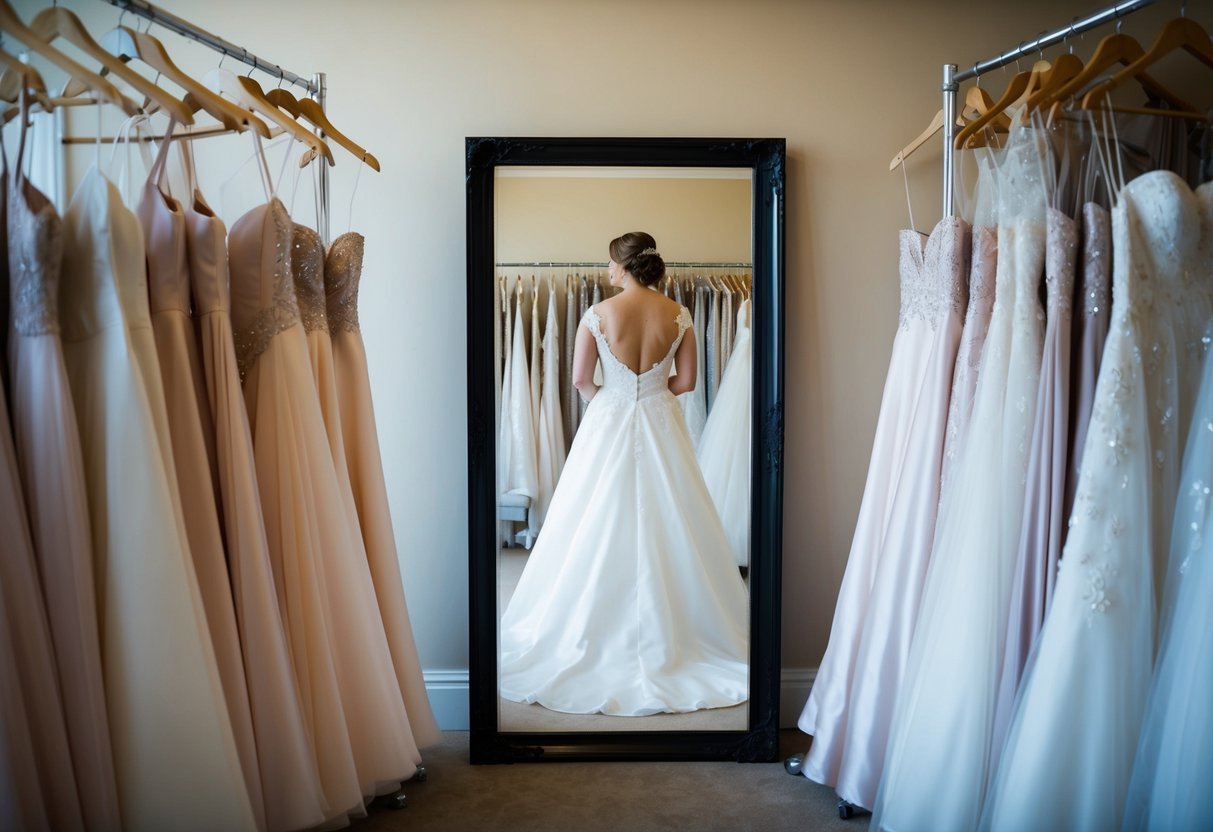
As you get closer to your wedding day, finalizing your dress choice involves important steps like scheduling fittings and selecting accessories. These details make a big difference in how you feel and look on your special day.
Understanding Alterations and Fittings
Once you’ve chosen your wedding dress, alterations are crucial to ensure a perfect fit. Most dresses aren’t custom-made, so having a skilled seamstress for alterations is vital. Aim for your first fitting about three months before the wedding. This gives you enough time for adjustments.
You may need two or three fittings. The first fitting helps identify major changes, while later ones refine the fit. Each fitting should follow your wedding shoe choice since shoe height impacts how the dress falls. If you opt for in-house alterations, this can be convenient.
Accessorizing Your Bridal Look
Bridal accessories can elevate your entire look. Think about what goes well with your dress.
Jewelry, veils, and shoes all play a role in completing your style. Make sure your accessories match the dress fabric and design.
Consider scheduling your bridal portraits after you’ve finalized your accessories. This gives you time to see how everything works together.
Don’t forget to break in your wedding shoes ahead of time. This will help prevent discomfort on your big day and ensures you can walk confidently.