
How Formal Is a Wedding Rehearsal? Tips for Setting the Right Tone
A wedding rehearsal plays an important role in preparing for your big day. The level of formality for a wedding rehearsal can vary greatly, depending on the nature of your wedding and personal preferences. Some couples opt for a simple gathering with close family and friends, while others may choose a more structured event that mimics the actual ceremony.
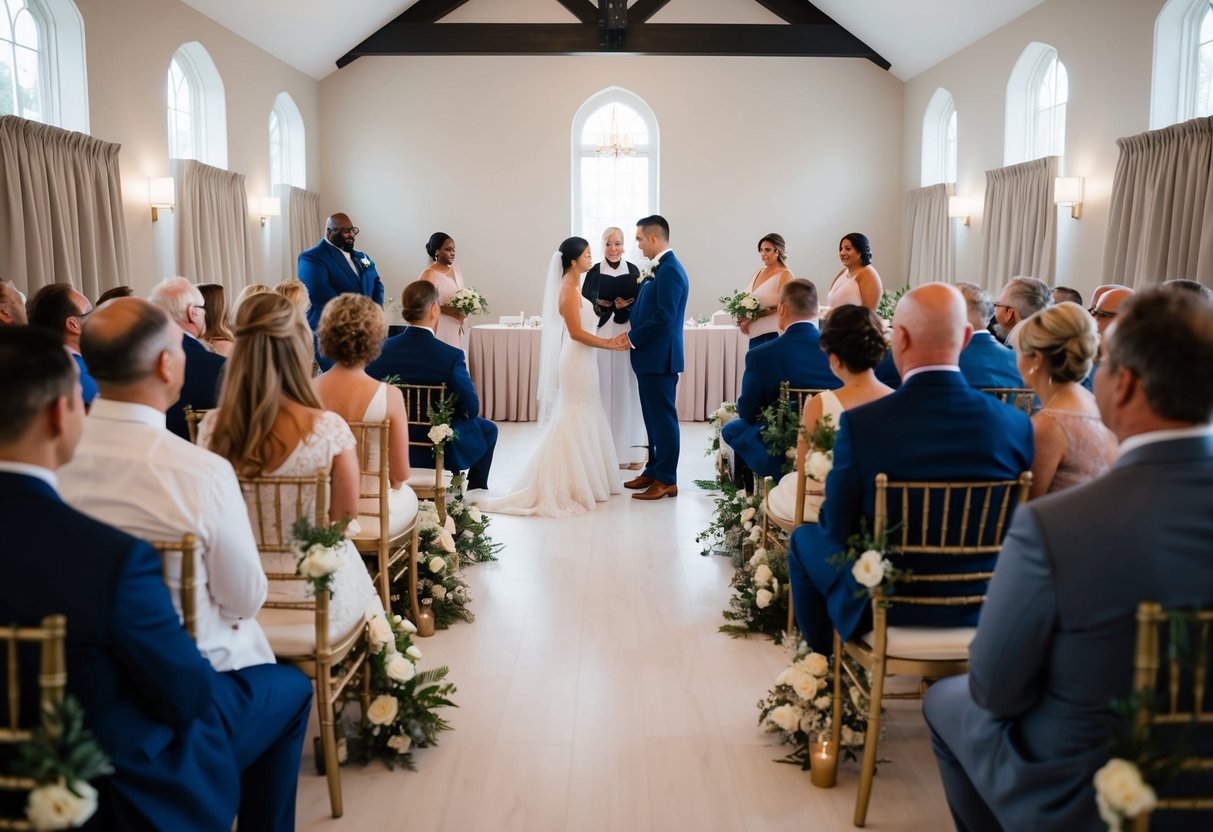
This practice run allows you and your wedding party to get comfortable with the flow of the ceremony, making sure everyone knows their roles. Whether you’re having a casual beach wedding or a formal ceremony in a grand hall, the rehearsal is a chance to address any questions and ease nervousness for the big day ahead.
Taking the time to plan your wedding rehearsal thoughtfully can set the tone for a smooth wedding day. Understanding how formal your rehearsal needs to be will help create a comfortable environment for everyone involved.
Planning the Rehearsal
Planning your wedding rehearsal involves several key steps. Choosing the right venue and organizing the schedule are essential to ensure everything goes smoothly. Here’s how to handle these important tasks.
Choosing the Venue
Selecting the right venue for your rehearsal is crucial. It should ideally be the same place where the ceremony will take place. This helps everyone get familiar with the layout and flow of the event.
When choosing, consider the size of your guest list. You want enough space for everyone who will be attending. If your wedding planner is involved, ask for recommendations based on your needs.
Also, think about logistics. Is there parking available? Are there restrooms nearby? Make sure the venue is accessible for all guests. Spending some time finding the perfect spot will pay off on the big day.
Organizing the Schedule
Creating a clear schedule for your rehearsal helps keep everyone on track. It’s usually recommended to plan the rehearsal 1-2 days before the wedding. This ensures that everyone remembers what to do.
Start by deciding how long the rehearsal will last. Most couples find 30 to 40 minutes is enough. Allocate time for each segment, like practicing the processional and vows.
Make a detailed agenda and share it with your wedding planner and any key participants. This helps everyone know what to expect. Also, reserve time for any questions and a bit of light conversation afterward. This will keep things relaxed and enjoyable.
Executing the Ceremony Rehearsal
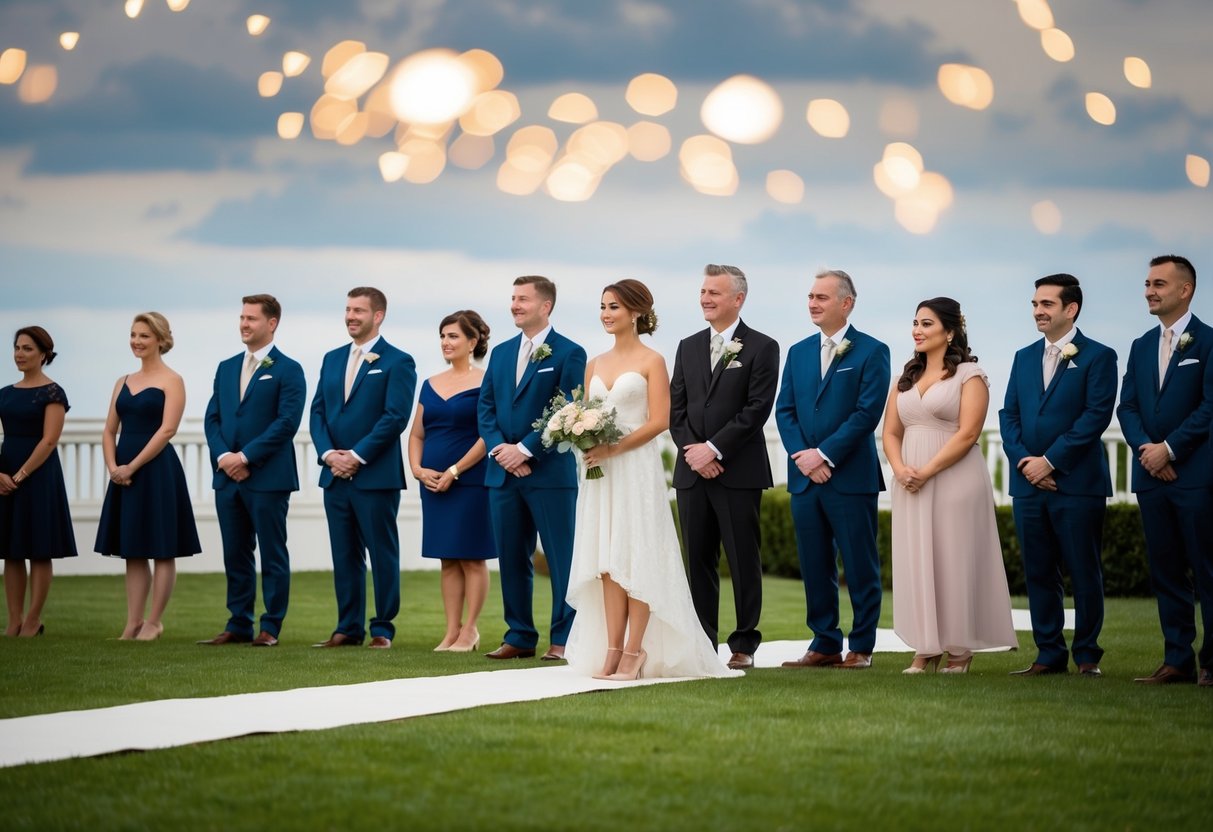
Executing the wedding ceremony rehearsal is crucial for a smooth event. You will need to cover how participants will move during the ceremony, assign roles clearly, and establish important cues. It’s all about ensuring everyone knows what to do on the big day.
The Run-Through
Start by gathering everyone at the ceremony location. This includes the couple, wedding officiant, Maid of Honor, Best Man, bridesmaids, groomsmen, the Ring Bearer, and the Flower Girl. Outline the ceremony script to give everyone an idea of what to expect.
Practice the seating arrangements for guests and the processional order. Give clear instructions about when each person enters. Music cues are essential, so have someone ready to manage that. Run through the entire ceremony, including the recessional. This helps everyone to feel comfortable and aware of their role.
Assigning Roles
Assign roles to each participant clearly during the rehearsal. The officiant should take charge and guide the flow of activities. Make sure the Maid of Honor and Best Man understand their duties. They play key roles in supporting the couple and managing the wedding party.
The groomsmen and bridesmaids should also know where to stand. Confirm the responsibilities of the Ring Bearer and Flower Girl, such as when to walk down the aisle. It can help to create a wedding rehearsal checklist to keep track of who is doing what, ensuring nothing is missed.
Choreography and Cues
Choreography helps everyone know their movements during the ceremony. Make sure to practice the processional and recessional clearly. This means rehearsing how participants walk down the aisle and where they stand.
Top tips include allowing time for each part of the ceremony, especially music cues. Coordinate with the person managing the music to try out the timing. Talk about key ceremony elements, like the exchange of vows and rings, so everyone is aware of the appropriate moments to act. This preparation helps avoid confusion during the actual wedding day.
Celebrating with the Rehearsal Dinner
The rehearsal dinner is an important part of the wedding celebration. It’s a chance for family and close friends to come together before the big day. Planning well can make this event memorable for everyone involved.
Preparing Invitations
Sending out invitations for your rehearsal dinner is an important step. Aim to keep your guest list intimate, with close family members, the wedding party, and a few friends. This makes the dinner feel special.
You can choose to send traditional paper invitations or opt for digital ones. Make sure to include key details, like the date, time, and venue. Also, indicate if there are any specific dress codes or themes.
Be mindful of RSVPs to ensure you have an accurate count. This will help in planning the event smoothly. Personal touches, like a heartfelt message, can make the invitations even more meaningful.
Selecting the Menu
Choosing the right menu for your rehearsal dinner sets the tone for the evening. The menu should align with the vibe you want, whether it’s a casual gathering or something more elegant.
Consider any dietary restrictions and preferences among your guests. A mix of options, such as vegetarian, gluten-free, and meat dishes, is always a good idea. You might also include a signature drink that reflects your personality as a couple.
Think about the venue when selecting the menu. Some places may offer catering, while others may let you bring in your own food. Regardless, aim for a meal that encourages conversation and connection among your guests.