
How Important is Bride Price? Understanding Its Cultural Significance and Impact
When it comes to marriage, many cultures consider bride price to be significant. Bride price is more than just a payment; it symbolizes respect, commitment, and the union between families. It reflects the love and appreciation a husband has for his wife and serves as a crucial element of traditional customs in different communities.
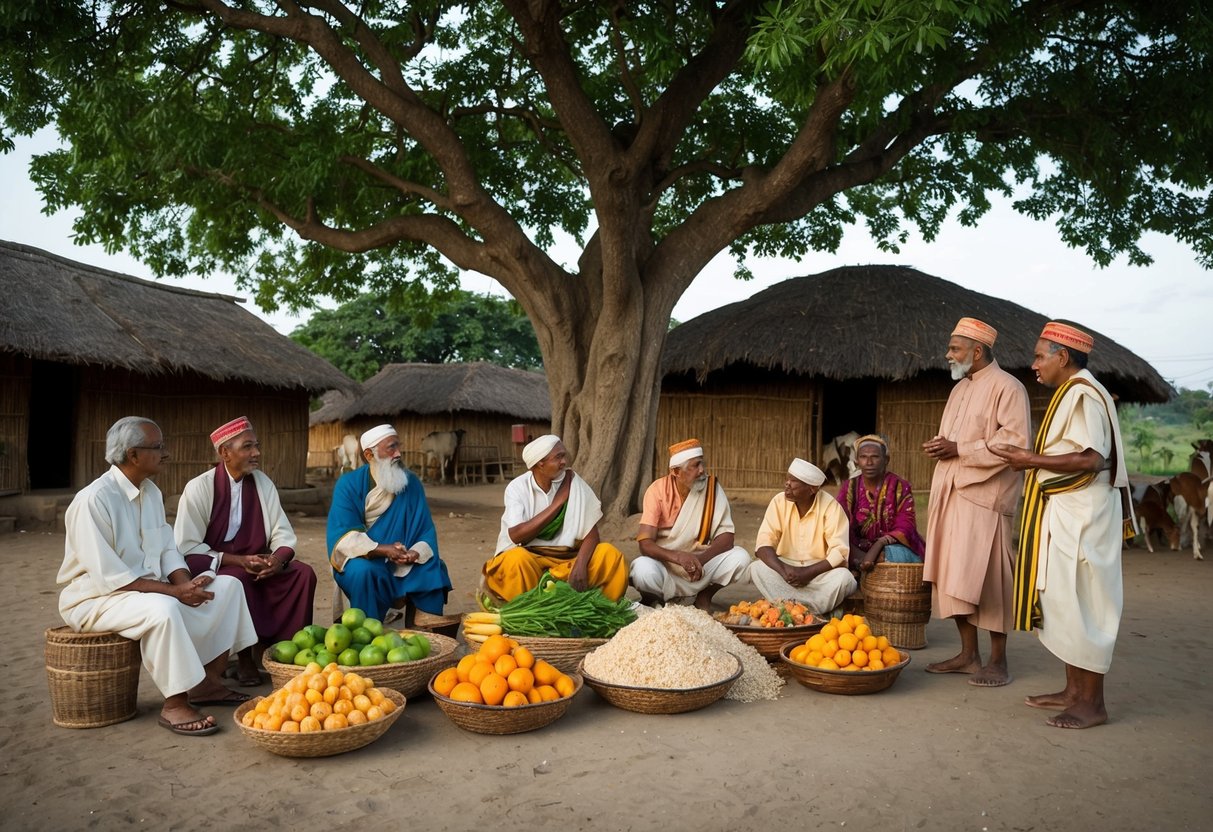
In various cultures, people pay bride price to validate a marriage. It honors the wife’s family and marks the official joining of two households. This practice not only strengthens bonds between families but also reinforces cultural values that have been passed down through generations.
As you explore the importance of bride price, you’ll discover how this custom shapes relationships and influences societal norms. Understanding its role in marriage helps you appreciate the deeper meanings behind this longstanding tradition and how it varies across cultures.
Cultural Significance of Bride Price
Bride price holds deep cultural meaning in many societies. It often represents a commitment between families and is tied to traditions that vary across cultures. This section explores how bridal transactions reflect important customs and the symbolism behind these payments.
Bridal Transactions Across Cultures
In African cultures, the bride price is a key part of traditional marriage ceremonies. This payment can involve money, livestock, or goods, depending on the community.
For example, in Kenya, cattle may be offered as bride price, while in other regions, cash might be preferred. These transactions serve both practical and symbolic purposes. They build relationships between families, acknowledging the bride’s transition to a new home.
Additionally, these rituals reinforce gender roles, as men typically handle these payments. The act of giving a bride price shows respect for the woman’s family and demonstrates the man’s commitment to the marriage.
Symbolism and Commitment
The bride price is often viewed as a symbolic gesture indicating commitment. By paying this price, the groom acknowledges the bride’s value and the sacrifices made by her family. This act helps reinforce social bonds and establishes a sense of obligation.
In many societies, failing to pay the bride price may lead to questions about the marriage’s validity. This cultural tradition emphasizes the seriousness of the marriage commitment. Couples may also participate in ceremonies upon payment, celebrating their union in front of friends and family. Such practices highlight the importance of respecting cultural values and honoring one another through acts of commitment.
Social and Economic Implications
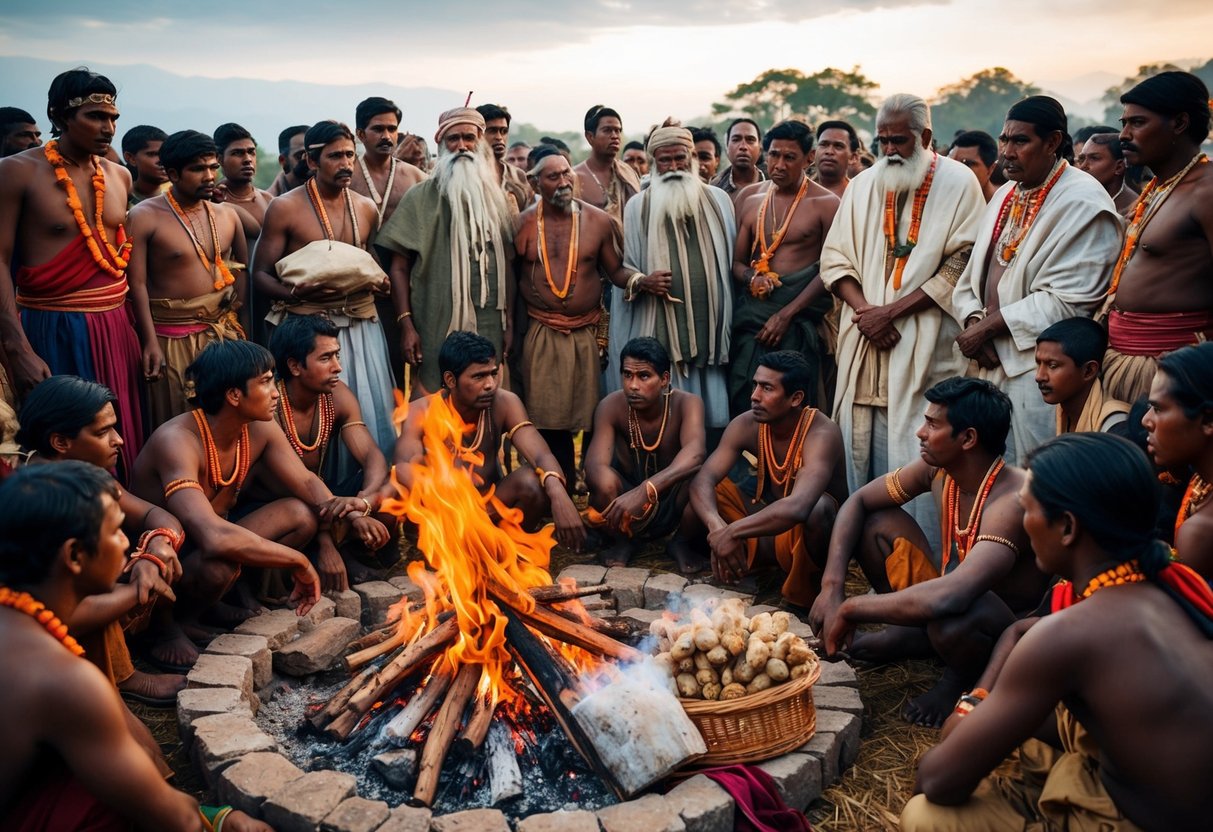
Understanding bride price involves exploring its social and economic effects on individuals and communities. This practice influences various factors, from livestock exchange to education and issues of gender inequality. The implications are significant, impacting not just families but also the broader society.
Economic Factors and Livestock Exchange
Bride price often includes livestock and other financial assets. This practice serves as a way to solidify relationships between families.
- Negotiation: Families negotiate the amount, making this a strategic economic decision.
- Bride-wealth: This transfer can assist in boosting local economies, as livestock may be traded or sold.
However, there can be financial burdens on the groom’s family. In some cases, high bride prices contribute to poverty. This may lead to young men delaying marriage, affecting family structures.
Education and Autonomy
The customs around bride price can impact women’s access to education. In cultures where bride price is common, it may reinforce traditional roles.
- Autonomy: With financial dependence, women’s autonomy can be limited.
- Empowerment: Supportive families may prioritize education, which can empower women to pursue careers.
Yet, if education is sidelined for marriage, it impacts future generations. Without education, women may find themselves trapped in cycles of poverty and dependence.
Impact on Gender Inequality
Bride price can further perpetuate gender inequality. While it may seem like a sign of respect, it can also commodify women.
- Financial Burden: The groom’s family may see women primarily as economic assets.
- Domestic Violence: Tensions may arise from economic expectations, leading to increased domestic violence.
The expectation of bride price can create disparities in marital relations. It subtly reinforces the notion that women are valued less than men, affecting their rights and social standing.
Global Perspectives on Bride Price
Bride price has various meanings and practices across cultures, reflecting deep-rooted traditions and social structures. Understanding these different perspectives helps to highlight how this practice shapes relationships and influences societal norms.
Bride Price in African Traditions
In many African cultures, bride price, often called “lobola,” is a significant part of marriage rituals. It usually involves the groom’s family making a payment to the bride’s family. This payment can include cash, livestock, or other goods, varying by region.
For instance, in Uganda, the bride price can take various forms, from cash to food items. In Zimbabwe, the practice known as “roora” involves negotiated payments, symbolizing respect and commitment. In Sub-Saharan Africa, this tradition can help solidify family ties and promote social cohesion.
However, some view these practices as reinforcing gender inequality, as they may suggest the bride is a commodity. Discussions continue about adapting these customs to promote gender equality while honoring cultural heritage.
Bride Price in Asian Cultures
In Asian cultures, bride price takes different forms with its own social meanings. In Chinese culture, it is often referred to as “bride price” or “cai li.” This payment symbolizes the groom’s family’s ability to care for the bride.
In Thailand, the term “sin sod” describes a similar practice. The groom pays money or gifts, showing respect to the bride’s family. These traditions can sometimes create pressure on couples, reflecting broader gender inequalities, particularly in urban settings.
In Kachin society in Myanmar, bride price is significant in maintaining kinship ties. It reflects the groom’s status and the couple’s commitment but often leads to expectations that may limit women’s choices.
Comparative Insights from the Middle East
In the Middle East, various communities have different views on the concept of bride price. In Muslim marriages, it is known as “mahr.” The groom gives this payment to the bride as a compulsory part of the marriage ceremony. This payment can be cash, jewelry, or property. It is meant to ensure the bride’s security and autonomy.
In some African traditions, the bride price can imply ownership. However, mahr often emphasizes respect and responsibility. Among the Bedouins, the amount may reflect the groom’s economic status.
Differences also arise in countries like Iraq and Syria, where marriage customs differ widely. The practice can be influenced by local traditions, leading to variations in how mahr is negotiated and viewed by society.