
How Late Should a Bride Be to Her Wedding? Tips for a Smooth Ceremony Start
As the big day approaches, thoughts of your wedding day can be filled with excitement and a bit of stress. You may wonder about many details, including one important question: the ideal time for a bride to arrive at her wedding is typically 15 to 30 minutes after the official start time. This small buffer allows things to run smoothly while also considering the guests who have arrived early.

Arriving late can be tricky. While it may feel tempting to make a grand entrance, it can disrupt the flow of the ceremony and leave guests feeling uncertain. It’s important to follow wedding etiquette to ensure everyone enjoys the day without awkward interruptions. Making sure you’re not too late will help create a memorable atmosphere for everyone involved.
Your wedding day is about you and your partner celebrating love with family and friends. Keeping your arrival time in check allows you to enjoy those precious moments without added pressure.
Understanding Wedding Day Punctuality
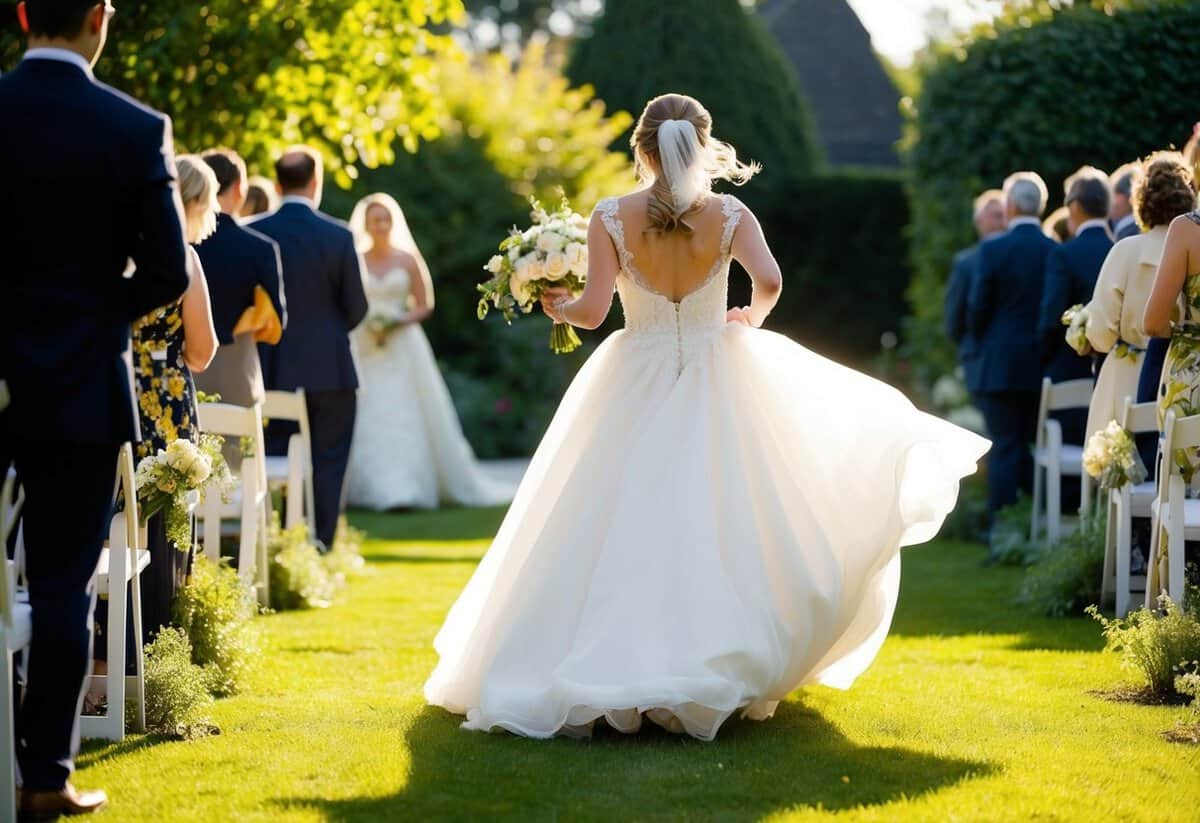
Punctuality on your wedding day is crucial for a smooth ceremony. Keeping an eye on the timeline helps reduce stress and ensures that everything runs as planned.
The Role of Wedding Timelines
Creating a wedding day timeline is essential. It helps you keep track of important events, like when to leave for the ceremony and the start time. For example, the ceremony should ideally start no later than 15 minutes after the time on the invitation.
To make it easier, you can plan your arrival about 30–60 minutes earlier. This allows extra time for unexpected delays. A well-organized timeline helps you move gracefully through the day, keeps guests happy, and makes for a relaxed atmosphere.
Cultural Perspectives on Punctuality
Different cultures view time in varying ways. In some cultures, arriving a little late is acceptable and even expected. In contrast, others place high value on being on time.
Understanding your guests’ cultural backgrounds may help you set realistic expectations for punctuality. For example, if you’re expecting guests from different cultures, consider communicating your timing clearly in your invitations. This helps everyone understand when to arrive.
By recognizing these cultural perspectives, you can ease any concerns about timing and create a welcoming environment for all your guests.
Effects of a Bride Arriving Late
Arriving late to your wedding can have several impacts. It affects the wedding ceremony and alters the experience for your guests. Here’s what you should consider.
Impact on Wedding Ceremonies
When you arrive late, the wedding ceremony is disrupted. Officiants often have a time schedule to follow. A late arrival can cause delays in the program. This means guests may feel restless and anxious as they wait.
If your ceremony is intended for a specific time, being late can throw it off balance. Your vows and special moments might not feel as impactful if everyone is distracted. Keeping guests waiting too long can diminish the excitement of your entrance.
Planning ahead can help you avoid these issues. A detailed timeline will ensure that everything stays on track, allowing you to focus on enjoying the day.
Guests’ Experience
Your guests expect the wedding to start on time. Arriving late can lead to frustration and disappointment among them. Waiting for you can make them feel uncomfortable, especially if they have come from far away.
Late arrivals can interrupt the flow of events. When guests aren’t sure when the ceremony will start, they may lose interest. Anxious guests can affect the mood of your special day.
It’s essential to keep guest comfort in mind. Encourage them to arrive early, too, to avoid stress. Clear communication can help set expectations and ensure everyone feels included.
Professional Insight on Late Arrivals
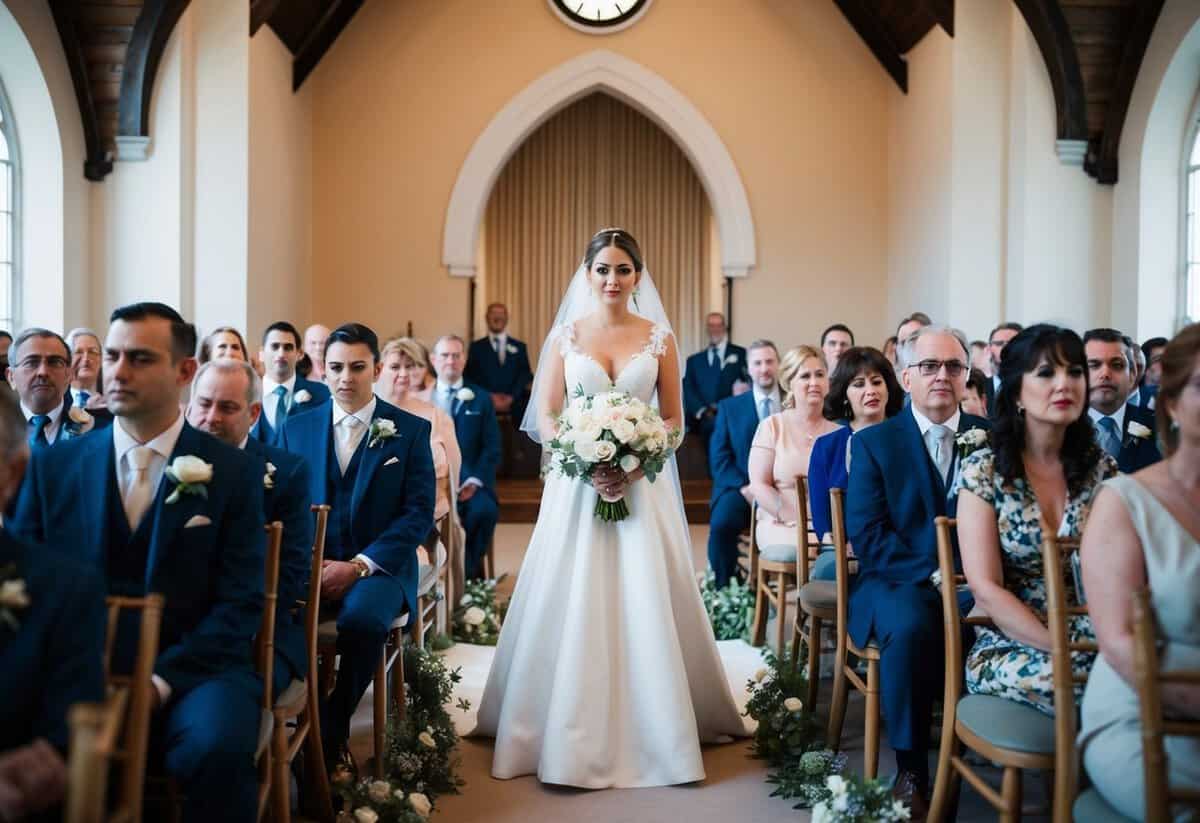
Arriving late to a wedding can create stress for everyone involved. Understanding the perspectives of professionals can guide you in making the right choices about timing.
Wedding Planner’s Perspective
As a wedding planner, timing is crucial for a smooth day. When the bride is late, it can throw off the entire event schedule. This can lead to delays in the ceremony and reception activities.
You should aim to arrive on time. Guests may become restless if they wait too long. A delayed start can also make the photographer’s job harder, affecting the quality of your wedding photos.
To avoid issues, communicate a clear timeline with everyone involved. Planning around potential delays, like traffic, can help. This proactive approach reduces stress and keeps the day running smoothly.
Etiquette Expert’s Advice
Etiquette expert Julie Blais Comeau emphasizes the importance of punctuality. According to her, arriving on time shows respect for all guests attending your wedding.
If the bride arrives late, it can make guests feel uncomfortable, especially if they have waited long. She suggests that the ceremony should ideally start no later than 15 minutes after the scheduled time.
Be mindful of your guests’ comfort. Consider factors like heat and waiting times. Those waiting in the sun may not enjoy the ceremony as much. Good etiquette means planning to prevent these types of situations, ensuring a lovely experience for everyone.
Considerations for a Timely Wedding

To ensure your wedding day runs smoothly, it’s important to set clear expectations and to plan adequately. Being mindful of your schedule can help prevent unnecessary stress for you and your bridal party.
Setting Realistic Expectations
On your wedding day, timing is everything. A typical timeline includes hair and makeup, travel, and pre-ceremony photos. Work with your bridal party to coordinate arrival times.
Create a schedule that allows for extra time. For instance, if the wedding invitation states the ceremony starts at 3 PM, plan to arrive at least 30 minutes earlier. This gives room for surprises, like traffic or last-minute changes. Discuss this timetable with your bridal party so everyone is on the same page.
Also, communicate with vendors about timing. Make sure they know when to arrive and set up. This keeps everything flowing smoothly. It’s best to have all tasks organized to avoid running late.
Last-Minute Tips for Staying on Schedule
On the big day, stick to your plan. Give yourself reminders for when to start getting ready. Setting multiple alarms can help keep your schedule on track. Encourage your bridal party to do the same.
Consider transportation ahead of time. If you’re traveling to the ceremony, choose a reliable vehicle. Factor in potential delays.
If possible, arrive at the venue in a single shuttle. This keeps everyone together and minimizes waiting.
Finally, designate a trusted person, like your maid of honor, to manage time. This allows you to relax and enjoy your day while someone oversees the clock.