
How Long After a Wedding Can You Have a Reception? Tips for Timing Your Celebration
Planning a wedding takes a lot of time and effort, so it’s natural to wonder about all the details, including the reception. Many couples choose to have their reception shortly after the ceremony, but life can sometimes get in the way. You can host your reception any time after the wedding, even months later, as long as you and your guests can celebrate together.
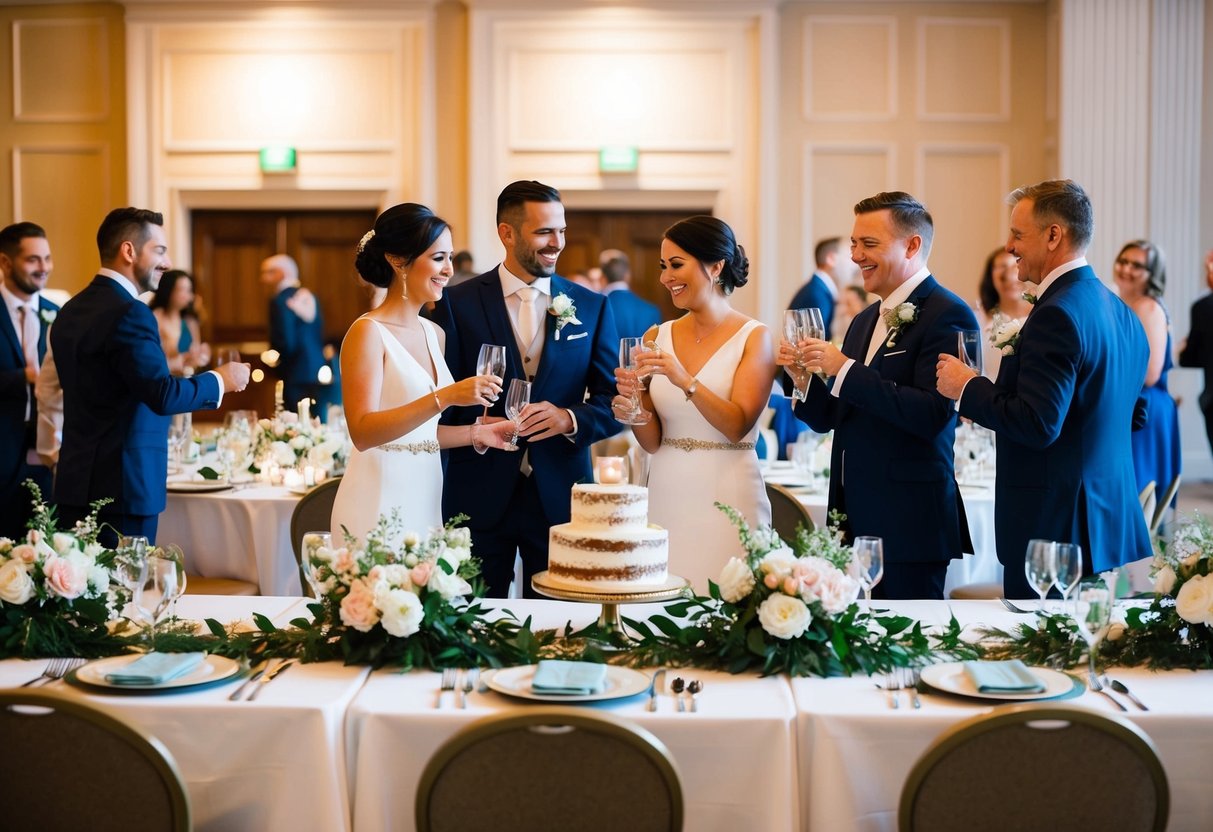
Some couples opt for a reception later to include family and friends who couldn’t attend the original ceremony. This can make the celebration feel special and inclusive. The flexibility of timing allows for more personal choices, fitting the style and vibe you’re aiming for.
Whether you want a casual backyard gathering, an extravagant party, or something in between, knowing when you can have your reception opens up many possibilities. It’s all about making your celebration meaningful and enjoyable for you and your loved ones.
Planning Your Wedding Reception Timeline
Creating a wedding reception timeline is essential for a smooth celebration. It involves determining the gap between your ceremony and reception, as well as scheduling key events during the reception. Here’s how to plan it well.
Determining the Gap Between Ceremony and Reception
When deciding how long to wait between your wedding ceremony and reception, consider your guests’ needs.
A short gap, about 30 minutes to an hour, allows guests to transition easily. If you need more time for photos, a two-hour interval may work.
You might also want to include a cocktail hour. This is a fun way for guests to mingle while you finish your pictures. A cocktail hour typically lasts about an hour. It’s also a great opportunity for you to relax a bit before the festivities begin.
Scheduling Key Reception Events
During your reception, timing is everything. You want to create a flow that keeps the celebration exciting.
Start with a grand entrance, followed by welcoming remarks.
Next, consider scheduling the first dance. This moment sets the tone for the night. After that, you might want to cut the cake before dinner is served. The cake cutting can also provide a fun photo opportunity.
Don’t forget to plan for other events like speeches and toasts. Allow time for dancing to keep the energy up. Keeping a clear timeline for these activities can help your reception feel organized and joyful.
Choosing the Perfect Reception Venue
Selecting the right reception venue is essential for creating a memorable celebration. You will want to consider your guest list and how to make your out-of-town guests feel welcome. A great venue enhances the joy of your special day.
Accommodating Your Guest List
Start by determining how many people you plan to invite. The size of your guest list will significantly influence your venue choice.
- Space: Ensure the venue can comfortably fit everyone. A crowded space can dampen the mood.
- Layout: Consider how the layout will allow for dining, dancing, and mingling. A good flow keeps guests engaged.
- Amenities: Look for venues with the right facilities. Features like restrooms, parking, and accessibility will make your event smoother.
Discuss any specific needs with the venue manager. They may offer solutions or suggestions for your guest size.
Considering Out-of-Town Guests
If you have friends or family traveling from afar, make their experience as enjoyable as possible.
- Location: Choose a venue close to accommodations. This makes it easier for guests to attend.
- Transportation: Consider offering shuttle services if your venue is far from hotels. A convenient ride makes a big difference.
- Local Attractions: If your reception is over a weekend, share local attractions. This gives guests something to explore while they’re in town.
A thoughtful venue choice helps everyone feel included and appreciated during your celebration.
Navigating Wedding Reception Costs
Planning your wedding reception costs can feel overwhelming, but breaking it down makes it easier. You’ll want to create a budget that reflects what you can afford while also considering your guests’ experience.
Creating a Realistic Budget
Start by determining your total wedding budget. Allocate a specific amount for the reception.
Usually, the venue rental, food, and drinks take up a large portion of your budget, often around 50%.
Here’s a simple way to break it down:
- Venue Costs: 30%
- Catering (Food & Drinks): 50%
- Decorations & Rentals: 10%
- Entertainment: 5%
- Miscellaneous: 5%
When you set your budget, think about your priorities. What aspects are most important to you? This will help you make thoughtful choices that align with your wedding vision.
Deciding Between Buffet and Seated Dinner
Choosing between a buffet and a seated dinner affects both your guests’ experience and your costs.
A buffet often costs less since it reduces staff hours needed for service. It gives guests more flexibility in food selection, which can be a hit!
On the other hand, a seated dinner provides a more formal feel. However, be prepared for higher costs due to more staff and food preparation.
Both options have their pros:
-
Buffet:
- Pros: Less expensive, more variety, casual atmosphere.
- Cons: Possible longer lines, less personalized service.
-
Seated Dinner:
- Pros: Elegant, less chaos, proper service.
- Cons: Higher cost, fixed menu options.
Consider your guest list and venue size when making your choice.
Communicating Reception Details to Guests
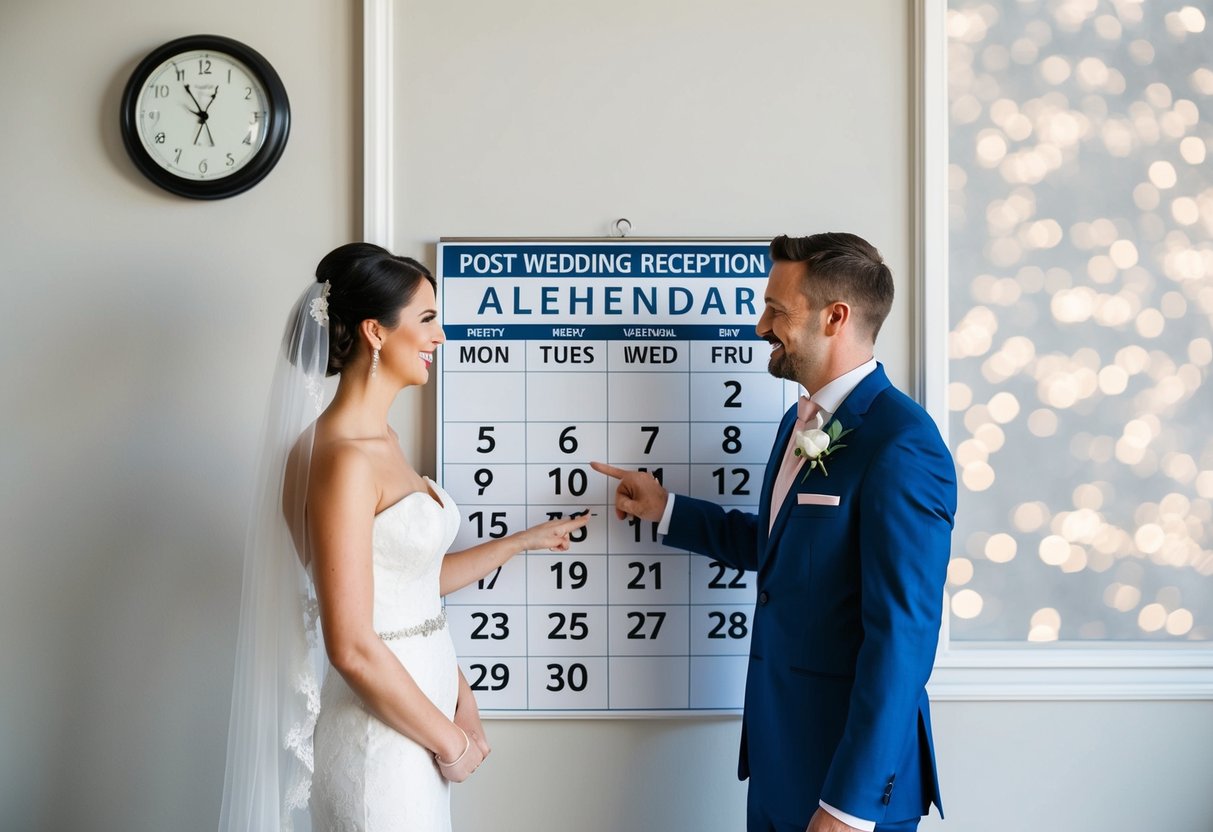
Clear communication about your wedding reception details is essential for your guests. This ensures they know when and where to celebrate with you. Thoughtful invitations and an engaging wedding website can help convey this information effectively.
Designing Informative Invitations
Your invitations should provide all the necessary information about the ceremony and reception.
Include the date, time, and location prominently. If there’s a gap between the ceremony and reception, mention it clearly.
You can add a short note like, “Join us for the reception at [Venue] starting at [Time].” Consider using elegant fonts and appealing designs that match your wedding theme.
Don’t forget to include RSVP details. A simple response option helps you plan better. Make sure to personalize your invitations to make your guests feel special.
Utilizing a Wedding Website for Updates
A wedding website is a great tool for sharing details about your reception. You can provide updates, directions, and even share your love story.
Include a dedicated section for the reception that covers the timing and venue. This way, guests can check for any last-minute changes.
You can also add a FAQ section to answer common questions about transportation or dress code.
A wedding website allows for creativity, so feel free to include photos or a countdown to the big day.
Remember to share the website link with your guests so they can stay informed and excited!