
How Long After Wedding Should You Take Pictures? Tips for Capturing the Perfect Moments
When you plan your wedding day, timing is essential, especially for capturing those unforgettable moments. Most couples should aim to take their wedding photos immediately after the ceremony or shortly before, depending on your schedule and preferences. This ensures you’re still filled with the excitement and emotions of just saying “I do.”
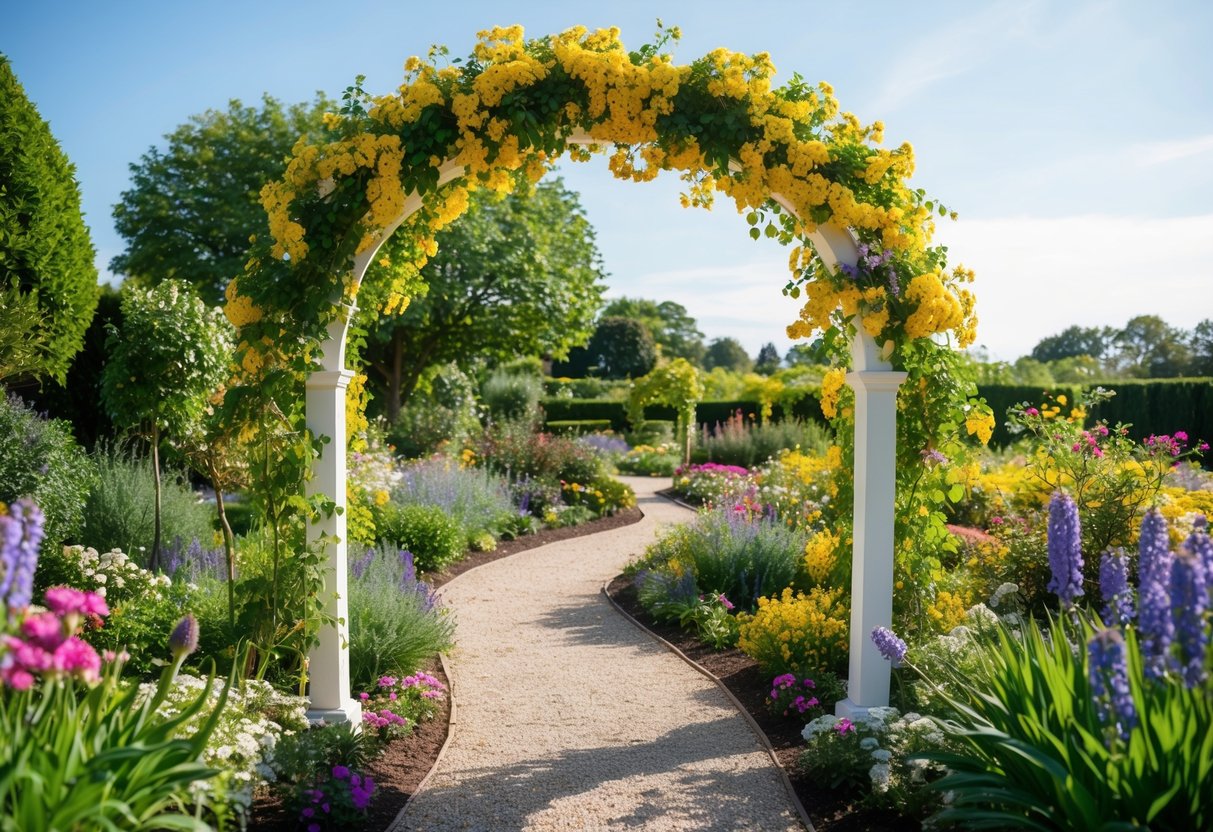
Getting the timing right can make a significant difference in the quality of your wedding photos. Natural light is often best right after the ceremony, giving you beautiful, vibrant pictures. Plus, this approach allows you to enjoy your reception sooner, without the stress of lengthy photo sessions during the festivities.
Consider incorporating a “first look” moment before the ceremony if time allows. This can give you more opportunities for photos and help calm any pre-wedding jitters. Remember, the more prepared you are, the more you can embrace each moment of your special day.
Planning Your Wedding Photography Timeline
Creating a well-structured photography timeline is crucial for capturing every special moment on your wedding day. This plan helps ensure your photographer covers all the key events, from getting ready to celebrating at your reception.
Pre-Ceremony: Getting Ready Photos
Start your day with getting ready photos. This is when you and your wedding party prepare for the big event. Capture moments of excitement, emotions, and details like your dress, shoes, and accessories.
Consider scheduling about two hours for this part. It gives everyone time to relax and enjoy the moment. Having a documentary style can create beautiful storytelling imagery. You can also include a first look, where you see your partner before the ceremony. This intimate moment allows for authentic reactions and private time together.
Ceremony: Exchanging Vows Coverage
The ceremony is the heart of your wedding day. Make sure to plan for your photographer to capture every detail, from the arrival of guests to the exchange of vows. This is when emotions run high, and the memories you create will last a lifetime.
It’s helpful to choose a designated spot for the photographer with a clear view of the altar. Ask your officiant about any restrictions. Capture moments like the ring exchange, your first kiss, and the joyous reaction of family and friends. A typical ceremony can last between 20 to 30 minutes, so plan accordingly.
Post-Ceremony: Family and Group Portraits
After the ceremony, focus on family and group portraits. This part is important for making memories with loved ones.
Designate a location and create a shot list of who you want in each portrait. Popular combinations include immediate family, wedding party portraits, and special friends. Allocate about 30 minutes for these shots to keep things moving smoothly.
Make sure your photographer understands your preferences. That way, they can guide you in arranging your groups efficiently. After this, consider using the cocktail hour for couple portraits. This private time allows for beautiful images without guests in the background.
Understanding Post-Wedding Photography Process
After your wedding day, the journey doesn’t end. Your professional photographer starts an important post-production process. This involves editing the hundreds of photos taken and preparing your wedding gallery, where you can relive the day.
Editing Process: From Raw to Refined
The editing process is where your photos become truly special. Your photographer uses advanced editing software to select the best images. They provide a sneak peek of edited photos soon after the wedding, often within a week.
This quick preview lets you share the moment with family and friends. The complete editing process, however, can take much longer. It usually takes between 3 to 12 weeks to finalize all edited photos.
Your photographer works to enhance colors and remove imperfections. Each photo is adjusted to capture the emotion and beauty of your big day. This professional touch ensures that every image tells a story.
Delivery Methods: Online Galleries and Physical Prints
When your photos are ready, your photographer typically delivers them through a digital gallery. This online format allows you to view, download, and share your images easily.
You can expect to find separate sections for different parts of the day, like the ceremony and reception. Many photographers also offer physical options like wedding albums or prints.
A wedding album can be a beautiful way to remember your day in print form. Digital galleries often allow for direct orders of prints, too. This combination of digital and physical keepsakes makes reliving your wedding day enjoyable and accessible.
Navigating Turnaround Time and Anticipation
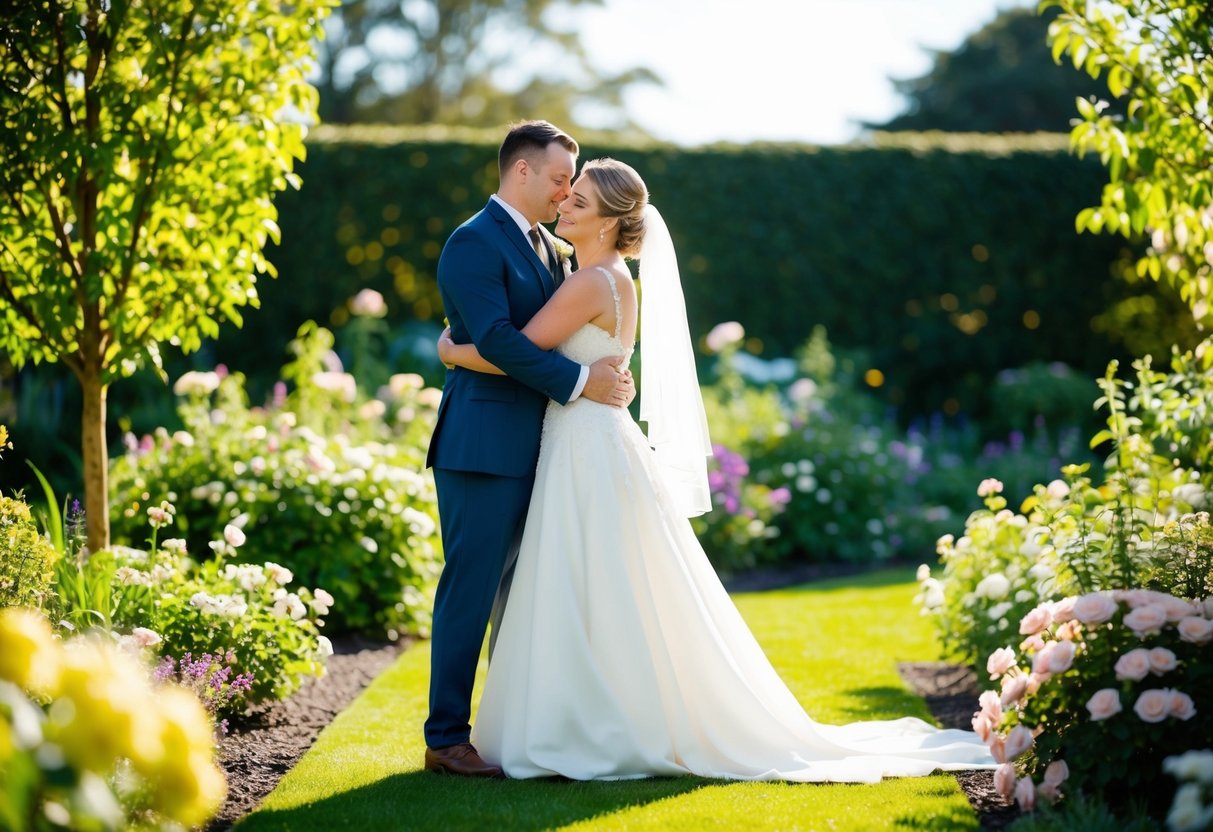
When planning your wedding, it’s essential to know how long you’ll wait for your photos. You’ll want to keep in mind typical delivery times and ways photographers can build excitement during the wait.
Typical Turnaround Time for Wedding Photography
The turnaround time for wedding photos can vary significantly. On average, you can expect to receive your complete gallery within 4 to 12 weeks after your big day.
In peak wedding season, this timeline might extend. Photographers can be busier, which may lead to longer wait times. Always check your contract for specific delivery time details.
Some photographers deliver photos faster, often around 6 to 8 weeks, while others may take up to three months.
Knowing the timing helps manage your expectations. It’s normal to feel anxious, so understanding the process can make the wait easier.
Building Excitement with Sneak Peeks
While you wait, many photographers offer sneak peeks. These are usually a few edited photos shared shortly after your wedding. Sneak peeks help keep the excitement alive as you anticipate the full gallery.
These previews can include stunning moments from your ceremony, first dances, or candid shots.
Receiving these images within a week or two after your wedding is common. This early peek at your photos can brighten your days during the wait.
Ask your photographer about their sneak peek policy. Being informed can enhance your experience and add to your joy as you celebrate your love.
Finalizing the Details with Your Wedding Photographer
When working with your wedding photographer, focusing on the right details can make a big difference. It’s important to understand contracts, create a shot list, and prepare for unexpected situations to ensure your day runs smoothly.
Contracts and Agreements
Before your wedding day, you need to finalize the wedding photography contract. This document sets clear expectations between you and the wedding photographer.
Check key elements like the services offered, the cost, and payment schedule. Ensure that you know how long the wedding day coverage will last and if there are extra fees for travel time. Some photographers may also include details about photo delivery time in the contract.
Don’t hesitate to ask questions or request changes. A clear agreement helps avoid misunderstandings later.
Creating a Shot List and Schedule
Developing a shot list is a great way to capture all the moments you care about. Discuss this list with your wedding photographer in advance.
Include must-have shots like family portraits, candid moments, and any unique ideas you may have.
Creating a timeline is also essential. Work with your photographer to set a schedule that outlines when and where each shot will take place. This ensures everything flows smoothly on your wedding day.
Contingency Plans for Unexpected Situations
Even the best-laid plans can go awry. Prepare for unexpected situations that may arise. Discuss these with your photographer ahead of time.
What if it rains, or a guest gets lost? Talk about backup locations for outdoor shots or how you’ll handle delays.
Having a contingency plan can ease your mind and keep the day enjoyable. Your photographer can help create solutions that work for your unique situation, ensuring you have beautiful memories regardless of challenges.