
How Long Before You Get Married Should You Get Your Dress? Essential Tips for Timely Shopping
Picking the perfect wedding dress is one of the most exciting parts of wedding planning. Ideally, you should start shopping for your dress about 9 to 12 months before the big day. This timeline allows you to explore various styles, find the right fit, and make any necessary alterations without rushing.
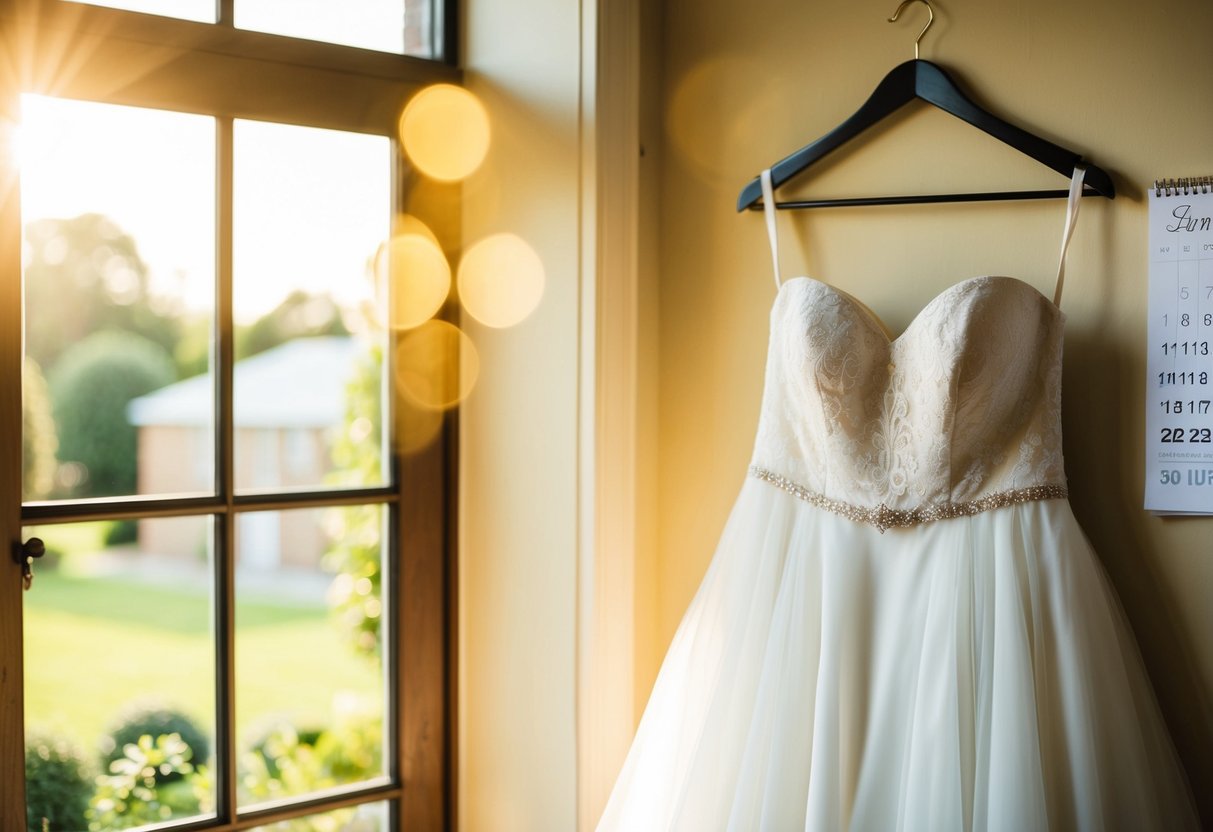
If your engagement is shorter, that doesn’t mean you have to compromise on style. Even within a limited timeframe, you can find beautiful options that suit your vision. Just remember to stay organized and set a clear budget for your purchase to avoid any surprises.
As you plan your wedding, think of the dress as an important part of your overall theme. Take your time, enjoy the process, and make your wedding dress shopping a memorable experience.
Determining the Ideal Timeline for Dress Shopping
Finding the right wedding dress involves planning ahead. You want to ensure you have enough time for shopping, ordering, and alterations while considering your wedding date and engagement length. Here are key details to help you determine the best timeline for your dress shopping.
Understanding the Wedding Dress Timeline
Typically, you should start looking for your wedding dress 12 to 14 months before your wedding day. This allows you plenty of time to explore options and find the right fit.
Key Milestones:
- 12-14 Months Before: Set a budget and begin researching styles that appeal to you.
- 8-10 Months Before: Begin trying on dresses. Many designers require 4-6 months for production, so early shopping is essential.
- 2-4 Months Before: Start fittings and alterations. This ensures your dress fits perfectly on your big day.
Planning your purchase around these timelines can help you avoid last-minute stress.
Factors Influencing Dress Shopping Schedule
Several factors should influence your dress shopping schedule. Your wedding date is the most critical factor. If your wedding is during a busy season, it’s wise to start shopping even earlier.
Consider These Factors:
- Engagement Length: If you have a short engagement, begin shopping immediately to allow time for ordering and alterations.
- Designer Lead Times: Different designers have varying production times. Research these to plan accordingly.
- Personal Preferences: If you want a custom dress or have specific style requirements, factor in extra time.
By understanding these elements, you can plan effectively and enjoy the experience of finding your dream dress.
Selecting Your Dream Dress
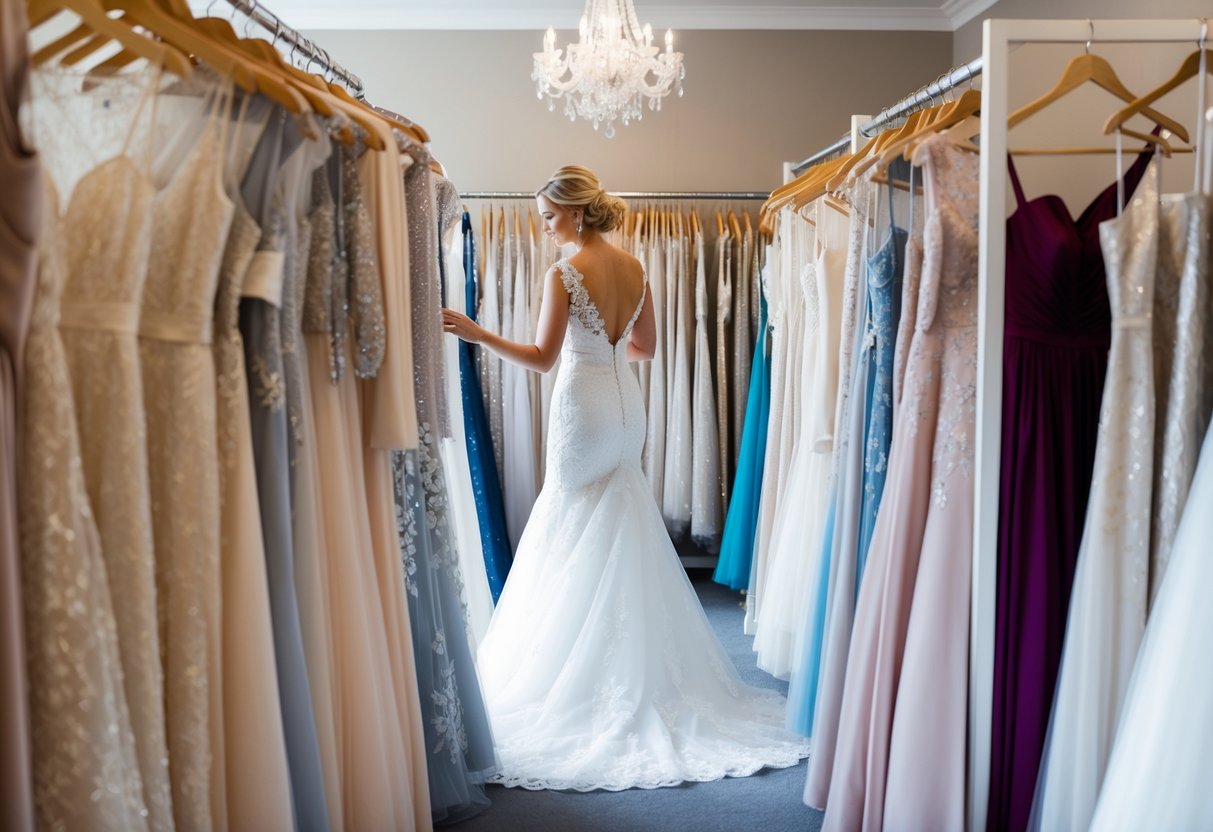
Finding your dream wedding dress is an exciting part of planning your wedding. It involves exploring various bridal salons and considering different dress styles that suit your personality and wedding theme.
Exploring Bridal Stylists and Salons
Start by researching local bridal salons. Look for ones with good reviews and a range of styles. You can find great options in bridal magazines or online. Visiting different salons helps you see what’s available.
When you visit a salon, speak with a bridal stylist. They can guide you based on your preferences and body type. Make sure to book appointments in advance, as many salons get busy, especially during peak wedding season.
Don’t hesitate to ask your stylist questions. They can provide insights on customizations and upcoming trends. Bring along some inspiration photos from your bridal magazine collections to share your vision.
Choosing the Right Wedding Dress Style
Selecting the right wedding dress style is important. Start by considering the theme of your wedding. Are you going for a classic, modern, or bohemian vibe? This will help narrow down options.
Next, think about what makes you feel comfortable. Some popular styles include A-line, ball gown, mermaid, and sheath. Each style offers a different silhouette. For example, an A-line dress is flattering for many body types.
Be open to trying on different styles, even if they aren’t what you imagined. You might be surprised by how a dress looks and feels on you. Pay attention to details like fabric, neckline, and length. This will help you find the dress that feels just right.
Budgeting and Financial Considerations
When planning for your wedding dress, budgeting is key. You need to consider not just the dress itself but also any extra costs for alterations and accessories. Being informed allows you to enjoy the process without financial stress.
Setting a Wedding Dress Budget
Start by determining how much you can spend on your wedding dress. Think about the total amount you are willing to allocate. It’s helpful to create a list of potential dress prices you can explore.
Consider the costs of alterations, which can range from $100 to $500, depending on the complexity of the work. Accessories, such as veils or jewelry, should also be included in your budget. Allocate a portion for these, as they can add up quickly.
Remember, setting a clear budget helps narrow down your options and prevents overspending. Aim to stick to your plan while still looking for the perfect dress.
Managing Extra Costs and Rush Fees
Along with your main budget, anticipate extra costs that might arise. A rush fee may be necessary if you decide to order your dress closer to the wedding date. This fee can be as high as 20% of the dress price.
Also, think about any additional tailoring expenses. If major alterations are needed just before your big day, these can add unexpected expenses.
Keep a cushion in your budget for these extra costs. Planning ahead ensures that your dress and any changes fit beautifully without financial strain. This approach allows for a smooth, enjoyable shopping experience.
Final Steps Before the Wedding Day
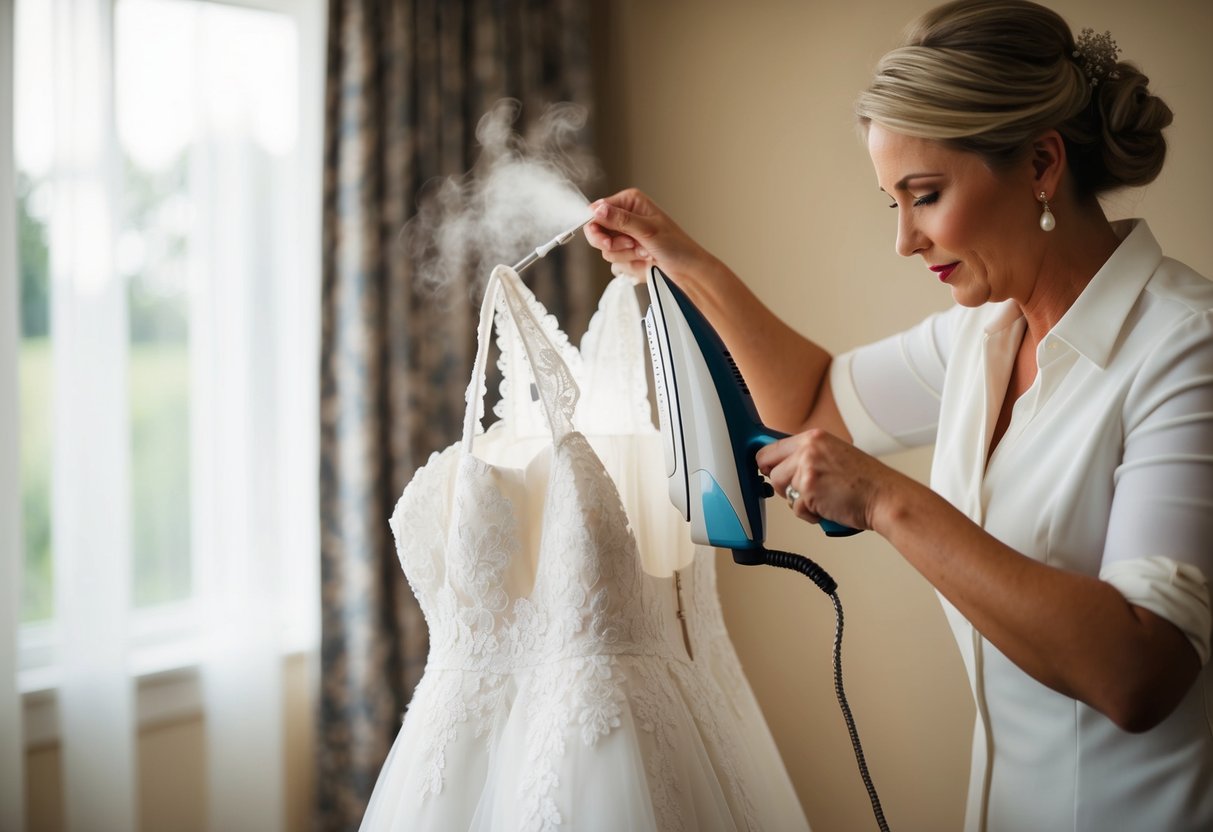
As your wedding day approaches, it’s time to focus on the last details. Making sure your dress fits perfectly and that you have all your accessories ready will help you feel confident and enjoy your special day.
Scheduling Final Fitting and Alterations
The final fitting is crucial for ensuring your dress fits just right. Aim to schedule this fitting about two to three weeks before the big day. This gives your seamstress enough time to make necessary alterations.
During this fitting, wear your chosen undergarments and wedding shoes to see how everything looks together. If there are any issues, like the hem being too long or the bodice needing adjustment, your seamstress can help make the final tweaks.
Also, consider scheduling a follow-up fitting if needed. This ensures that everything is perfect in the days leading up to your wedding. Remember to make this process enjoyable; it’s about finding your dress’s best fit.
Coordinating Accessories and Shoes
Don’t forget about your accessories and wedding shoes! These details can enhance your look on the big day.
Start by selecting shoes that match your dress style and are comfortable for wearing throughout the event.
Once you have your shoes, think about accessories like jewelry, veils, or hairpieces. Make sure these complement your dress and shoes.
Consider trying on your full outfit together at least once before the wedding.
Finally, when packing for your wedding day, keep your accessories in a separate and secure bag. This makes it easier to find everything on the day of the ceremony.