
How Long Before You Get Married Should You Look for a Dress? A Helpful Timeline
Planning your wedding is an exciting time, and one of the most important tasks is finding the perfect dress. You should start looking for your wedding dress between eight to ten months before your big day. This timeline allows for production, shipping, and potential alterations, ensuring your dress fits perfectly when the time comes.
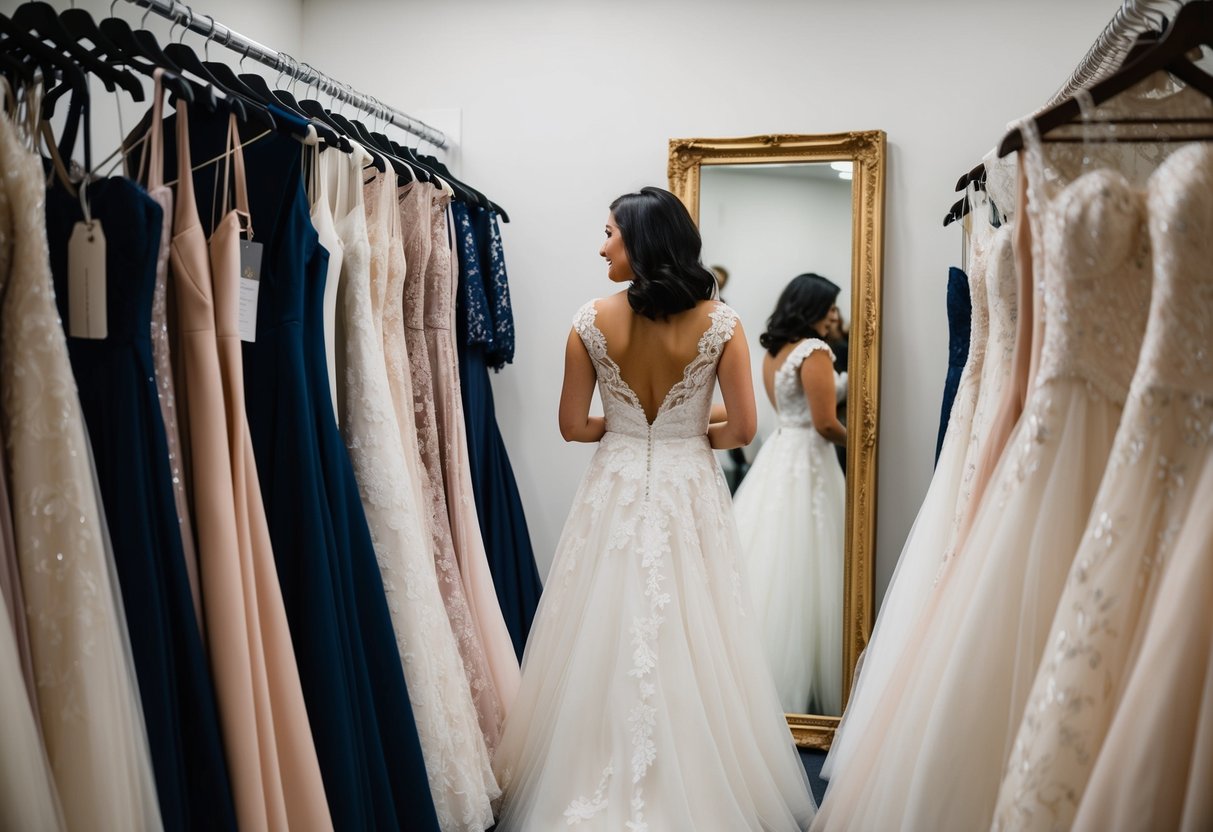
As you dive into wedding dress shopping, remember to enjoy the experience. From trying on different styles to envisioning how each dress complements your wedding theme, this is about finding the gown that makes you feel beautiful.
With thoughtful planning and a little patience, you can confidently step into your wedding day wearing the dress of your dreams.
Getting engaged is a joyful milestone, and this is just the start of your wedding planning journey. By knowing when to shop, you can avoid the stress and truly savor each moment leading up to your wedding.
Setting the Wedding Dress Timeline
Planning your wedding dress timeline is essential for a smooth shopping experience. Knowing when to start can make your journey enjoyable rather than stressful. Here are important factors to consider.
Understanding the Importance of Early Planning
Starting the wedding dress search early helps avoid last-minute rushes. Ideally, you should begin shopping 12 to 14 months before your wedding. This timeline gives you ample time to explore different styles and find what suits you best.
An early start also allows for alterations. Many dresses need adjustments to fit perfectly. Scheduling these fittings well ahead ensures that your dress will be ready on your big day. If you wait too long, you risk being stressed out about fitting issues.
Additionally, ordering your dress early allows for potential delays. Designers may need several months to create the dress. The sooner you start, the smoother the process will be.
Factors Influencing Your Timeline
Several factors can affect when you should start looking for your wedding dress. Your wedding date is the most important. If you’re planning a wedding during peak seasons, like summer, starting early is crucial.
Another factor is the type of dress you want. If you have a specific designer in mind, check their order times. Some styles may take longer to arrive than others, so be aware.
Your budget plays a role, too. Setting a budget early helps you focus on dresses within your price range. This way, you won’t fall in love with a dress that’s too expensive.
Finally, think about your schedule. If you’re busy with work or school, factor this into your timeline. Prioritize your shopping days to make the experience enjoyable.
Finding the Dream Dress
Finding your dream dress can be an exciting journey. It’s important to explore styles, set a budget, and use helpful resources along the way. Each step will guide you in making informed choices to ensure you feel beautiful on your big day.
Exploring Dress Styles and Trends
To start, look into various wedding dress styles. You might consider options like A-line, ball gown, mermaid, or sheath. Each style offers a different look and feel. A-line gowns flatter most body types, while ball gowns create a classic fairy-tale silhouette.
Stay updated on current trends, too. Popular styles might include bohemian lace, off-the-shoulder designs, or minimalist chic.
Remember to think about your personality and wedding theme when choosing your dress style. Visit local boutiques or bridal shows to see dresses in person.
Getting a feel for different fabrics is also crucial. Light and airy materials like chiffon or tulle may be perfect for a summer wedding, while heavier fabrics like satin work well for wintery celebrations. Exploring these options helps you envision your perfect look.
Deciding on a Budget for Your Gown
Setting a budget for your wedding dress is essential. Knowing how much you can spend helps narrow down your choices. A common range for wedding dresses is anywhere from $1,000 to $3,000, but there are beautiful options in every price range.
Consider all costs involved, such as alterations and accessories. Alterations can add up, so it’s smart to factor them into your budget from the start.
To stay on track, make a list of your priorities. For example, if the dress is crucial, you may want to allocate more funds there.
Look for sales or sample sales, where you might find a designer gown at a reduced price. For those on a tighter budget, consider shopping at bridal outlets or online retailers. You’ll be surprised at the lovely options available when you explore all avenues.
The Role of Bridal Magazines and Online Resources
Bridal magazines and online resources are fantastic tools to help you find your dream dress. They showcase the latest trends and styles, giving you plenty of inspiration.
Flip through magazines like Brides or The Knot for ideas on what you love.
Online platforms, such as Pinterest and Instagram, are also great for visual inspiration. Create boards to save your favorite styles or unique accents you want in your dress. This helps you communicate your vision to bridal consultants later.
Don’t forget to read reviews about gowns and boutiques. Hearing experiences from other brides can guide you in making decisions.
Also, check websites where real brides share their journeys and dress photos to see how they styled their looks. These resources offer valuable insights as you embark on your search for the perfect dress.
Choosing the Right Bridal Shop
Finding the perfect bridal shop is essential for a stress-free dress shopping experience. You want a place that matches your style and needs. Here are some key factors to consider.
Bridal Boutiques Vs. Bridal Salons
When choosing between a bridal boutique and a bridal salon, think about the experience you want.
Bridal boutiques often offer a more personalized service. They may carry unique designer gowns that you can’t find in larger shops. These boutiques usually focus on a smaller selection but with greater attention to detail.
Bridal salons, on the other hand, tend to have a larger inventory. They often provide various dress styles, from traditional to modern. This means more options for you to explore.
Assess what feels best for your style. If you prefer one-on-one assistance, a boutique may be for you. If variety excites you, consider visiting a salon.
Scheduling Your Bridal Appointments
Scheduling appointments at different bridal shops is a smart move. Plan to visit at least 8 to 10 months before your wedding. This window allows you to try on dresses without feeling rushed.
Always call ahead to secure your spot. Many shops can get busy, especially on weekends.
When you arrive for your appointment, come ready with ideas. Bring photos of dress styles you like. This makes it easier for consultants to help you find the right fit.
Don’t hesitate to ask about sizing and alterations, as these can impact your final choice.
Complementing Your Venue With the Perfect Dress
Your wedding venue plays a big role in your dress selection.
For an outdoor garden wedding, flowy, lightweight fabrics may work well. Think about styles that complement the scenery, like lace or chiffon.
In contrast, a formal indoor venue might call for something more classic, like satin or tulle. Here, fit and structure can enhance your overall look.
Share details about your wedding venue during appointments. This will help the consultants suggest dresses that fit the theme and location perfectly.
Accessorizing and Final Dress Details
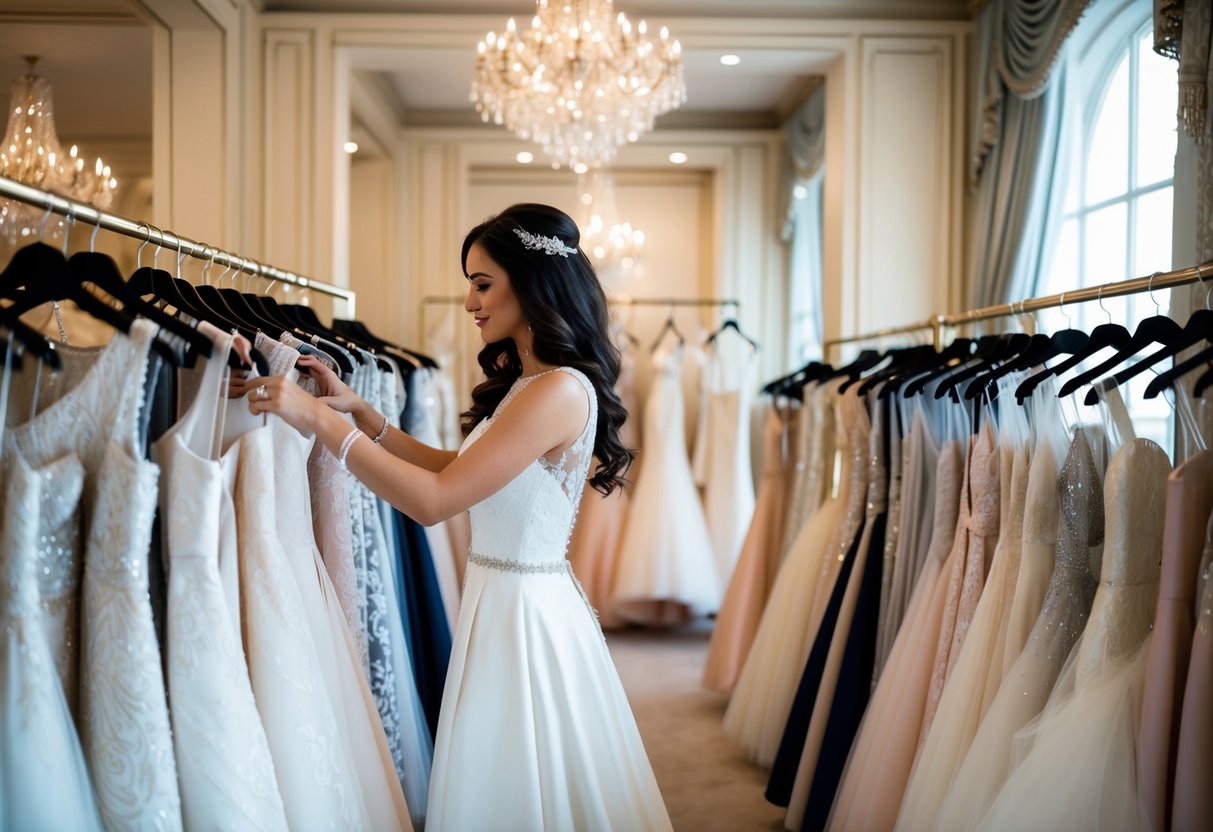
As you prepare for your special day, the right accessories and completing dress details play a crucial role in your overall bridal look. Let’s explore how to choose the perfect accessories and why dress fittings and alterations are essential.
Choosing the Right Accessories
Selecting the right bridal accessories can elevate your wedding dress and reflect your personal style.
Start with jewelry; consider wearing pieces that complement your gown. If your dress is intricate, opt for simpler earrings and a delicate necklace.
Next, think about your wedding shoes. Choose a pair that matches your gown’s style and is comfortable enough for a long day. If you plan to wear heels, practice walking in them ahead of time.
Don’t forget about a veil or headpiece. A simple veil can add elegance, while a floral crown might suit a boho theme.
Make sure these accessories fit well within your wedding budget, allowing room for adjustments if needed.
The Importance of Dress Fittings and Alterations
Dress fittings and alterations are key to achieving your desired bridal look. After you purchase your gown, schedule your first fitting as soon as possible. This will help you identify what changes are necessary.
Typically, your final fitting should occur about two weeks before the wedding. This timing allows for any last-minute alterations, ensuring your dress fits perfectly.
During fittings, wear the same wedding shoes you plan to wear on your big day. This will help the tailor make accurate adjustments.
Communicate any adjustments you want with your tailor. They can help guide you on what works best for your body shape and the style of your dress. Remember, well-fitted dresses enhance your confidence and comfort as you walk down the aisle.