
How Long Does a DJ Stay at a Wedding? Discover Timing for Your Big Day
When planning your wedding, one important aspect to consider is how long your DJ will be there. Typically, a wedding DJ stays for about 4 to 6 hours, depending on your event’s schedule. This timeframe usually covers the main reception activities like dinner, speeches, and dancing.
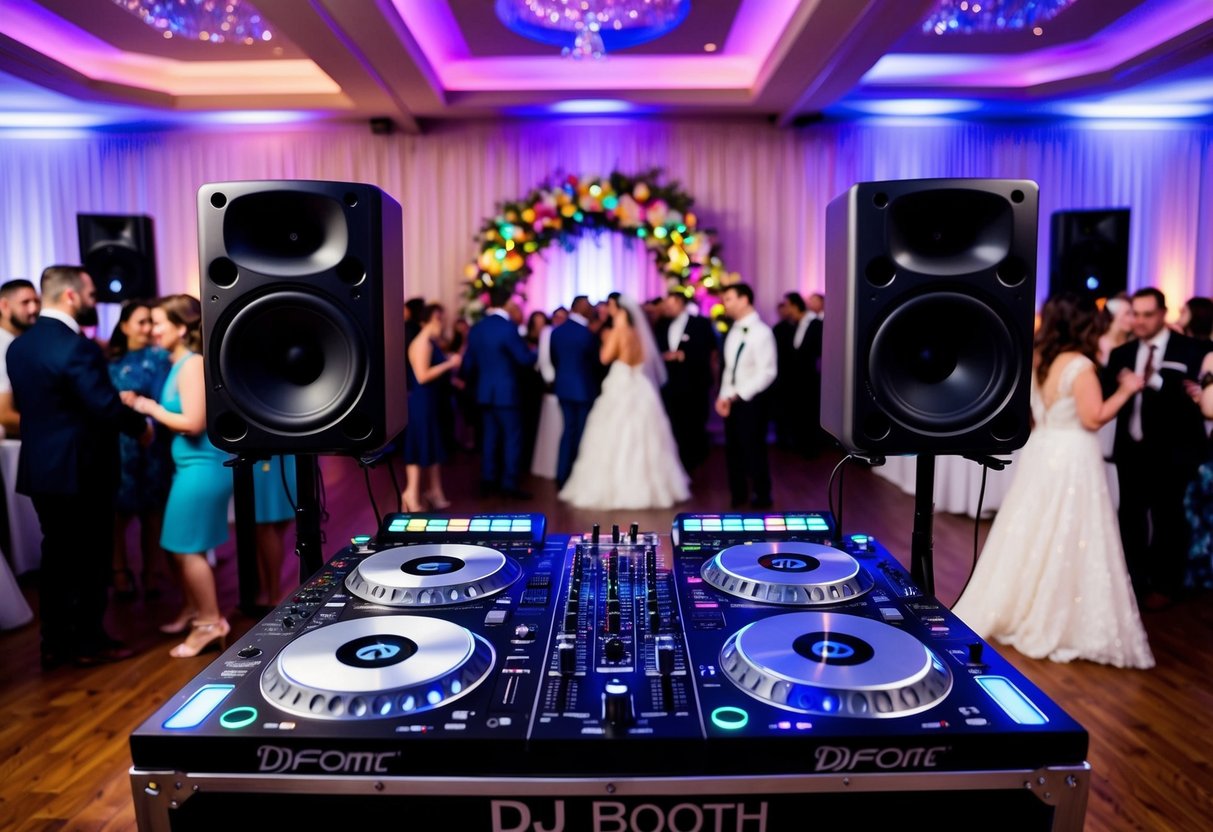
You want to make sure the music flows smoothly throughout your special day. Choosing the right DJ and understanding their timing can help create the perfect atmosphere for you and your guests. The right amount of time can keep everyone entertained and engaged, ensuring that your celebration is memorable.
It’s essential to discuss your specific needs with your DJ. They can help you figure out the best plan for your wedding, so you can enjoy every moment without worrying about the details.
Determining the DJ’s Duration at the Wedding
Knowing how long a DJ will stay at your wedding helps you plan better and keeps your guests entertained. A DJ’s duration often depends on the wedding timeline and their specific role throughout the event.
Understanding the Standard Wedding Timeline
Weddings have a typical timeline that affects how long your DJ plays. Most ceremonies start in the afternoon and can run into the evening.
A common schedule includes:
- Ceremony: 30-60 minutes
- Cocktail Hour: 1 hour
- Reception: 4-6 hours
This means a DJ generally stays for 4 to 6 hours. This time allows them to cover the ceremony music, transition into the cocktail hour, and keep the energy up during the reception. Some couples might want extra time if they have more activities planned.
Breakdown of a DJ’s Wedding Day Role
A DJ does more than just play music. They manage the flow of your wedding.
Here’s what they usually handle:
- Setup: Arriving early to set up equipment
- Ceremony Music: Playing music for the ceremony, if included
- Transitioning: Keeping the mood lively during cocktail hour
- Reception: Playing dance music and making announcements
- Tear Down: Packing up at the end of the night
Each of these roles is vital for a seamless event. If you expect your reception to last longer, confirm with your DJ about their flexibility to extend their time. Communicating your timeline clearly helps ensure a great experience for you and your guests.
Breaking Down the Wedding DJ Cost
Knowing how much a wedding DJ costs is crucial for planning your big day. The price can vary widely based on several factors and comparing it to other options like live bands can help you make an informed choice.
Factors Influencing Wedding DJ Pricing
When hiring a wedding DJ, several factors come into play that impact pricing. The first is experience. A more experienced DJ typically charges higher rates because they can read the crowd and keep the energy high.
Location also matters. DJs in urban areas may charge more than those in rural locations. Equipment quality is another factor; professional gear often leads to better sound and a higher cost.
Lastly, the length of time you need the DJ is essential. A DJ for five hours may cost less than one for eight hours. You should expect to pay between $1,000 to $1,600, depending on these factors.
Comparing DJ Services and Live Band Costs
When deciding between a DJ and a live band, it’s important to compare costs. On average, hiring a live band can range from $2,000 to $7,000, which is generally higher than a DJ.
With a DJ, you’re usually paying for a wider music selection and the ability to make quick changes based on the crowd’s mood. DJs can also provide lighting effects, which can add an extra touch to your wedding.
Consider not only the cost but also the atmosphere you want to create. A DJ offers flexibility in music choice, while a live band provides a unique experience. Assess your budget and preferences to find the right fit for your celebration.
Essential Components of DJ Services
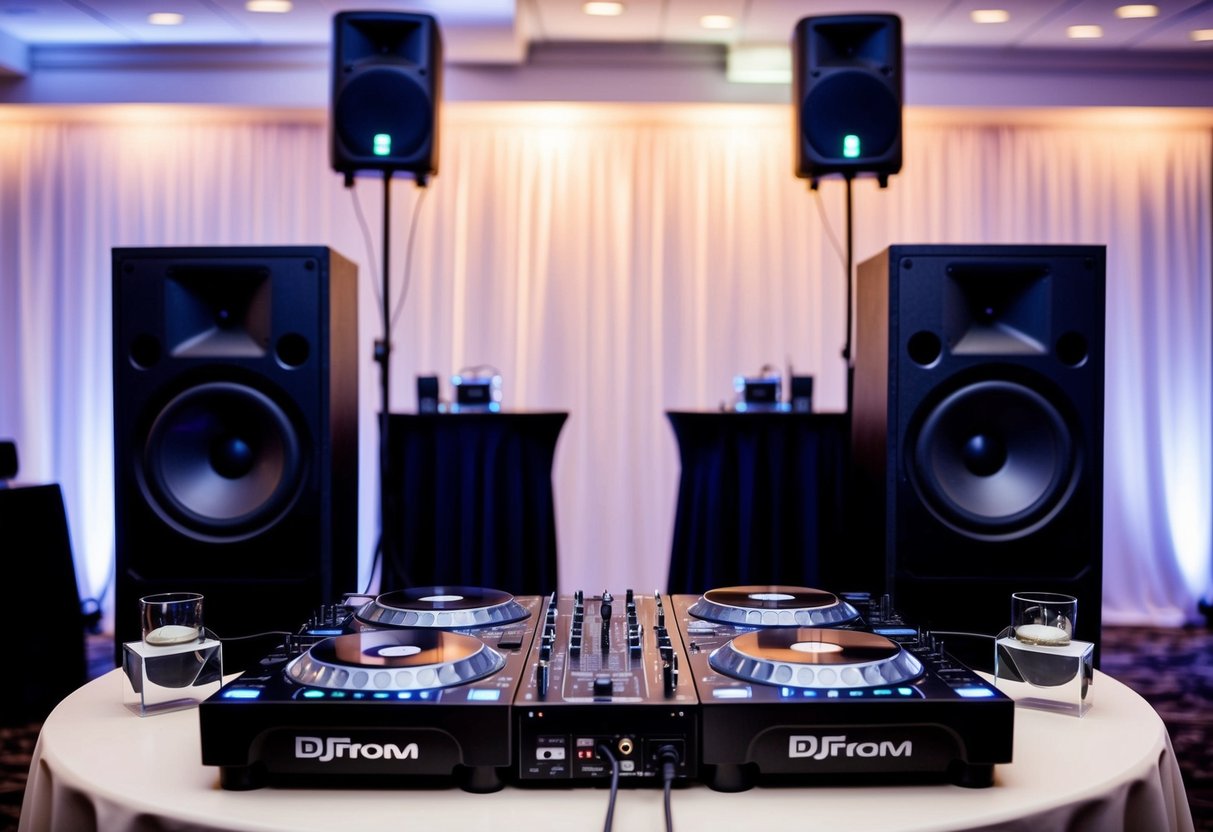
When planning your wedding, several key components are essential to ensure a great DJ experience. These include sound systems, dance floor lighting, and how your DJ curates the music selection. Focusing on these areas can elevate your wedding celebration.
Sound Systems and Dance Floor Lighting
A professional DJ relies on high-quality sound equipment to create the right atmosphere. This includes speakers, mixers, and microphones tailored for your venue size. Portable sound systems are common for weddings, providing flexibility and movement.
Dance floor lighting enhances the vibe, making your celebration feel lively and exciting. Options like LED lights, disco balls, and lasers help set the mood. A well-lit dance floor encourages guests to join in and enjoy the festivities.
Make sure to discuss your preferences with your DJ. They can guide you on the best sound and lighting solutions for your big day.
Curating the Music Genre and DJ Set
The music selection at your wedding is crucial for keeping your guests entertained. A professional DJ will work with you to understand your musical tastes and preferences. They can create a playlist that reflects your style while also keeping the crowd happy.
It’s important to think about different segments of the event, such as the ceremony, cocktail hour, and reception. Each part can have its own unique vibe.
Your DJ will mix various genres, from romantic ballads during the ceremony to upbeat dance tracks for later in the evening.
Be clear about any must-play songs or genres and any you want to avoid. This helps the DJ create a memorable atmosphere tailored to you and your guests.