
How Long Does It Really Take to Plan a Wedding? A Friendly Guide to Timing Your Big Day
Planning your wedding can feel overwhelming, but knowing what to expect can make the process easier. On average, it takes about 12 to 18 months to plan a wedding, so starting early is key. This timeline gives you enough space to choose the right venue, hire vendors, and create your perfect day without feeling rushed.
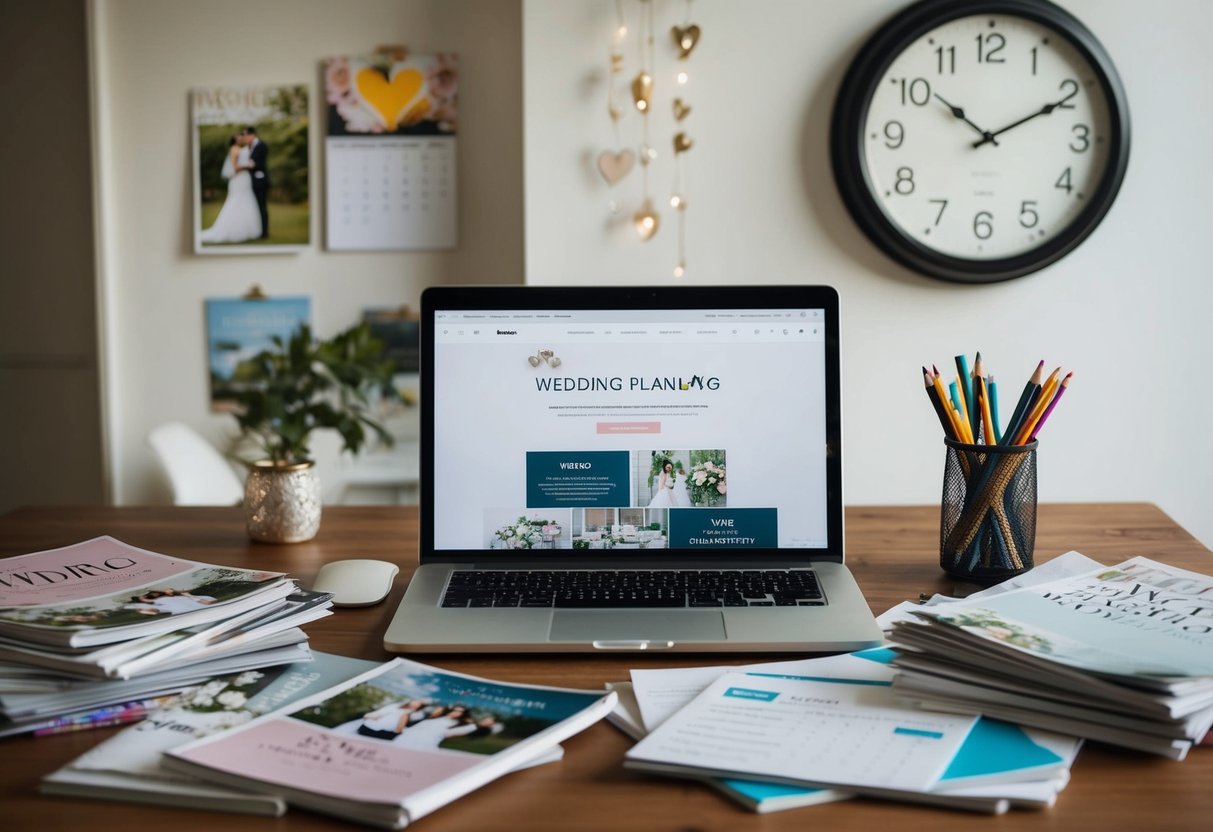
As you embark on this exciting journey, it’s important to take your engagement into account. The first steps often involve discussing your vision and setting a budget. Knowing how long it typically takes can help you prioritize tasks and enjoy each moment leading up to the big day.
Whether you dream of a large celebration or an intimate gathering, planning your wedding requires organization and patience. By understanding the average planning time, you can approach each step with confidence and ensure everything goes smoothly.
Understanding the Wedding Planning Timeline
Planning a wedding involves several important steps. Knowing the timeline can help you stay organized and reduce stress. Whether you have a short engagement or plenty of time, understanding these key elements will make the process smoother.
Determining Your Time Frame
First, think about how long you have until the wedding day. If you are engaged for 12 to 18 months, you have time to explore options, book vendors, and make decisions without rushing.
In a short engagement, such as less than a year, you’ll need to act quickly. Create a clear timeline with specific deadlines for each task, including finding a venue, hiring vendors, and sending invitations. Consider making lists to keep everything on track.
Key Milestones in the Planning Process
Several milestones can guide your wedding planning. Start with setting a date and budget. Then, choose your venue, as it helps shape other decisions.
Here are important milestones to include:
- 6-12 months out: Book the venue and select key vendors.
- 4-6 months out: Send save-the-dates and order your wedding attire.
- 2-4 months out: Finalize the guest list and send invitations.
- 1 month out: Confirm details with vendors and create a day-of timeline.
Staying focused on these milestones will help you cover crucial planning tasks in a timely manner.
Adjusting for a Short or Long Engagement
Your engagement length will affect your planning style. With a long engagement, you can take your time to research, budget, and choose thoughtfully. This also allows you to save money for a destination wedding, if that’s what you want.
For a short engagement, prioritize decisions. Streamline your choices to avoid feeling overwhelmed. Focus on the essentials: venue, guest list, and vendors. Reach out to family and friends for help to lighten the load.
Adjusting your approach based on your time frame will give you more control over the planning process.
The Essentials of Wedding Planning
Planning your wedding involves several key steps. You will start by defining your vision and budget, then move on to choosing a venue and selecting vendors. Each step is crucial for creating the day you’ve always dreamed of.
Setting Your Wedding Vision and Budget
Begin by envisioning what your wedding looks like. Think about the style, theme, and atmosphere you want to create. Consider if you prefer a formal ballroom, a rustic barn, or a beach ceremony.
Next, set a budget. This will guide all your decisions. Break down costs into categories like venue, catering, and decor. Make a list of must-haves and nice-to-haves. Keep track of your finances. You can use a spreadsheet or a budgeting app to manage your funds effectively.
Choosing the Right Wedding Venue
Selecting a venue is one of the most important decisions you will make. It not only sets the tone for your wedding but also affects your guest list size and budget.
When visiting venues, consider factors like location, capacity, and availability. Think about the season, as outdoor venues may be affected by weather.
Make sure the venue aligns with your vision. Ask about their packages, including setup and cleanup options. Don’t forget to check reviews and testimonials from other couples.
Selecting Vendors and Wedding Packages
Choosing the right vendors is key to ensuring your wedding day goes smoothly. Start with the essentials like a photographer, caterer, florist, and entertainment.
Request quotes from different vendors. Compare their services and ask about packages they offer. Look for those who understand your vision and budget.
Schedule meetings to discuss details and confirm their availability. Don’t hesitate to ask for references, as this can help you feel confident in your choices.
Key Wedding Components
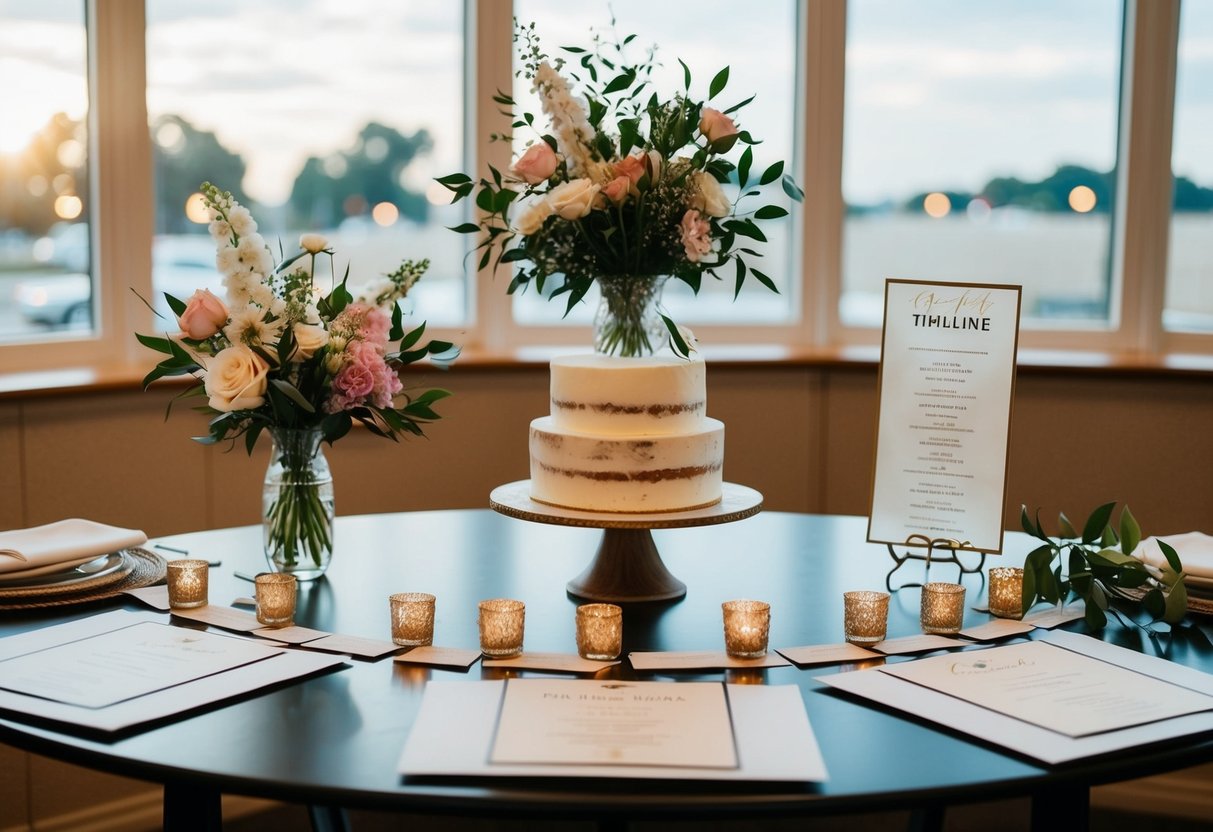
Planning your wedding involves several important elements that can shape your special day. From creating a guest list to selecting the perfect outfits, each decision contributes to the overall experience. Here’s a look at three key components to consider.
Designing Your Guest List and Invitations
Your guest list is one of the first things to tackle. Decide on the number of guests you want, which can affect venue size and budget. Consider if you want a large traditional wedding or a more intimate gathering.
Once your list is ready, it’s time for wedding invitations. Choose designs that reflect your wedding theme. Make sure to include important details like the date, time, and location. For destination weddings, remember to give guests enough information for travel arrangements. Send invites out early, around 6-8 weeks before the event, to ensure a good turnout.
Finding the Perfect Attire
Choosing your attire is exciting but can be overwhelming. Start with the wedding dress. Think about styles that suit your personality and fit the wedding theme. Don’t forget to consider comfort as you will be wearing it all day!
For your partner, selecting a suit or tuxedo should complement your look. You may want to explore options for wedding rings too, as they symbolize your commitment. If you are planning an intimate wedding, coordinating your attire with a smaller party can create a more cohesive feel.
Details That Make Your Day Special
Details add personal touches to your wedding. Custom elements like your venue’s decor or unique favors for your guests can make the day feel special. Incorporating meaningful symbols into your wedding rings is another way to add a personal touch.
Another detail is planning for the ceremony itself. If you’re having a traditional wedding, consider rituals that are important to you and your family. For a destination wedding, explore how local customs can enhance your experience. These little things can make a big difference, creating memories that will last a lifetime.