
How Long Does It Take to Become a Celebrant UK? A Friendly Guide to Your Journey
Becoming a celebrant in the UK can be an exciting journey for those who love to help others mark special moments. The time it takes to become a celebrant typically ranges from a few weeks to several months, depending on the training program you choose.
Whether you’re interested in officiating weddings, naming ceremonies, or funerals, there are various courses available to guide you.

With options that can be completed online or in-person, you can find a path that fits your lifestyle. Some intensive programs can teach you everything you need in just a week, while others may take up to a year to complete. Each route offers a unique experience, allowing you to dive into learning at your own pace.
If you’re considering this rewarding career, it’s important to explore different training providers and find one that suits your needs. You’ll not only gain valuable skills but also connect with people during significant life events.
Understanding the Role of a Celebrant

Being a celebrant is a unique and fulfilling career. It involves creating and conducting special ceremonies for various life events. Here, you’ll learn about what defines a celebrant and the different types of celebrants you might encounter.
Defining a Celebrant
A celebrant is a professional who leads personalized ceremonies, allowing individuals to celebrate important moments in their lives. This role often involves crafting bespoke ceremonies that reflect the desires of the people involved.
You could be a wedding celebrant, known for helping couples tie the knot with customized vows. Alternatively, you might assist with memorial or tribute services as a funeral celebrant. Celebrants prioritize making each ceremony meaningful, whether it’s a joyful celebration or a more somber occasion.
In the UK, celebrants are not bound by specific religious requirements, which allows for flexibility. Many choose to work as independent celebrants, offering unique creations tailored to every client’s wishes.
Types of Celebrants
There are several types of celebrants catering to various occasions. Each type brings a different focus and style to the ceremonies they perform.
-
Wedding Celebrants: These are probably the most recognized type. They design and conduct marriage ceremonies, often involving personalized vows.
-
Funeral Celebrants: They specialize in memorial services. Their focus is on honoring the deceased while providing comfort to grieving families.
-
Civil Celebrants: This group operates within secular frameworks. They typically handle civil ceremonies like naming ceremonies and renewal of vows.
-
Professional Celebrants: This term encompasses all celebrants who have undergone formal training. They bring professionalism to their ceremonies, whether it’s a wedding or a memorial service.
Each type of celebrant plays an important role in their community, ensuring that life’s significant moments are celebrated with care and respect.
Paths to Becoming a Celebrant in the UK
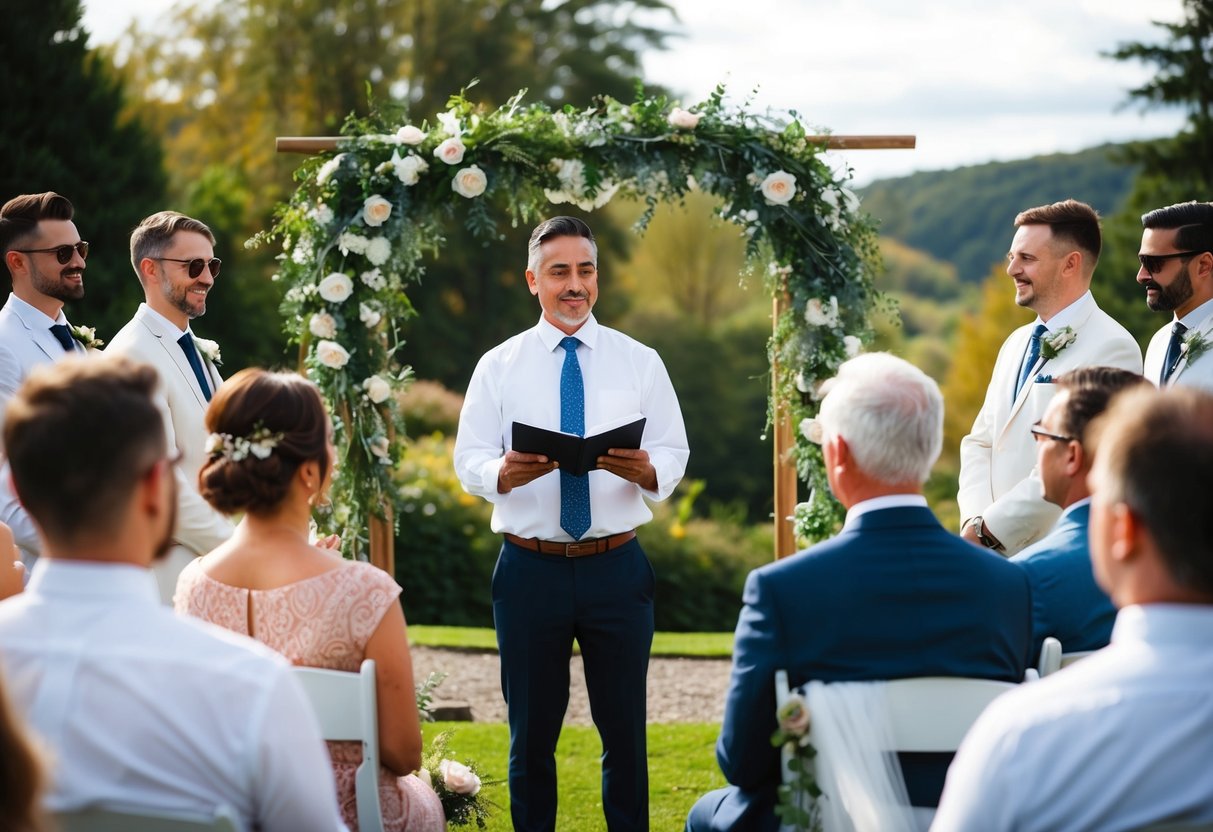
Becoming a celebrant in the UK involves various paths that cater to different preferences and goals. You can choose from specialized training courses, seek formal qualifications, or pursue membership with organizations that support celebrants. Each option has its own benefits and requirements, allowing you to find a route that best suits your needs.
Celebrant Training Courses
Many organizations offer celebrant training courses. These programs can range from online training to residential courses. A popular choice is the Academy of Modern Celebrancy, which provides both options.
Courses typically cover topics like ceremony planning, public speaking, and legal requirements.
Training often involves practical assessments, giving you hands-on experience. Some courses focus specifically on wedding celebrant training, while others offer a broader curriculum. Completing a course can help you build confidence and gain the skills needed for this rewarding career.
Acquiring Formal Qualifications
While you do not need formal qualifications to be a celebrant, obtaining them can enhance your credibility. The Level 3 Certificate and Diploma in Civil Celebrancy are recognized qualifications in the UK.
These programs usually take between 1 to 2 years to complete, including coursework on celebrancy history and practical application.
Pursuing these qualifications may appeal to you if you enjoy structured learning. They can provide a deeper understanding of celebrancy practices, which can be beneficial for your career. However, formal qualifications are not required for all celebrants.
Membership and Accreditations
Joining a professional body, like the UK Society of Celebrants, can be a great step in your journey. Membership often provides access to resources, networking opportunities, and ongoing training. It helps you stay informed about the latest trends and best practices.
Some organizations may require you to complete specific training or gain certain experience before becoming a member. Accreditation can add to your skills and credibility, showing potential clients that you are committed to your profession. Being part of a network can also offer support and guidance as you grow in your role.
Skills and Attributes for Success
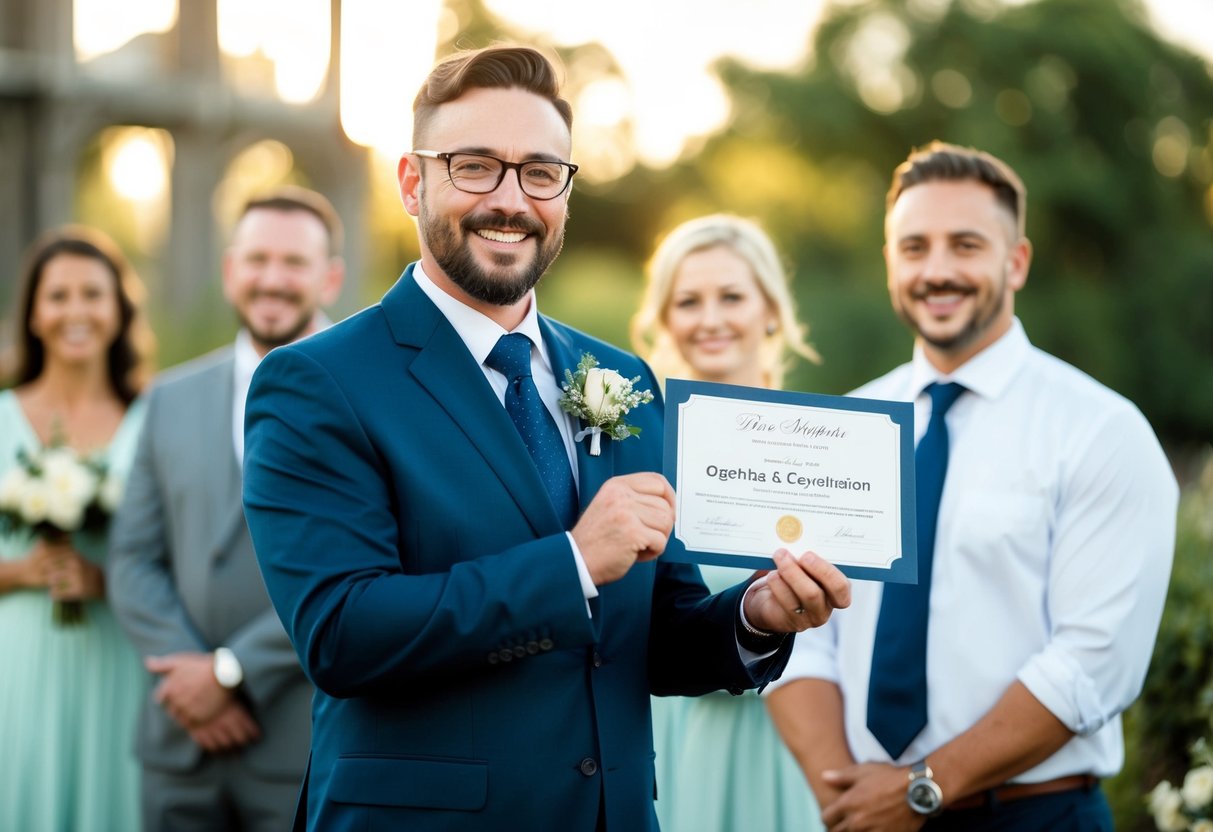
To thrive as a celebrant in the UK, you need a combination of specific skills and personal attributes. Public speaking, writing, and effective communication are key to connecting with clients and delivering memorable ceremonies.
Developing Public Speaking Prowess
Public speaking is essential for a celebrant. You’ll often stand in front of an audience, sharing heartfelt stories and emotions.
Here are some tips to enhance your public speaking skills:
- Practice regularly: Rehearse your speeches out loud to build confidence.
- Know your content: Being well-prepared helps reduce anxiety.
- Engage your audience: Use eye contact and ask rhetorical questions to keep them interested.
Joining a local speaking group like Toastmasters can also provide valuable feedback and support.
Enhancing Writing Abilities
Strong writing skills are crucial. You’ll need to craft personalized scripts for ceremonies, ensuring they reflect the unique stories of those involved.
Focus on these aspects to improve your writing:
- Be clear and concise: Avoid jargon and long sentences to ensure easy understanding.
- Use descriptive language: Paint a picture with your words so the audience can connect emotionally.
- Edit and revise: Always review your work to catch mistakes and improve clarity.
Consider workshops or online courses to sharpen your writing.
Effective Communication Techniques
Effective communication goes beyond speaking and writing. It includes listening and understanding the needs of your clients.
Here are some techniques to enhance your communication:
- Active listening: Pay attention to what your clients say. This builds trust and rapport.
- Body language: Be aware of your gestures and posture. They convey confidence.
- Empathy: Show understanding and compassion, especially during sensitive ceremonies.
Developing these skills will help you connect deeply with clients and audiences.
Establishing Your Celebrant Business

Starting a celebrant business involves understanding the unique market, effective marketing strategies, and building a solid portfolio. These steps are essential to attract clients and grow your reputation in this rewarding field.
Understanding the Celebrant Market
Getting to know the celebrant market is key to your success. Research the trends in your area and identify what clients are looking for. Understand that there is a growing demand for personalized ceremonies, which often leads to more opportunities for you.
Consider the different niches within the market. These could be weddings, funerals, or naming ceremonies. Each area has its own needs and language. By knowing your audience, you can tailor your services and approach to what they want.
Marketing Strategies and Social Media
When it comes to marketing your celebrant business, social media is a powerful tool. Create profiles on platforms like Instagram, Facebook, and Pinterest. Share beautiful photos and heartfelt stories from ceremonies you’ve conducted.
Use targeted ads to reach potential clients. Think about promoting offers or packages that might attract attention. Engaging content, such as testimonials from happy clients, can also build trust and interest in your services.
Don’t forget about networking in your community. Attend local events and join relevant groups. Building relationships with other vendors like wedding planners can lead to referrals that grow your business.
Building Your Portfolio and Securing Bookings
Creating a strong portfolio is essential for showcasing your skills. Start by documenting every ceremony you perform. Use quality photos and collect positive testimonials from clients. This real feedback can greatly influence future customers.
Additionally, consider offering introductory rates to secure your initial bookings. This allows you to gain experience and fill your portfolio with diverse ceremonies.
Always follow up with clients after their events to gather reviews and thank them for their business. Happy clients often lead to referrals, meaning your celebrant business can thrive.
Remember, a solid portfolio showcases your passion and professionalism, helping you stand out in a competitive market.