
How Long Does It Take to Become a Humanist Celebrant? A Quick Guide to Your Journey
Becoming a humanist celebrant can be a fulfilling journey for those who value humanism and its positive, nontheistic approach to life. It typically takes around two years to become a fully qualified humanist celebrant, but this timeframe can vary based on your commitment and the program you choose.
As you explore humanist values and philosophy, you’ll learn how to conduct meaningful ceremonies like weddings, memorials, and baby namings without a religious framework.
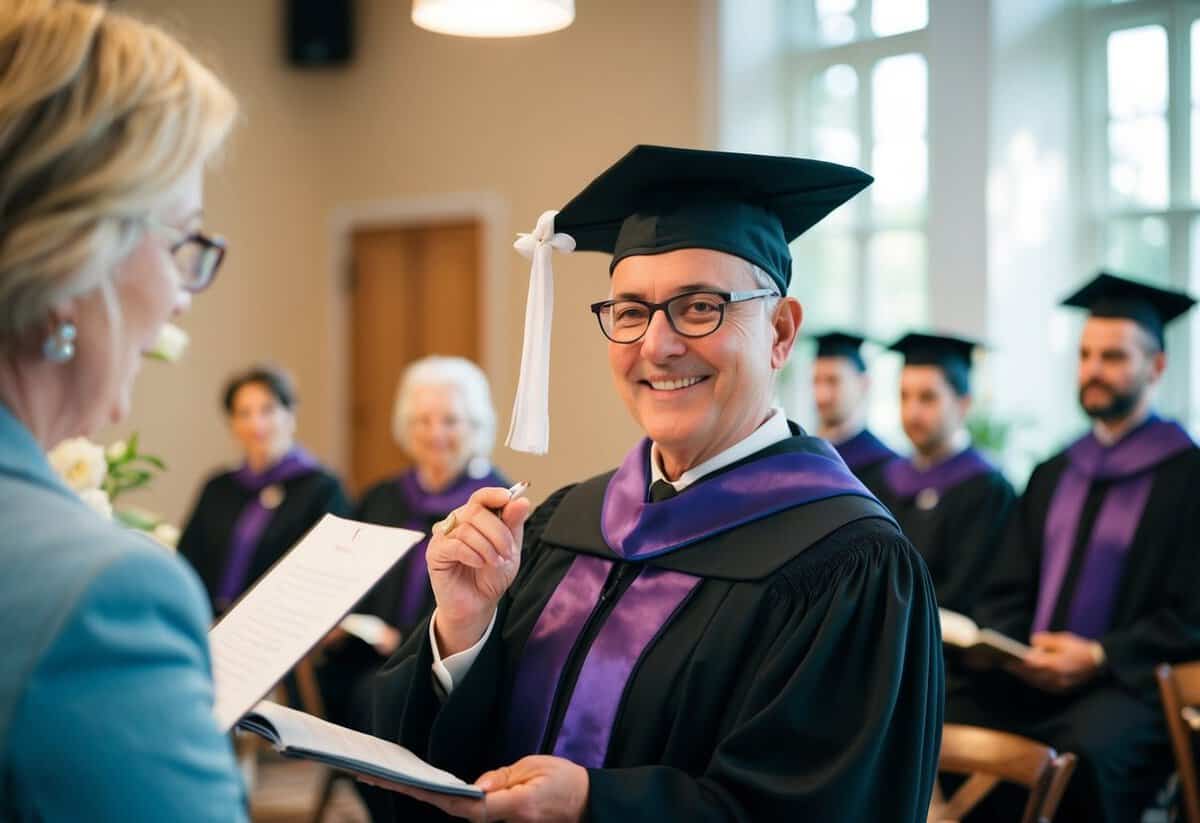
The path to becoming a celebrant involves training and possible endorsement from recognized humanist organizations. Many programs offer guidance that helps you connect with others who share your passion for celebrating life’s important moments through a humanist lens. This can be a great opportunity to meet like-minded individuals and build a supportive community.
Engaging with the principles of humanism can enhance your understanding of what it means to honor life’s milestones. With dedication and the right training, you can take part in this rewarding role that emphasizes the value of human experiences and relationships.
Understanding Humanism and Celebrancy
Humanism focuses on human values and ethics, emphasizing individual agency. Celebrants take these principles and apply them to various ceremonies, making them meaningful for those involved.
Foundations of Humanism
Humanism is a philosophy that values human beings and their experiences. It stresses that people can find meaning, ethics, and fulfillment without relying on religious beliefs. Central to humanism are values like compassion, empathy, and reason.
Humanist societies promote these ideas through education and community engagement. They encourage a positive worldview where humans take responsibility for their actions. This can influence various life events, such as weddings, memorials, and namings, making them deeply personal and reflective of individual values.
Roles of a Humanist Celebrant
A humanist celebrant plays a vital role in life celebrations. They officiate ceremonies like weddings, funerals, and naming events, ensuring they reflect humanist principles. You will find that celebrants create personalized experiences, focusing on the values and stories of those involved.
These ceremonies are non-religious but can incorporate various cultural or personal elements. Whether it’s a joyful wedding or a respectful memorial, celebrants help families mark important moments in a way that feels true to them. They are skilled in crafting words and rituals that honor life’s milestones, providing comfort and joy during significant transitions.
The Path to Becoming a Celebrant

Becoming a celebrant involves several important steps. You will need to focus on the necessary qualifications, skills, and training to help you succeed in this rewarding role.
Qualifications and Skills
To become a celebrant, you should first understand the key qualifications needed. Many celebrants have a background in areas like education, counseling, or public speaking.
Developing strong interpersonal skills is essential, as you will be interacting with diverse individuals during life’s significant events.
Public speaking is another crucial skill you should hone. As a celebrant, you will often officiate ceremonies where you need to communicate effectively and comfortingly.
Familiarity with humanism is important, too, as many ceremonies include elements that reflect these values.
Lastly, you may consider mentorship opportunities. Finding a mentor can guide you through the beginning of your celebrant career, providing real-world insights and support.
Training and Accreditation
The training process to become a celebrant varies based on the path you choose.
Many programs require you to complete celebrant training that may last from a few weeks to several months.
For instance, some online courses can take 4 to 6 weeks to finish, while others might stretch up to a year.
During this training, you’ll learn how to create meaningful ceremonies tailored to your clients’ beliefs and wishes.
Endorsement options can also vary; some celebrants get accredited through organizations like the American Humanist Association.
After completing your training, you usually need to go through an application process to officially become a celebrant. This often includes submitting proof of your qualifications and demonstrating your understanding of the role you wish to take on, like that of a lay leader in your community.
Building a Career as a Humanist Celebrant

A career as a humanist celebrant involves ongoing learning and effective marketing strategies. You’ll need to focus on professional development and how to reach potential clients while upholding the values of compassion and inclusivity.
Continued Professional Development
As a humanist celebrant, continued professional development is crucial.
You should participate in workshops and training sessions to enhance your skills and knowledge. Many organizations offer programs for celebrants that cover important topics like ethics, communication, and ceremony planning.
Consider becoming an associate celebrant, which allows you to gain practical experience under the guidance of established professionals. This can improve your confidence and ensure you maintain high standards in your ceremonies.
Always embrace a commitment to learning, as staying informed can elevate your practice and services.
Marketing and Growth
To grow your career, strong marketing strategies are essential.
Start by building an engaging online presence through a personal website and social media platforms. Share your ceremony experiences and client testimonials to showcase your work.
Networking in your community is also important. Attend local events and connect with other independent celebrants to build relationships.
Collaborate with venues and vendors to promote your services. Always highlight your commitment to compassion, confidentiality, and inclusivity in your promotional materials, as these values resonate with potential clients seeking a meaningful ceremony.
National and Regional Considerations

Becoming a humanist celebrant can vary significantly based on your location. Understanding the differences in certification and the role of community is essential for your journey. Each region may offer unique requirements and opportunities.
Differences in Certification
Certification as a humanist celebrant depends on the organization you choose.
For instance, the American Humanist Association has specific endorsement options that can guide you through the process. In the United States, the application often includes interviews and reference checks.
In contrast, Scotland has its own set of standards under the Humanist Society. They offer various endorsements, allowing for a more tailored approach to certification.
Make sure to research your local regulations, as they can impact how quickly you can officiate ceremonies.
Community and Diversity
Community support plays a significant role in your path to becoming a celebrant. In many areas, humanist groups provide resources. These include training sessions and mentorship opportunities.
Engaging with local humanist societies can help you understand the diverse needs of the community you will serve.
Celebrants are often called to create personalized ceremonies that reflect individual beliefs and values. By embracing community diversity, you can foster more meaningful connections with those you serve. This approach enriches your career while promoting understanding and acceptance.