
How Long Does It Take to Organise a Small Wedding? Tips for a Smooth Planning Experience
Planning a small wedding is an exciting journey, but it often raises the question of how much time you actually need. You can typically plan a small wedding in about 3 to 6 months, and even in as little as 1 to 2 months if needed. This shorter timeframe is often possible because of fewer guests and simpler logistics.
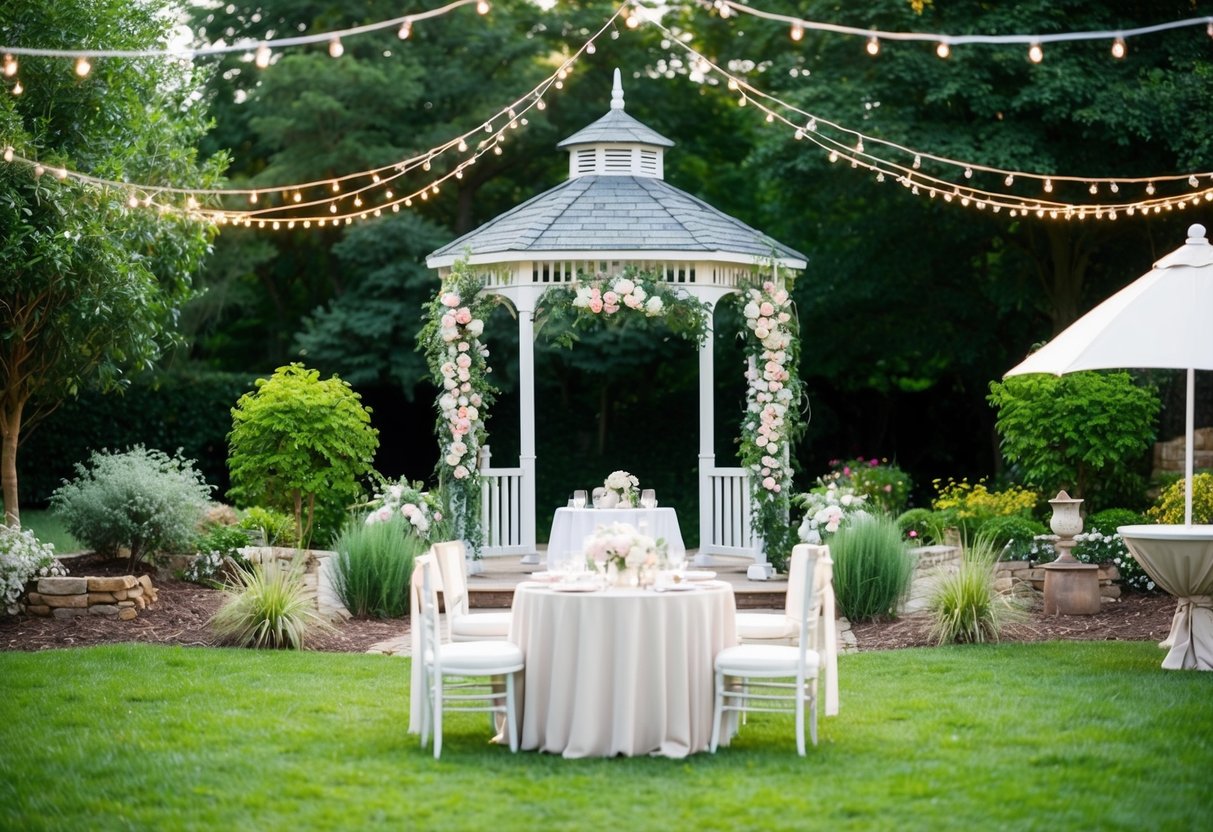
Most couples find that even though they can work with limited time, early planning can ease stress and help you enjoy the process. Knowing the average time to plan a wedding helps you set realistic expectations. With good organization and a clear vision, you can successfully pull together your special day without feeling overwhelmed.
If you’re pressed for time, remember that key tasks can be done quickly with the right support. Whether you have several months or just a few weeks, focusing on essentials will help you create a beautiful celebration that reflects your love story.
Determining Your Wedding Vision and Budget

Figuring out your wedding vision and budget sets the foundation for everything that follows. A clear vision helps narrow down choices, while a realistic budget keeps your plans on track. Here’s how to establish them effectively.
Establishing Your Wedding Vision
Start by thinking about what you want your wedding to feel like. Do you imagine a cozy gathering or a grand celebration? Writing down key elements can make it easier. Consider themes, colors, and styles that resonate with you.
Talk with your partner about your expectations. Share ideas about the venue, the number of guests, and even the atmosphere you want to create. Visual aids like mood boards can help bring your vision to life.
Remember that your vision should reflect both your personalities. Maybe include certain traditions or personal touches. This way, your wedding becomes a unique celebration of your journey together.
Setting a Realistic Budget
Creating a budget is essential to ensure you can afford your dream wedding. Begin by listing key expenses like the venue, catering, and photography. Here’s a simple breakdown to consider:
- Venue: 30%
- Catering: 20%
- Photography: 15%
- Attire: 10%
- Decorations: 10%
- Miscellaneous: 15%
Once you have a total budget, allocate funds according to these percentages. Be honest about what you can spend. This prevents last-minute financial stress and keeps your planning enjoyable.
Don’t forget to set aside a little for unexpected costs. Emergencies can pop up, so having a buffer ensures you stay within your budget even if things change.
Considering the Length of the Engagement
Your engagement period influences many factors, including how much time you have for planning. A short engagement, around 6 months, may require a streamlined approach. Focus only on essential elements, and be flexible with your choices.
If you opt for a longer engagement of 12 months or more, you can take your time to explore different options. This allows for more detailed planning and potentially better deals, especially for venues and vendors.
Consider how much time you’ll need for each aspect of your wedding, from booking to final touches. Setting a timeline can help you stay organized and focused. Each engagement length has its pros and cons; choose the one that fits your lifestyle and preferences.
The Planning Process
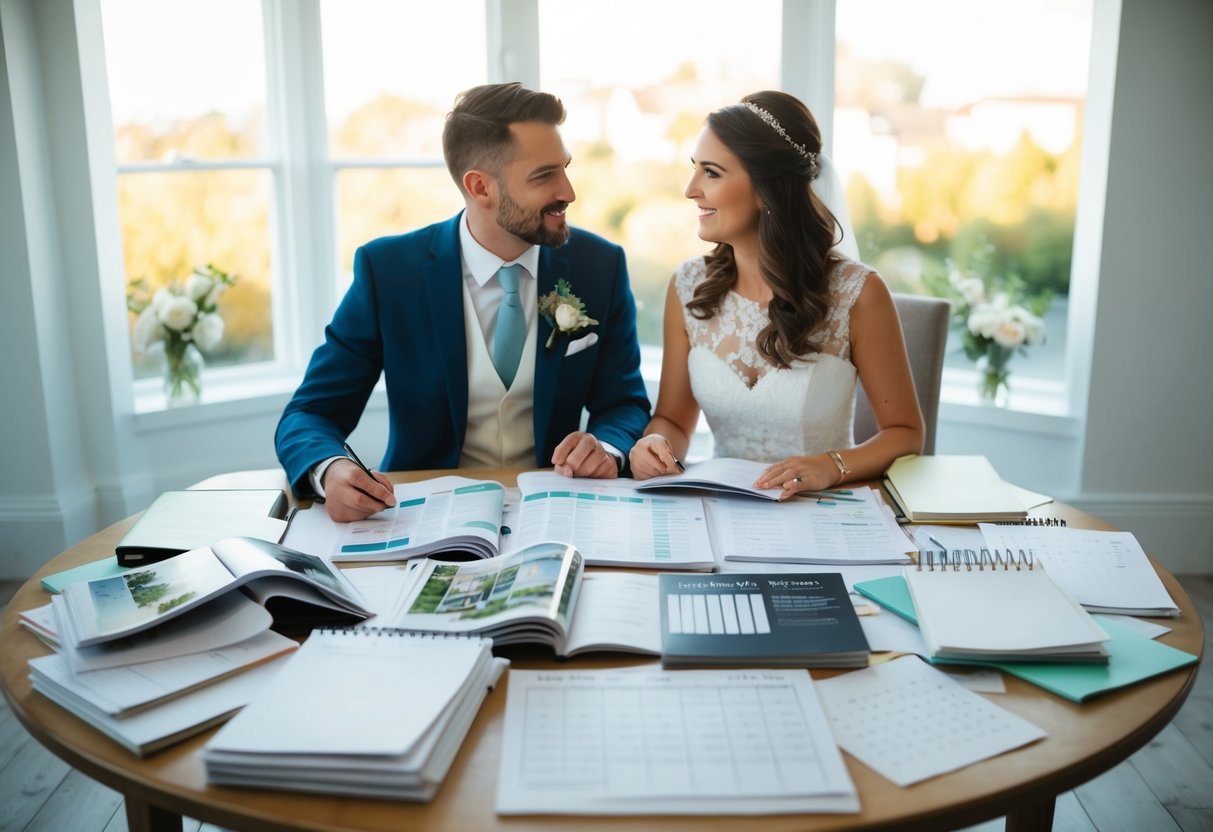
Planning a small wedding involves several key steps. You will need to choose a date, create a timeline, book your venue and vendors, and send out invitations. Each of these steps is important for keeping your planning organized and stress-free.
Selecting the Ideal Wedding Date
Choosing the right date for your wedding is one of the first things you should do. Think about the season you love, as this can set the tone for your event. If you prefer a sunny outdoor wedding, late spring or summer might be ideal.
Consider important dates, like anniversaries or holidays, but also be aware of peak wedding season. Peak season is usually between June and September, which can affect venue availability and pricing.
Check family and friends’ availability too. You want your loved ones to be there to share in your special day. Once you’ve got a shortlist, check with your venue for available dates. This will help you make a final decision.
Creating a Wedding Planning Timeline
Creating a wedding planning timeline is essential for staying organized. Start by listing all tasks that need to be completed. This includes booking vendors, selecting decorations, and other details.
A good idea is to have a 12-month timeline for a small wedding. This timeline allows you to break tasks into manageable steps. Start with big tasks, like setting a budget and choosing a venue.
Some tools to help you are planners or wedding apps. Use them to track your progress as you go. This will keep everything in view, so nothing falls through the cracks.
Booking Your Venue and Vendors
Once you have your date and timeline, it’s time to book a venue and vendors. Start with the venue, as this is often one of the first choices that can affect your overall planning. Many venues get booked well in advance, so act fast.
When it comes to vendors, prioritize what’s most important to you. This might include a photographer, caterer, or florist. Make a list of vendors and start reaching out. Ask about their rates, packages, and availability.
Remember to read reviews and check references. Meeting vendors in person can help you feel confident in your choices. Once you’ve found your perfect vendor team, secure them with deposits.
Sending Out Invitations
Sending out invitations is another important step in the planning process. Start by deciding whether you want to send save-the-date cards. These are great for letting guests know well in advance.
When it comes to invitations, pick a design that matches your wedding theme. You can choose between printed or digital options. Make sure to include essential details: the date, venue, and RSVP information.
Plan to send out invitations about 6-8 weeks before your wedding date. This gives guests enough time to respond and make arrangements. Keep track of RSVPs in an organized way to manage your guest list effectively.
Executing the Final Details
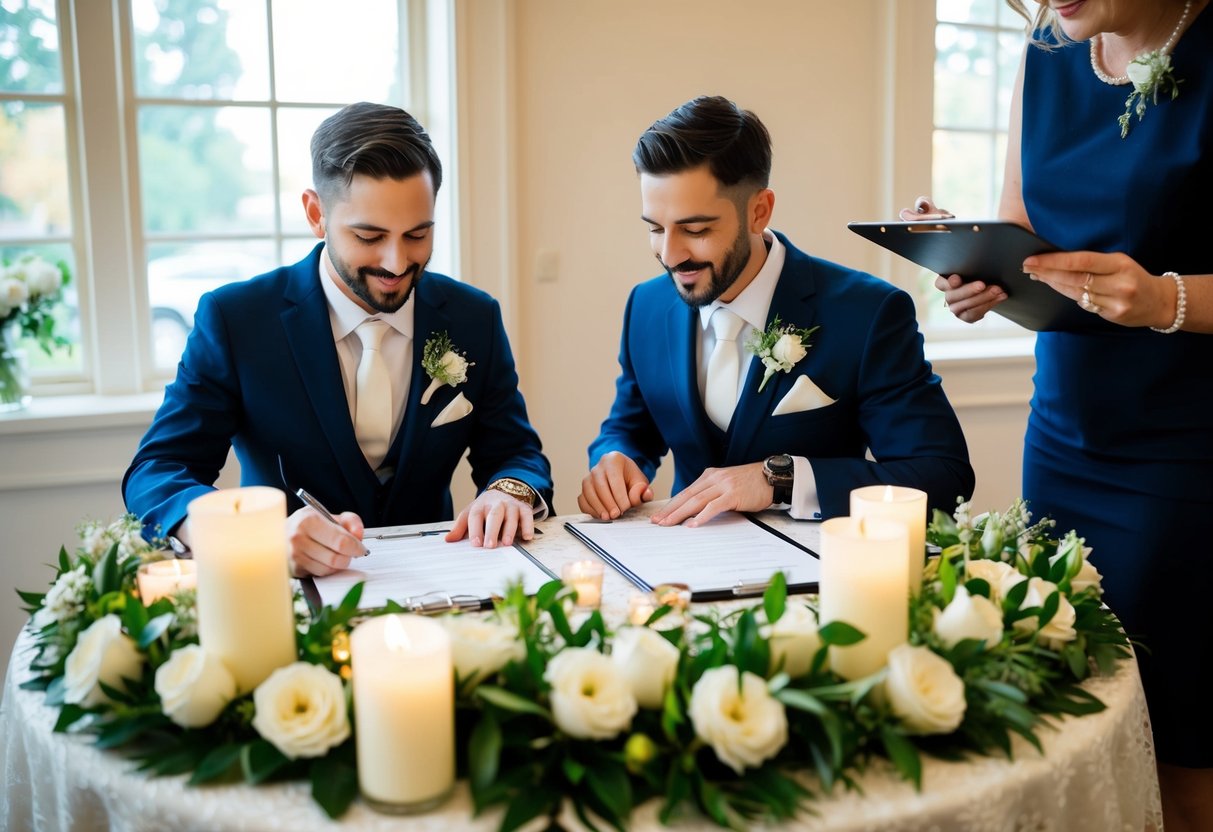
As your wedding day approaches, focusing on the last details is crucial. You’ll need to ensure everything is in order, from the guest list to the timing of events. Each part plays an important role in creating a smooth and enjoyable day for you and your loved ones.
Finalizing the Guest List and Seating Arrangements
You should confirm your guest list about a month before the wedding. This will help you ensure everyone you want to invite is accounted for. It’s a good idea to have a final count, especially for catering and seating.
Once you have your list, think about seating arrangements. For an intimate wedding, it’s nice to pair guests based on friendships or family ties. Create a simple table layout to visualize how guests will sit. Consider using name cards for each place setting to avoid confusion on the day.
Attending Dress Fittings and Trials
Don’t forget to schedule your dress fittings! Aim for at least two to three fittings to ensure your wedding dress fits perfectly. Depending on your dress style, you might also need a trial run with your hair and makeup. This is the time to see how everything comes together.
Bring someone you trust to your fittings for a second opinion. Having a fresh set of eyes can help you make final adjustments and feel confident. Remember, this is the moment to ensure you feel comfortable and beautiful in your dress!
Coordinating the Rehearsal Dinner
The rehearsal dinner is a time to relax with family and friends before the big day. You should plan this dinner for the night before the wedding. Confirm the venue and menu at least two weeks in advance.
Invite everyone who will be part of the ceremony, including the officiant. If it’s a destination wedding, choose a local restaurant that can accommodate your group. This is also a great opportunity to thank your wedding party for their support.
Preparing the Wedding Day Timeline
Creating a detailed timeline for your wedding day can help everything run smoothly. Start by outlining the key times for hair and makeup, the ceremony, and the reception.
Be sure to include travel times between venues, especially if you’re having a destination wedding.
Share this timeline with your wedding party and vendors. They will appreciate knowing when and where to be.
You might want to allow buffer times for unexpected delays, helping you stay relaxed and on track as the day unfolds.