
How Long Does the Average Wedding Last in the UK? Discover the Timings and Traditions
Planning a wedding can be an exciting yet overwhelming experience. As you think about what your special day will look like, a common question might arise: the average wedding day in the UK lasts about 7 to 10 hours. This timeframe includes all the festivities, from the ceremony to the reception, making it important to consider how you want to structure your day.
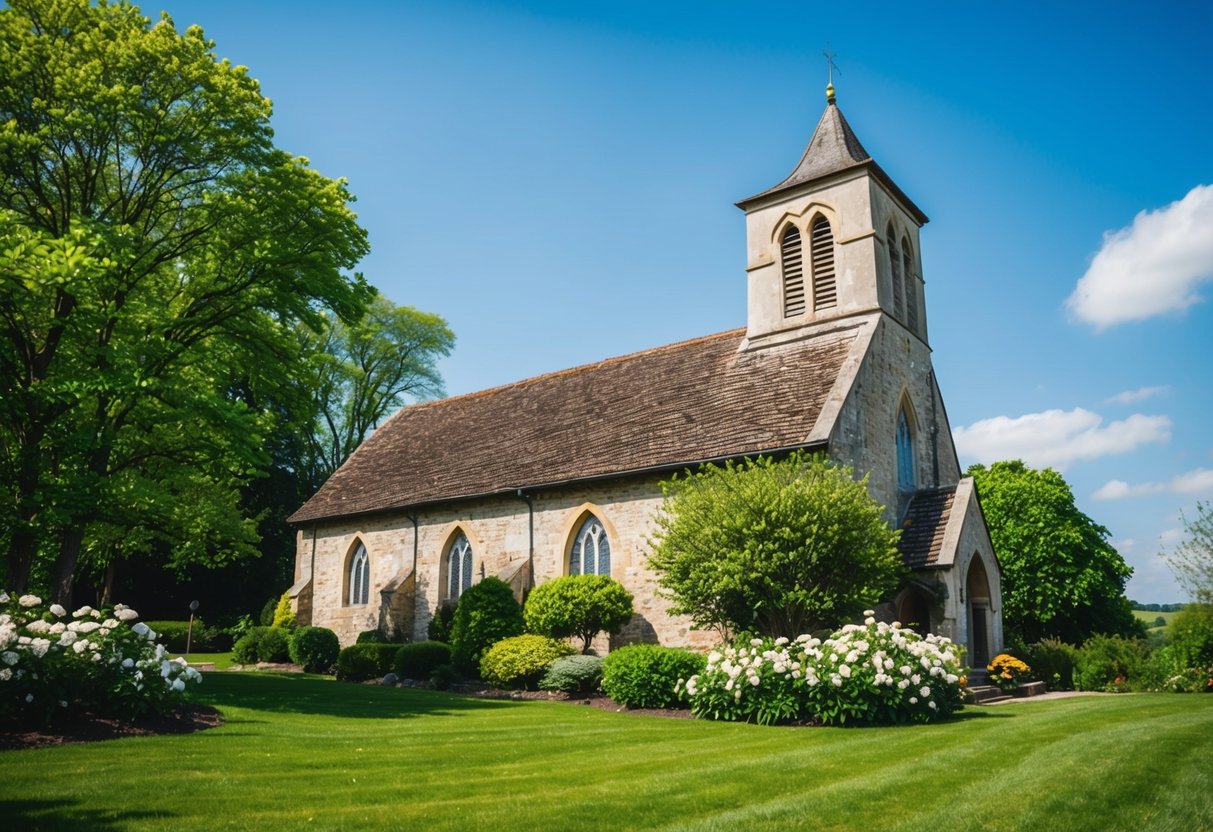
Your wedding ceremony itself typically doesn’t take long, often lasting around 30 minutes. While religious ceremonies may last longer, many modern, non-religious ceremonies are short and sweet. Knowing the duration can help you plan your timeline better and ensure that you fit in all the traditions and moments you cherish.
With fun activities and a chance to celebrate with loved ones, understanding the length of a wedding day can help you create the perfect schedule. You want to enjoy every minute while staying organized, so having a clear idea of how long everything will take is essential.
Understanding the UK Wedding Day Structure
The structure of your wedding day is important for a smooth celebration. Knowing the key moments and the differences between ceremony types will help you plan the perfect timeline.
Key Moments in a Wedding Day Timeline
A typical wedding day in the UK can last around 11 hours, starting from early morning preparations to late-night celebrations. Key moments usually include:
- Getting Ready: Hair and makeup can take 2-3 hours.
- Ceremony: This often lasts between 30 minutes to an hour. Your ceremony will feature personal vows and ring exchanges.
- Reception: Following the ceremony, you’ll have a reception, including meals, speeches, and dancing. This part can last up to 6 hours.
- First Dance: Usually occurs shortly after dinner. It’s a heartfelt moment that kicks off the celebration.
Each of these moments is essential, so it’s good to have a rough schedule to keep everything flowing smoothly.
Differences Between Civil and Religious Ceremonies
Understanding the differences between civil and religious ceremonies can help you decide what fits your vision.
-
Civil Ceremonies: These are non-religious and often held in venues like registry offices or hotels. You can personalize your vows, but you also have to follow legal requirements.
-
Religious Ceremonies: If you choose a religious ceremony, such as a Catholic wedding ceremony, expect it to follow traditional practices. These often include scripture readings and hymns, making them very formal.
Both types have unique wedding traditions and can accommodate same-sex marriage, ensuring every couple can celebrate their love in their desired way.
The Celebration After the Vows

After exchanging vows, the wedding celebration begins. This is a special time for you and your guests to enjoy good food, fun activities, and lasting memories. Here’s what to expect during the festivities.
Wedding Reception Essentials
The wedding reception is where the party truly starts. This usually kicks off with a grand entrance of the newlyweds. Guests will cheer as you make your way in.
Next comes the cocktail hour. This is a great time for guests to mingle and enjoy drinks and appetizers. It sets a relaxed mood for the celebration.
The main event includes dinner, which can either be a sit-down meal or a buffet. After everyone has eaten, it’s time for the cake cutting. This moment is both fun and symbolic, as you take a slice together to share with your guests.
Music and Dancing at the Reception
Music plays a huge role in your wedding reception. It sets the tone for the night. A DJ or live band can keep the energy high.
Your first dance usually happens soon after dinner. This is a beautiful moment for you to showcase your love. Guests will often join in shortly after, filling the dance floor.
Remember to plan for special songs, like the bride and groom’s entrance and any fun dances. Don’t forget about the cake cutting and bouquet toss, which can happen during dancing. This keeps the momentum going and ensures everyone enjoys the night.
The Significance of the Reception Timeline
Creating a detailed wedding reception timeline helps keep everything organized. It ensures that important moments happen at the right time.
For instance, you might schedule the cocktail hour right after the ceremony. This allows guests to relax while final preparations for dinner are made.
It’s crucial to plan when to serve food, have speeches, and enjoy the cake cutting. Each moment adds to the celebration, making it unforgettable for you and your guests.
Planning for the Perfect Day
Planning your wedding is an exciting journey that requires attention to detail and thoughtful consideration. From figuring out the roles of your wedding party to selecting a photographer, each step plays a crucial part in making your day special.
Initial Considerations for Wedding Planning
Start by setting a budget that reflects your style and needs. Discuss with your partner what is most important to you both. Do you prefer a grand celebration or a more intimate affair?
Next, create a timeline for the main tasks. Booking your venue should be a priority, as popular places can fill up fast. Don’t forget to consider the season and weather when choosing a date.
Compile a guest list early on. This will help with seating arrangements and catering options later. A smaller wedding can lead to a more personal feel, while a larger gathering allows you to celebrate with many.
Role of the Wedding Party and Guests
Your wedding party will support you throughout the planning process and on the big day. Choose friends and family who share your vision and can help with tasks like planning events or coordinating logistics.
Communicate expectations clearly. Let them know what you need from them, whether it’s planning the bridal shower or tackling DIY projects.
As for your guests, consider their comfort. Provide information about accommodations and transport if your venue is remote. Clear communication about dress code and timings will help everyone feel prepared and included.
Choosing the Right Wedding Photographer
Selecting a wedding photographer is crucial. This person will capture your special moments in a way that reflects your personality and style.
Start by researching local photographers and reviewing their portfolios. Schedule consultations to discuss your vision and ask questions about their experience.
Make sure to ask about packages and if they offer engagement shoots.
Remember, it’s important to feel comfortable with your photographer. Building a good rapport will help ensure that candid moments are captured beautifully.
Be clear about any must-have shots and trust their expertise to suggest locations and settings that enhance your day.