
How Long Is a Rehearsal Dinner? A Quick Guide for Wedding Planners
Planning a wedding involves many details, and one important event is the rehearsal dinner. This gathering is a chance for you to connect with family and friends before the big day. Typically, a rehearsal dinner lasts around two to three hours, allowing enough time for a meal, conversation, and possibly some speeches.
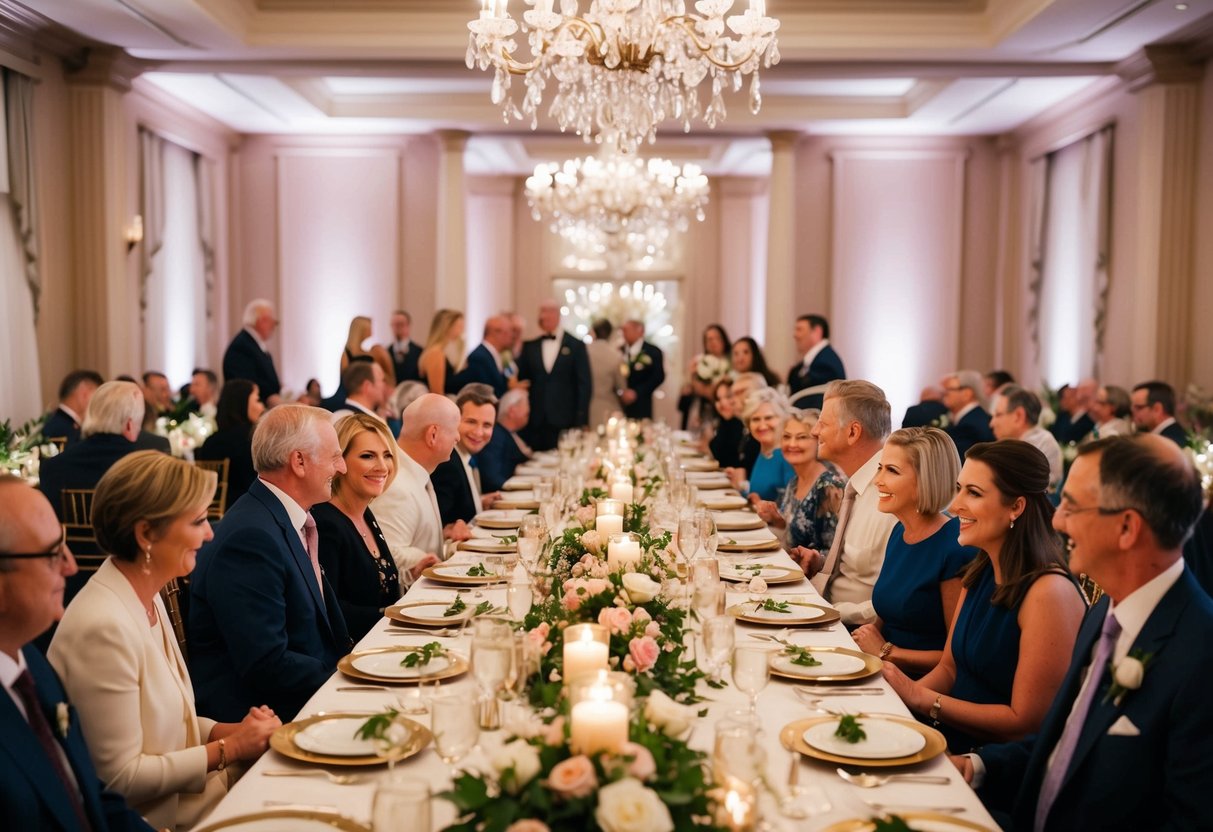
You might wonder who to invite and what activities to include. Generally, close family and the wedding party are the main guests, but you can also invite out-of-town guests who traveled a long way to celebrate with you. This event is often more relaxed than the wedding day and helps everyone feel comfortable before the ceremony.
Understanding the timing and format of a rehearsal dinner can make planning easier. With the right approach, this special evening can set a positive tone for your wedding weekend.
Planning the Rehearsal Dinner
Planning your rehearsal dinner involves several key steps. You’ll need to manage the date and time, select the venue, create a guest list, decide on the menu, and handle invitations. Each of these steps contributes to a successful and enjoyable gathering.
Setting the Date and Time
The rehearsal dinner typically occurs the night before your wedding. This timing allows your wedding party and family members to gather and relax after the rehearsal.
Choose a time that lets everyone enjoy the meal without feeling rushed. A good window is around 6 PM to 8 PM, which allows for a leisurely dinner. Make sure to confirm this timing with your venue, as availability can vary.
Also, consider your wedding schedule. Ensure your guests have enough time to get to the venue after the rehearsal.
Choosing the Venue
Picking the right venue is essential for your rehearsal dinner. It should be convenient for your guests, preferably located near the wedding venue.
Options can include local restaurants, private homes, or outdoor spaces. Keep the size of your rehearsal dinner guest list in mind when choosing a location. If you have a large number of guests, a restaurant with a private room or a banquet hall could be best.
Don’t forget to explore if the venue allows for any special themes or decorations you might want to incorporate.
Creating the Guest List
Your rehearsal dinner guest list usually includes close family members and the wedding party. While some couples invite the entire guest list, it’s generally meant for those closely involved in the wedding.
Carefully consider who has helped you during the planning. This might include parents, siblings, and close friends. You can also include mentors or anyone who has played a significant role in your relationship.
Once you have your list, confirm who will be able to attend. This can help you plan the food and seating arrangement.
Deciding on the Menu
The menu you choose can set the tone for the evening. Consider your guests’ tastes and any dietary restrictions they might have.
You could go for a formal sit-down meal, a buffet, or even casual options like BBQ. This decision may also depend on your venue’s offerings.
Buffets are often more relaxed and encourage mingling. On the other hand, a formal meal could provide a more traditional feel. Make sure to offer a few drink options as well to keep the evening lively.
Invitations and RSVPs
When sending rehearsal dinner invitations, make sure to communicate key details clearly. Include the date, time, venue, and any dress code.
Try to send these invitations at least three to four weeks in advance. This gives your guests enough time to respond and makes it easier to confirm RSVPs.
Know that it’s common for the host—often the parents of the couple—to cover the costs of the rehearsal dinner. Be sure to communicate about this to avoid confusion. Confirming RSVPs helps you finalize the numbers for food and seating, making planning much smoother.
The Ideal Rehearsal Dinner Timeline
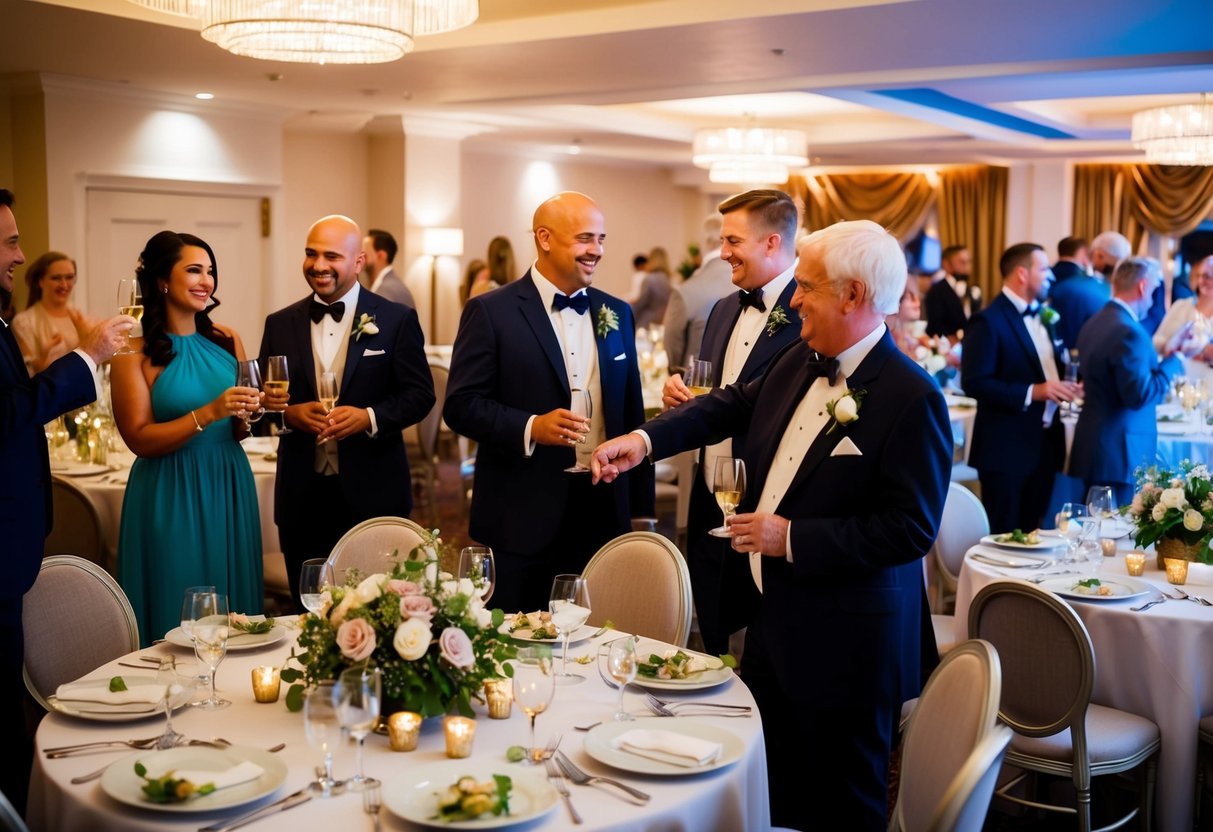
Planning the timeline for your rehearsal dinner is important to make sure everyone has a great time. This section will help you organize the event from welcome mingling to the end of the evening so that your guests feel included and valued.
Welcome and Mingling
When guests arrive, set aside about 30 minutes for them to mingle. This allows immediate family and out-of-town guests to feel comfortable before the meal begins.
You can create a welcome area with drinks and light appetizers. This not only helps break the ice but also sets a relaxed tone for the evening. Encourage conversations among family and friends who may not know each other well.
Consider greeting everyone personally as they arrive. This small gesture makes guests feel special and appreciated.
Serving the Meal
After mingling, it’s time for dinner. Ideally, plan for about 60 to 90 minutes for guests to enjoy their meals. If you have a large guest count, allow extra time for serving food.
Choose a menu that feels festive but is also easy to serve. Buffet-style can work well for larger groups and keeps things casual. Make sure the meal accommodates any dietary restrictions from your wedding guests.
Providing enough time for your guests to eat and enjoy conversation is key. This part of the evening should feel leisurely, allowing everyone to connect.
Toasts and Speeches
After dinner, set aside 10 to 20 minutes for toasts and speeches. This is a lovely way for friends and family to share affectionate words about the couple.
You might want to have a designated person to lead the toasts. This could be a member of your immediate family or a close friend. It helps to keep things flowing smoothly.
Make sure you inform everyone ahead of time who will be speaking. This ensures they are prepared, and it creates a joyful atmosphere as stories and memories are shared.
The Wrap-Up
As the evening winds down, allow about 15 to 30 minutes for goodbyes and wrapping things up. You can offer a small gift or favor as guests leave, which adds a nice touch.
Encourage final conversations among family and friends, making for a cozy end to the evening. You want everyone to leave feeling connected and excited for the wedding celebration.
Etiquette and Expectations
When planning a rehearsal dinner, it’s important to consider various etiquette norms and expectations. This ensures that the event flows smoothly and everyone feels comfortable. Each aspect, from dress code to host responsibilities, plays a key role in creating a welcoming environment for your guests.
Dress Code for the Evening
The dress code for the rehearsal dinner should match the event’s formality. Often, this falls between casual and semi-formal. You might want to suggest attire like cocktail dresses or dress pants and blouses for women. For men, dress shirts with slacks or even blazers can work well.
Include your dress code on the invitation to avoid confusion. Immediate family members, including the parents of the groom, often set the tone with their attire. If you want a more relaxed setting, feel free to mention a “smart casual” dress code. This way, guests can enjoy themselves while still looking presentable.
Role of the Hosts
The hosts of the rehearsal dinner usually include the groom’s parents or the couple themselves. Your main role is to create a warm atmosphere for everyone involved. Be sure to greet guests as they arrive and introduce people who may not know each other.
It’s also polite to offer a few words of gratitude during the evening. Thank the guests for being part of the wedding weekend and acknowledge any special contributions. Depending on the size of the gathering, you might also want to plan a toast to honor the couple, making sure to include both families in your words.
Guest Behavior
Guests should come prepared to be respectful and mindful throughout the evening. It’s important to mix and mingle, as this helps break the ice before the big day.
Encourage everyone to engage in conversations and get to know each other.
During the dinner, it’s good etiquette to avoid controversial topics. Keep the discussions light-hearted and celebratory. Since this event typically includes immediate family members, kindness and respect are key.
Remind your guests to also be considerate of any dietary restrictions, which can be a great way to show thoughtfulness before the wedding.