
How Long Should an Officiant Speech Be? Tips for a Memorable Ceremony
When planning a wedding, one important detail is the officiant’s speech. You might wonder how long it should actually be to keep everyone engaged while still making a meaningful impact. The ideal length for an officiant speech is typically around 5 to 7 minutes, allowing for a heartfelt connection without losing the audience’s attention.
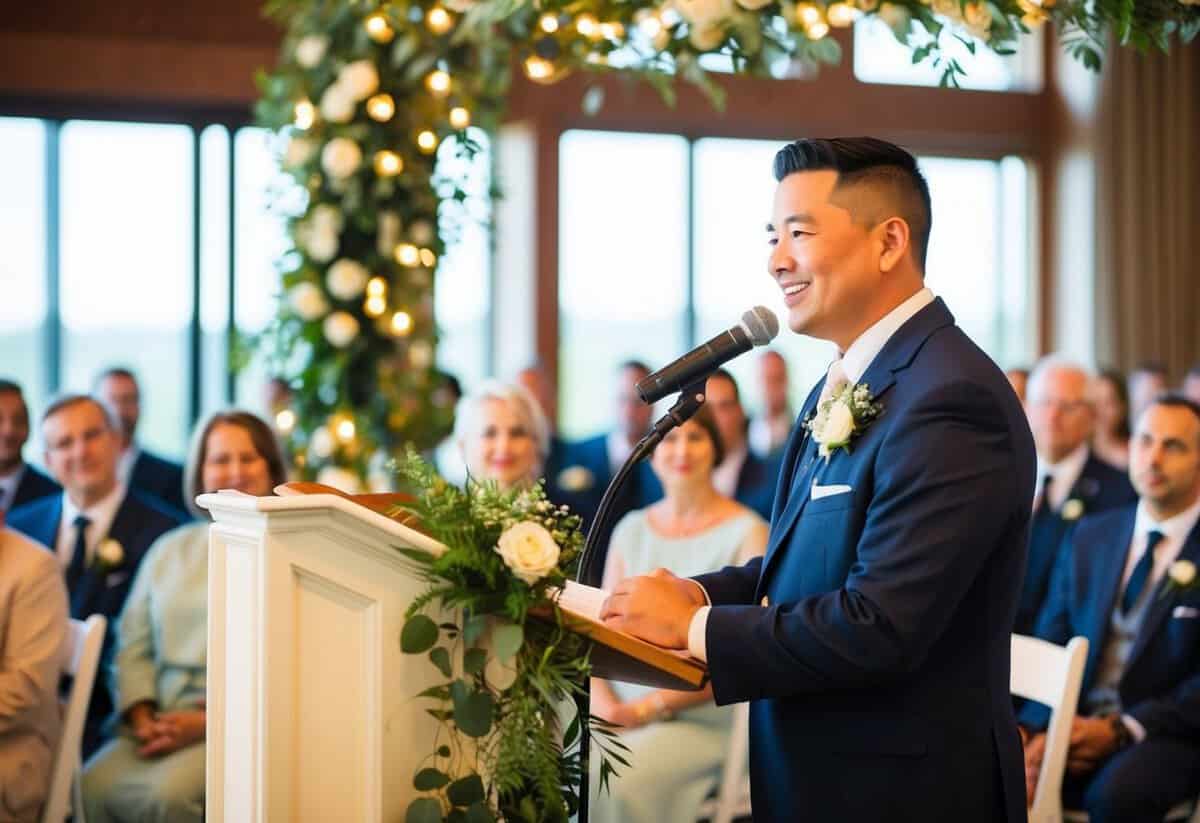
Navigating the balance between personal stories and traditional elements can be tricky. It’s important to consider the preferences of the couple and the style of the ceremony. A well-crafted speech that hits the right note will resonate with both the couple and their guests, setting the right tone for the celebration.
Whether you’re an officiant preparing your speech or a couple discussing expectations, knowing the right length can help you create a memorable moment. Everyone wants to feel included and uplifted during the ceremony, and the officiant’s speech is key to making that happen.
Understanding the Role of the Officiant
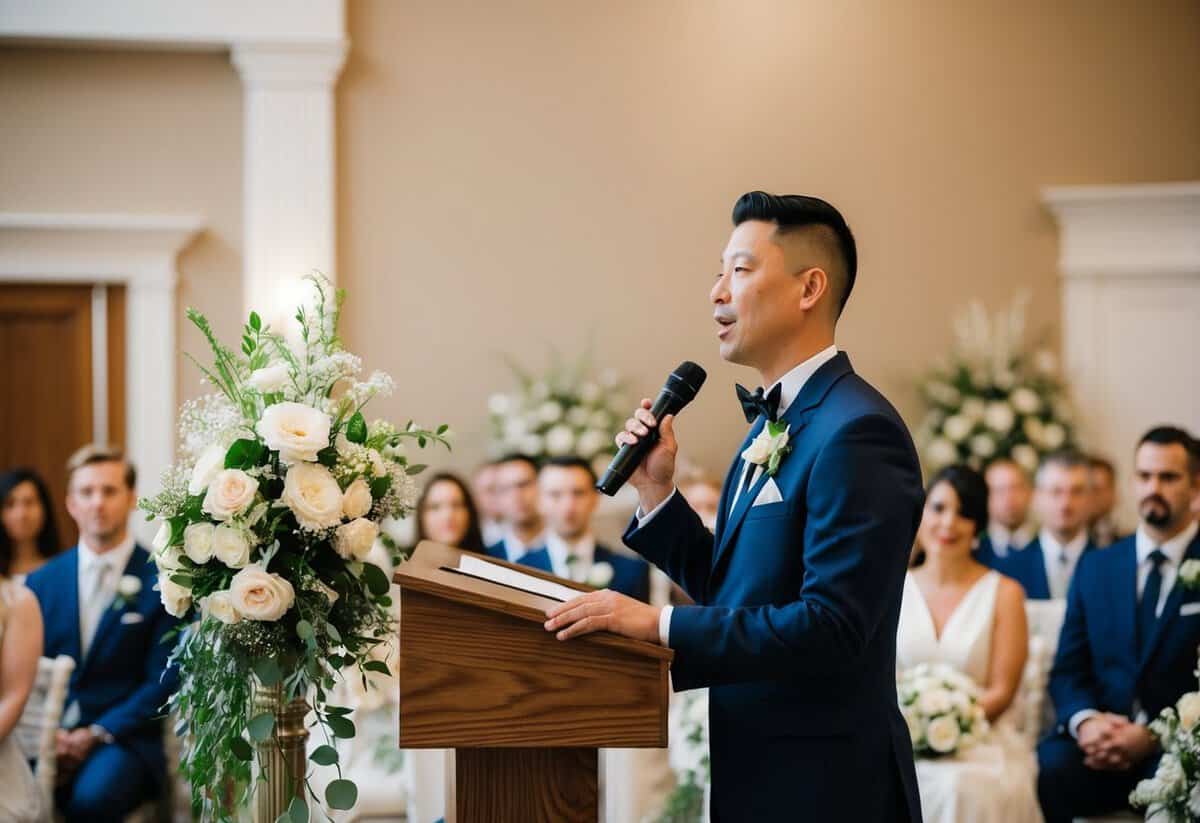
The officiant plays a vital role in your wedding ceremony. They not only deliver the speech but also ensure everything flows smoothly. Understanding their duties and importance will help you appreciate their contributions.
Duties Beyond the Speech
An officiant has several important responsibilities. First, they meet with you before the ceremony to discuss your vision. This helps them craft a personal and meaningful speech.
They also guide you through the ceremony. From managing the order of events to helping with legal paperwork, their role is key. Officiants can perform various types of ceremonies, whether religious, non-religious, or themed.
Additionally, they often encourage you to personalize your vows. They may suggest including special readings or rituals. This adds a unique touch to your ceremony.
Importance in the Ceremony
The officiant is central to the flow of your wedding. They create a welcoming atmosphere for you and your guests. A skilled officiant knows how to engage everyone, making the event feel special.
Their words can set the tone for the entire ceremony. A heartfelt speech can bring joy and even some tears of happiness. When they share personal insights or anecdotes, it makes the moment even more intimate.
In religious ceremonies, the officiant often incorporates traditions specific to your beliefs. In contrast, for non-religious ceremonies, they may focus more on personal connections. This adaptability highlights how important your officiant is in bringing your vision to life.
Crafting the Perfect Officiant Speech
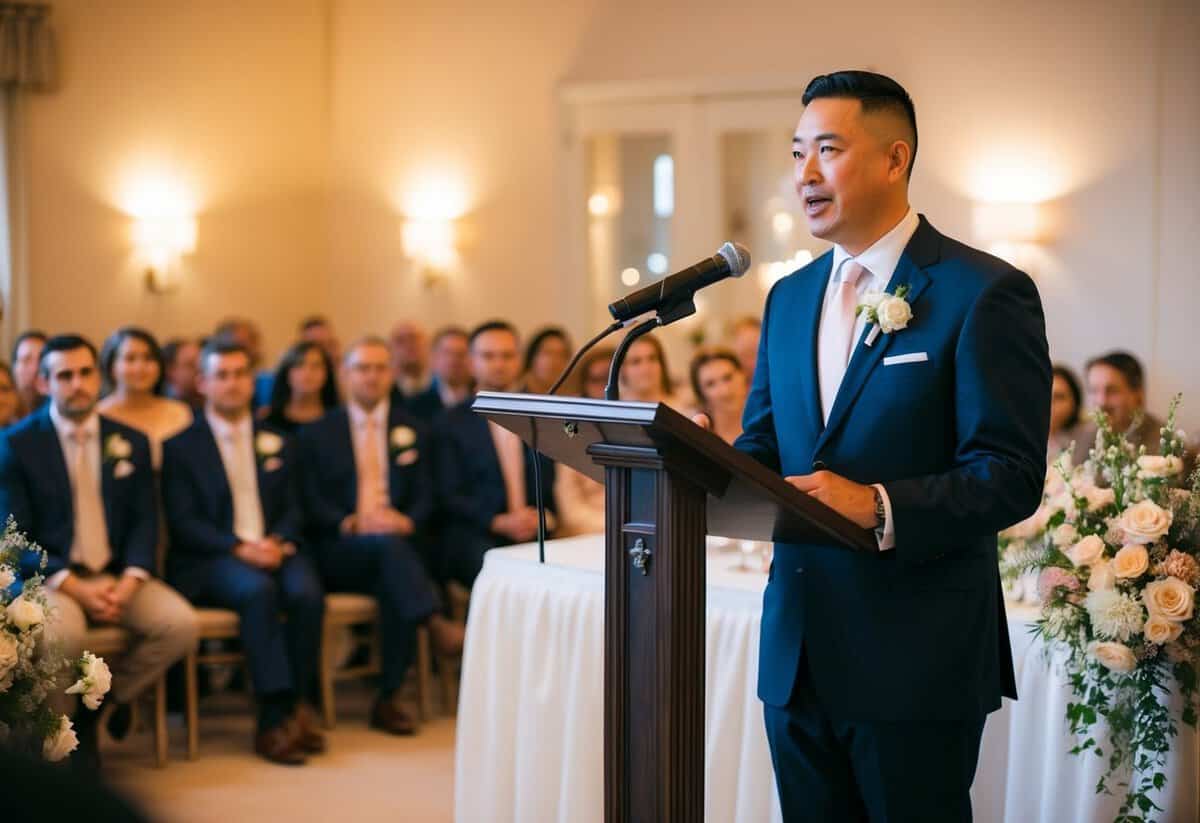
Creating a meaningful officiant speech is about weaving together heartfelt messages, a touch of humor, and personal stories. This blend will resonate with the couple and their guests, making the ceremony memorable.
Incorporating Love and Commitment
Incorporating love and commitment into your officiant speech is essential. Start by sharing the couple’s love story. Talk about how they met and what drew them together. Highlight key moments that show their bond.
Use phrases that emphasize commitment, such as “eternal love” and “lifelong partnership.” This sets a sincere tone. Including quotes about love can also add depth.
Keep the focus on their journey and the promises they will make. This connection makes the speech more relatable and touching. Your goal is to remind everyone of the power of love.
Balancing Humor and Heartfelt Messages
A great speech often blends humor and genuine sentiment. Start with a light-hearted joke or a funny observation about relationships. This can help ease any tension and make guests feel comfortable.
As you share humorous anecdotes, ensure they relate to the couple. Humor should never offend. It’s about celebrating love while keeping a light tone.
After the laughs, shift back to heartfelt messages. Talk about the couple’s strengths and values. Express how they complement each other. This balance creates an engaging and relatable officiant speech that everyone will enjoy.
Using Personal Anecdotes
Personal anecdotes are powerful tools in your speech. They give a unique touch and connect you with the couple and the guests. Choose stories that highlight your relationship with the couple.
For example, recount a moment when you saw their love shine. Maybe it was a shared adventure or a small act of kindness. Personal stories make your speech more authentic.
Make sure your anecdotes are brief, relevant, and appropriate. This keeps the focus on the couple. Using personal stories invites everyone to share in the joy of their love, making the moment even more special.
Elements of the Wedding Ceremony Script
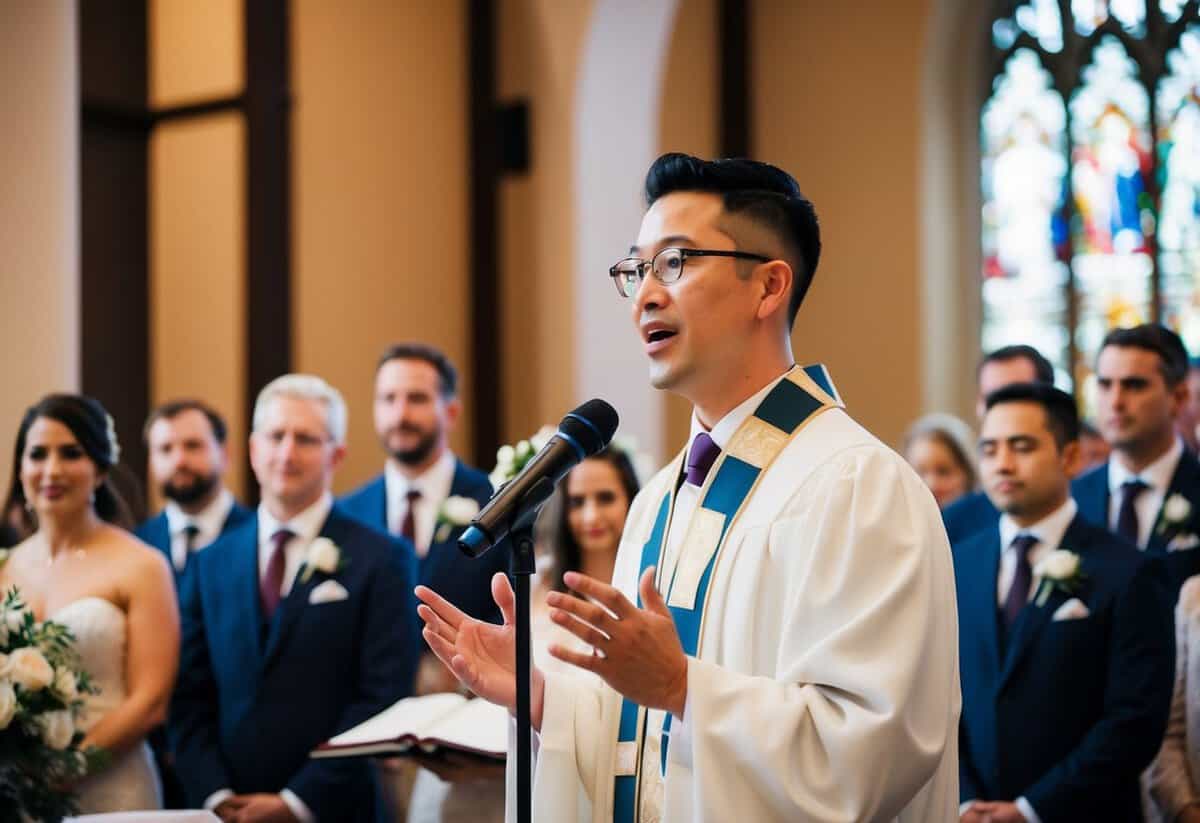
When planning a wedding ceremony script, it’s essential to focus on key elements that create a meaningful experience. The opening sets the mood, guiding through vows and readings adds depth, and handling the pronouncement officially unites the couple. Let’s delve into each important part.
Creating a Memorable Opening
Start your officiant script with an engaging invocation. This could include a warm welcome to guests and a brief introduction about the couple. Mentioning the couple’s love story can personalize this segment.
A clear declaration of intent also plays a crucial role. Ask each partner if they come willingly to marry one another. This simple yet significant question sets the tone for the ceremony. Use an inviting and heartfelt tone as you speak, ensuring guests feel included.
Guiding Through Vows and Readings
While the couple exchanges wedding vows, your role as the officiant is essential. Clearly explain the significance of the vows in simple terms. This moment should reflect their commitment to one another.
If incorporating readings, select passages that resonate with the couple’s journey. Invite guests to reflect on the love shared during this part of the ceremony. Be mindful of the tone; it should enhance the moment without dragging it down. Maintain a steady pace, ensuring clarity for everyone present.
Handling the Pronouncement
The pronouncement of marriage is a pivotal moment. It’s when you officially declare the couple as married. Use clear and strong words to convey this important message.
Following the pronouncement, guide the couple through the rings exchange. Explain the meaning behind the rings as symbols of love and commitment. Encourage the couple to share personal thoughts during this moment, making it heartfelt. Your enthusiasm can enhance the overall joy of this significant occasion.
Preparation for the Wedding Day
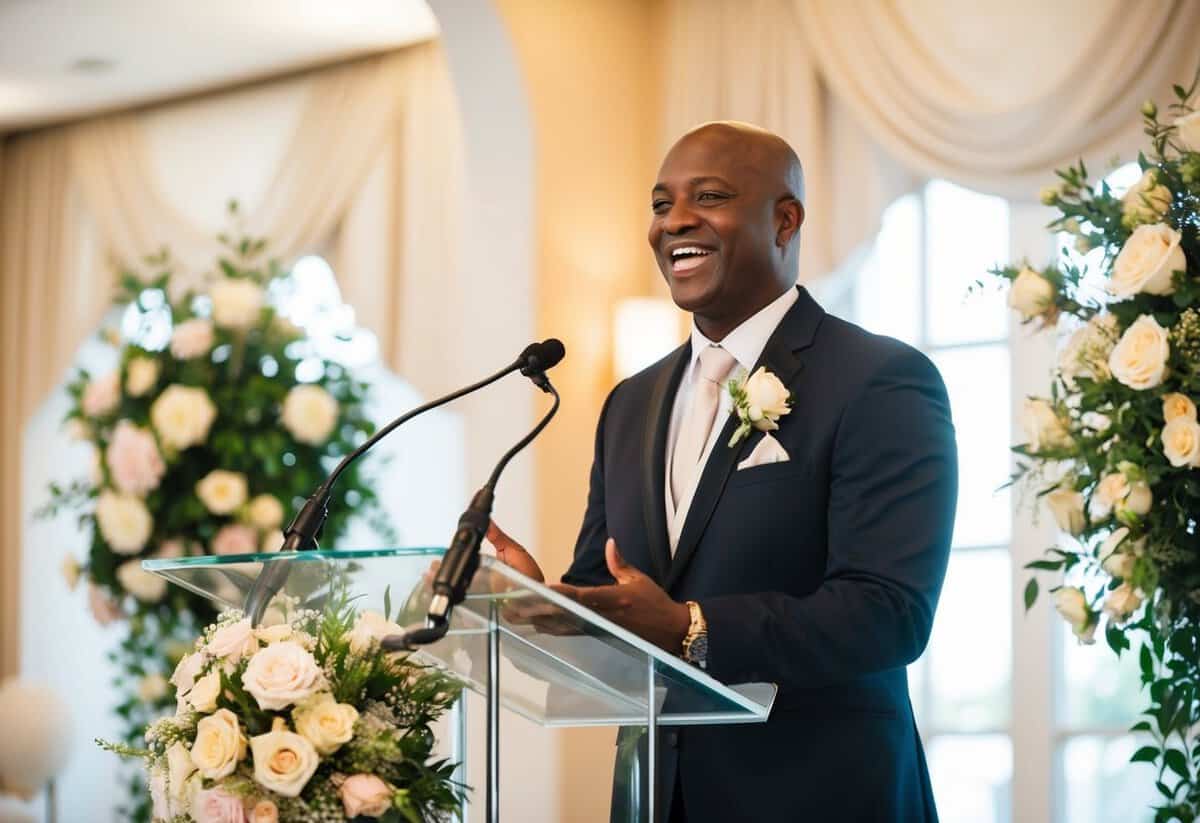
Getting ready for the wedding day is crucial for a smooth ceremony. As an officiant, you’ll want to ensure everything flows nicely. Preparation includes knowing your role, understanding the couple’s wishes, and coordinating with others involved in the ceremony.
Advice for First-Time Officiants
Being a first-time officiant can feel daunting, but you can make it easier. Start by talking to the couple. Understand their vision, including any specific cultural traditions they want to include. Discuss the length and tone of your speech, whether it will be a heartfelt wedding sermon or a lighthearted non-religious wedding.
Next, write an outline of your speech. Focus on key points like the couple’s love story and any special moments. Practice speaking out loud to build confidence.
Don’t forget to consider the venue layout. Know where you will stand and how to address the audience. Remember to be genuine and speak from the heart. This will create a memorable experience for the couple and guests alike.
Rehearsal and Coordination
A wedding rehearsal is vital for a seamless ceremony. Make sure to schedule a time to run through the entire event with the couple, wedding party, and anyone else participating. This step helps everyone understand their roles.
During the rehearsal, you should practice your speech in the spot where you’ll deliver it. This will help you feel comfortable with the space. Also, confirm any special cues, like music changes or when to invite the mother of the groom to speak.
You should also coordinate with other vendors, such as photographers and musicians. Clear communication ensures everyone knows their responsibilities. This teamwork smooths out unexpected surprises on the big day, allowing you to focus on delivering a beautiful ceremony.