
How Long Should Dinner Be at a Wedding Reception? A Guide for Perfect Timing
Planning your wedding reception can be exciting, but figuring out the timeline can also feel overwhelming. A key question you might have is about the duration of dinner at the reception. Typically, you should plan for dinner to last about 45 minutes to an hour for a seated meal. This allows your guests enough time to enjoy their food and chat with others.
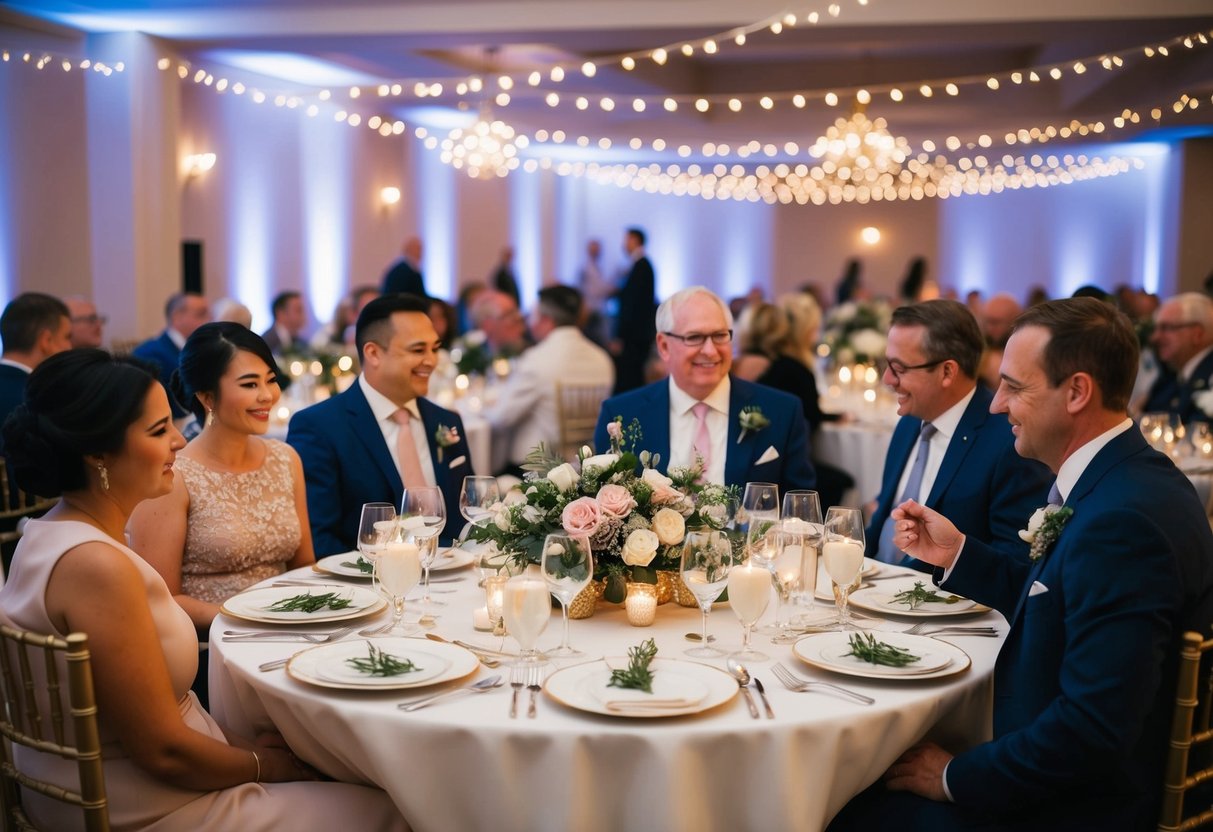
Of course, the length may vary depending on factors like the type of service, number of guests, and menu. If you’re considering a buffet, it could take longer as people will need time to get their food. Having a clear reception timeline that includes a well-planned dinner duration will help keep your celebration on track and ensure everyone has a great time.
Understanding how long dinner should be is just one part of a successful wedding reception. A well-structured timeline means you can enjoy every moment, from cocktails to dancing, without feeling rushed.
Planning Your Wedding Reception Timeline
Creating a well-organized reception timeline is essential for enjoying your special day. By mapping out key events, you can ensure a smooth flow that keeps your guests engaged and entertained throughout the evening.
Understanding the 30/5 Rule
The 30/5 rule is a great guideline to follow for your wedding dinner. This rule suggests that you should plan for about 30 minutes per course of your meal, with five minutes in between courses.
For example, if you expect a three-course meal, set aside approximately 1.5 hours for dinner. This allows ample time for guests to enjoy their food and engage in conversation.
Don’t forget about other activities during this time. You can fit in toasts or speeches between courses, enhancing the overall experience without rushing through dinner.
Key Reception Milestones
Several important milestones should be part of your reception timeline to keep everything on track.
- Cocktail Hour: Typically lasts about an hour after the ceremony, allowing guests to mingle.
- Grand Entrance: Announce the newlyweds and kick off the celebration.
- First Dance: This emotional moment usually follows the grand entrance.
- Toasts/Speeches: Schedule these early in the dinner time, so guests remain attentive.
- Dinner Service: Allow 1.5 to 2 hours for guests to enjoy their meal.
- Cake Cutting: This usually occurs after dinner but before dancing.
Having these milestones planned helps ensure your wedding celebration runs smoothly.
Customizing Your Timeline
Personalizing your wedding timeline makes your day unique. You can adjust the timeline based on the flow of your evening and your preferences.
Consider the following factors:
- Guest Count: Larger groups may require more time for dinner service.
- Meal Type: A buffet might take longer due to lines, while plated service can be quicker.
- Entertainment: If you plan to include activities like the bouquet toss or parent dances, factor those into your timeline.
Your wedding planner can help you tailor the timeline to fit your vision. Be sure to communicate with them to make adjustments as needed.
Dinner Service Styles and Duration
Choosing the right dinner service style for your wedding can impact how long dinner takes and how your guests experience the meal. Let’s explore two popular service styles: buffet and plated meals, and how to manage the timing for each.
Buffet vs. Plated Meals
When considering dinner service styles, both buffet and plated meals have their own unique benefits. A buffet dinner allows guests to choose their food and portion sizes. This style is interactive and often quicker, though it can take longer to serve everyone, depending on the number of guests.
On the other hand, plated meals provide a more formal dining experience. Each guest receives their meal at the table, which can create a sense of elegance. Typically, plated dinners may take about 45 minutes to 1 hour. If you opt for a three-course meal, you may want to allow sufficient time for courses to be served.
Scheduling for Different Service Styles
The timing for dinner can change based on your chosen service style. For a buffet, you should allow at least 1.5 to 2 hours for guests to serve themselves. Make sure to have enough staff guiding guests and refilling food to keep things moving smoothly.
With plated meals, consider your timeline carefully. Allocate about 10 minutes for serving each course, plus time for speeches or special performances. When planning the evening, think about how each service style fits into your overall wedding schedule. Maintain a balance so that your guests enjoy the experience without feeling rushed.
Entertainment and Activities
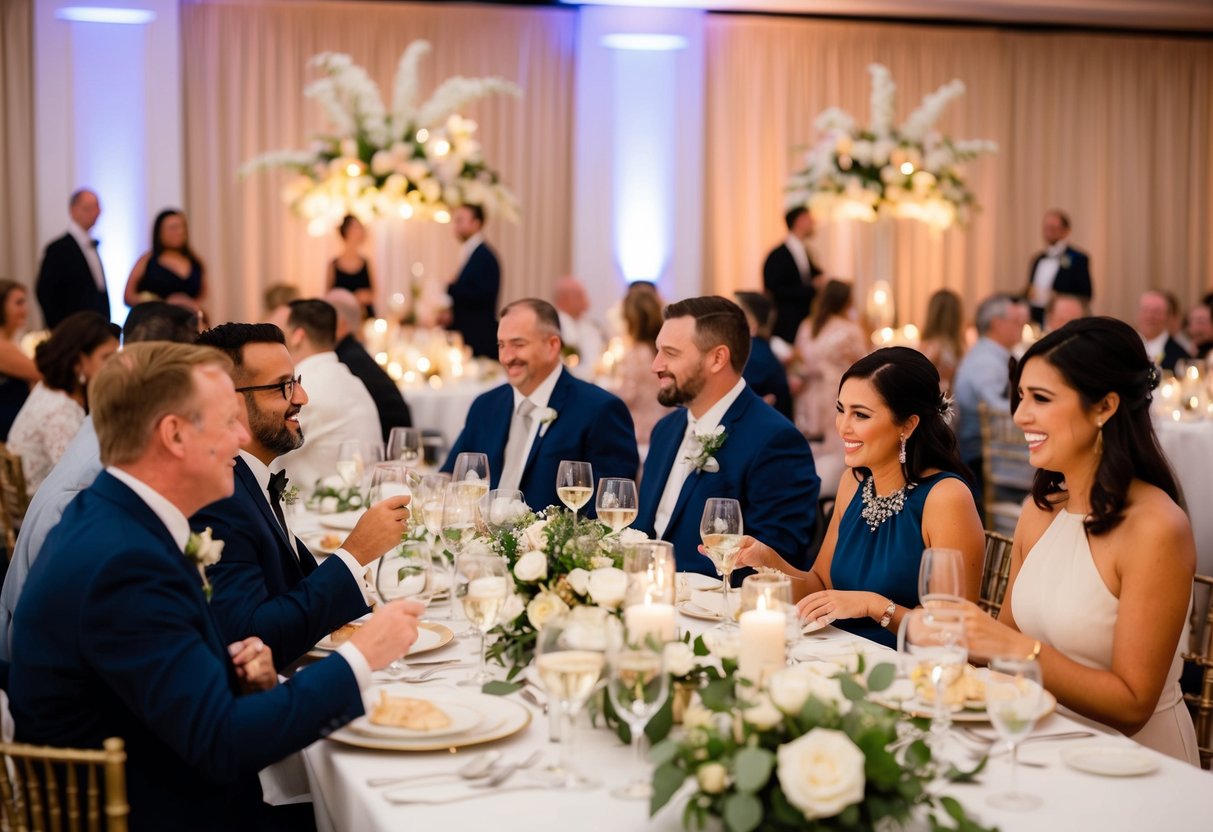
Incorporating entertaining elements during dinner can make your wedding reception memorable. You want to keep your guests engaged while they enjoy their meal. Here are some key opportunities for entertainment and activities that can enhance your celebration.
Integrating Entertainment With Dining
Consider adding entertainment during the dinner service to keep the atmosphere lively. Live music can create a pleasant background while guests dine. Hiring a small band or soloist can add an elegant touch.
You might also think about having special performances, such as a dance act or a magician, which can entertain guests as they eat. Themed entertainment can match your wedding style, making it even more engaging. Additionally, having a photo booth nearby allows guests to capture fun moments throughout the evening.
When to Open the Dance Floor
Timing is crucial when opening the dance floor. After dinner, you might start with the first dance, which sets the mood for the celebration. This is a great way to transition from dining to dancing.
Next, invite your wedding party and parents to join you for their special dances. Once these traditional dances are complete, open the floor to all your guests. It’s best to wait until most people have finished their meals to encourage everyone to join in. This way, your guests can fully enjoy dancing without feeling rushed.
Fun Activities Beyond Dancing
In addition to dancing, you can offer other fun activities.
A well-placed photo booth with props can provide entertainment and create lasting memories. Encourage guests to take silly pictures together, which they’ll love to look back on.
Consider hosting a fun activity like a cake cutting ceremony. This event can be interactive if you invite guests to gather around.
Another popular option is a toast corner, where guests can share short, sweet words about the couple, allowing for heartfelt moments amid the festivities.
These activities keep your reception energetic and help everyone feel included.