
How Long Should Wedding Last? A Guide to Timing Your Perfect Day
Planning your wedding day is exciting, but one common question often arises: the average wedding should last about six hours, which includes both the ceremony and reception. Knowing the right timeframe can help you create a smooth timeline and ensure that you and your guests enjoy every moment.
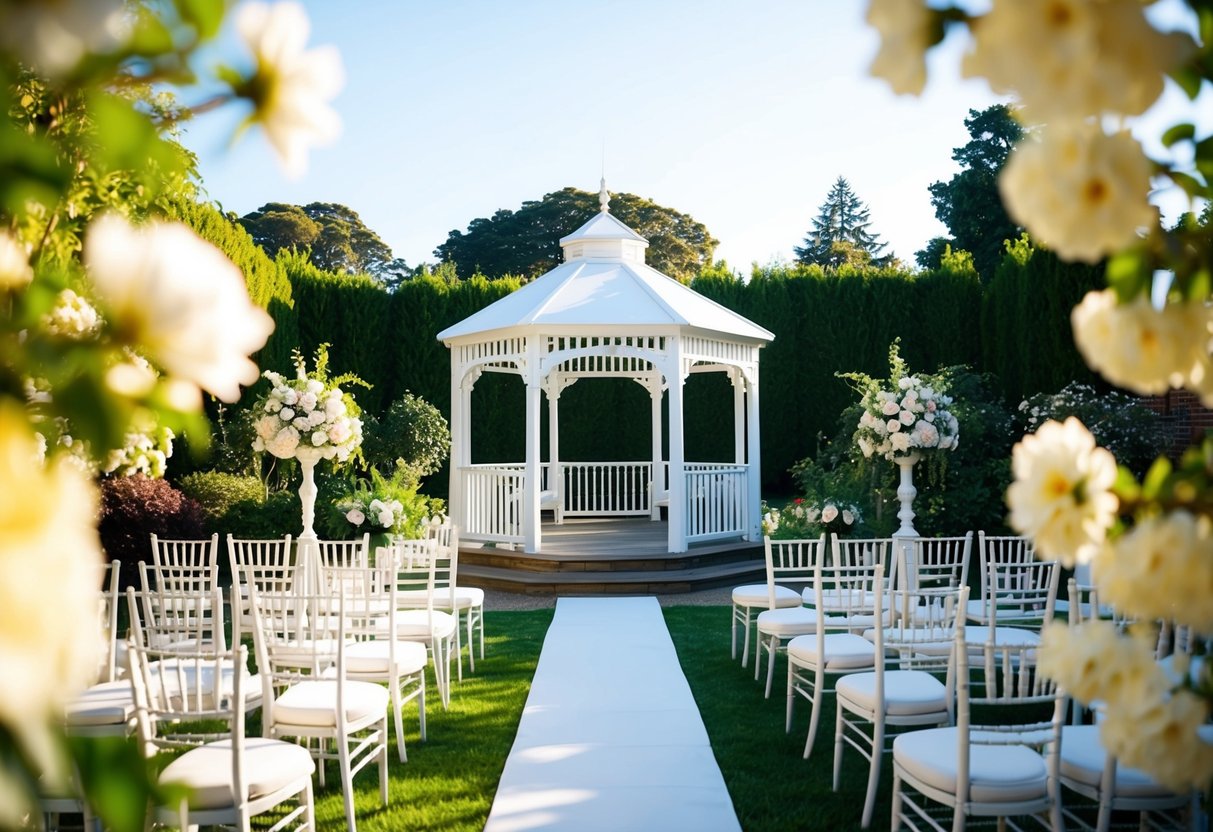
Typically, a wedding reception lasts around four to six hours, depending on your style and preferences. You may want to include a cocktail hour, dinner, and dancing to keep the celebration lively.
Keeping track of time during your big day will help you make the most of it and create lasting memories.
With the right plan in place, you can focus on celebrating your love with family and friends. Understanding how long your wedding should last is a key part of making your day stress-free and enjoyable for everyone involved.
Planning Your Wedding Timelines
Creating a solid timeline for your wedding day is essential for a smooth celebration. It helps you manage time effectively, ensuring that each part of the day flows seamlessly, from the ceremony to the reception.
Developing a Wedding Day Timeline
Start by determining when your wedding ceremony will occur. This is the central event and should be the anchor for your timeline. Consider including key moments like the first look, if you’re having one, and travel time between locations.
Next, outline the sequence of events. A sample timeline might look like this:
- 2:00 PM – Wedding Party Arrives
- 3:00 PM – First Look
- 4:00 PM – Ceremony
Work backward from your ceremony start time to include reception details. Don’t forget to add in time for photos, speeches, and meals.
Collaborating with a wedding planner or coordinator is beneficial as they can help keep everything on track.
Ceremony and Reception Length
The length of your ceremony should typically last between 20 to 30 minutes. This allows time for vows, readings, and music without feeling rushed. Think about what best fits your style and guest experience.
For the reception, plan for around 4 to 5 hours. This gives you enough time for guests to enjoy cocktails, dinner, and dancing. It’s also wise to factor in speeches and special moments, like a cake cutting.
A well-structured wedding reception timeline will help keep your day lively and enjoyable for everyone involved.
Ceremonial Traditions and Moments
Ceremonial traditions and special moments are key parts of your wedding. They help express your love and commitment in ways that are unique to you. Here’s a closer look at two significant elements: exchanging vows and rings, and incorporating religious or cultural rituals.
Exchanging Vows and Rings
The moment you exchange vows is often the heart of the ceremony. This is when you promise to love and support each other for life. You can choose to write your own vows or use traditional ones. The personal touch of your words can make the vows even more special.
The ring exchange follows closely. Rings symbolize your commitment and love. When you place the ring on your partner’s finger, it reminds you both of the promises made. Make sure the officiant guides you through this process, keeping it smooth and heartfelt.
Incorporating Religious or Cultural Rituals
Including religious or cultural rituals can add depth to your ceremony. If you are having a religious ceremony, elements like prayers or readings may be significant. For example, lighting a unity candle or doing a sand ceremony can be beautiful ways to signify your union.
Each culture has unique traditions that can enhance your celebration. A wedding officiant familiar with these traditions can help ensure they are honored. Whether it’s a traditional Hindu ceremony or a custom from your own background, these moments celebrate your heritage and enrich your commitment to each other.
Celebration and Reception Highlights
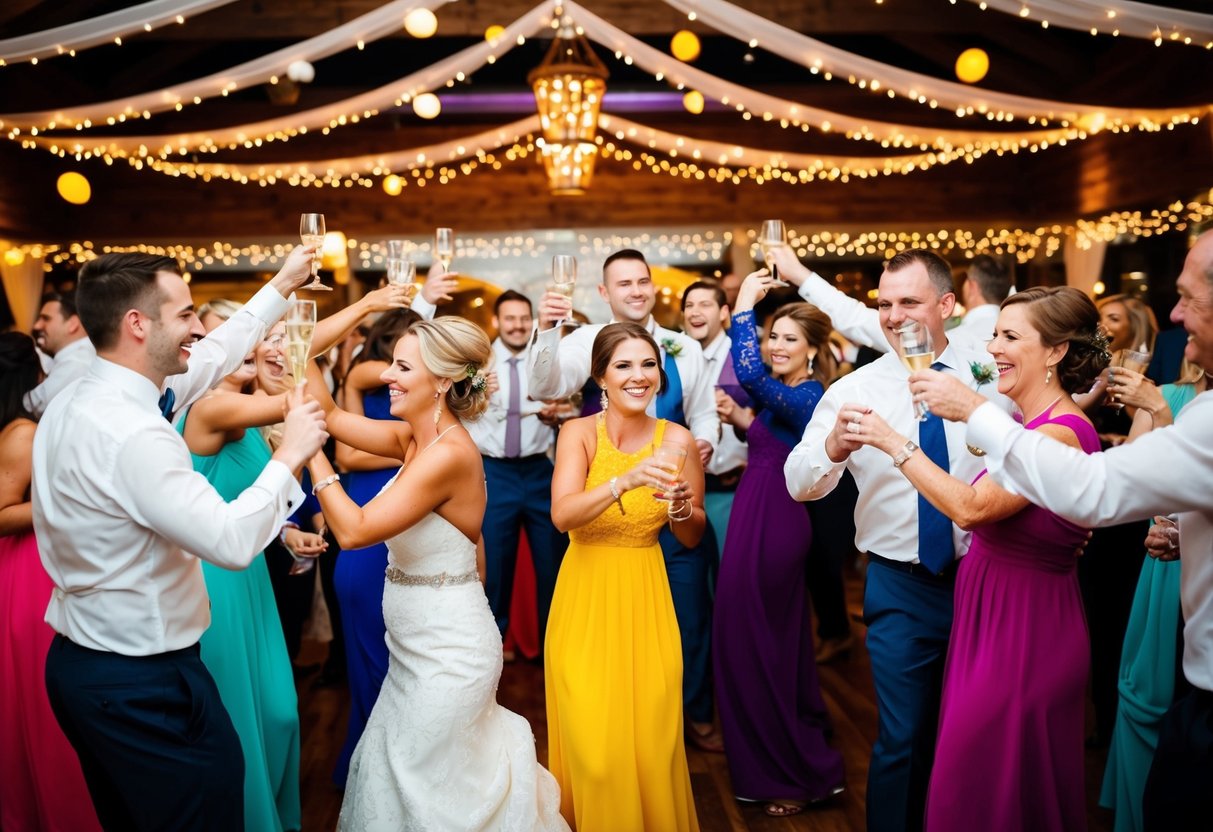
A wedding reception is a time filled with joy, excitement, and unforgettable moments. Key events and entertainment help create a festive atmosphere, making the celebration truly special for you and your guests.
Key Events within the Wedding Reception
Your reception is packed with memorable events. It often starts with a grand entrance, where you and your partner make a stylish entrance, exciting your guests.
The first dance is a romantic moment to share your love and kick off the dancing. Guests usually enjoy the cake cutting, a sweet way to celebrate your union.
Don’t forget the bouquet toss and garter toss. These traditions add fun and laughter.
As the night goes on, it’s time for toasts and speeches from loved ones, adding heartfelt sentiments.
Finally, dancing provides a chance for everyone to enjoy the celebration. With all these moments, your reception will be a fantastic experience.
Entertainment and Dining
In addition to the events, entertainment is key to a lively reception. Consider starting with a cocktail hour. This allows guests to mingle and enjoy drinks and light appetizers.
During dinner service, your choice of menu should reflect your tastes. Whether it’s a buffet or plated meal, make sure it’s something you enjoy.
Afterward, the dance set is key to keeping the energy up. A skilled DJ or band can get everyone on the floor.
The wedding cake is another highlight, so make sure to showcase it when you cut and serve it. Engaging the wedding party in dances and special moments can enhance the excitement even more.