
How Long to Get a Marriage Certificate After a Wedding in the UK? Here’s What You Need to Know!
Getting your marriage certificate is an important step after tying the knot. After your legal marriage record is created, you can typically expect to receive your marriage certificate within 15 working days. This timeline might be a bit longer for certain circumstances, like if you had a religious ceremony. In such cases, you can only order your certificate after the event.
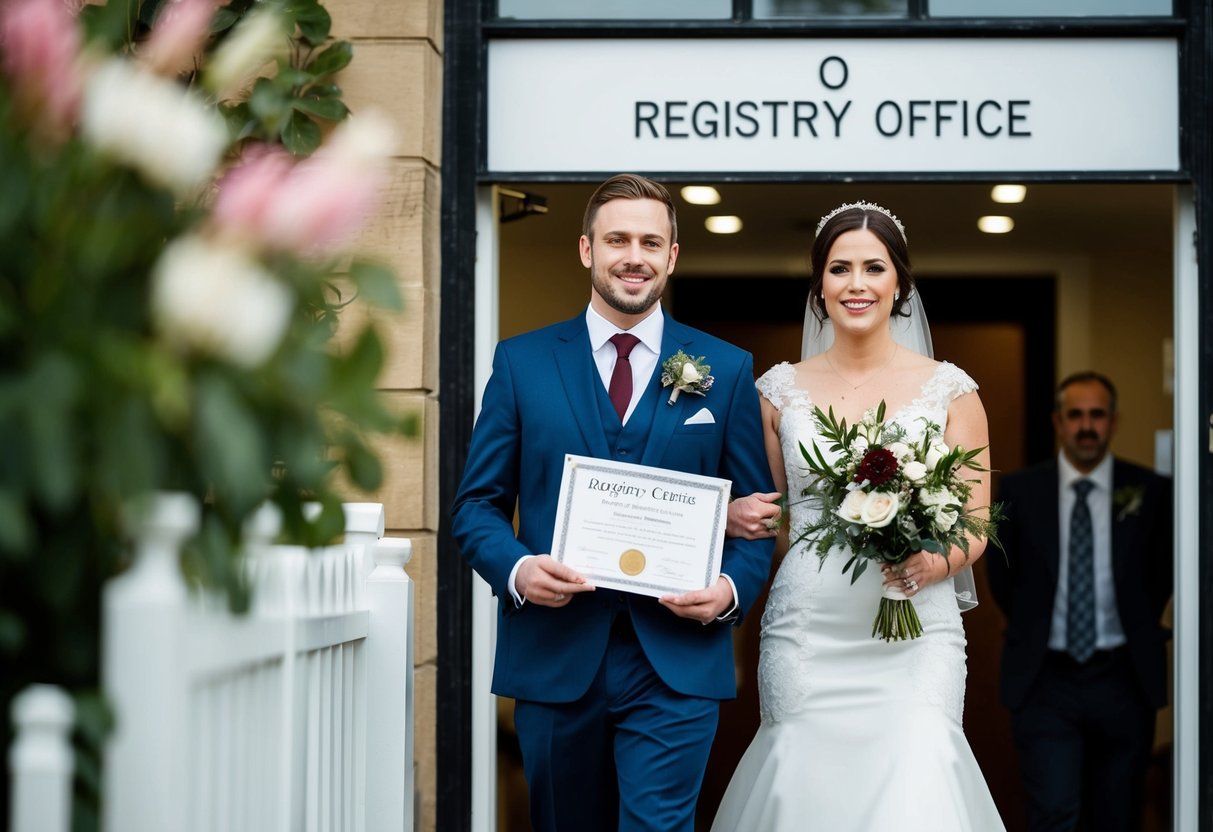
Many couples want to know how soon they can officially document their union. While it might feel like a long wait, you’ll have the option to speed things up through a priority service for a higher fee. Understanding the timeline can help you plan for what’s next in your journey together.
By knowing when to expect your marriage certificate, you can better prepare for various tasks ahead, like changing your name or applying for joint accounts. Read on to learn more about the process and any other details you might need!
Understanding the UK Marriage Registration Process
Getting married in the UK involves a few important steps. You need to give notice of your marriage, and understand the differences between civil and religious ceremonies.
Giving Notice of Marriage
Before your wedding, you must give notice at your local register office. This is a formal declaration of your intention to marry. You should do this at least 28 days before the ceremony.
During this appointment, you’ll need to provide necessary documents like proof of identity and address. If either of you is from outside the EU, extra requirements may apply. Your local register office will help guide you on this.
If you plan to marry in a religious setting, like a Church of England or Church of Wales, you may also need to read banns. This is an announcement made during church services before the wedding.
Civil Versus Religious Ceremony
In the UK, you can choose between a civil ceremony and a religious ceremony.
A civil ceremony is conducted by a registrar at a register office or an approved venue. This type of ceremony is simple and usually focuses on legal requirements.
On the other hand, a religious ceremony is held in a place of worship, such as a church. If you choose this option, an authorized person, like a vicar or priest, will lead the service.
Both types of ceremonies require a marriage license. After the ceremony, the registrar will record your marriage in the electronic marriage register, making your marriage official.
Key Steps After the Wedding
After your wedding, there are important steps to take regarding your marriage certificate. Completing these tasks will help you officially register your marriage and obtain your certificate.
Submitting the Marriage Schedule
Once your ceremony is over, the marriage schedule needs to be submitted to the registrar. This document must be signed by you, your partner, and your witnesses. Ensure everyone is available for the signing as it’s crucial for the registration process.
After signatures are collected, you should return the marriage schedule to the registrar’s office where the marriage took place. This should typically be done within a few days after your wedding. The registrar will then confirm the details and begin the process of preparing your marriage certificate.
Registering the Marriage Details
The next step is the actual registration of your marriage details with the registrar. Once the marriage schedule is submitted, the registrar will enter your information into the records.
You will receive a Gro index reference number, which is important for future requests for your marriage certificate.
Typically, after registration, you can request your marriage certificate. Depending on the process in your area, it may take a few days to a few weeks to receive your official certificate in the mail. If you need it sooner, inquire about priority services for an expedited copy.
Obtaining Your Marriage Certificate

After your wedding, obtaining your marriage certificate is an important step. You have options for how to receive it, including standard and priority services. Understanding these options can help you decide the best way to get your document quickly.
Standard Vs Priority Service
When you apply for your marriage certificate, you can choose between a standard service and a priority service.
-
Standard Service: This option usually takes about 15 working days. It is cost-effective but requires a bit of patience. If you’re not in a hurry, this could be the right choice for you.
-
Priority Service: If you need your marriage certificate urgently, this service allows you to receive it the next working day for an extra fee. This is ideal for those who have immediate needs, like changing their name or applying for benefits.
Remember, both services are available online, making the process easier for you.
Collection and Delivery Options
Once your application is processed, you’ll have several options for receiving your marriage certificate.
-
Collect in Person: You can choose to pick up your certificate from the register office. This is a good option if you live nearby and prefer to have your document in hand right away.
-
Postal Delivery: If you want convenience, you can have your certificate mailed to you. Be sure to allow extra time for delivery, especially if you are in a different location, like Southport.
Whether you opt for standard or priority service, it’s essential to know these options to avoid delays in receiving your important document.
Additional Information and Records for Couples
After your wedding, there are a few important records and resources you might find useful. These can help you trace your family history or understand the civil registration process better, giving you clarity about your marriage certificate and related documents.
Tracing Family History and Genealogy
If you’re interested in your family history, marriage certificates are key documents. They can help you build your family tree and connect with your ancestors.
A popular resource is FreeBMD, where you can search for birth, marriage, and death records in England and Wales. This can be a great starting point for your research. You can find details about loved ones, including dates and locations of significant events.
Remember to keep your documents organized. Collect your marriage certificate along with other vital records, like birth and death certificates, to piece together your family’s story.
Understanding Civil Registration Records
Civil registration records provide official documentation of significant life events. These events include marriages, births, and deaths. You can access these records at the local registration office where the event took place.
For marriage certificates, these records will include both partners’ names, the date of the marriage, and the location. It’s helpful to know that civil partnership ceremonies also generate similar documentation.
When you request a death certificate or any other civil record, you may need to provide personal details to verify your connection. This helps ensure the right information is linked to you and your family.